
Key Benefits of Going Gluten-Free for Health and Energy
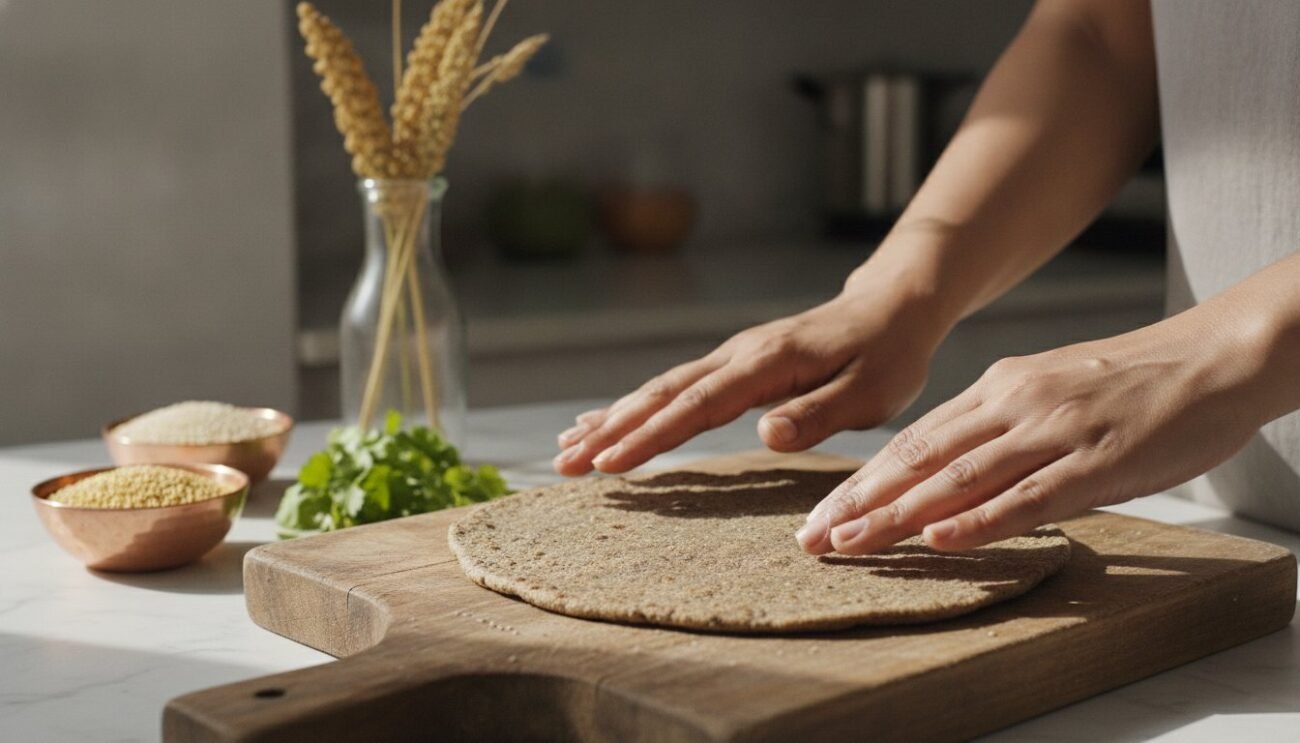
What if that persistent post-meal sluggishness and uncomfortable bloating weren’t just normal parts of your day? Many of us feel trapped between the desire for vibrant health and the fear of losing beloved traditions like soft rotis or moist cakes. It’s a common struggle, but understanding how going gluten free helps can be the spark that reignites your energy and heals your digestion. This journey isn’t about saying no to good food; it’s about saying a loud, enthusiastic yes to the abundance of ancient Indian superfoods that have nourished generations.
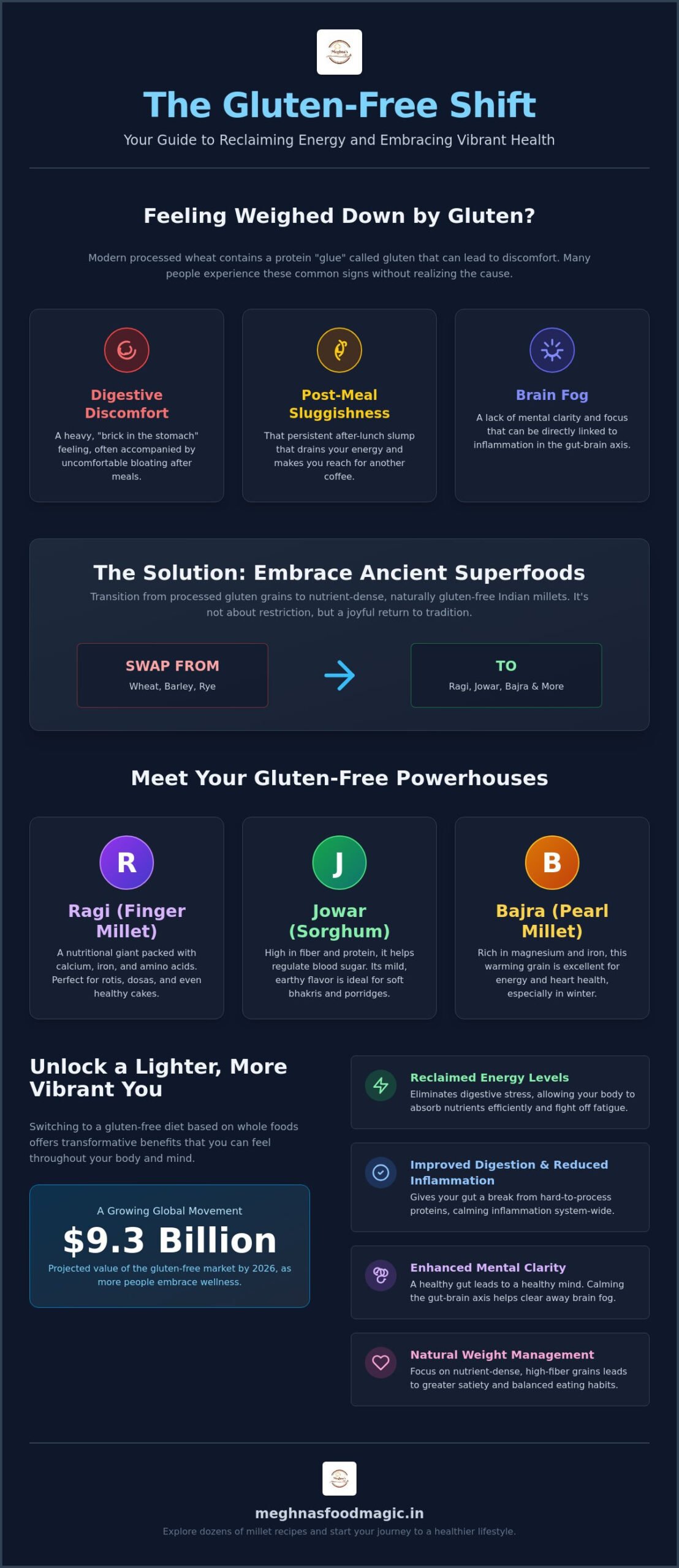
With the global gluten-free market projected to reach USD 9.3 billion in 2026, more people are discovering that wellness and culinary joy can live on the same plate. You’ll learn how to transform your kitchen into a space of culinary therapy using powerful, nutrient-dense grains like Ragi, Jowar, and Bajra. This article explores the science of improved energy, the ease of weight management without deprivation, and the creative secrets to making delicious meals that your whole family will crave. Let’s turn your daily cooking into an act of self-care and celebration as we explore the transformative power of a gluten-free lifestyle.
Key Takeaways
- Discover how going gluten free helps eliminate digestive inflammation and post-meal sluggishness, allowing you to reclaim your natural energy levels.
- Uncover why ancient Indian superfoods like Ragi, Jowar, and Bajra are the ultimate nutrient-dense alternatives to processed gluten-free products.
- Learn how to use simple kitchen swaps and air fryer techniques to enjoy healthy, oil-free versions of your favorite traditional snacks.
- Access a wealth of culinary inspiration with over 30 millet recipes designed to make gluten-free cooking easy and exciting for the whole family.
- Find out how to achieve your weight loss goals through a celebratory approach to food that prioritizes abundance and flavor over deprivation.
Understanding the Gluten-Free Shift: More Than Just a Food Trend
Gluten is often described as the structural “glue” that holds our favorite foods together. It’s a protein found in wheat, barley, and rye, giving dough that stretchy, elastic quality we’ve all come to love in a fresh loaf of bread. However, modern wheat has evolved significantly over the decades. Today’s varieties are often more processed and higher in gluten than what our ancestors ate, which is exactly why so many people are exploring how going gluten free helps restore balance to their bodies. When the “glue” becomes too much for the gut to handle, it’s time to look for a more harmonious way of eating.
Choosing this path isn’t just about following a trend; it’s about listening to your internal rhythm. For some, a Gluten-Free Diet Overview is a medical necessity due to Celiac disease. For others, it’s about managing Non-Celiac Gluten Sensitivity (NCGS) or simply making a lifestyle choice that prioritizes vitality. At Meghna’s Food Magic, we believe in a philosophy of choosing ingredients that love you back. Instead of feeling restricted, we invite you into a world of abundance where ancient grains take center stage. This shift is an invitation to discover a more vibrant version of yourself.
What is Gluten and Why is it Everywhere?
Gluten is the secret behind the chewiness of a classic pizza crust or a fluffy bun. Because it’s such an effective binder, it’s slipped into almost everything in the modern supermarket. You’ll find hidden traces in soy sauce, salad dressings, and even some seasonings. The problem is that highly refined versions of these grains can be tough on the modern gut. When you shift away from these “sticky” proteins, you open the door to incredible alternatives like Jowar and Bajra, which offer a much lighter, more digestible experience. These aren’t just substitutes; they’re nutritional powerhouses that bring their own unique, nutty flavors to your table.
Signs Your Body Might Be Craving a Change
Do you ever feel that heavy, “brick in the stomach” sensation after a meal? Or perhaps you struggle with a persistent after-lunch slump that makes you reach for an extra cup of tea? These are often the first signs that your body is struggling to process gluten. Beyond just bloating, many people report a “brain fog” or a lack of mental clarity that clears up once they ditch the wheat. Understanding how going gluten free helps isn’t just about digestion; it’s about reclaiming your mental and physical spark. Instead of waiting for a clinical diagnosis, try tuning into your own energy levels. If you’re looking for inspiration on your journey, our 30+ Millet Recipes By Meghna playlist is a fantastic place to start your journey toward a more vibrant you.
How Going Gluten-Free Helps Your Body: The Science of Feeling Lighter
Imagine waking up without that heavy, anchored feeling in your gut. This is the first gift of understanding how going gluten free helps your body reset and find its natural rhythm. By stepping away from the “sticky” proteins found in wheat, you’re essentially giving your digestive system a much-needed vacation. This break allows your body to address systemic inflammation, which often manifests as joint pain or general puffiness. It’s fascinating to realize that your gut and mind are deeply connected; the gut-brain axis is the bidirectional communication link between your central nervous system and enteric nervous system that ensures a calm digestive tract supports a stable and happy mood.
When you prioritize whole, nutrient-dense grains, weight loss often follows as a natural, happy byproduct rather than a forced goal. You aren’t just cutting things out; you’re inviting in abundance. This transition is about fueling your cells with ingredients that provide sustained vitality instead of temporary fullness. It’s a celebratory way to eat that respects your body’s limits while maximizing its potential for joy and movement.
Digestive Harmony and the End of Bloating
Removing gluten allows your intestinal lining to recover from the constant irritation it may have been facing. This recovery is crucial because a healthy gut absorbs vitamins and minerals much more efficiently from the vibrant foods you prepare. The Science of Gluten-Free Diets suggests that for many, the relief from “gut heaviness” and persistent bloating is almost immediate. You can start tracking your progress with these simple steps:
- Keep a quick note of your energy levels 30 minutes after every meal.
- Swap traditional wheat rotis for nutrient-rich Ragi or Jowar alternatives.
- Observe the reduction in abdominal tightness over your first 14 days.
Energy, Clarity, and the ‘Brain Fog’ Lift
Ever feel like your brain is wrapped in cotton wool after a heavy lunch? That’s often the result of wheat-based blood sugar spikes followed by a sharp crash. Stable energy is the true currency of a vibrant life. By choosing slow-burning grains like Bajra, you’re providing your body with fuel that keeps you productive and sharp until dinner. This is the heart of my “Cake Therapy” philosophy. You can bake treats that heal the mind and satisfy the soul without the dreaded gluten crash. If you’re ready to see these transformations in action, explore my creative kitchen experiments to see how effortless these healthy swaps can be.
Many people think that switching to a gluten-free lifestyle means filling their carts with expensive, vacuum-sealed loaves of bread from the “specialty” aisle. This is what I call the “Processed Trap.” While these products are technically safe, they’re often stripped of nutrients and loaded with refined starches like corn or tapioca to mimic the texture of wheat. Understanding how going gluten free helps requires looking past the label and focusing on the quality of the ingredients you put into your body. According to Gluten-Free Diet Research, relying on heavily processed substitutes can sometimes lead to nutritional gaps that leave you feeling less than your best.
In the Indian kitchen, we have an incredible advantage. We don’t need to rely on laboratory-engineered bread when we have the “Millet Revolution” right in our pantry. Millets aren’t just substitutes; they’re high-protein, fiber-rich ancient grains that have nourished our families for centuries. They offer a level of nutrition that refined wheat simply can’t match, making them the ultimate solution for a modern, healthy home.
Ragi, Jowar, and Bajra: Your New Superfood Best Friends
Meet the “Big Three” of the gluten-free world. First, there’s Ragi (Finger Millet), a calcium-rich powerhouse that’s essential for growing kids and bone health in adults. It’s incredibly versatile and brings a beautiful, earthy flavor to your table. Then we have Jowar (Sorghum), which is a lightweight, cooling grain perfect for light dinners. It’s gentle on the stomach and keeps you feeling refreshed. Finally, Bajra (Pearl Millet) is your go-to for iron content and winter warmth. These grains aren’t just healthy; they’re a celebration of our heritage and the key to understanding how going gluten free helps you feel more connected to your food.
The Nutritious Power of Millets
If you’re embarking on a weight loss journey, millets are your secret weapon. Unlike refined wheat, millets are packed with complex carbohydrates and fiber. This creates the “satiety factor,” that wonderful feeling of being full and satisfied for longer, which naturally keeps hunger pangs at bay. You won’t feel deprived because you’re eating real, whole food that fuels your body correctly. If you’re wondering where to begin, I’ve curated a special 30+ Millet Recipes By Meghna playlist on YouTube. It’s designed to show you that cooking with these ancient grains can be easy, creative, and absolutely delicious for the whole family.
Practical Steps to Transition: Mastering the Art of Gluten-Free Cooking
Transitioning to a new way of eating doesn’t mean you have to abandon the soul of your kitchen. It’s about evolving your techniques to embrace the abundance of naturally gluten-free ingredients like moong dal, chickpeas, and rice. Understanding how going gluten free helps becomes truly empowering once you realize that your favorite comfort foods are still very much on the menu. By starting with simple swaps, like replacing traditional Atta with nutrient-dense millet blends, you’re not just changing a recipe; you’re upgrading your daily vitality. This process is a celebration of flavor where every meal becomes an opportunity for creative discovery.
The journey is much smoother when you focus on what you can add rather than what you’re taking away. Whether it’s the earthy aroma of roasting Ragi or the crispy perfection of an air-fried snack, your kitchen is about to become a place of renewed excitement. Embracing this change is an act of self-care that pays dividends in how you feel every single day. It’s about finding joy in the process and confidence in your creations.
The Gluten-Free Roti Secret
One of the biggest fears for any Indian home cook is the thought of a dry, cracking roti. The secret to achieving that perfect, pliable texture with Jowar or Bajra lies in the temperature of your water. Always use boiling hot water to knead your dough. This partially cooks the flour and creates the binding you need without the gluten. For an extra boost of moisture and nutrition, try grating carrots or bottle gourd into your dough. This not only makes the rotis softer but also adds a vibrant splash of color to your plate. If you’re looking for a visual guide to these techniques, my 30+ Millet Recipes By Meghna playlist covers everything from basic rotis to innovative parathas.
Baking and Snacking: The Guilt-Free Way
Wellness should never feel like a punishment, especially for those with a serious sweet tooth. My “Cake Therapy” approach is all about creating desserts that nourish the soul without the heavy gluten crash. Instead of refined sugars, I love using date paste or jaggery to add a rich, caramel-like sweetness to cakes and cookies. For savory cravings, your air fryer is your best friend. You can create crispy, high-protein appetizers using chickpeas or moong dal that are completely oil-free. This is a fantastic way to support your weight loss goals while still enjoying crunchy, satisfying snacks. For daily inspiration and a wealth of creative ideas, I invite you to explore my free digital recipe database. Ready to transform your kitchen into a hub of health and joy? Join my community on YouTube for step-by-step tutorials that make healthy cooking feel like magic.
Embracing the Magic: Your Roadmap to a Joyful Gluten-Free Lifestyle
Embracing a gluten-free life isn’t about the things you leave behind; it’s about the vibrant world you’re stepping into. This journey is a continuous discovery of flavors that truly nourish your spirit and body. Understanding how going gluten free helps is just the beginning of a holistic lifestyle that celebrates every bite, whether you’re at home, traveling, or hitting your fitness goals. When you see first-hand how going gluten free helps your focus and stamina, you’ll never want to go back to the days of post-meal heaviness. This is your invitation to a life of abundance where wellness and enjoyment dance together on your plate.
To help you start this exciting chapter, I’ve put together a simple 3-day kickstart framework using some of my favorite high-protein recipes. This isn’t a strict diet; it’s a celebration of what’s possible in your kitchen. You can find many of these ideas in my 30+ Millet Recipes By Meghna playlist on YouTube.
- Day 1: Start your morning with a warming Jowar upma. For lunch, enjoy a protein-packed moong dal chilla. End your day with a soft Bajra roti served with a fresh vegetable curry.
- Day 2: Try a Ragi malt for a quick energy boost. For lunch, a colorful millet pulao is perfect. Dinner can be a weight loss friendly bowl of stir-fried greens and sprouts.
- Day 3: Indulge in a fruit-based breakfast bowl. Lunch is a hearty soya stir-fry. Celebrate your progress with a piece of gluten-free cake from my Cake Therapy collection.
Meal Planning for the Busy Indian Home
Prepping for a busy week shouldn’t be a chore. I love making large batches of millet batters that stay fresh in the fridge for several days. You can easily whip up fresh dosas or idlis whenever hunger strikes. Integrating high-protein vegetarian options like moong and soya ensures your body gets the building blocks it needs while staying light and energetic. If you need to see the process to truly feel confident, the Meghna's Food Magic YouTube channel offers clear, visual guidance for every recipe, making your transition feel effortless and exciting.
Staying Inspired on Your Health Journey
Don’t feel pressured to change everything overnight. Start small and celebrate every “millet win,” whether it’s your first perfectly round Jowar roti or a successful air-fryer snack. A gluten-free lifestyle in 2026 is defined by the abundance of ancient grains and the creativity of the home cook. If you ever feel stuck or need a quick boost of motivation, connecting with our community on Instagram is a great way to find daily tips and share your own kitchen magic. Let’s continue this beautiful journey together and transform our health one delicious, gluten-free meal at a time!
Step Into Your Most Vibrant Life
You’ve seen that a gluten-free lifestyle isn’t about deprivation; it’s a doorway to incredible vitality and culinary creativity. By choosing nutrient-dense grains and listening to your body’s rhythm, you can finally say goodbye to that heavy, sluggish feeling. Discovering how going gluten free helps you reclaim your energy is a transformation that touches every part of your day, from your morning productivity to your evening relaxation. It’s about finding harmony in the kitchen and joy in every bite.
Whether you’re focused on a weight loss journey, seeking high-protein vegetarian meals, or exploring my celebratory “Cake Therapy” collection, there’s a world of flavor waiting for you. With over 30 millet-specific recipes featuring Ragi, Jowar, and Bajra, you have all the tools to make this transition feel like pure magic. Ready to transform your kitchen? Explore Meghna's Free Digital Recipe Database for hundreds of gluten-free ideas! Your journey toward a lighter, more energetic you starts with the very next meal you create. Let’s make it magical!
Frequently Asked Questions
Is going gluten-free helpful for weight loss even if I don’t have Celiac disease?
Yes, a gluten-free approach is a fantastic tool for your weight loss journey because it shifts your focus toward whole, unprocessed grains. Instead of refined flour that causes blood sugar spikes, you’re fueling your body with high-fiber millets that keep you full for longer. This naturally reduces overeating while providing a “satiety factor” that makes healthy living feel celebratory rather than restrictive.
How can I make soft rotis without using wheat or gluten?
Making soft, pliable rotis is easy when you use boiling hot water to knead your Jowar or Bajra flour. This technique partially gelatinizes the starch, creating the binding you need without the gluten. You can also add mashed potatoes or grated bottle gourd to the dough to keep it moist and prevent cracking. It’s a simple, innovative shortcut for your gluten-free table.
Can kids safely follow a gluten-free diet using Indian millets?
Absolutely, Indian millets are nutritional powerhouses that are perfect for growing children. Ragi is particularly beneficial because it’s exceptionally rich in calcium for strong bones and iron for steady energy. By introducing these ancient grains early, you’re helping your kids develop a taste for diverse, nutrient-dense foods that support their active lifestyles without the heaviness of processed wheat.
Will I face any nutritional deficiencies if I stop eating wheat?
You won’t face deficiencies if you replace wheat with a variety of ancient grains rather than just refined starches. Understanding how going gluten free helps involves embracing the diversity of millets, which often contain more fiber, protein, and minerals than modern wheat. By rotating through different grains, you ensure your body receives a broad spectrum of nutrients that enhance your overall vitality and health.
Is rice gluten-free, and can I eat it every day?
Yes, all varieties of rice are naturally gluten-free and safe to enjoy as part of your daily meals. Whether it’s brown, red, or white rice, it provides a reliable source of energy that’s gentle on the digestive system. To keep your meals exciting and balanced, try pairing your rice with plenty of lentils and vegetables to maximize your protein and fiber intake.
What are the best Indian snacks for someone on a gluten-free diet?
There are so many delicious options, from roasted chickpeas to moong dal chillas. You can also use your air fryer to make crispy, oil-free snacks that satisfy every craving without the gluten. For a wealth of creative inspiration, my 30+ Millet Recipes By Meghna playlist features several snack ideas that are perfect for tea time or kids’ tiffins.
How much time does it take to see the benefits of a gluten-free lifestyle?
Many people notice a lighter feeling in their gut and reduced bloating within the first 14 days. However, the full impact on your sustained energy levels and mental clarity often becomes more apparent after a month of consistent choices. Seeing how going gluten free helps is a gradual, rewarding process that rewards your patience with a vibrant new sense of well-being and physical lightness.
You definitely can, and it’s one of my favorite parts of “Cake Therapy!” By using flours like almond, coconut, or millet blends, you can create moist, decadent cakes that are completely gluten-free. Sweetening with jaggery or date paste adds a rich flavor profile that makes these treats feel like a true celebration of health rather than a compromise on taste.
Disclaimer
This is a recipe food blog page and not nutrition or doctor and hence do not claim to cure any illness. If you have specific health issues please consult a qualified doctor or certified nutritionist.
I do consult experts, research Internet and at times seek help from Gemini to collect relevant information to put together some of these blogs.

