
Master Gourmet Style Recipes in Your Indian Kitchen
What if your humble Tuesday night Dal Tadka could command the same awe as a signature dish at a Michelin-starred restaurant? It’s a common frustration to feel stuck in a loop of repetitive menus, especially when you believe that gourmet food must mean heavy cream, expensive butter, or rare imported ingredients. You want your family to eat well, but making healthy grains like millets exciting for kids often feels like an uphill battle.
Making gourmet style recipes in Indian kitchens is actually a beautiful mindset shift from simply preparing a meal to crafting a celebratory experience. This article will show you how to transform everyday Indian ingredients into 5-star masterpieces using professional techniques and sustainable kitchen secrets. We’ll explore the science of flavor balancing, master the art of professional plating, and learn how to use ancient grains in modern, vibrant ways that bring joy back to your dinner table. Get ready to turn your home kitchen into a space of culinary therapy and innovation.
Key Takeaways
- Learn how making gourmet style recipes in Indian kitchens is about mastering precision and nutrient density rather than relying on heavy cream or expensive imports.
- Understand the vital science behind specific soaking times for millets like Jowar and Bajra to achieve perfect textures and easier digestion.
- Discover creative ways to elevate humble staples like Moong Dal into protein-packed, sophisticated dishes that delight both fitness enthusiasts and fussy eaters.
- Master professional plating secrets and zero-waste techniques to transform simple vegetable scraps into high-end garnishes and savory broths.
- Explore how to use modern tools like the air fryer to recreate 5-star textures and flavors using traditional, health-conscious Indian ingredients.
Redefining Gourmet: Why Your Indian Kitchen is a 5-Star Studio
Gourmet is an art, not a price tag. For a long time, we’ve been told that high-end cooking requires imported truffles or heavy French creams. In 2026, the culinary world has shifted its gaze. Today, gourmet is defined by precision, nutrient density, and the soul of the ingredients. Making Gourmet style recipes in Indian kitchens starts with a simple mindset shift. You don’t need a professional studio when you have a traditional Indian pantry. It’s already stocked with premium superfoods like Ragi, Jowar, and Moong Dal that global chefs are only just discovering.
When you treat a humble lentil with the same respect a chef gives a scallop, magic happens. This is where the educational “why” becomes your best tool. My goal is to bridge the gap between being a home cook and a professional creator. Through my recipe collections at meghnasfoodmagic.in, I emphasize that every spice and grain has a purpose. Understanding these details transforms your daily routine into a celebratory act of self-care.
The Three Pillars of Modern Indian Gourmet
To master the gourmet style, you must focus on three specific areas. First is technique. This isn’t just about following a recipe; it’s about mastering heat control. Think about the science of a perfect tadka. It’s a precise method of flavor extraction where spices bloom at the exact right temperature. Second is nutrition. Gourmet food in 2026 must fuel the body. We elevate high-protein vegetarian staples to ensure every bite is functional. Finally, there is aesthetics. We’re moving beyond the standard bowl of curry. By using negative space and vibrant textures, we turn a simple meal into a visual story.
Gourmet vs. Restaurant Style: What is the Difference?
Many people confuse these two terms. Restaurant-style cooking often relies on heavy fats, butter, and cream to create a “rich” mouthfeel. Gourmet cooking is different. It relies on flavor extraction and the Maillard reaction to create depth without the heaviness. It celebrates fresh, seasonal produce rather than masking it. Modern tools play a huge role here too. Using an air fryer allows you to achieve that perfect, gourmet crunch on a Bajra tart or a Moong crepe without the need for deep frying. It’s about using innovation to keep things light, healthy, and absolutely stunning on the plate.
Mastering the “Why”: Culinary Science for Indian Ingredients
To truly master your craft, you need to understand the molecular changes happening in your pan. Making Gourmet style recipes in Indian kitchens is as much about chemistry as it is about culture. When you roast Jowar or sauté onions until they’re golden, you’re engaging in the Maillard reaction. This isn’t just browning; it’s a chemical reaction between amino acids and reducing sugars that creates hundreds of different flavor compounds. This is why a slow-cooked onion base tastes exponentially more complex than one that’s merely translucent.
Gourmet cooking also demands a balance of the “Six Tastes” or Shadrasa: sweet, sour, salty, bitter, pungent, and astringent. Most home meals focus on the first three, but a 5-star dish uses bitterness from fenugreek or astringency from turmeric to create a rounded profile. Even fermentation plays a role beyond the breakfast table. By understanding the chemistry of wild yeast and lactobacilli, you can move past idlis to create gourmet sourdough or probiotic-rich fermented sides that add a sophisticated tang to your plate. If you want to see these scientific techniques in action, my YouTube channel has plenty of step-by-step demonstrations.
The Secret Life of Grains: Ragi, Jowar, and Bajra
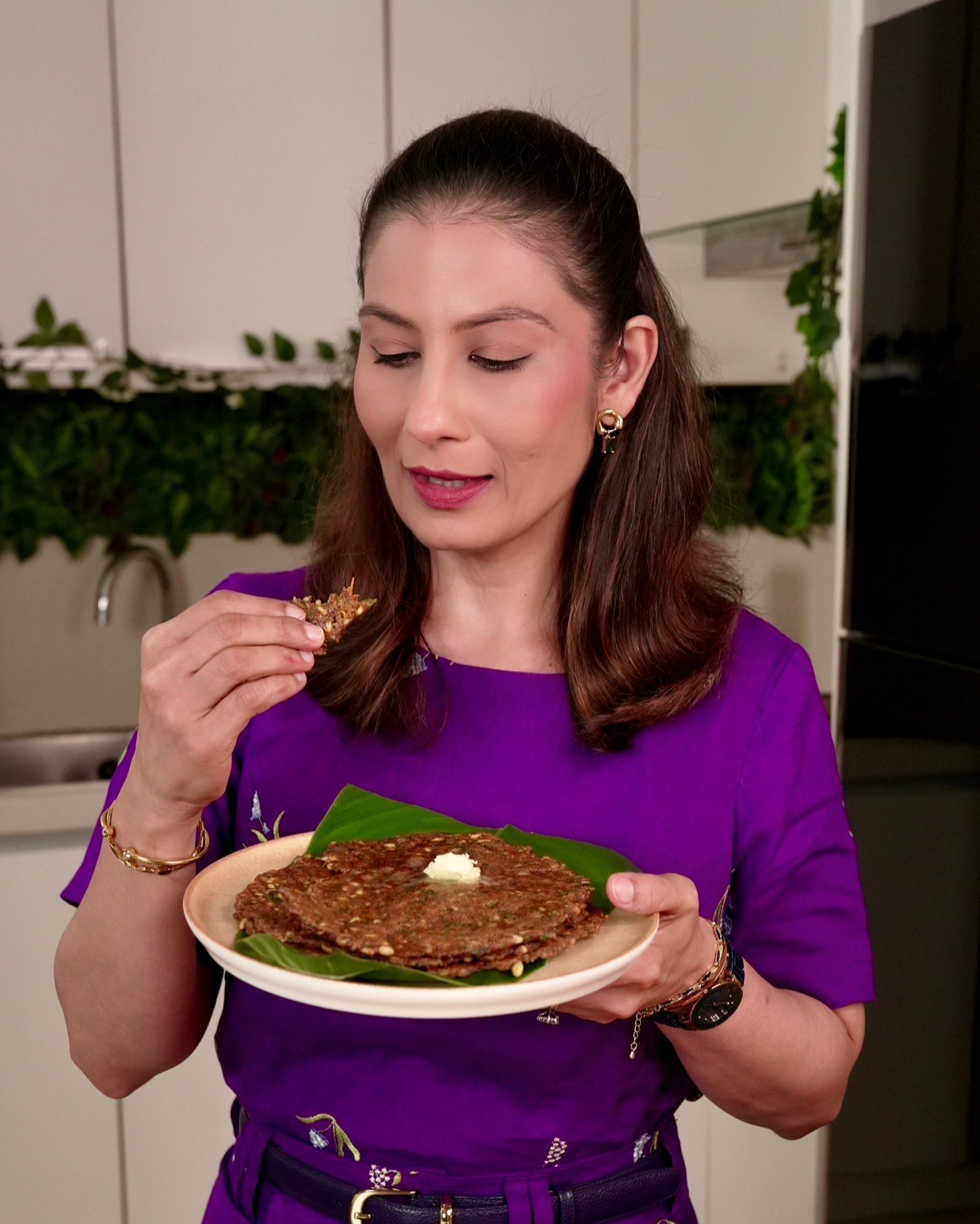
Millets are nutritional powerhouses, but their gourmet potential lies in how you treat them before they hit the heat. These grains contain phytic acid, which can block mineral absorption and lead to a gritty texture. Soaking Ragi for a minimum of 8 to 12 hours is essential to neutralize phytic acid and significantly increase the bioavailability of its high calcium content. For Jowar and Bajra, temperature control is your best friend. Using boiling water to hydrate the flour gelatinizes the starches, resulting in a dough that’s supple enough for delicate, paper-thin gourmet crepes rather than thick, rustic rotis.
Spices as Aromatherapy: The Art of Layering
Professional chefs don’t just “add spices”; they layer them. Whole spices like cardamom and cinnamon should be “bloomed” in hot fat at the start. This process extracts fat-soluble essential oils that water-based liquids can’t reach. Ground powders are added later to prevent burning and to provide a thick, flavorful base. By creating your own custom gourmet masalas, you control the aromatic impact and ensure your kitchen smells like a high-end studio rather than a spice factory. This level of precision is what separates a standard meal from a culinary masterpiece.
Always save your millet soaking water for your garden; it’s packed with nutrients your plants will love! If your millet dough feels too brittle, add a teaspoon of mashed potato or sweet potato. The extra starch acts as a natural binder, giving you that professional, flexible texture without using gluten or additives.

From Humble to Haute: Transforming Staples into Gourmet Delights
Elevating a staple ingredient is the ultimate test of a chef’s creativity. It’s about taking something as familiar as Moong Dal and reimagining its potential. Instead of the standard breakfast chilla, imagine a delicate, protein-packed gourmet crepe filled with a zesty avocado mousse and topped with pickled radishes. This is the heart of making gourmet style recipes in Indian kitchens. You aren’t replacing your pantry; you’re simply expanding the boundaries of what those ingredients can do. By applying professional textures to local produce, you create a meal that feels like a celebratory event rather than a daily chore.
The magic continues with ancient grains. A “Millet Risotto” made with Jowar can achieve a creamy, luxurious consistency that rivals any European classic, especially when finished with a touch of cold-pressed oil and fresh herbs. Even your sweet tooth can join the revolution. Through my “Cake Therapy” philosophy, I’ve found that using jaggery and whole wheat doesn’t mean compromising on indulgence. It’s about crafting desserts that are as sophisticated in their flavor profile as they are kind to your body. These innovations prove that high-protein, vegetarian cooking can be the pinnacle of luxury.
Gourmet Millets for Fussy Eaters
If you’re struggling to get kids or fussy eaters to enjoy healthy grains, the secret lies in the “stealth gourmet” approach. You can easily hide finely grated vegetables inside gourmet-styled millet pizzas or mini sliders. The key is texture play. Jowar can be processed into a crispy crust, a fluffy bao-style bun, or a creamy porridge base depending on your technique. For specific ideas on how to reinvent these grains, you’ll find a wealth of inspiration in my millet collections at meghnasfoodmagic.in.
Protein-Forward Gourmet: The Fitness Edge
For those on a fitness journey, gourmet cooking is a game changer. You don’t have to settle for bland boiled sprouts. Instead, design a high-protein thali that mimics a degustation menu. Small, beautifully plated portions of sprouted Moong salads, paired with my signature chutneys and air-fried paneer cubes, turn a “diet meal” into a 5-star experience. To make this sustainable during a busy work week, meal prep your gourmet components like herbed yogurt dips or roasted seed mixes. This ensures you can assemble a professional-grade plate in minutes.
When making a millet-based tart or pizza crust, add a spoonful of flaxseed meal. It acts as a natural binder and adds a subtle nuttiness that enhances the “gourmet” feel of the dough. If your avocado mousse starts to brown, a tiny pinch of vitamin C powder or a splash of lemon juice will keep it vibrant and photo-ready for your guests!
The Professional Touch: Plating and Sustainable Kitchen Management
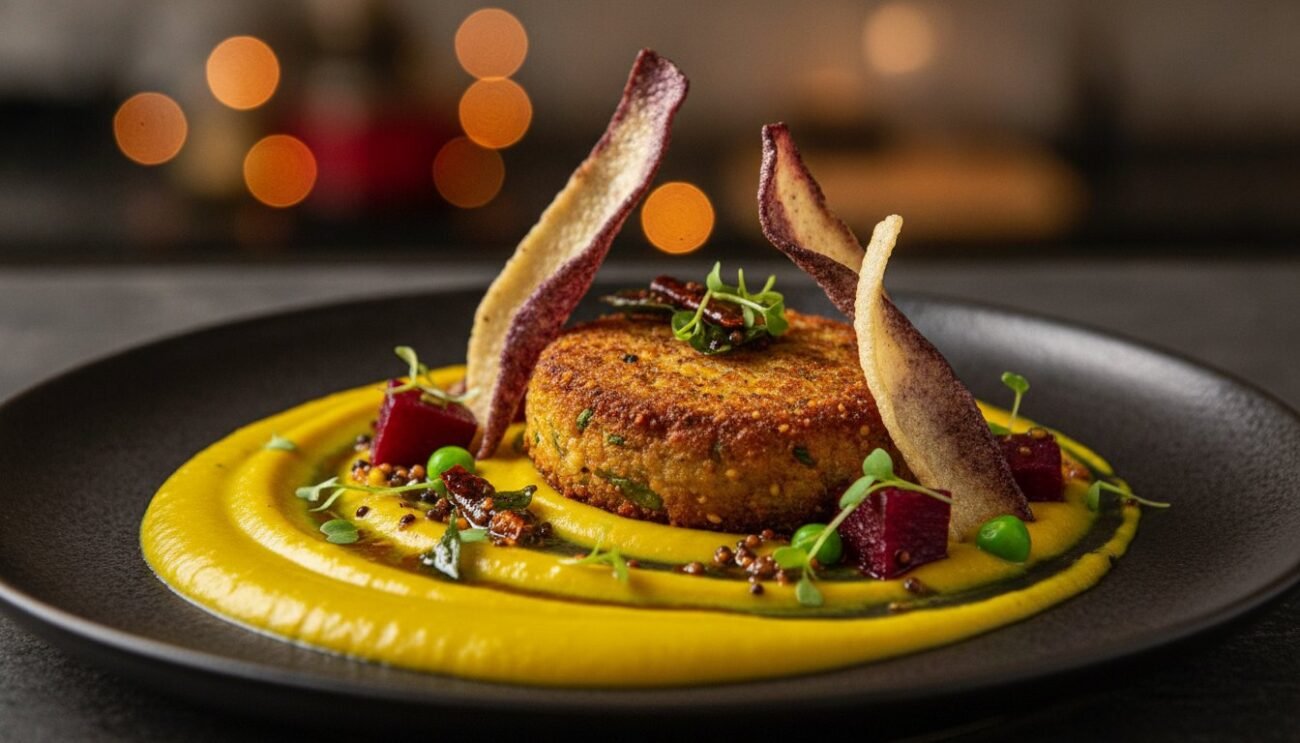
Making Gourmet style recipes in Indian kitchens reaches its peak when you master the art of the “final flourish.” While we’ve already explored the science of ingredients and the transformation of staples, the professional touch is what truly elevates the dinner table into a 5-star experience. Plating is essentially visual storytelling. You want to use color, height, and negative space to guide the diner’s eye across the plate. Instead of crowding every inch, leave room for the plate’s own texture to shine, creating a sense of elegance and intention that mimics a high-end studio.
Sustainability is the other half of the professional equation. A true chef doesn’t see a pile of vegetable peels as trash; they see potential for texture and flavor. Transforming potato, beetroot, or even bottle gourd peels into air-fried crisps adds a gourmet crunch that guests won’t expect. Similarly, using herb stalks and vegetable ends to create high-end broths ensures that nothing goes to waste. Professional storage is key here. Keeping your herbs in glass jars with a little water or wrapped in damp towels ensures they stay vibrant for your garnishes, while organized prep work keeps your creative process calm and joyful.
Plating Indian Food: A Step-by-Step Guide
- Step 1: Selecting the right canvas. Choose a plate color and texture that contrasts with your food. A matte black or deep teal plate makes a vibrant yellow Moong crepe or a white Ragi idli pop with modern energy.
- Step 2: Building the base. Start with a smooth vegetable puree or a neat, molded circle of grains. This provides a stable and attractive foundation for your hero ingredient.
- Step 3: Placing the hero ingredient. Position your main component slightly off-center to create visual interest. Add textural contrast, like toasted seeds or those air-fried vegetable crisps, for a professional mouthfeel.
- Step 4: The final pop. Use a squeeze bottle to add precise dots of vibrant chutneys or place micro-garnishes and microgreens with tweezers for a delicate, refined finish.
Zero-Waste: The Mark of a True Chef
Making Gourmet style recipes in Indian kitchens is also about how you manage your resources with mindfulness. If you have leftover millets from the night before, don’t just reheat them in a bowl. Repurpose them into a gourmet breakfast bowl topped with fresh fruit, toasted nuts, and a drizzle of honey or a savory herbed yogurt. You can also create “Kitchen Gold” by simmering your vegetable scraps, onion skins, and herb stalks into a rich, slow-simmered stock. Zero-waste cooking creates a concentrated foundation of umami and sweetness that directly contributes to the flavor depth of gourmet sauces.
To keep your microgreens and delicate herbs from wilting while you plate, keep them in a small bowl of ice water until the very last second. Also, invest in a set of inexpensive squeeze bottles for your chutneys and flavored oils. It’s the easiest way to achieve that professional, dotted look you see in high-end restaurants without needing years of culinary training.
Your Gourmet Roadmap with Meghna’s Food Magic
Your journey into the world of 5-star home cooking doesn’t end with this guide; it’s actually just beginning. Making Gourmet style recipes in Indian kitchens is a beautiful, ongoing exploration of how we can nourish our bodies while celebrating our rich culinary heritage. You now have the foundational “why” behind your ingredients, from the science of soaking millets to the art of the perfect plating. To keep this momentum going, I invite you to explore my free digital recipe database at meghnasfoodmagic.in, where you’ll find hundreds of inspirations tailored for the modern, health-conscious home.
Curated Collections for the Gourmet Home Cook
Specialization is what turns a good cook into a great one. My curated collections focus on the ingredients that matter most to your health and your palate. You can dive deep into our Millet collection to master the nuances of Ragi, Jowar, and Bajra, ensuring these ancient grains become staples your family actually asks for. We also feature a robust selection of weight loss and fitness recipes that prove you don’t have to sacrifice gourmet flair to reach your health goals. For visual learners, my YouTube channel provides step-by-step guidance on complex techniques, making gourmet style recipes in Indian kitchens accessible to everyone, regardless of their skill level.
The Journey from Home Cook to Food Magician
Don’t be afraid to experiment and make mistakes. Think of “Chef Meghna’s Notes” in every recipe as your personal safety net. These pro-tips and troubleshooting guides are there to catch you, offering substitutions and professional secrets that ensure your success every single time. Beyond the techniques, remember that cooking is an act of joy and self-care. It’s a way to bring harmony into your daily life and turn a routine task into a celebratory experience. I love seeing what you create, so please share your gourmet masterpieces with our vibrant community on Instagram and Facebook. Let’s continue to transform our kitchens into spaces of magic, health, and endless flavor together.
Embrace Your Inner Food Magician
Transforming your daily menu doesn’t require a professional degree or an endless budget. It’s about mastering the “why” behind the techniques you use every day. By understanding the science of millet soaking and the precision of flavor balancing, you’ve already taken the first steps toward making gourmet style recipes in Indian kitchens. You now have the tools to treat every ingredient, from humble Moong Dal to ancient Ragi, with the respect it deserves. It’s about mastering the “why.”
With millions of views on YouTube and specialized collections for everything from Air Fryer innovations to Cake Therapy, our community is here to support your growth. Don’t forget to use Chef Meghna’s Notes as your expert guide for every new dish you attempt. You’re no longer just cooking; you’re creating art that nourishes the soul and respects the planet through zero-waste practices.
The kitchen is your studio and the ingredients are your palette. Go ahead and create something extraordinary today!
Frequently Asked Questions
How can I make Indian food look gourmet for a dinner party?
Start by selecting a “hero” element and building height on the plate using molded grains or thick purees. Use vibrant chutneys in squeeze bottles to create precise dots or elegant swirls around the main component. Incorporating negative space on a matte-textured plate instantly elevates a standard curry into a professional masterpiece that tells a visual story of flavor and intention.
Can I really make gourmet recipes using healthy ingredients like millets?
Absolutely, millets like Jowar and Bajra are the new “premium” ingredients in the global culinary scene. By mastering specific soaking times and temperature control, you can create silky purees or crispy tarts that rival any refined flour dish. Making gourmet style recipes in Indian kitchens often involves reimagining these ancient grains as sophisticated bases for modern, nutrient-dense fusion dishes.
What are the essential tools for a gourmet Indian kitchen?
Beyond the traditional kadai, an air fryer is essential for achieving 5-star textures without the heaviness of deep-frying. Squeeze bottles for chutneys and culinary tweezers for placing micro-garnishes are small investments that yield big visual results. A high-speed blender is also vital for creating the ultra-smooth, velvety purees and foams that define high-end plating and professional mouthfeel.
How do I ensure my whole wheat or millet cakes are not dense and dry?
The secret lies in the hydration and the aeration of your batter during the preparation process. Always sift your whole wheat or millet flour at least twice to incorporate air and remove any heavy clumps. Adding natural moisture through yogurt or fruit purees ensures a tender crumb. My “Cake Therapy” approach emphasizes gentle folding rather than vigorous mixing to keep the structure light and airy.
What is the secret to making restaurant-style curries healthy at home?
Replace heavy cream and commercial butter with slow-cooked onion bases and toasted nut or seed pastes. By focusing on the Maillard reaction through patient sautéing, you extract deep umami flavors that don’t require excess fat for richness. This technique allows you to achieve that luxurious, restaurant-style mouthfeel while keeping the nutrient density high and the overall calorie count much lower.
How can I practice zero-waste cooking in an Indian kitchen?
Start by saving all your clean vegetable scraps, like onion skins and carrot ends, in a freezer bag for a weekly gourmet broth. Stems from herbs like coriander or mint can be blended into vibrant, spicy chutneys rather than being discarded. Even potato or beetroot peels can be seasoned and air-fried into sophisticated crisps that add a professional, salty crunch to your plated dishes.
Is gourmet cooking suitable for working mothers with limited time?
Yes, gourmet cooking is about smart preparation and organization rather than hours of exhausting labor. By meal-prepping components like herbed yogurt dips or pre-soaked millets over the weekend, you can assemble a 5-star plate in under 20 minutes. Making gourmet style recipes in Indian kitchens becomes effortless when you use “Chef Meghna’s Notes” to streamline your process and avoid common culinary pitfalls.
What are the best high-protein vegetarian ingredients for gourmet meals?
Paneer, sprouted Moong, and soya chunks are incredible canvases for professional-grade gourmet experimentation. You can transform a simple block of paneer into a herb-crusted “steak” or turn sprouted lentils into a sophisticated, chilled salad with a zesty citrus vinaigrette. These ingredients provide the perfect “fitness edge” while allowing for the complex textures and bold flavors expected in high-end, celebratory dining.
Disclaimer
This is a recipe food blog page and not nutrition or doctor and hence do not claim to cure any illness. If you have specific health issues please consult a qualified doctor or certified nutritionist.
I do consult experts, research Internet and at times seek help from Gemini to collect relevant information to put together some of these blogs.

