
Nutritional Guide: Health Benefits of Eating Nuts Daily
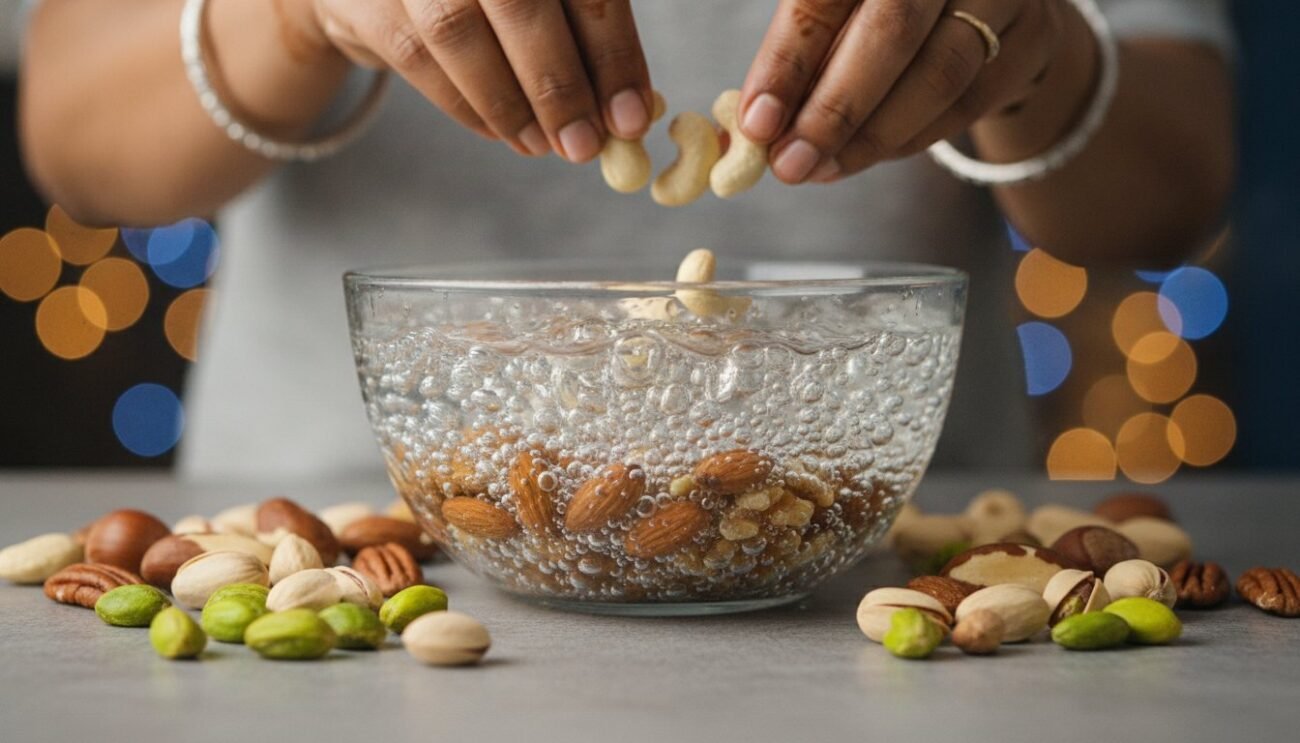

Why Nuts are the Ultimate Superfood for Your 2026 Fitness Journey
Welcome to the world of culinary therapy, where every ingredient is a tool for wellness and every meal is an opportunity for magic. In our 2026 fitness journey, we’re moving beyond fleeting trends and embracing timeless nutritional wisdom. At the heart of this revolution are the humble yet mighty nuts and seeds—nature’s most perfect, nutrient-dense packages of energy, protein, and flavor.
- Nutrient-Dense Powerhouses: Nuts and seeds are nature’s original superfoods, providing a concentrated source of essential fatty acids, high-quality plant-based protein, and dietary fiber that your body craves.
- The Science of Satiety: Ever wonder why a small handful of nuts feels so satisfying? They play a crucial role in regulating hunger hormones like ghrelin, helping you feel fuller for longer. This makes them a powerful ally in sustainable weight loss, preventing the energy crashes that lead to unhealthy snacking.
- Micronutrient Spotlight: Beyond the macros, nuts are brimming with essential micronutrients. Think Vitamin E, a potent antioxidant that bolsters your immune system, and Magnesium, a critical mineral for muscle recovery, nerve function, and energy production after a tough workout.
- The 2026 Nutrition Shift: Modern nutrition is shifting away from highly processed, ‘healthy’ packaged bars and back to whole, unprocessed foods. Nuts are the champions of this movement, offering pure, unadulterated goodness without hidden sugars or additives.
Protein Power: Nuts for the Indian Vegetarian Diet
For those on a vegetarian or plant-forward diet, getting enough high-quality protein can be a puzzle. Nuts are the missing piece, providing the building blocks for muscle, bone, and radiant skin. They are the perfect bridge between traditional Indian snacks and modern fitness fuel.
- Comparing Protein Profiles: While all nuts are protein-rich, they each offer unique benefits. Almonds are a lean protein source perfect for post-workout recovery, walnuts provide a boost of brain-healthy fats with their protein, and cashews offer a creamy texture along with essential minerals like copper and magnesium.
- The Millet-Nut Synergy: The true magic happens when you combine nuts with traditional Indian millets. Grains like Jowar and Bajra are rich in certain amino acids, and when paired with nuts, they create a complete amino acid profile, rivalling the protein quality of animal sources. This is the secret to building lean muscle on a vegetarian diet. Find out more in our ultimate vegetarian guide for muscle gain.
The Fiber Factor: Digestive Health and Weight Management
Fiber is the unsung hero of wellness, and nuts are packed with it. This isn’t just about regularity; it’s about transforming your metabolic health from the inside out.
- Fueling Your Gut Microbiome: The insoluble fiber in nuts acts as a prebiotic, feeding the beneficial bacteria in your gut. A healthy gut microbiome is linked to improved digestion, a stronger immune system, and even better mental clarity.
- Slow-Release Energy: The combination of fiber, protein, and healthy fats in nuts means they are digested slowly, providing a steady stream of energy. This makes them the ideal pre-workout snack, fueling your performance without the sugar spike and subsequent crash.
- The Thermic Effect of Food (TEF): Your body actually burns calories just to digest food. Whole nuts, with their complex structure of fiber and protein, have a high TEF, meaning you expend more energy breaking them down compared to processed snacks. It’s a small but significant metabolic advantage that adds up over time.
Choosing Your Magic: A Guide to Nut & Seed Varieties
Every nut and seed has its own unique personality and nutritional profile. Understanding these differences allows you to tailor your choices to your specific health goals, whether you’re boosting brain power, managing weight, or creating a dairy-free masterpiece in the kitchen.
- Almonds: The versatile, brain-boosting powerhouse. Rich in Vitamin E and monounsaturated fats, almonds are fantastic for cognitive function, making them a perfect snack for busy professionals and a great addition to your child’s tiffin.
- Walnuts: The undisputed Omega-3 champion. Shaped like a tiny brain, walnuts are packed with ALA, a plant-based omega-3 fatty acid crucial for heart health, reducing inflammation, and supporting hormonal balance.
- Pistachios: The low-calorie, high-antioxidant ‘skinny’ nut. Pistachios offer the most nuts-per-serving and are loaded with antioxidants like lutein and zeaxanthin, which are great for eye health. The act of shelling them also encourages mindful eating!
Don’t Forget the Seeds: Powerhouses in Tiny Packages
While nuts get much of the spotlight, seeds are equally magical. These tiny titans are nutritional giants, easy to incorporate, and bring their own unique set of benefits to your plate.
- Flaxseeds: These small brown seeds are the richest plant-source of omega-3s and are loaded with lignans, compounds that have been shown to support hormonal balance, making them a key food for managing conditions like PCOS. For maximum benefit, always consume them ground.
- Chia Seeds: An ancient superfood, chia seeds are a complete protein and are celebrated for their incredible ability to absorb liquid and form a gel. This soluble fiber powerhouse aids digestion, promotes hydration, and keeps you feeling full.
- Pumpkin Seeds: Don’t throw them out after carving! Pumpkin seeds (pepitas) are a fantastic source of magnesium for muscle health, zinc for immunity and skin clarity, and plant-based iron.
- Sunflower Seeds: Bright and cheerful, sunflower seeds are one of the best natural sources of Vitamin E, a powerful antioxidant that protects your cells from damage. They also provide a good dose of selenium, vital for thyroid function.
The Millet Connection: Pairing Nuts with Ragi and Jowar
In the Food Magic kitchen, we believe in synergy. Pairing the earthy goodness of millets with the rich texture of nuts creates meals that are not just healthy, but deeply satisfying and delicious.
- Elevate Your Ragi Malt: A simple bowl of Ragi malt is nourishing, but adding a handful of crushed walnuts transforms it. The walnuts add texture, healthy fats, and protein, slowing down the absorption of carbohydrates and keeping you energized all morning.
- The ‘Super-Tiffin’ Secret: For picky eaters, texture is everything. Create a delicious and nutrient-dense tiffin by combining Bajra flour with almond meal to make rotis or pancakes. This combination boosts the protein content and adds a subtle, nutty flavor kids love.
Exotic Additions: Brazil Nuts, Pecans, and Hazelnuts
Expand your nutty horizons with these delicious and nutritionally unique varieties.
- Brazil Nuts for Selenium: This is a true superfood. Just one Brazil nut per day can meet your entire daily requirement for selenium, a crucial mineral for thyroid health and immune function. Remember, moderation is key here!
- Hazelnuts in ‘Cake Therapy’: The deep, aromatic flavor of hazelnuts is perfect for gourmet, guilt-free baking. Ground hazelnuts can be used to create spectacular sugar-free cakes and cookies, adding moisture, protein, and an unforgettable taste.
- Pecans for Fiber: With their buttery flavor, pecans are a wonderful high-fiber addition to your morning oats, Dalia, or homemade granola, helping to support digestive health and keep you satisfied.
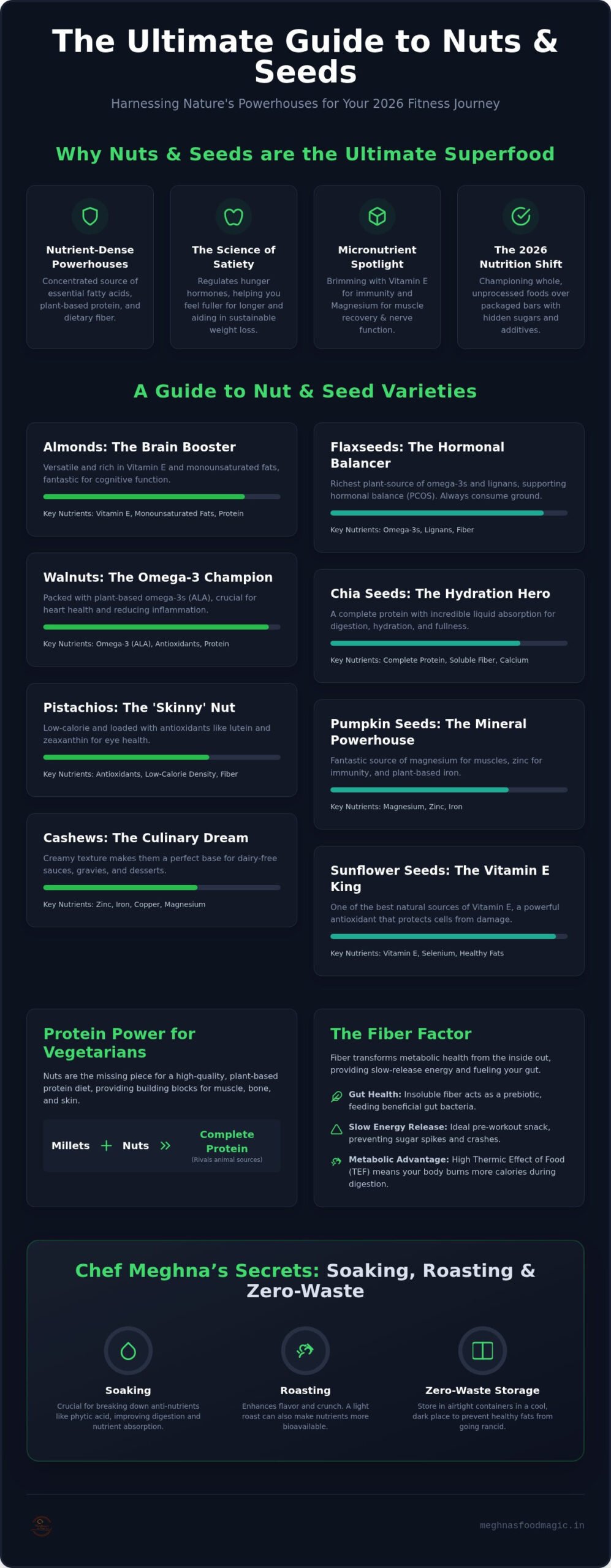
Chef Meghna’s Secrets: Soaking, Roasting, and Zero-Waste Storage
How you prepare your nuts and seeds is just as important as which ones you choose. The right techniques can unlock their full nutritional potential, improve digestibility, and enhance their natural flavor. This is where the real Food Magic begins.
- The Science of Soaking: Many nuts and seeds contain phytic acid, an anti-nutrient that can bind to minerals and hinder their absorption. Soaking neutralizes this compound, “activating” the nut and making its nutrients more bioavailable to your body.
- Air Frying vs. Deep Frying: Get that irresistible ‘Food Magic’ crunch without the excess oil! Roasting nuts in an air fryer enhances their flavor by lightly toasting their natural oils. It’s a far healthier and more flavorful alternative to deep-frying.
- Zero-Waste Wonder: Don’t discard the skins from soaked almonds or the fragments at the bottom of the bag! Collect them, dry them out, and blitz them in a grinder to create a nutritious ‘super-flour’ you can add to rotis, batters, or smoothies.
Chef Meghna’s Note: Always soak walnuts for at least 6 hours, or preferably overnight, in lukewarm water. This simple step is a game-changer; it helps remove the tannins in the skin, which can cause bitterness and digestive discomfort, revealing a sweeter, creamier nut.
Digestion and Bioavailability: Why Preparation is Everything
The concept of “activated” nuts isn’t a modern fad; it’s an ancient wisdom rooted in traditional Indian and Ayurvedic practices. Proper preparation ensures you get the maximum benefit from every single nut.
- The ‘Why’ Behind Peeling Almonds: The brown skin of almonds contains tannins, which can interfere with protein digestion for some people. Soaking makes the skins easy to slip off, resulting in a smoother, more digestible almond that’s perfect for sensitive stomachs.
- Quick Reference Soaking Guide:
- Hard Nuts (Almonds): 8-12 hours
- Medium Nuts (Walnuts, Pecans, Hazelnuts): 6-8 hours
- Soft Nuts (Cashews, Pistachios): 2-4 hours (do not over-soak)
- Seeds (Pumpkin, Sunflower): 4-6 hours
- Special Seeds (Chia, Flax): These don’t need traditional soaking. Chia forms a gel in 15-20 minutes, while flax is best ground just before use.
Zero-Waste Kitchen: Repurposing and Storing
A smart kitchen is a sustainable kitchen. With a few simple strategies, you can extend the life of your nuts and ensure nothing goes to waste.
- Long-Term Storage Secrets: Nuts are rich in oils, which can go rancid when exposed to heat, light, and air. For long-term storage (6+ months), keep them in an airtight container in the refrigerator or freezer. For short-term use, a cool, dark pantry is sufficient.
- Repurpose Nut Milk Pulp: Making homemade almond or cashew milk? The leftover pulp is pure fiber and protein! Don’t throw it away. Add it to your high-protein Chilla batter, mix it into oatmeal, or use it to make energy bites.
Nuts & Seeds for Specific Health Goals: Weight Loss, PCOS, and Fitness
Once you’ve mastered the basics, you can use nuts and seeds strategically to target specific health and wellness goals, turning your daily snack into a powerful therapeutic tool.
- PCOS Diet Ally: For those managing PCOS, balancing insulin levels is key. The healthy fats, fiber, and protein in walnuts, almonds, and flaxseeds help slow down sugar absorption, preventing insulin spikes. Explore more in our Indian woman’s guide to a PCOS diet.
- Fuel for Muscle Gain: To build lean muscle, you need protein and healthy calories. Incorporating nut butters into high-protein millet smoothies or post-workout shakes is an easy and delicious way to meet your macros.
- Weight Loss Wisdom: The ‘Handful’ Rule: Portion control is essential. A closed handful (about 25-30 grams) is the perfect serving size. This simple trick helps you reap the benefits without tipping into a calorie surplus.
- Anti-Inflammatory Action: Intense fitness sessions can cause inflammation. The omega-3s in walnuts and flaxseeds, along with the antioxidants in most nuts, help combat this inflammation, speeding up recovery and reducing muscle soreness.
Managing PCOS and Hormonal Balance
A well-planned diet can make a world of difference in managing PCOS symptoms. Nuts and seeds are non-negotiable in a hormone-balancing kitchen.
- The Role of Zinc and Magnesium: Nuts like cashews and seeds like pumpkin seeds are rich in Zinc, which is vital for skin health and regulating menstrual cycles. Magnesium, found abundantly in almonds, helps improve insulin sensitivity.
- Pistachios for Cravings: The combination of fiber, protein, and healthy fats in pistachios makes them the perfect snack for managing the intense cravings often associated with PCOS.
- Flaxseeds for Hormonal Harmony: The lignans in flaxseeds are particularly beneficial for balancing estrogen levels, making them a must-have addition to your daily diet. Simply sprinkle a tablespoon of ground flaxseed over your yogurt, dal, or smoothies.
Fitness Fuel: Pre and Post-Workout Nut Strategies
Timing your nutrition around your workouts can dramatically improve performance and recovery.
- Pre-Workout Power: For a quick, natural energy spike before a workout, nothing beats the combination of dates and nuts. For sustained energy for longer sessions, a simple chia seed pudding offers slow-release carbs and hydration.
- Post-Workout Repair: After a workout, your muscles are screaming for protein to repair and rebuild. Pairing a handful of nuts with a protein source like Moong dal or a scoop of paneer creates a powerful combination for muscle tissue synthesis.
- Homemade Trail Mix: Ditch the sugary commercial protein bars. Craft your own trail mix with a blend of almonds, walnuts, pumpkin seeds, and a few raisins for a perfectly balanced, clean, and effective recovery snack.
Culinary Therapy: Nut-Rich Recipes from Chef Meghna’s Kitchen
Now it’s time to bring all this knowledge into the kitchen! Nuts and seeds are incredibly versatile, ready to transform your meals from simple to spectacular, from everyday to gourmet.
- Cake Therapy: Embrace guilt-free baking by using almond flour and a touch of jaggery. This combination creates cakes that are dense, moist, and packed with protein and fiber, proving that healthy can be utterly decadent.
- Air Fryer Magic: Say goodbye to fried Namkeen. Spiced roasted nuts and seeds are a fantastic, healthy alternative. Toss cashews, almonds, or pumpkin seeds with your favorite spices and air fry for a few minutes for a crunchy, addictive snack.
- The Millet-Nut Porridge: Start your day with a high-protein breakfast that will keep you full and focused until lunch. A simple porridge made from ragi or bajra, fortified with mixed nut powder and topped with chia seeds, is the ultimate power breakfast.
Chef Meghna’s Note: When roasting nuts or seeds, always add a pinch of sea salt, even if you’re making a sweet snack. Salt is a natural flavor enhancer that helps to draw out and intensify the nuts’ natural oils and deepens their roasted, aromatic flavor profile.
Guilt-Free Desserts: The Cake Therapy Collection
Baking is a form of therapy, and with the right ingredients, it can be a nourishing one too.
- Flourless Wonders: Replace refined flour (maida) with finely ground nut meals like almond or hazelnut flour. This not only makes your bakes gluten-free but also adds a rich texture, moisture, and a serious dose of protein and healthy fats.
- Sugar-Free Date and Walnut Loaf: A timeless classic and a favorite in health-conscious families. The natural sweetness of dates combined with the earthy crunch of walnuts creates a perfectly balanced loaf that needs no added sugar.
Quick Bites: Air Fryer and Tea-Time Snacks
Elevate your snack game with these simple, creative, and nutritious ideas.
- 10-Minute Peri-Peri Cashews: The ultimate air fryer recipe for unexpected guests. Toss raw cashews in a bit of oil and peri-peri seasoning, and air fry for 8-10 minutes until golden. It’s quick, impressive, and irresistibly delicious.
- Nut-Loaded Chutneys: Add a new dimension to your daily Idli or Dosa by blending a handful of roasted peanuts, cashews, or even sunflower seeds into your chutneys. This adds a wonderful creamy texture and a boost of protein.
- Tiffin Transformation: Ensure your kids get their daily dose of minerals by incorporating nut and seed butters into their tiffin. A thin layer of almond or sunflower seed butter in a roti wrap is a simple way to add powerful nutrition to their lunch.
Frequently Asked Questions (FAQs)
- Which nut is best for weight loss in a vegetarian diet?
- Pistachios are often called the ‘skinny’ nut because they are lower in calories and fat than many other nuts. Almonds are another excellent choice due to their high protein and fiber content, which promotes satiety and helps control appetite.
- How many nuts should I eat daily to see health benefits?
- A general guideline is a closed handful, which is about 25-30 grams or roughly 1/4 cup. This amount provides a good dose of nutrients without adding excessive calories to your diet.
- Are seeds as healthy as nuts, and how should I use them?
- Yes, seeds are nutritional powerhouses, just like nuts! They offer similar benefits like healthy fats, fiber, and protein, but often excel in specific nutrients. For example, flax and chia seeds are omega-3 champions, while pumpkin seeds are zinc superstars. Use them by sprinkling on salads, blending into smoothies (ground flax is best), making chia pudding, or adding them to your daily porridge.
- Can nuts cause weight gain if eaten every day?
- Any food can cause weight gain if consumed in excess. Nuts are calorie-dense, so portion control is key. Sticking to the recommended handful per day allows you to enjoy their health benefits as part of a balanced diet without leading to weight gain.
- What is the best way to store nuts to prevent them from going rancid?
- Due to their high oil content, nuts can spoil. Store them in an airtight container in a cool, dark place like your pantry for short-term use. For long-term storage, the refrigerator or freezer is the best option to maintain freshness.
- Are roasted nuts as healthy as raw nuts?
- Both are healthy choices. Raw nuts retain all their nutrients perfectly. Dry roasting (without oil) can slightly decrease the concentration of some heat-sensitive vitamins but also enhances flavor and can make them easier to digest. The key is to avoid nuts roasted in unhealthy industrial oils or coated in sugar.
- How can I include nuts in my child’s tiffin without them being a choking hazard?
- For young children, whole nuts can be a choking hazard. Instead, use nut or seed powders mixed into their porridge or chapati dough, a thin spread of smooth nut/seed butter in a roti, or finely crushed nuts sprinkled over yogurt.
Disclaimer
This is a recipe food blog page and not nutrition or doctor and hence do not claim to cure any illness. If you have specific health issues please consult a qualified doctor or certified nutritionist.
I do consult experts, research Internet and at times seek help from Gemini to collect relevant information to put together some of these blogs.

