
Nutritious Vrat Recipes for Healthy Weight Loss
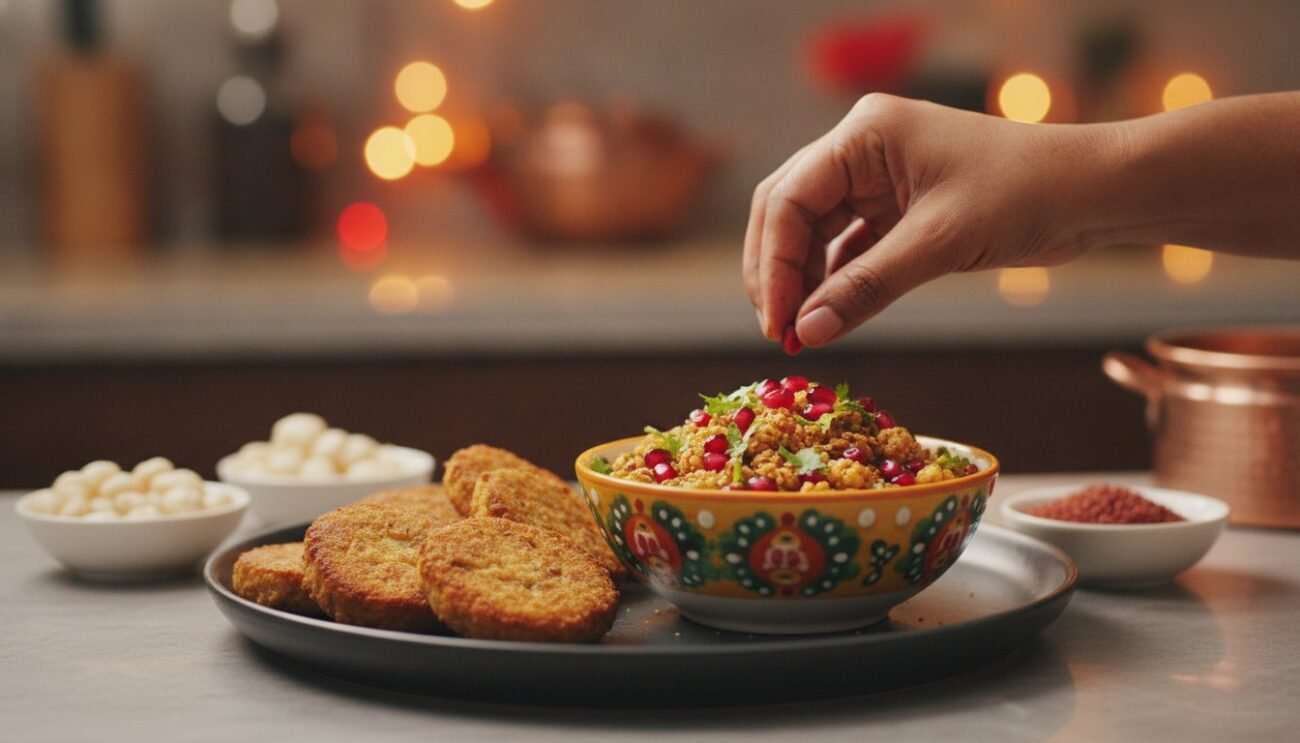
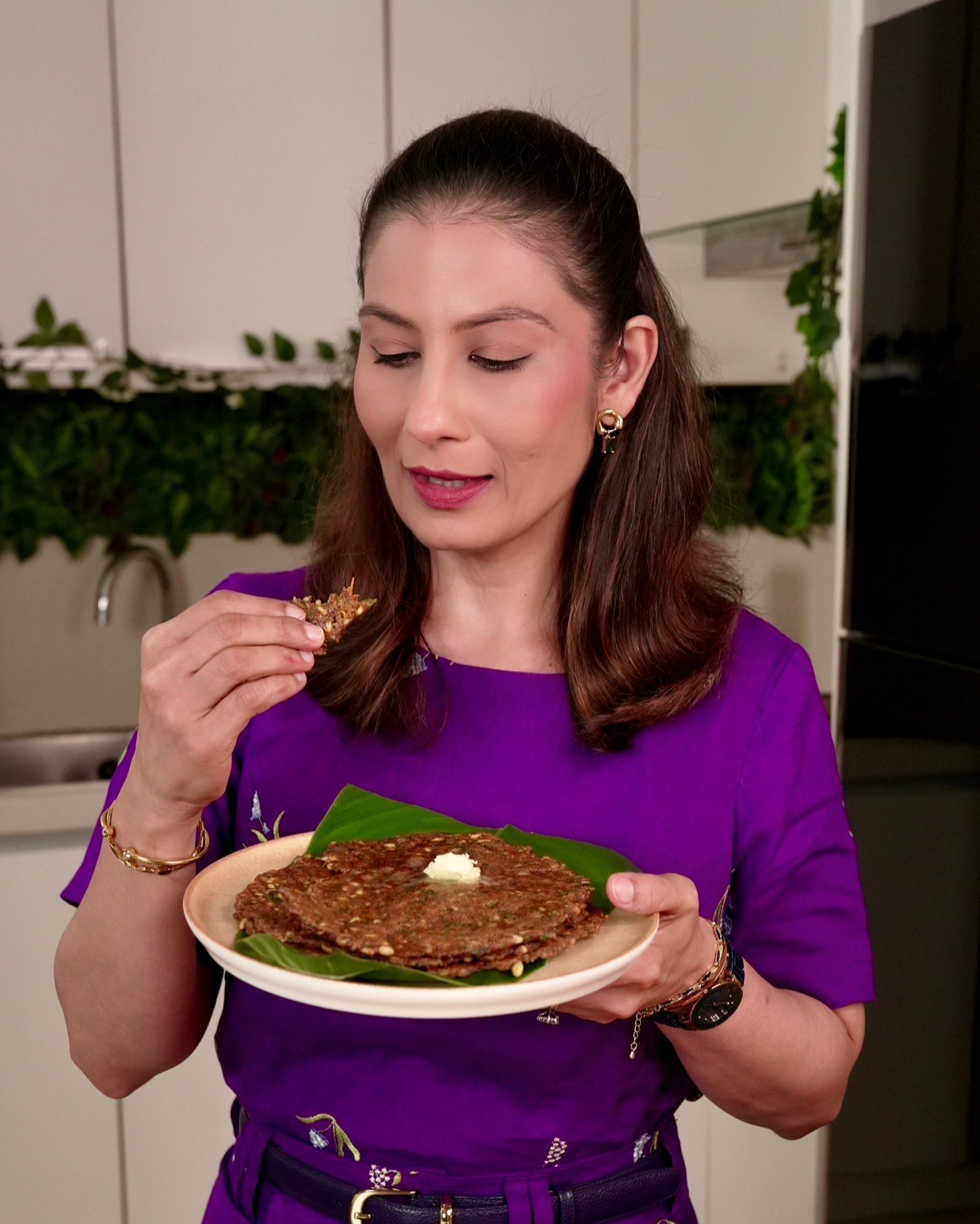
What if your traditional fasting period wasn’t just a spiritual ritual, but a vibrant metabolic reset that actually helps you shed those extra pounds? Most of us associate Vrat with feeling heavy after too many fried potatoes or sluggish from a plate of sugary sabudana. It’s frustrating when you’re trying to be mindful, yet you end up feeling more lethargic than when you started. That’s why shifting your focus to healthy fasting recipes for weight loss is a total game-changer for your wellness journey.
I believe that wellness and enjoyment should always go hand in hand. In this guide, I’m going to show you how to transform your kitchen into a space of culinary therapy, using nutrient-dense ingredients like Rajgira and Makhana to keep your energy levels soaring. We’ll explore high-protein, low-calorie meals that satisfy your cravings while keeping you in a healthy deficit. I’ll also share expert tips on using your air fryer to cut down on oil without losing that satisfying crunch. Get ready to discover how light, flavorful, and joyful your fasting meals can truly be.
Key Takeaways
- Learn how to identify and avoid the “Fasting Paradox” by swapping calorie-dense starches for light, protein-rich alternatives that prevent energy crashes.
- Discover the nutritional benefits of Rajgira and Makhana, two gluten-free superfoods that support muscle maintenance and keep you satiated for longer.
- Master the art of crafting healthy fasting recipes for weight loss using modern tools like the air fryer to reduce oil consumption by up to 80%.
- Explore specific, high-protein recipes including Roasted Makhana Chaat and Air-Fried Rajgira Cutlets for a flavorful, deficit-friendly fasting period.
- Gain professional insights from Chef Meghna on meal prepping and understanding the Ayurvedic roots of Vrat ingredients to maintain consistent energy levels.
The Fasting Paradox: Why Traditional Vrat Food Often Leads to Weight Gain
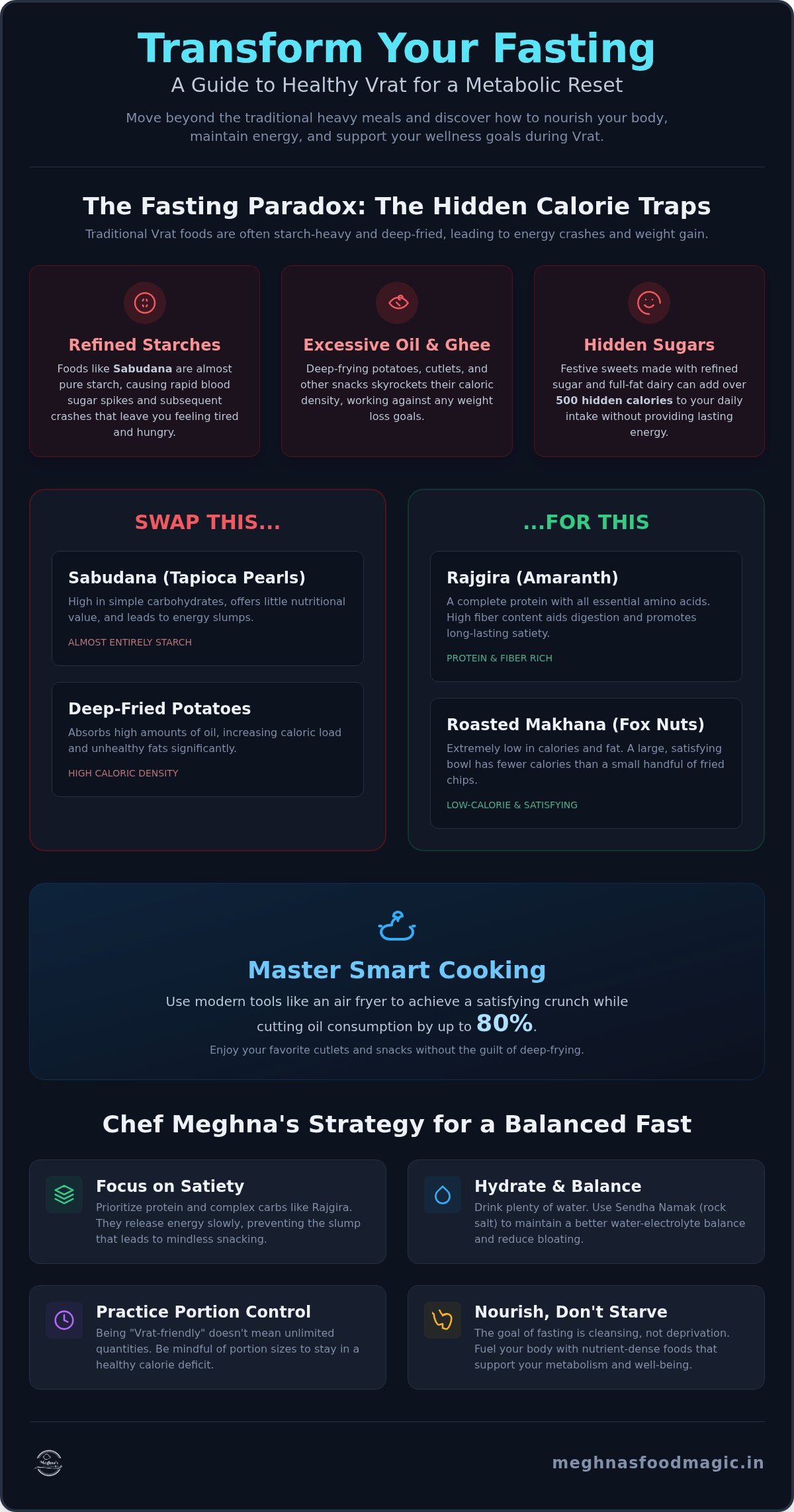
It’s a curious thing, isn’t it? We set out with intentions of spiritual clarity and physical lightness during our pious observances, yet many of us find the scale ticking upwards by the end of the week. This is what I call the fasting paradox. Traditional Vrat food has slowly evolved into a collection of deep-fried farsan and starch-heavy meals that act as a hidden calorie trap. When you swap your regular balanced meals for sabudana khichdi loaded with peanuts and oil, or crispy potato chips, you’re actually stalling your progress. Shifting your mindset toward healthy fasting recipes for weight loss isn’t just about restriction; it’s about choosing ingredients that honor your body’s needs and keep your metabolism firing.
Refined carbohydrates like Sabudana (tapioca pearls) are almost entirely starch. They cause rapid blood sugar spikes, followed by an inevitable crash that leaves you feeling shaky, irritable, and hungry just two hours later. This cycle of insulin spikes makes it nearly impossible for your body to tap into fat stores for energy. To maintain a steady metabolism, you must focus on fiber and hydration. Drinking enough water and choosing high-fiber seeds like Rajgira helps flush out toxins and keeps your digestion moving, which is essential when your usual routine is disrupted. It’s time to move away from the idea of “starving” and embrace the concept of “nourishing” your body with intent.
Common Mistakes in the Vrat Kitchen
We often fall into the trap of over-reliance on potatoes because they’re familiar and easy to prepare. However, when they’re deep-fried or sautéed in excessive ghee, their caloric density skyrockets. Another silent culprit is the “Prasad” or festive desserts. Using full-fat dairy and refined sugar in kheer or halwa can easily add 500 hidden calories to your day. It’s also common to ignore portion control because the food is “allowed” for fasting. If you’re looking for inspiration on how to balance your plate, you can find many ideas in my weight loss collection. Remember, even “pure” food needs to be eaten in moderation.
The Science of Satiety During Fasts
True satiety comes from a thoughtful balance of protein and complex carbohydrates. Protein-rich seeds like Rajgira (Amaranth) and various nuts provide the building blocks your muscles need while keeping you full for hours. Unlike simple starches, complex carbohydrates release energy slowly, preventing that mid-afternoon slump that leads to mindless munching. Even your choice of salt matters; Sendha Namak (rock salt) is preferred during fasts because it’s less processed and helps maintain a better water-electrolyte balance in the body, reducing bloating. For those starting their journey, I highly recommend checking out the Get Fit With Meghna series for more practical fitness tips.
Nutrient-Dense Superfoods for Your Weight Loss Fast
Once you understand the hidden traps of traditional fasting foods, the next step is to fill your pantry with ingredients that work for your body, not against it. Realizing how intermittent fasting works at a cellular level reveals that your body enters a state of metabolic switching, where it begins to burn fat for fuel. To support this process, you need healthy fasting recipes for weight loss that prioritize high protein and fiber over simple starches. Choosing the right superfoods ensures you stay energized and satisfied without the dreaded calorie surplus.
Why Rajgira is Better Than Sabudana
If you’re looking to maintain muscle while losing weight, Rajgira (Amaranth) is your best friend. Unlike Sabudana, which is almost entirely carbohydrate, Rajgira is a rare plant-based source of complete protein, containing all nine essential amino acids. This nutritional depth is why I always recommend it for a “Get Fit” lifestyle. The high fiber content in Rajgira doesn’t just aid digestion; it slows down the absorption of sugar, preventing the hunger pangs that usually lead to overeating. You can use Rajgira flour to make fluffy, oil-free rotis or even a savory porridge, making it incredibly versatile for any meal of the day.
The Power of Makhana for Weight Loss
Makhana, or foxnuts, are a miracle for anyone who struggles with mindless munching during a fast. Their secret lies in their low caloric density; you can enjoy a massive bowl of roasted makhana for a fraction of the calories found in a handful of fried potato chips. Beyond just being light, these seeds possess anti-inflammatory properties and help detoxify the spleen and kidneys. Makhana serves as a low-GI superfood for weight loss that prevents sharp insulin spikes while providing sustained energy throughout your fast. To see how I transform these into crunchy delights, you can explore my creative snack ideas on my YouTube channel.
Don’t overlook Singhara (Water Chestnut) and healthy fats. Singhara flour is naturally cooling and rich in potassium, which helps balance the sodium levels and prevents water retention. When you combine this with small portions of peanuts or melon seeds, you’re providing your brain with the essential fats it needs to stay sharp. These fats are crucial because they signal to your brain that you’re full, effectively curbing the urge to binge on sugary Vrat desserts. By focusing on these nutrient-dense powerhouses, you turn your fasting period into a genuine healing experience for your body.
Smart Cooking Techniques: Cutting Oil Without Losing Flavour
Who doesn’t love the satisfying, golden crunch of a traditional Vrat snack? For years, the only way to achieve that shatter-crisp exterior was deep-frying, but we are currently living through a culinary revolution that allows us to keep the texture without the heavy oil. Mastering a few smart cooking techniques is the most effective way to enjoy healthy fasting recipes for weight loss while keeping your meals vibrant and light. According to research on intermittent fasting, the nutritional quality of what you eat during your window is vital for metabolic health, making these low-oil methods essential for your success.
Mastering the Air Fryer for Vrat
The air fryer is a total game-changer for anyone looking to lose weight during their fast. It works by circulating high-speed hot air, which mimics the effect of hot oil to create a crispy crust. To get the perfect “Vrat Cutlet,” you must preheat your machine for at least five minutes; this ensures the moisture on the surface of your Rajgira patties evaporates instantly, preventing sogginess. While ghee is a staple for its aroma, you only need to use it sparingly with a brush or a fine spray. In my zero-waste kitchen, I even save any tiny crispy bits that fall through the basket to garnish a cooling cucumber raita later in the day.
The Art of Slow Roasting
Slow roasting is a beautiful form of culinary therapy that transforms humble seeds into gourmet snacks. When you roast Makhana on a very low flame for about 10 minutes, the moisture is pulled from the core, ensuring they stay crispy for days in an airtight container. This is also the perfect time to dry roast your spices like cumin and black pepper. Heat unlocks the essential oils within these spices, making their flavor far more potent and sophisticated than if they were added raw. For more step-by-step guidance on these methods, you can explore my Airfryer recipes playlist for endless inspiration.
Beyond the crunch, don’t underestimate the power of steaming and high-quality non-stick cookware. Steaming Samvat (Barnyard Millet) preserves its delicate structure, keeping the grains separate and fluffy rather than turning them into a heavy mash. By using a reliable non-stick pan, you can prepare a rich, flavorful khichdi with just a teaspoon of ghee. These small shifts in technique allow you to maintain a healthy deficit while still celebrating the joy of a well-cooked meal.
Chef Meghna’s Notes
If you find your air-fried snacks are looking a bit pale, a tiny pinch of turmeric or a light brush of peanut oil can help them brown more evenly. For the crispest Makhana, never crowd the pan; roasting in small batches ensures every seed gets equal heat. If your roasted spices lose their aroma, a quick 30-second toss on a hot tawa will wake those flavors right back up before you grind them.
3 Specific Healthy Fasting Recipes for Weight Loss
Transforming your kitchen into a sanctuary of wellness starts with moving away from guesswork and embracing precision. I’ve designed these three healthy fasting recipes for weight loss to ensure you never have to choose between your fitness goals and the joy of a delicious meal. By focusing on high-protein grains and smart cooking methods, we can turn traditional Vrat ingredients into a powerful toolkit for your weight loss journey. Let’s dive into these vibrant, nutrient-dense creations that bring a touch of culinary therapy to your fasting days.
Recipe 1 & 2: Snack and Light Lunch
For that mid-afternoon energy dip, my Roasted Makhana Chaat is the ultimate solution. You’ll need 2 cups of Makhana, 1 tsp of Ghee, 1/2 tsp of Sendha Namak, and 1/4 tsp of Black Pepper. Start by dry roasting the Makhana in a heavy-bottomed pan until they’re perfectly crunchy. Only then, toss them in the ghee and spices; this ensures the seasoning sticks without the seeds soaking up excess fat. It’s a high-fiber, low-calorie snack that keeps your hands busy and your stomach satisfied.
When lunch rolls around, these Air-Fried Rajgira & Peanut Cutlets provide the protein punch you need. Mix 1 cup of Rajgira flour with 2 small boiled and mashed potatoes, 1/2 cup of crushed roasted peanuts, and finely chopped green chillies. Shape them into small patties and air-fry at 180°C for 15 minutes until they’re golden brown. The peanuts add a wonderful texture and essential healthy fats that keep your brain sharp throughout the day.
Recipe 3: The Wholesome Dinner
Dinner should be light yet healing, and my Vegetable-Loaded Samvat Khichdi is exactly that. Take 1/2 cup of Samvat rice (soaked for 30 minutes) and 1.5 cups of water. Heat a teaspoon of ghee in a pressure cooker and temper 1 tsp of cumin seeds. Add 1/2 cup of finely chopped carrots and cucumber for a refreshing crunch, then stir in the soaked rice and water. Pressure cook for exactly 2 whistles. This meal is incredibly easy on the digestive system while providing the complex carbs needed for a restful night’s sleep.
Chef Meghna’s Strategy for a Balanced Fasting Lifestyle
Fasting is much more than a dietary pause; it’s a profound act of self-care that aligns your body with its natural rhythms. The Ayurvedic roots of Vrat food emphasize sattvic ingredients because they’re pure, cooling, and easy for the gut to process during a metabolic reset. When you view your kitchen as a space for culinary therapy, the act of preparing healthy fasting recipes for weight loss becomes as rewarding as the results you see on the scale. I often call this “Cake Therapy” for the soul. While we aren’t eating actual cake, we’re treating our bodies with the same love and intention we’d put into a celebratory dessert, proving that wellness and joy are never mutually exclusive.
Consistency is the secret ingredient to any successful transformation. Meal prepping is your best defense against the hunger pangs that lead to poor choices. I recommend roasting a large batch of Makhana or prepping your Rajgira dough over the weekend so you’re never more than five minutes away from a nutritious meal. When you make these dishes flavorful and vibrant, you’ll find your family naturally wants to join the journey. Sharing a light, vegetable-loaded Samvat khichdi becomes a communal celebration of health rather than a solitary restriction.
Beyond the Plate: The Lifestyle Shift
True weight management happens when you look beyond the plate. Integrating light movement, such as gentle yoga or a brisk 20-minute walk, helps maintain muscle tone without overtaxing your system during a fast. Sleep is equally critical; current research indicates that quality rest is essential for regulating hunger hormones like ghrelin and leptin. If you’re following a time-restricted feeding schedule, aim for an earlier eating window, perhaps starting around 8 or 10 AM, to align with your body’s circadian rhythm. Remember that it can take two to four weeks for your body to fully adapt to a new fasting routine, so be patient and kind to yourself during this transition.
Join the Magic: Resources for Your Fitness Goals
Your journey doesn’t have to end when the fasting period is over. You can explore the Get Fit With Meghna playlist for year-round inspiration on staying active and eating well. For daily culinary ideas that prioritize high-protein, vegetarian options, my free digital recipe database is always available to guide you. Wellness is a celebration, not a restriction, and every healthy choice you make is a step toward a more vibrant version of yourself.
Chef Meghna’s Notes
When you’re ready to transition back to a regular diet, don’t rush into heavy, greasy foods. Start by introducing small portions of cooked lentils or steamed vegetables to avoid a “rebound” weight gain. If you find yourself feeling particularly lethargic, increase your intake of coconut water or lemon water with a pinch of Sendha Namak to replenish your electrolytes instantly. Always listen to your body; if a certain grain feels heavy, try soaking it for a few extra hours next time to improve its digestibility.
Embrace a Lighter and More Vibrant Vrat
Fasting is an incredible opportunity to reset your relationship with food while honoring your spiritual traditions. By shifting from calorie-heavy fried snacks to healthy fasting recipes for weight loss, you turn every meal into a purposeful step toward your fitness goals. We’ve explored how superfoods like Rajgira provide the essential protein needed for muscle maintenance and how modern tools like the air fryer deliver that perfect crunch with 80% less oil. You’ve seen that mindfulness and simple meal prepping can prevent energy crashes while keeping your metabolism firing throughout the day.
Join thousands of fitness enthusiasts who are already transforming their lives through my Get Fit playlist. You’ll gain access to over 100 high-protein vegetarian recipes and free expert culinary tips that make your wellness journey feel effortless and exciting. This is your invitation to a space where nutrition meets joy and every dish is an act of self-care.
You deserve to feel energetic, satisfied, and proud of your progress during your Vrat. Let’s make this fasting season a true celebration of your health and a beautiful testament to your commitment to wellness.
Frequently Asked Questions
Is Sabudana good for weight loss during fasting?
Sabudana is not ideal for weight loss because it’s almost entirely refined starch with very little fiber or protein. While it’s a traditional favorite, it causes rapid blood sugar spikes that lead to energy crashes and increased hunger. If you’re looking for healthy fasting recipes for weight loss, it’s much better to swap sabudana for nutrient-dense options like Rajgira or Samvat rice. These alternatives provide more sustained energy and help you stay in a healthy calorie deficit.
How can I get enough protein while fasting on a vegetarian diet?
You can easily meet your protein needs by incorporating high-protein vegetarian recipes into your fasting window. Focus on Rajgira, which is a rare plant-based complete protein, and combine it with crushed peanuts or melon seeds. Including low-fat paneer, Greek yogurt, or a bowl of spiced curd also helps maintain muscle mass while you shed pounds. These additions ensure you stay satiated for hours, preventing the muscle loss often associated with poorly planned fasting diets.
Can I eat fruits while trying to lose weight during Vrat?
Yes, you can enjoy fruits, but it’s important to choose those with a lower glycemic index to support your weight loss goals. Opt for fiber-rich choices like apples, pears, and berries rather than high-sugar options like mangoes or grapes. Fruits provide essential vitamins and vital hydration, but keep an eye on your portions. Pairing a small apple with a few almonds is a great way to balance natural sugars and stay energized without a sharp insulin spike.
Which flour is best for weight loss: Rajgira, Singhara, or Kuttu?
Rajgira is generally the best choice for weight loss because of its superior protein and fiber profile. While Singhara flour is cooling and rich in potassium, it has a higher starch content. Kuttu, or Buckwheat, is another excellent option as it’s a complex carbohydrate that keeps you full for longer. I often suggest a blend of Rajgira and Kuttu to get the benefits of both, ensuring your rotis or parathas are light, nutritious, and incredibly satisfying.
How much Sendha Namak should I consume while fasting?
You should consume Sendha Namak in moderation, just as you would regular table salt. While it’s less processed and contains more trace minerals, excessive intake can still lead to water retention and bloating. Aim for about one teaspoon throughout the day across all your meals. Using this natural rock salt helps maintain your electrolyte balance during a fast, which is crucial for preventing the headaches and fatigue that sometimes accompany a significant metabolic reset.
What are some healthy alternatives to deep-fried potato chips for fasting?
Roasted Makhana is the perfect crunchy alternative to deep-fried chips. It’s low in calories and high in fiber, making it a volume-eater’s dream. You can also try air-fried sweet potato wedges or cucumber slices sprinkled with a little cumin and Sendha Namak. These swaps give you the satisfying texture you crave without the inflammatory oils found in processed snacks. Exploring healthy fasting recipes for weight loss often reveals that the best snacks are the simplest, whole-food ones.
Can I drink tea or coffee while following a weight loss fasting plan?
You can certainly enjoy tea or coffee, but the key is to avoid refined sugar and heavy cream. Stick to black coffee, green tea, or masala chai with a small splash of low-fat milk and a natural sweetener like stevia if needed. These beverages can actually boost your metabolism and help suppress appetite during your fasting window. Just be mindful of your caffeine intake late in the day, as quality sleep is vital for regulating hunger hormones.
What should I eat for dinner to avoid feeling bloated the next morning?
To avoid morning bloating, opt for a light and easily digestible dinner like Samvat rice khichdi with plenty of bottle gourd or carrots. Avoid heavy, fat-rich meals or excessive dairy late at night, as these take much longer to process. A warm, spiced soup made from Singhara or pumpkin is another soothing option for a restful night. Eating your last meal at least two to three hours before bed allows your digestive system to rest effectively.
Disclaimer
This is a recipe food blog page and not nutrition or doctor and hence do not claim to cure any illness. If you have specific health issues please consult a qualified doctor or certified nutritionist.
I do consult experts, research Internet and at times seek help from Gemini to collect relevant information to put together some of these blogs.

