
Protein Rich Breakfast for Vegetarians: 15+ Flavorful Ideas to Fuel Your Day
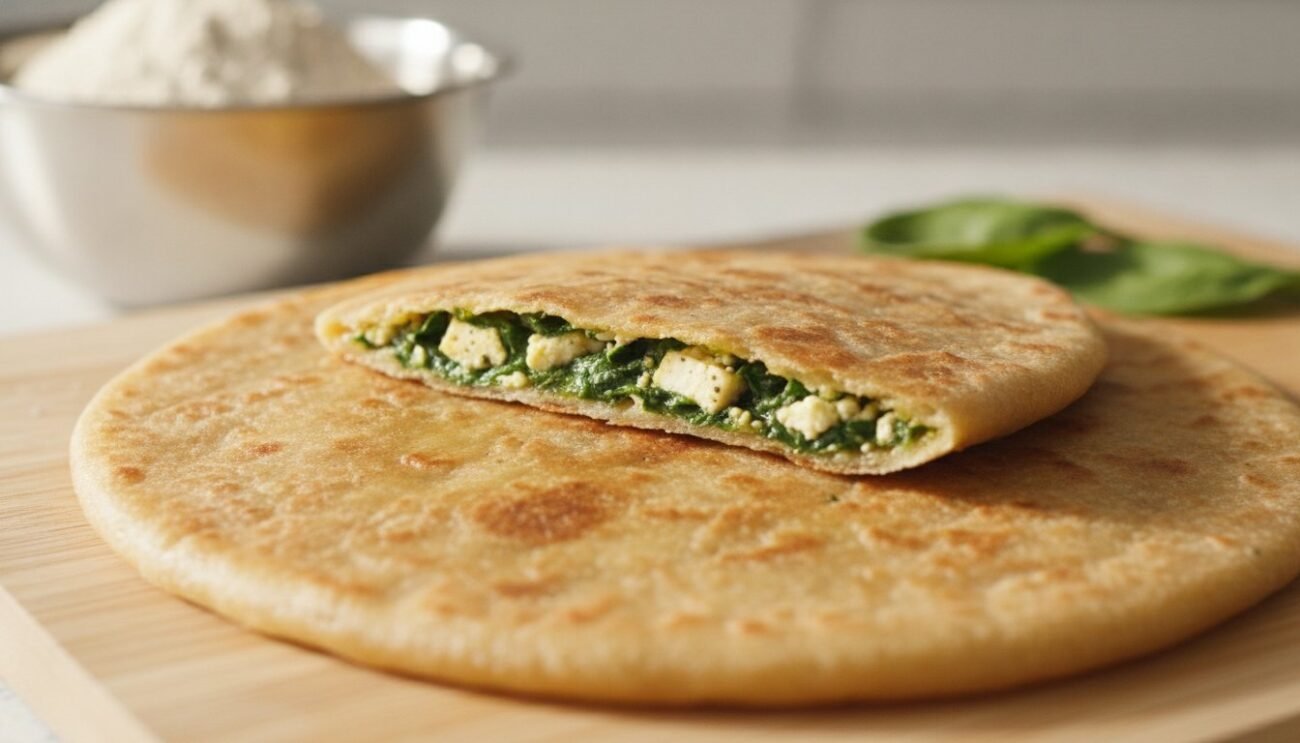
Why a Protein-Rich Breakfast is Your Morning ‘Food Magic’
Imagine starting your day not with a frantic rush, but with a moment of pure, delicious intention. A breakfast that doesn’t just fill you up, but genuinely fuels you, keeping you vibrant and focused long past noon. This isn’t a fantasy; it’s the simple, transformative power of a protein-rich vegetarian breakfast. For too long, vegetarian mornings have been dominated by carbohydrates, leading to that all-too-familiar mid-day energy crash. But we’re here to change that narrative. This is about reimagining your plate and discovering the culinary magic that happens when you prioritize protein.
- The Science of Satiety: Protein is the undisputed champion of keeping you full and satisfied. It stabilizes blood sugar, preventing the sharp spikes and subsequent crashes caused by carb-heavy meals. The result? Sustained energy and a clear mind, all morning long.
- Moving Beyond ‘Just Carbs’: We’re shifting the focus from a plate of poha or toast to a balanced masterpiece. By incorporating lentils, paneer, and ancient grains, we create a meal with superior macros that supports everything from muscle maintenance to metabolic health.
- The ‘Culinary Therapy’ Perspective: Taking a few moments to prepare a nourishing, self-made meal is a profound act of self-care. It’s a mental win before your day has even truly begun, setting a positive, mindful tone.
- Why 2026 is the Year of the ‘Protein-First’ Lifestyle: As we become more attuned to our bodies’ needs, the understanding that protein is the foundational building block for a healthy life is taking center stage. It’s no longer just for athletes; it’s for anyone who wants to live a more energetic and resilient life.
The Bioavailability Factor for Vegetarians
Understanding how your body uses protein from plant sources is key to unlocking its full potential. It’s not just about how much protein you eat, but how effectively your body can absorb and utilize it.
- Complete vs. Incomplete Proteins: Animal proteins are ‘complete,’ meaning they contain all nine essential amino acids. Most plant proteins are ‘incomplete,’ lacking one or more. But this isn’t a problem; it’s a beautiful puzzle to solve in your kitchen!
- The Magic of Food Pairing: The secret is combining different plant foods. Pairing grains (like rice or roti) with legumes (like dal or beans) creates a complete amino acid profile, giving your body everything it needs. Think of it as a delicious nutritional synergy.
- Why Whole Foods are Superior: While protein powders have their place, the real magic lies in whole foods. Ingredients like Moong Dal, Paneer, and sprouts offer not just protein, but also fiber, vitamins, and minerals that work together to nourish you. They are nature’s original, perfectly balanced supplements.
Setting Your Kitchen for Success
A well-stocked pantry is your secret weapon for crafting effortless, high-protein breakfasts. When you have the right ingredients on hand, a nutritious meal is never more than a few minutes away.
- Essential Pantry Staples: Your journey begins with a few key players. Stock up on Besan (chickpea flour), Sattu (roasted gram flour), a variety of dals (especially Moong), and ancient grains like Bajra, Jowar, and Ragi. These are the versatile foundations of countless flavorful meals.
- The Power of Soaking: Soaking pulses and legumes overnight isn’t just an old wives’ tale. It dramatically improves their digestibility, neutralizes anti-nutrients, and makes their protein more bioavailable. It’s a simple, passive step that supercharges your ingredients.
- Your Culinary Guide: To make this journey even easier, we’ve built a comprehensive resource for you. The free recipe database at Meghna’s Food Magic is your guide to mastering these ingredients with hundreds of tried-and-tested recipes.
Ancient Grains and Pulses: The Ultimate Protein Powerhouses
Let’s turn to the heart of the traditional Indian kitchen—the humble yet mighty grains and pulses. These ingredients are nutritional goldmines, packed with the protein and fiber needed for sustained morning energy. They are the time-tested secret to a breakfast that is both grounding and energizing.
- Moong Dal: This versatile ‘superfood’ is the star of the vegetarian protein world. It’s light on the stomach yet incredibly high in protein, making it perfect for everything from savory crepes to hearty porridges.
- Millets (Ragi, Jowar, Bajra): Don’t overlook these ancient grains! They are gluten-free, rich in fiber, and offer a robust protein profile that provides slow-releasing energy to power you through the most demanding mornings.
- Sattu: Often called the ‘poor man’s protein,’ Sattu is, in fact, a modern nutritional treasure. This roasted chickpea flour is an instant source of protein that requires no cooking, making it ideal for quick morning shakes and parathas.
- Besan (Chickpea Flour): A staple in every vegetarian kitchen for a reason. Besan is a fantastic gluten-free source of protein, perfect for whipping up quick, savory pancakes (chilla) that are both delicious and satisfying.
Moong Dal Delights: Crepes and Beyond
Moong Dal is a high-protein, easily digestible legume perfect for your 2026 fitness goals, offering a clean source of fuel for muscle repair and sustained energy. Its true magic lies in its versatility. The classic Moong Dal Chilla is a perfect example: high in protein, low in effort, and endlessly customizable with your favorite spices and vegetable fillings. It’s a savory, paper-thin crepe that can be on your plate in under 15 minutes, delivering a powerful protein punch to kickstart your metabolism.
But don’t stop at chillas! This incredible legume can be transformed into so much more. For a treasure trove of inspiration, explore our diverse collection of Moong recipes. And for a visual guide to mastering everything from crispy sprouts to savory pancakes, check out the Protein Packed Moong Recipes playlist on YouTube.
Millet Magic: Ragi and Jowar Breakfasts
Step into the wonderful world of millets, where ancient nutrition meets modern health goals. These grains are gluten-free powerhouses, celebrated for their rich reserves of protein, fiber, and essential minerals.
- Ragi (Finger Millet) Malt or Dosa: Start your day with a comforting bowl of Ragi Malt, a warm porridge that’s a fantastic source of both calcium and protein. Alternatively, Ragi Dosas offer a crispy, savory option that’s a hit with the entire family.
- Jowar Upma: Swap out traditional semolina for Jowar (Sorghum) to create a high-fiber, high-protein Upma. This wholesome dish provides a slow, steady release of energy, making it an excellent choice for a productive morning.
Ready to make these incredible grains a staple in your kitchen? Dive into our 30+ Millet Recipes playlist by Meghna and discover just how delicious and simple it is to cook with these nutritional giants.
Paneer and Dairy: Traditional Favorites with a Healthy Twist
For many vegetarians, dairy is the cornerstone of a high-protein diet. Paneer, yogurt, and even cheese can be transformed from simple ingredients into vibrant, protein-packed breakfast heroes. It’s all about using them smartly to create meals that are both nourishing and incredibly satisfying.
- Paneer (Cottage Cheese): Unquestionably the gold standard for vegetarian protein in India. Its firm texture and mild, creamy flavor make it a perfect canvas for a wide array of spices and preparations.
- Greek Yogurt and Hung Curd: By simply straining regular dahi (curd), you concentrate its protein content, creating a thick, creamy base that’s perfect for breakfast bowls. It’s a simple hack that doubles the protein.
- Cheese as a Functional Ingredient: A sprinkle of cheese can do more than just add flavor; it can add a surprising amount of protein. Choosing varieties like feta or mozzarella can elevate your morning scramble or wrap.
- The ‘Cake Therapy’ Approach: Who says you can’t have a healthy bake for breakfast? By using dairy like yogurt and whole wheat flour, you can create high-protein muffins and pancakes that feel indulgent but are secretly nutritious.
Innovative Paneer Scrambles and Wraps
Paneer is a nutritional powerhouse; just 100g of paneer provides roughly 18-20g of high-quality, complete protein, making it an ideal choice for muscle building and satiety. Let’s move beyond the basics and explore exciting ways to enjoy it for breakfast.
- Paneer Bhurji: A classic for a reason! Elevate your scrambled paneer by packing it with vibrant, seasonal veggies like bell peppers, peas, and carrots for a micronutrient boost. This aromatic scramble is ready in minutes.
- Paneer and Sprout Wraps: Create the ultimate portable breakfast by stuffing a whole-wheat roti with spiced paneer bhurji and a handful of crunchy moong sprouts. It’s a complete, balanced meal perfect for busy mornings. For more ideas on how to use paneer for dinner, check out our guide to High Protein Paneer Dinner Recipes.
Savory Yogurt Bowls and Parfaits
Think yogurt is just for sweet breakfasts? Think again. A savory yogurt bowl is a refreshing, protein-rich way to start your day, especially in warmer weather. It’s a delightful play on textures and flavors.
- The Savory ‘Dahi-Poha’ Upgrade: Give flattened rice (poha) a protein-packed makeover. Mix it with thick, hung curd, and top it with toasted nuts, seeds, and fresh sprouts for a crunchy, creamy, and incredibly satisfying breakfast bowl.
- Hung Curd Spreads: Whip up a batch of hung curd seasoned with herbs and spices. It makes a fantastic high-protein alternative to butter or jam on whole-grain toast, providing a creamy texture and a burst of fresh flavor.
For more beautiful and creative ideas on plating these bowls and making your breakfast a visual feast, find daily inspiration on Meghna’s Instagram.
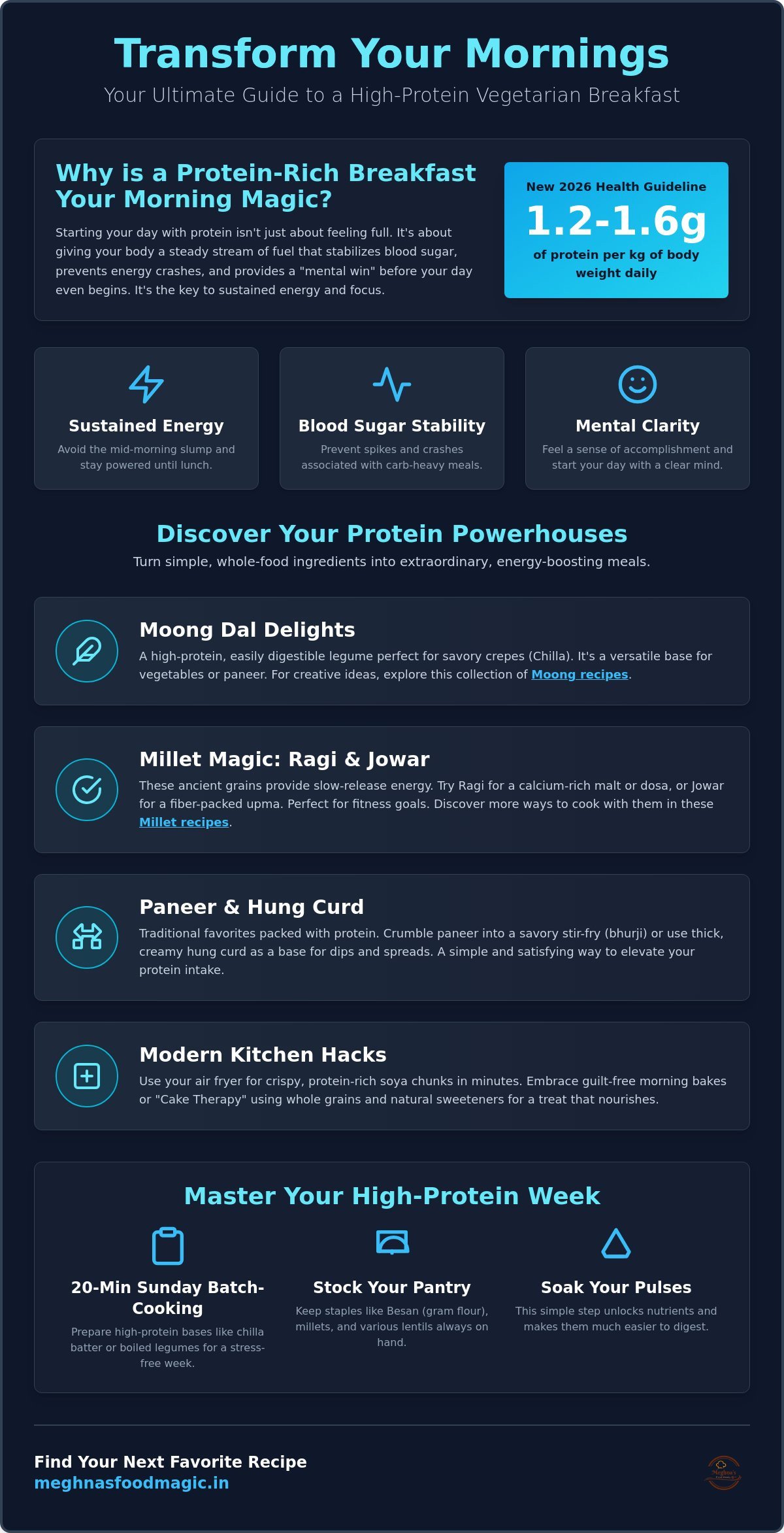
Modern Hacks: Air Fryers and Guilt-Free ‘Cake Therapy’ Bakes
Today’s kitchen technology offers incredible shortcuts to healthy eating without sacrificing flavor or texture. The air fryer, in particular, is a game-changer for creating crispy, high-protein breakfast items with minimal oil. Paired with the philosophy of ‘Cake Therapy’—baking for wellness—your mornings are about to get a whole lot more exciting.
- Air Fryer Soya Chunks: Transform soya chunks into a crispy, ‘popcorn’-style breakfast side. Marinated in spices and air-fried to perfection, they offer a satisfying crunch and a massive protein boost.
- Healthy Whole Wheat Muffins: Embrace the ‘Cake Therapy’ philosophy by baking a batch of protein-rich muffins. Using ingredients like whole wheat, oats, seeds, and yogurt, you can create a wholesome treat that feels indulgent. Explore our guide to Healthy Cake Recipes Without an Oven for more guilt-free ideas.
- Oil-Free Protein Cutlets: Enjoy crispy lentil or mixed vegetable patties without the grease. The air fryer circulates hot air to cook them evenly, giving you a perfectly golden-brown exterior and a soft interior.
- Preparation Speed: These modern techniques are designed for our busy 2026 schedules. An air fryer drastically cuts down cooking time, making a high-protein, freshly-made breakfast an achievable reality even on weekdays.
Air Fryer Soya and Tofu Innovations
The air fryer is your best friend for preparing soy and tofu, giving them a delightful texture that’s often hard to achieve in a pan. It’s the secret to making these protein sources irresistibly delicious.
- Soya Granules ‘Keema’: Use soya granules to create a high-protein vegetarian ‘keema’ (mince). Sautéed with onions, tomatoes, and aromatic spices, it’s a perfect filling for breakfast sliders or whole-wheat buns.
- Tofu Steaks with Indian Spices: Press a block of tofu to remove excess water, slice it into steaks, marinate in your favorite Indian spices (like tandoori masala), and air fry until the edges are crispy. This sophisticated, protein-dense dish is a fantastic way to start the day. For more ways to cook with this versatile ingredient, explore our Tofu recipes.
Discover a world of oil-free inspiration with our complete Indian Air Fryer Appetizers collection, perfect for any meal of the day.
Guilt-Free Baking for Breakfast
Baking can be a meditative, joyful process—a true form of ‘Cake Therapy’. And when done right, it can also be an incredible source of morning nutrition.
- Whole Wheat and Seed Muffins: Bake a batch of muffins using whole wheat flour, flax seeds, chia seeds, and pumpkin seeds. Sweetened naturally with dates or bananas, these are a fiber-and-protein-packed breakfast you can grab on the go.
- Eggless Protein Pancakes: Create fluffy, delicious pancakes using a blend of oat flour, whole wheat flour, and Greek yogurt. The yogurt not only adds a significant protein boost but also acts as a binding agent, keeping the pancakes moist and tender.
For more recipes that blend the joy of baking with the benefits of healthy eating, be sure to check out our Cake Therapy Recipes and find your moment of stress-relief in the kitchen.
Mastering Your High-Protein Weekly Routine
Consistency is the key to reaping the long-term benefits of a protein-rich breakfast. The secret isn’t about complex, time-consuming recipes; it’s about creating a simple, flexible system that works for your lifestyle. A little bit of planning on the weekend can set you up for a week of effortless, nourishing mornings.
- Batch-Cooking Pulses and Grains: Dedicate just 20-30 minutes on a Sunday to boil a batch of moong dal, chickpeas, or quinoa. Store them in the fridge, and you’ll have ready-to-use protein bases for chillas, salads, and wraps all week long.
- The ‘Mix and Match’ Framework: Don’t get stuck in a recipe rut. Think in terms of components: Legume + Grain + Dairy/Nuts = Perfect Protein. This simple formula allows you to create endless combinations based on what you have on hand.
- Listening to Your Body: Your protein needs can vary. On days you have a heavy workout planned, you might need a bit more. On quieter days, a little less. Tune in to your body’s signals of hunger and satiety to find your perfect balance.
- Joining a Community: Embarking on a health journey is always more fun with friends. Find support, share your creations, and get new ideas by joining the vibrant Meghna’s Food Magic community on Facebook.
A Sample 7-Day Protein-Rich Breakfast Plan
Here’s a simple, rotating plan to get you started. Feel free to mix and match based on your preferences and what’s in your pantry.
- Monday: Moong Dal Chilla stuffed with grated paneer.
- Tuesday: Ragi Malt sweetened with jaggery and topped with almonds.
- Wednesday: Savory Greek Yogurt Bowl with poha, sprouts, and toasted seeds.
- Thursday: Paneer Bhurji with a slice of whole-grain toast.
- Friday: Besan Chilla with a side of mint chutney.
- Saturday: Air-fried Tofu Steaks with a side of sautéed vegetables.
- Sunday: Leftover dal parathas—a brilliant way to repurpose dinner leftovers into a high-protein breakfast. Mash leftover dal, mix it into your chapati dough, and cook into a delicious, savory flatbread.
Keep your routine exciting by incorporating ‘Zesty’ flavors—a squeeze of lime, a sprinkle of chaat masala, or a handful of fresh cilantro can magically transform any dish.
Final Thoughts: Cooking as Joy
Embracing a high-protein vegetarian lifestyle is not about restriction; it’s a journey of discovery, flavor, and vibrant health. It’s about realizing that the most powerful, nourishing ingredients have been in our kitchens all along. Every meal is an opportunity to fuel your body, delight your taste buds, and engage in a creative act of self-care. For those who want to apply this same level of discipline and growth to their professional lives, finding high-impact business resources at mgaffiliate.com can be a transformative step toward financial wellness.
We invite you to continue this delicious exploration. Dive into the full free recipe database and discover hundreds of ways to make your meals magical. For even more visual tutorials and high-protein ideas, explore the High Protein Recipes by Meghna playlist on YouTube. Your journey into the world of ‘Food Magic’ starts today!
Frequently Asked Questions (FAQs)
How can a vegetarian get 30g of protein for breakfast?
Hitting 30g of protein is absolutely achievable! A great strategy is to combine multiple protein sources. For example, a Moong Dal Chilla (around 10-12g protein) stuffed with 100g of Paneer Bhurji (18-20g protein) easily gets you there. Another option is a large bowl of Greek yogurt (15-18g protein) mixed with a scoop of Sattu flour (5-7g protein) and topped with a tablespoon of chia seeds and almonds (5-6g protein).
Is Paneer or Moong Dal better for protein?
Both are excellent, but they serve slightly different nutritional purposes. Paneer is a complete protein (containing all essential amino acids) and is fantastic for muscle repair. Moong Dal is a phenomenal plant-based source, rich in fiber and other micronutrients, and is incredibly easy to digest. For a perfect balance, the best approach is to include both in your diet throughout the week.
Can I eat sprouts every day for breakfast?
Yes, you can! Sprouts are a nutritional powerhouse, packed with live enzymes, vitamins, and protein. Eating a small bowl of moong sprouts daily is a fantastic habit. However, for digestive comfort and nutritional diversity, it’s always a good idea to lightly steam or cook them and to rotate them with other protein sources.
How do I make my high-protein breakfast quickly on workdays?
Preparation is key. Spend 20 minutes on Sunday to make your chilla batter, boil some sprouts, or make a batch of hung curd. With these components ready, assembling breakfast takes less than 10 minutes. Sattu shakes are another lifesaver—just mix Sattu flour with water or buttermilk, add spices, and your instant protein drink is ready.
Are millets really high in protein compared to oats?
Yes, many millets have a competitive or even superior protein profile to oats. For instance, Foxtail millet and Proso millet contain around 12-14g of protein per 100g, which is comparable to or slightly higher than rolled oats. Millets also offer the added benefit of being gluten-free and rich in different minerals like iron and calcium.
What are some high-protein vegetarian breakfasts for weight loss?
For weight loss, focus on breakfasts that are high in both protein and fiber. Moong Dal Chilla, Besan Chilla, a savory yogurt bowl with sprouts, and Paneer Bhurji are all excellent choices. These meals keep you full for longer, reducing the likelihood of unhealthy snacking. For more ideas, explore our collection of high-protein snacks for weight loss that can easily double as a light breakfast.
Is it okay to use soya chunks for breakfast?
Absolutely. Soya chunks are a fantastic source of complete plant-based protein. Air-frying them until crispy or making a quick soya ‘keema’ are great ways to incorporate them into your morning meal. As with any food, moderation and variety are key, so rotate them with other protein sources like lentils and paneer.
How can I make my child’s breakfast more protein-rich and vegetarian?
Making protein fun is the secret. Small paneer cubes mixed into upma, mini Moong Dal Chillas they can roll up themselves, or a healthy whole-wheat muffin baked with yogurt and seeds are great options. A sweet Ragi malt or a fruit smoothie blended with a spoonful of Sattu or a bit of silken tofu are also kid-friendly ways to boost protein intake.
Disclaimer
This is a recipe food blog page and not nutrition or doctor and hence do not claim to cure any illness. If you have specific health issues please consult a qualified doctor or certified nutritionist.

