
Replacing Sugar with Jaggery in Sweets: A Healthy Guide
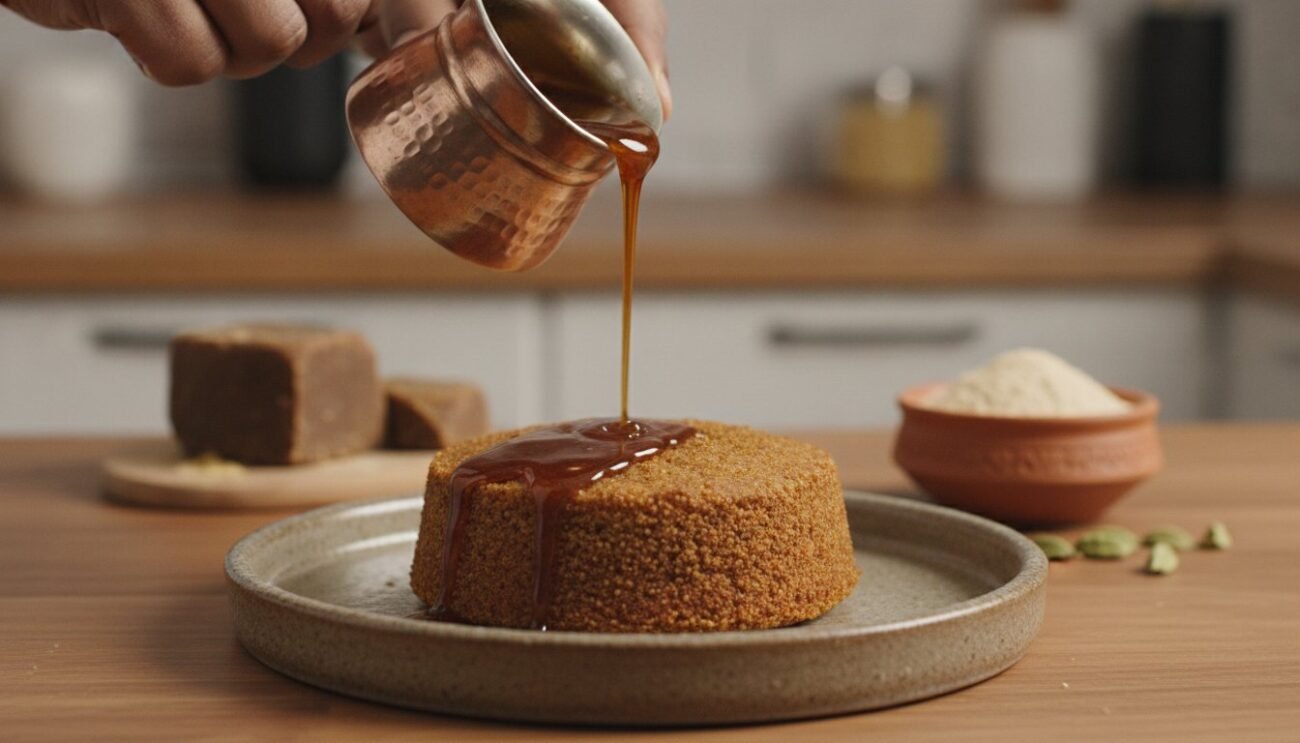
Why settle for the hollow sweetness of refined crystals when you can infuse your desserts with the soulful, caramel-like depth of Gur? While the India packaged jaggery market is projected to reach over INR 207 Billion by 2034, many home cooks still struggle with the practical magic of replacing sugar with jaggery in sweets. It’s a common heart-break to watch a beautiful pot of milk curdle or find your once-fluffy cake turned into a dense, dark disappointment.
I know exactly how it feels to want a healthier lifestyle without losing the joy of a celebratory mithai. You deserve treats that nourish your body and your spirit. This guide is your invitation to master the art of the swap, ensuring your creations stay perfectly textured and vibrant. We’ll explore the nutritional edge of this ancient sweetener, including its lower glycemic index, and share professional secrets for successful baking. Whether you’re looking for weight loss friendly options or want to explore Ragi and Jowar recipes from my digital recipe database, you’re about to turn your kitchen into a space of pure culinary therapy.
Key Takeaways
- Discover why jaggery is more than just a sweetener, offering essential minerals like iron and potassium while adding a soul-stirring depth to your traditional desserts.
- Master the precise science of replacing sugar with jaggery in sweets by understanding the 1.25:1 ratio and how to manage moisture for the perfect texture.
- Learn the essential “Off-the-Flame” rule to prevent milk from curdling, ensuring your creamy kheer and payasam remain velvety and rich every time.
- Explore the magical pairing of jaggery with Ragi or Jowar and unlock a world of healthy possibilities with our 30+ Millet Recipes playlist.
- Access a curated selection of weight loss friendly dessert recipes from the Meghna’s Food Magic database to start your healthy culinary journey today.
Beyond the Sweetness: Why Switching to Jaggery is a Culinary Upgrade
Imagine the deep, earthy scent of winter mornings and the golden glow of a kitchen filled with love. For many of us, “Gur” is more than just an ingredient; it’s the very soul of our culinary heritage and traditional celebrations. When you start replacing sugar with jaggery in sweets, you aren’t just making a dietary choice. You’re opting for a sensory upgrade that brings a complex, caramel-like depth that white sugar simply cannot match. It’s about moving away from empty, bleached calories and embracing a sweetener that carries the natural life force of the sugarcane plant.
Refined sugar is often stripped of every beneficial element during high-heat processing. In contrast, jaggery remains unrefined, retaining essential minerals like iron, magnesium, and potassium that are vital for our daily vitality and blood health. If you’re curious about the technical background, understanding What is Jaggery? reveals a production process that bypasses the heavy chemical treatments and bleaching agents used for white crystals. This mineral wealth makes it a fantastic ally for those focusing on weight loss and metabolic health. It provides a more sustained energy release compared to the sharp, jittery spikes of refined sugar. You’ll find that your body feels satisfied with smaller portions because the flavor is so much more robust.
Refined Sugar vs. Jaggery: A Health Comparison
The real difference lies in how your body responds to the sweetness. Unrefined jaggery acts as a gentle digestive aid, supporting gut health and cleansing the respiratory tract in a way that processed sugar never could. While it still contains calories, its nuanced glycemic profile means your body processes it with significantly more grace. This philosophy of choosing “better-for-you” ingredients without sacrificing a single ounce of flavor is exactly what we champion at Food Magic. We believe that cooking should be a form of therapy, where every choice brings more harmony and excitement to your life.
The Sensory Experience of Jaggery
Switching to jaggery transforms your homemade mithai into a visual and tactile masterpiece. You’ll immediately notice a richer, darker hue and a soft, melt-in-the-mouth texture that feels incredibly indulgent. Instead of a flat, one-dimensional “sweet” hit, your palate discovers smoky, salty, and even floral notes that linger beautifully. Successfully replacing sugar with jaggery in sweets turns an ordinary dessert into something extraordinary, making every meal feel like a celebratory event. It’s not about restriction or saying “no” to treats. It’s about saying “yes” to a higher quality of sweetness that nourishes your body and delights your senses. It’s time to treat your kitchen as a nurturing space for both health and joy.
The Science of the Swap: Mastering Ratios, Textures, and Colors
Many home cooks dive into replacing sugar with jaggery in sweets expecting a simple one-to-one exchange. However, the reality is a bit more nuanced. Because jaggery contains natural moisture and minerals, it isn’t quite as intensely sweet as refined white crystals. To get that perfect balance, you’ll often need about 1.25 cups of jaggery for every cup of sugar. This slight adjustment ensures your desserts don’t end up tasting “thin” or underwhelming. It’s a small change that makes a world of difference in the final result, turning a simple sweet into a rich, soulful experience.
While jaggery is widely recognized as healthier than white sugar, its hygroscopic nature, meaning it attracts water, is something you must manage. This moisture content is what gives jaggery-based sweets their signature soft, fudgy bite. However, it can also affect shelf life. If you’re making something meant to last, like a dry snack or a travel-friendly ladoo, you’ll want to cook the mixture a few minutes longer to drive off that extra hydration. Understanding the chemistry behind replacing sugar with jaggery in sweets helps you predict how your favorite recipes will transform in the pan.
Conversion Ratios for Different Sweet Types
For dry sweets like Ladoos or Barfis, jaggery acts as a magnificent natural binder. If your mixture feels a bit too soft to hold its shape, don’t worry; just add a tablespoon of roasted flour or nuts to balance the moisture. When you’re making syrup-based sweets, remember that jaggery syrup behaves differently than traditional sugar “Chashni.” It thickens much faster and can become quite sticky if overcooked. For liquid desserts like Kheer, the extra water in jaggery can slightly dilute your milk, so it’s a good idea to reduce the milk just a bit more than usual before sweetening to maintain that creamy, indulgent mouthfeel.
Choosing the Right Jaggery Variety
Your choice of jaggery variety will dictate the color and soul of your dish. Darker, aged jaggery provides a deep, smoky hue that’s stunning in halwas, while lighter varieties are better for delicate, golden sweets. Palm jaggery offers a unique, almost chocolate-like undertone, whereas sugarcane jaggery is your versatile, all-purpose hero. Whether you choose the convenience of powdered jaggery or the authentic texture of crumbled blocks, always remember to strain your melted jaggery to remove any hidden impurities. If you’re looking for visual inspiration on how these textures should look, you can explore my step-by-step dessert tutorials to see the magic in action and gain the confidence to innovate in your own kitchen.
Jaggery Across the Spectrum: From Millet Ladoos to Cake Therapy
Have you ever noticed how the earthy, robust flavor of ancient grains seems to crave something deeper than just plain white sugar? When you start replacing sugar with jaggery in sweets, you unlock a spectacular synergy, especially when working with Millets. These nutritional powerhouses, like Ragi and Bajra, have a natural nuttiness that jaggery enhances rather than masks. It’s a match made in culinary heaven. This combination turns a simple snack into a high-protein, fiber-rich indulgence that fits perfectly into a fitness enthusiast’s lifestyle, proving that health and celebration can live on the same plate. Exploring the nutritional profile of jaggery shows why it’s the superior choice for these dense, hearty grains, providing vitamins and minerals that refined sugar lacks.
I believe that cooking is a form of “culinary therapy,” a way to bring harmony and excitement into our daily lives. By replacing sugar with jaggery in sweets, you aren’t just following a trend. You’re becoming a bold innovator in your own kitchen. Whether you’re crafting a traditional millet-based halwa or experimenting with modern fusion treats, jaggery provides a sophisticated sweetness that lingers beautifully. It’s about abundance and the “specialness” of everyday activities, transforming a routine dessert into an extraordinary act of self-care.
Healthy Baking with Jaggery
Let’s redefine “Cake Therapy.” Many people think baking with jaggery is impossible because it might lead to dense or gummy results, but the secret lies in the chemistry. Jaggery is slightly acidic, which means it reacts beautifully with baking soda to create extra carbon dioxide bubbles. This reaction helps keep whole wheat “Atta Cakes” surprisingly light and airy. If you want to try something truly special, use jaggery for your Jowar brownies. The natural moisture in the jaggery keeps them incredibly fudgy and decadent without the need for excessive fats or oils.
Traditional Sweets with a Modern Twist
We aren’t just modernizing bakes; we’re revitalizing the classics. Imagine a Puran Poli where the filling is rich with iron-dense Gur, or millet-based ladoos that provide sustained energy throughout the day. These fiber-rich indulgences are perfect for those who want to enjoy traditional flavors while staying mindful of their wellness goals. You can easily create “No-Sugar” versions of your favorite childhood treats that taste even better than the originals. It’s time to embrace your role as a friendly guide for your family’s health, showing them that nutrient-dense food can be the most delicious thing they’ve ever tasted.
Expert Techniques: How to Prevent Curdling and Achieve Perfection
The most common heartbreak when replacing sugar with jaggery in sweets is watching a beautiful, creamy pot of milk suddenly separate into clumps. This curdling happens because jaggery, unlike refined sugar, contains trace minerals and natural acids that react with milk proteins when subjected to high heat. It’s a chemical reaction that can feel like a disaster, but it’s actually very easy to avoid once you know the secret. To keep your Kheer, Payasam, or Rabri velvety and smooth, you must embrace the “Off-the-Flame” rule. Simply cook your milk and grains until they reach the desired consistency, turn off the heat completely, and then stir in your grated or liquid jaggery. This small pause in temperature ensures the proteins stay stable while the jaggery melts into a rich, golden embrace.
Achieving a professional finish also requires attention to the texture of your jaggery base. Many organic varieties contain tiny bits of sugarcane fiber or grit that can ruin the mouthfeel of a delicate dessert. I always recommend melting your jaggery with a few tablespoons of water first to create a concentrated syrup. Once it’s fully dissolved, pass it through a fine-mesh strainer before adding it to your recipe. This extra step guarantees a silky-smooth result every time. If you want to see these techniques in action, you can watch my detailed dessert masterclasses to master the flow of healthy Indian cooking.
The Step-by-Step Jaggery Melting Guide
In 2026, the gold standard for the soft ball stage is reached when a drop of jaggery syrup in cold water forms a pliable, squishy ball that holds its shape but remains flexible between your fingers. To reach this point without burning the natural sugars, use a heavy-bottomed pan and keep your flame on low. Simmering slowly preserves the vital nutrients like iron and magnesium while giving you total control over the consistency. Always strain the hot syrup immediately; as it cools, it thickens rapidly and becomes harder to work with.
Troubleshooting Common Jaggery Mistakes
If your sweets turned out “stone-like” or too hard to bite, you likely overcooked the jaggery syrup past the hard-crack stage. You can often fix this by gently reheating the mixture with a splash of warm milk or a teaspoon of ghee to soften the structure. Sometimes, a specific batch of jaggery might taste slightly salty due to the soil where the sugarcane was grown. Don’t worry; you can balance this mineral intensity with a generous pinch of green cardamom powder or a dash of heavy cream. These quick pivots turn a potential failure into a creative success, making the entire process feel effortless and rewarding. Storing your creations in an airtight glass container is also vital, especially in humid weather, to prevent the jaggery from drawing in moisture and making your sweets soggy.

Your Guilt-Free Dessert Journey: Curated Recipes from Meghna’s Kitchen
Welcome to a world where your kitchen becomes a sanctuary of wellness and pure joy. I believe that healthy cooking is the ultimate act of self-care, a way to nourish your family while celebrating the vibrant flavors of our heritage. By replacing sugar with jaggery in sweets, you’re choosing a path of abundance rather than restriction. You don’t have to say goodbye to your favorite treats; you’re simply upgrading them with soulful, nutrient-dense ingredients. It’s about creating harmony in your daily life, one delicious bite at a time.
To help you get started this week, I’ve handpicked five incredible recipes from the Meghna’s Food Magic database. These dishes are designed to be approachable, exciting, and deeply satisfying. If you’re looking for even more inspiration, especially with ancient grains, you must explore my 30+ Millet Recipes playlist. It’s a treasure trove of ideas that prove how versatile and delicious healthy eating can be. For daily tips, behind-the-scenes kitchen magic, and a supportive community of fellow food lovers, join me on Instagram. Let’s make this journey together!
Meghna’s Personal Favorites
One of my absolute favorite creations is the Ragi-Chocolate Jaggery Cake. It’s a true “Cake Therapy” masterpiece that combines the dark, intense flavor of cocoa with the earthy sweetness of Gur. Another must-try is my high-protein Moong Dal Ladoos, which get a sophisticated makeover when you use jaggery instead of white sugar. These recipes are perfect for working mothers and busy families because they’re quick to prepare and provide sustained energy. You can pack them in school tiffins or enjoy them as a post-workout snack without any of the typical sugar-crash guilt.
Building Your Healthy Pantry
Transitioning to a healthier lifestyle is much easier when you have the right tools at your fingertips. Along with a good supply of high-quality jaggery, keep a checklist of essential grains like Jowar and Bajra. These grains are the perfect partners for jaggery, creating textures that are both rustic and refined. There’s a special kind of joy in sharing these sweets at family gatherings, knowing you’re serving something that brings both health and happiness to the table. Don’t wait for a special occasion to start. Your “Sugar-Free” journey begins today, and I’m here to guide you every step of the way. Let’s turn your kitchen into a place of pure food magic!
Embrace the Magic of Healthy Sweetness Today
Mastering the art of replacing sugar with jaggery in sweets is more than a simple kitchen swap; it’s an invitation to bring harmony and deep, caramel-rich flavor into your home. You’ve learned that success lies in the details, from managing the 1.25:1 conversion ratio to respecting the “Off-the-Flame” rule to prevent curdling. These techniques empower you to create desserts that are as kind to your body as they are delightful to your palate. Whether you’re experimenting with fiber-rich millets or indulging in a moist “Cake Therapy” bake, you’re now equipped to treat every meal as an act of joy and self-care.
I want to see you succeed as a bold innovator in your own kitchen. With free access to my specialized archives for weight loss and 500+ healthy recipes, your journey toward a nutrient-dense lifestyle has never been more exciting. Ready to dive deeper into the world of unrefined sweetness? Explore Meghna's Full Collection of Healthy Jaggery Recipes and discover how effortless healthy Indian cooking can truly be. Your path to a guilt-free, vibrant kitchen is just a click away. Let’s make some magic happen!
Frequently Asked Questions
Is replacing sugar with jaggery 1:1 always successful?
No, a direct 1:1 swap often falls short because jaggery is naturally less sweet than refined sugar. You’ll typically need about 1.25 cups of jaggery for every cup of sugar to achieve the same satisfying sweetness. This adjustment also accounts for jaggery’s moisture content, ensuring your desserts maintain a rich, full-bodied flavor rather than tasting thin or underwhelming in your favorite recipes.
Why does my milk curdle when I add jaggery to Kheer?
Curdling happens because the natural minerals and organic acids in jaggery react with milk proteins under high heat. To avoid this kitchen heartbreak, always use the “Off-the-Flame” technique. Simply turn off the stove once your kheer is ready, let it rest for a minute to lower the temperature slightly, and then stir in your jaggery. This creates a perfectly smooth, velvety consistency every time.
Can diabetics safely use jaggery as a sugar substitute?
Jaggery should still be consumed with caution by those managing diabetes as it contains high levels of sucrose. While it offers more minerals than white sugar and has a slightly lower glycemic index, it will still cause your blood sugar levels to rise. It’s best to treat it as a mindful indulgence and always consult your healthcare provider before making it a regular part of your diet.
Which type of jaggery is best for baking cakes?
Powdered jaggery is the superior choice for baking because it integrates seamlessly into dry ingredients and dissolves quickly in fats. For my “Cake Therapy” creations, I prefer using a dark, unrefined variety to add a beautiful molasses-like depth and moisture to the sponge. If you’re using block jaggery, make sure to grate it very finely to prevent uneven textures or grainy pockets in your cake.
How do I store sweets made with jaggery to keep them fresh?
Store your sweets in airtight glass containers kept in a cool, dry place to prevent them from becoming sticky. Jaggery is naturally hygroscopic, meaning it attracts moisture from the air, which can ruin the texture of your treats. During humid months, it’s a great idea to keep them in the refrigerator to maintain their firm bite and ensure they stay fresh and delicious for longer periods.
Does jaggery lose its nutrients when heated at high temperatures?
While some heat-sensitive vitamins might decrease, the essential minerals like iron and magnesium remain remarkably stable during the cooking process. Using gentle, low-heat simmering techniques is the best way to preserve these benefits when replacing sugar with jaggery in sweets. This allows you to enjoy a soulful dessert that still offers a significant nutritional edge over treats made with empty-calorie refined sugar crystals.
Can I use jaggery in cold desserts like ice cream or mousse?
You can use jaggery in cold desserts by first preparing a concentrated, strained syrup. This ensures the sweetener blends smoothly into chilled bases without leaving any gritty residue. It’s a fantastic way to add earthy sweetness to weight loss friendly treats or 30+ Millet Recipes like chilled Ragi puddings, providing a sophisticated flavor that refined sugar simply can’t replicate.
How can I tell if the jaggery I bought is pure and chemical-free?
Pure jaggery is usually dark brown; if it looks very light yellow or white, it has likely been chemically bleached. You can test for purity at home by dissolving a small piece in a glass of water. If the jaggery is pure, it will dissolve completely without leaving any chalky white residue or impurities at the bottom. Looking for FSSAI-certified organic brands is another excellent way to ensure top quality.
Disclaimer
This is a recipe food blog page and not nutrition or doctor and hence do not claim to cure any illness. If you have specific health issues please consult a qualified doctor or certified nutritionist.
I do consult experts, research Internet and at times seek help from Gemini to collect relevant information to put together some of these blogs.

