
The Use of AI: Smarter Ways to Plan Healthy Meals
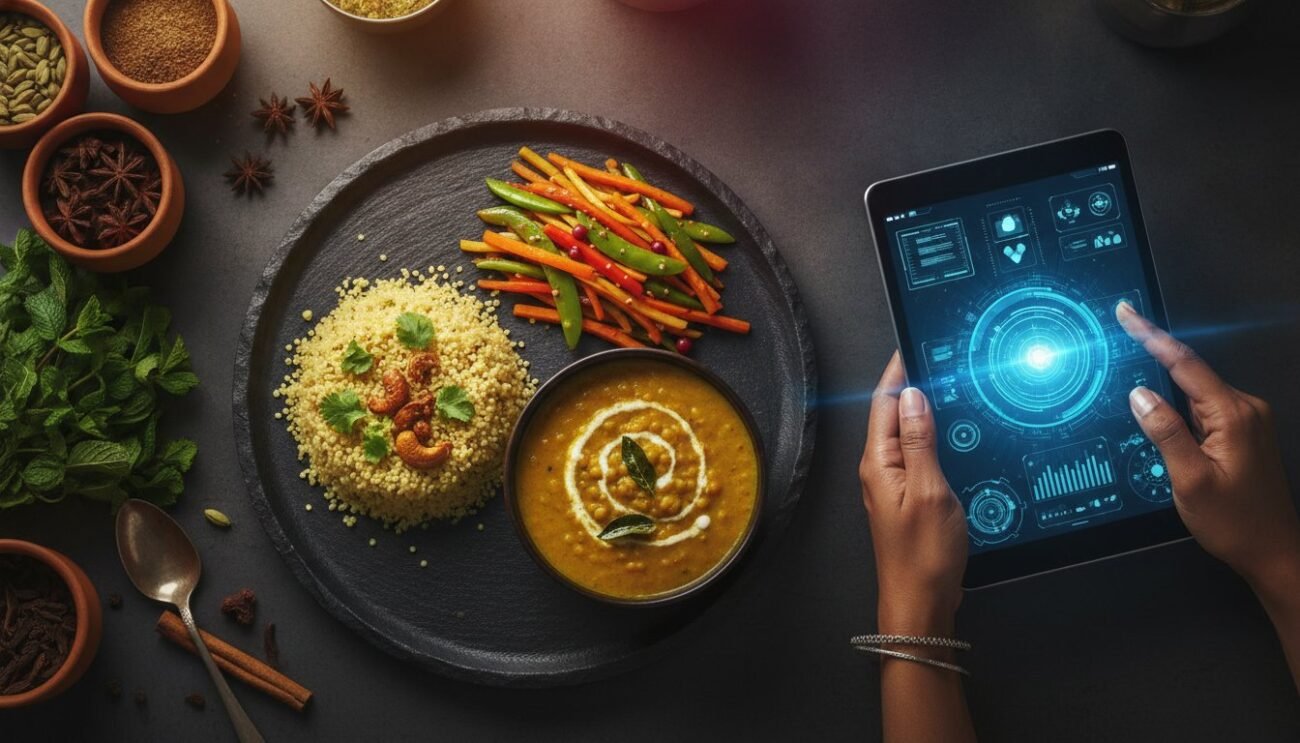
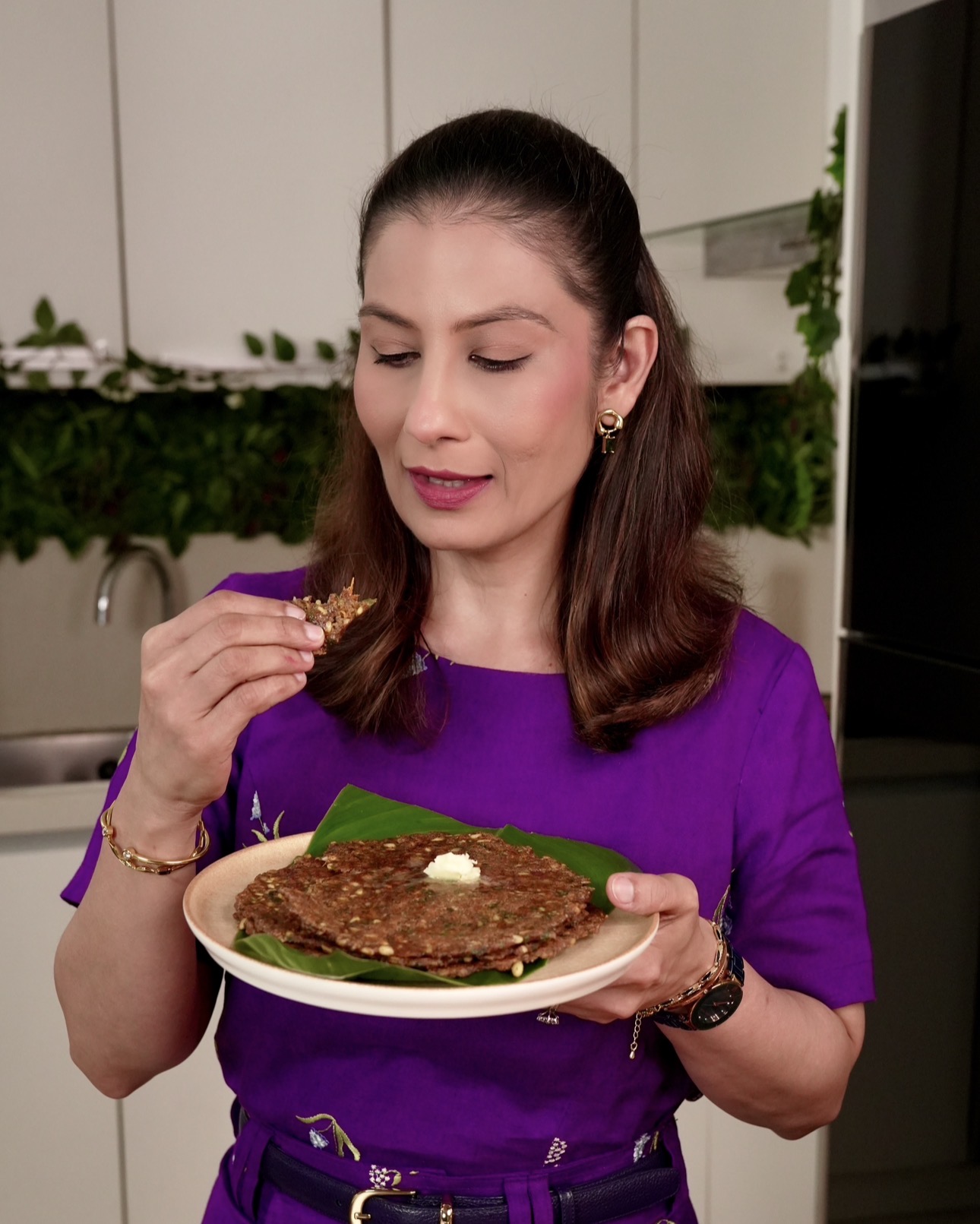
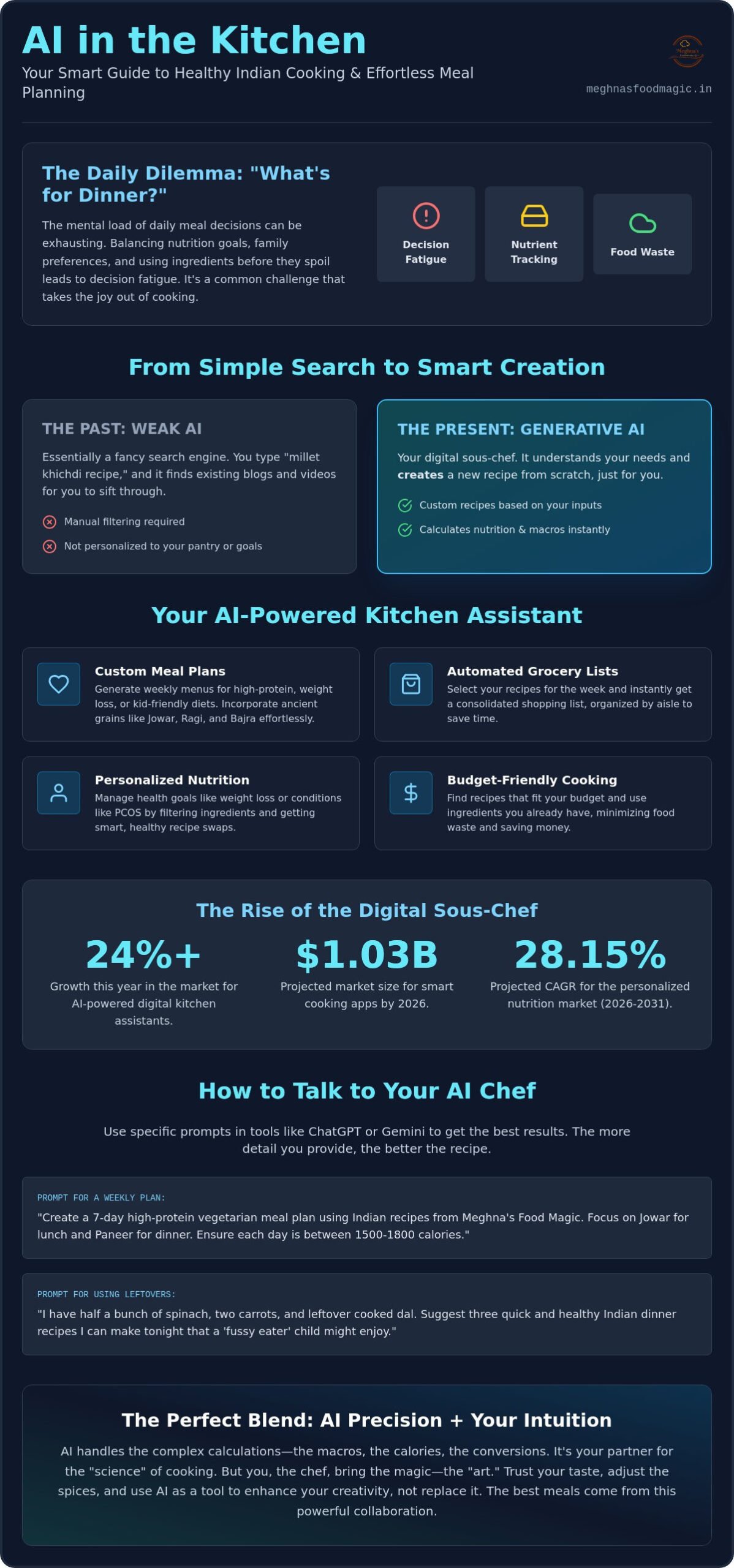
What if the most exhausting part of your dinner wasn’t the chopping or the sautéing, but the heavy mental load of deciding what to cook? We’ve all stood before an open fridge, feeling that familiar wave of decision fatigue while trying to balance health goals with the vibrant flavors we love. It’s especially tricky when you’re trying to track nutrition for complex Indian recipes or incorporate ancient grains like millets without feeling overwhelmed by tech jargon. The smart use of AI is stepping in to solve this, with the market for these digital assistants growing by over 24% this year alone. It’s not about robots replacing the cook; it’s about a digital sous-chef handling the math so you can focus on the magic of the sizzle.
I know you want healthy eating to feel like a celebration, not a chore. This guide will show you how to simplify your meal planning, personalize your nutrition, and bring a genuine touch of “food magic” to your daily routine. We’ll look at how to get personalized recipe suggestions for high protein diets and learn to use AI tools as a supportive kitchen assistant. Get ready to save time and rediscover the effortless excitement of creating something delicious and nourishing every single day.
Key Takeaways
- Learn how the smart use of AI transforms daily cooking from a stressful chore into a creative, data-driven experience that handles the nutritional heavy lifting.
- Discover how to generate custom meal plans tailored to your specific dietary needs, including high-protein vegetarian options or ancient millet-based recipes.
- Master the art of using tools like ChatGPT or Gemini with specific prompts to find healthy Indian recipes that fit your budget and pantry.
- See how automated grocery lists and AI-assisted prep can save hours for busy working mothers and eliminate Sunday meal-prep stress.
- Understand how to balance AI’s precision with your own culinary intuition to ensure every healthy meal is also bursting with authentic flavor.
What is the Use of AI in Modern Cooking and Nutrition?
Imagine walking into your kitchen and having a partner who already knows your fridge is half-full of spinach, a bowl of soaked Jowar, and some leftover paneer. This isn’t a scene from a sci-fi movie; it’s the reality of the use of AI in 2026. At its heart, AI is a powerful tool that processes vast amounts of culinary data to predict tastes and nutritional outcomes. It looks at how ingredients interact, calculates the exact protein content of your favorite dal, and suggests the perfect cooking time for that millet khichdi you’ve been wanting to try. You get to keep the creativity while the software manages the complexity.
We’ve seen a massive shift recently. We used to rely on “Weak AI,” which was essentially a fancy search engine that fetched existing recipes. Today, we’ve embraced “Generative AI.” This technology doesn’t just find a recipe; it creates one from scratch based on your unique needs. Whether you’re managing a specific health condition or just trying to hit a protein goal, the use of AI acts as a bridge between complex nutritional science and the joy of a home-cooked meal. This evolution is similar to how we’ve seen AI in healthcare revolutionize patient care by personalizing treatments.
From Search Engines to Smart Assistants
The days of scrolling through endless blogs are fading. Traditional search is evolving into interactive kitchen guides. You can now ask your assistant to “design a high-protein dinner using Ragi” and get a custom plan instantly. These tools manage timers, convert measurements, and suggest flavor pairings you might have missed. You aren’t just finding a recipe; you’re designing a culinary experience that fits your life.
Why Home Cooks are Embracing AI Today
The “What’s for dinner?” dilemma is a universal pain point that AI solves with algorithmic precision. In a fast-paced world, we crave personalized nutrition without the homework. AI bridges the gap between traditional wisdom, like the health benefits of Bajra or Nachni, and modern efficiency. By 2026, the market for these smart apps is expected to reach $1.03 billion. This makes wellness feel like a celebration.
Practical Use of AI for Personalized Meal Planning
Beyond just planning, the use of AI extends to the logistics of your life. When you select a series of recipes, the software can automatically generate a consolidated grocery list, organized by aisle. It even adjusts portion sizes on the fly. If you’re hosting a dinner for six but the recipe is for two, the AI handles the math, adjusting every spice and grain quantity so the balance remains perfect. This data-driven approach is backed by extensive AI in Nutrition Research, which highlights how technology can successfully intervene in daily lifestyle choices to improve long-term health outcomes.
Automating Your Weekly Menu
Creating a 7-day plan used to take hours of flipping through books. Now, you can use Generative AI to curate a full week of meals using the diverse Meghna’s Food Magic recipes as your verified data source. You can prompt the assistant to prioritize specific “super-grains” like Jowar, Bajra, or Ragi to keep your energy levels steady. If you have half a bunch of spinach and two carrots left on a Thursday, the AI can suggest a “fridge-clearing” recipe that minimizes waste while maximizing flavor.
Personalized Nutrition and Weight Loss
For those managing specific conditions like PCOS or diabetes, AI acts as a protective shield. It filters out high-glycemic ingredients and suggests swaps that keep your blood sugar stable while you work toward your fitness goals. Nutritional AI is a tool for precision health that uses data to customize dietary intake for individual biological needs in 2026. To complement your tech-forward meal plan with high-energy movement, you should explore the Get Fit With Meghna series for a holistic approach to wellness.
AI vs. Culinary Intuition: Will Bots Replace the Chef?
Can a computer really understand the soul of a perfectly balanced garam masala? This is the big question many home cooks ask when they first explore the use of AI in their kitchen. While software is incredible at processing numbers, it cannot taste the sauce or feel the texture of a dough. AI brings precision, speed, and data-driven health insights that would take a human hours to calculate. However, cooking is also an act of “culinary therapy” and emotional connection. It’s about the joy of feeding your family and the sensory magic of aromas filling the room. A bot might know the chemical composition of a spice, but it doesn’t know the nostalgia of your grandmother’s kitchen.
We are entering an era where the most successful kitchens use a hybrid approach. You let the technology handle the complex math of calorie counting and nutrient density, while you bring the “heart” to the plate. This synergy is why AI-powered nutrition guidance has become such a vital tool for those seeking a healthier lifestyle without losing the pleasure of eating. You are the conductor; the AI is simply a very talented instrument in your orchestra. By combining these two worlds, you create meals that are both scientifically sound and deeply satisfying.
The Limits of Generative AI in the Kitchen
Sometimes, generative AI gets a bit too creative and suggests “hallucinated” flavor combinations that just don’t work in real life, like putting chocolate in a savory sambar. This happens because the AI is predicting patterns, not tasting the results. To avoid these culinary disasters, it’s essential to cross-reference AI suggestions with verified sources like Meghna’s digital recipe database. Use your intuition to “fix” any tech-generated recipe that feels slightly off, adding that extra splash of lemon or a pinch of roasted cumin to bring it back to life.
AI as a Creative Spark, Not a Replacement
Think of the use of AI as a way to break through a creative block. It’s fantastic for brainstorming fusion ideas, like incorporating avocado into traditional Indian snacks for a healthy fat boost. For busy moms, it’s a lifesaver when reimagining “boring” vegetables to make them exciting for children. If you’re struggling with a picky eater, use AI to find new ways to hide nutrition, and then head over to the YouTube playlist for kids who don’t like vegetables for tried-and-tested solutions that actually work.
How to Use AI Tools to Find Your Next Favorite Recipe
Ready to discover your next kitchen obsession? Using tools like ChatGPT or Gemini is like having a librarian who has read every cookbook ever written, but with the speed of light. The smart use of AI helps you cut through the noise of generic search results and find exactly what your body needs. Whether you’re looking for budget-friendly Indian meals or trying to figure out what to do with a bag of Ragi flour, these tools provide instant inspiration. It’s a game-changer for anyone who feels stuck in a recipe rut and wants to eat well without the stress.
To get the best results, you need to be specific. Instead of asking for a “healthy lunch,” try asking for “a high-protein vegetarian Indian lunch under 400 calories that uses seasonal vegetables.” You can even ask the AI to find specific collections. For example, ask it to “find Cake Therapy recipes that are gluten-free” or “suggest Airfryer recipes for healthy evening snacks.” This level of detail ensures the suggestions are practical, flavorful, and perfectly aligned with your wellness goals.
Mastering the Art of the Culinary Prompt
The secret to success lies in how you talk to the machine. Think of it as giving directions to a friend who knows everything about food but nothing about your specific kitchen. If you want verified, delicious results, try prompts like: “Find a high-protein breakfast recipe from Meghna’s Food Magic using Jowar.” By naming a trusted source, you guide the AI toward high-quality data. You can also use it to adapt your cooking style. Ask the AI to “refine this traditional pakora recipe for a modern Airfryer” to save on oil without losing the crunch. This creative use of AI turns a standard search into a personalized consultation.
Cross-Checking for Authenticity
While AI is brilliant at brainstorming, it doesn’t have a palate. It can’t tell if a dough is too sticky or if the spices are hitting the right note. This is why you should always cross-reference AI suggestions with Meghna’s YouTube channel. Seeing the texture of a millet batter or the sizzle of a tempering in a video tutorial provides the sensory context a text-bot lacks. It’s especially helpful for complex techniques like millet fermentation or achieving the perfect crumb in a healthy dessert. AI is the map, but the expert’s recipe is the destination.
Embracing the Future: Your AI-Enhanced Healthy Lifestyle
The journey toward a healthier you doesn’t have to be a struggle against time or taste. At Meghna’s Food Magic, we believe in using every resource available to make nutrition feel like a celebration. The smart use of AI is simply the latest tool in our kit, helping us bridge the gap between busy lives and wholesome plates. By letting technology handle the logistical heavy lifting, you reclaim the joy of the kitchen. You move from being a stressed manager of ingredients to a creative artist of flavors who understands that wellness and enjoyment are not mutually exclusive.
For those juggling careers and family, the “Working Mother’s Meal Prep” is often the most daunting part of the week. Sundays shouldn’t be a blur of stress and indecision. Instead, imagine using an AI assistant to organize your prep for the week ahead in minutes. It can suggest ways to batch-cook ingredients like Moong or Paneer so they can be transformed into multiple vibrant meals. This creates a stress-free environment where healthy eating becomes your natural rhythm. The long-term benefits are clear: less waste, better energy, and more quality time with the people you love.
I want to encourage you to start small. Don’t feel like you need to overhaul your entire life overnight. Let the technology plan just one lunch or one dinner for you this week. Once you experience the ease of having a curated list and a verified recipe ready to go, the momentum will build itself. Wellness is a marathon, not a sprint, and every small win in the kitchen is a reason to celebrate.
Beyond the Plate: AI and Lifestyle
Your health journey doesn’t stop at the kitchen door. The use of AI can help you plan healthy travel, ensuring you stay nourished even when you’re exploring new horizons. Use these tools to find local, high-protein options that align with the inspiration you find in Meghna’s travel blogs. Staying consistent with your fitness goals is much easier when you have a digital companion to track your progress. For daily tech-savvy tips and a community that cheers for your success, join us on Instagram.
The Next Steps in Your Culinary Journey
As you move forward, I invite you to explore our “30+ Millet Recipes” collection on YouTube. It’s a modern, tech-forward way to embrace ancient grains like Jowar and Bajra for a new generation. Even as you use a digital assistant, remember to treat your time in the kitchen as Cake Therapy; a moment of self-care and creative harmony. Subscribe to our YouTube channel today to keep innovating your healthy lifestyle and discover how easy “food magic” can truly be.
Step Into Your Smart Kitchen Revolution
The culinary world is changing fast, and embracing the smart use of AI is your ticket to a more vibrant, stress-free lifestyle. We’ve explored how these digital tools handle the complex math of high-protein macros and millet-based nutrition, leaving you free to enjoy the sensory joy of cooking. By combining algorithmic precision with your own unique taste, you ensure every meal is both scientifically sound and soulfully satisfying. It’s about reclaiming your time while honoring your health goals through modern innovation.
Whether you’re a busy working mother or someone looking to conquer a new fitness milestone, remember that technology is here to support your creativity, not replace it. You now have the roadmap to turn daily decision fatigue into a celebration of flavor. Join millions of home cooks across India who are already transforming their kitchens into spaces of harmony and excitement with our Get Fit With Meghna community.
Your path toward effortless wellness starts with a single click and a spark of curiosity. You’ve got all the tools you need to make every bite count and every recipe a success. It’s time to bring that touch of magic back to your table and cook with renewed confidence.
Frequently Asked Questions
What is the best use of AI for a beginner home cook?
The most effective way for a beginner to start is by using AI to generate a simple weekly meal plan based on ingredients already in the pantry. This immediately eliminates the daily “what to cook” stress and provides a clear, organized roadmap for your kitchen activities. It acts as a friendly mentor, helping you structure your shopping list so you never forget a key ingredient for your favorite dal or sabzi.
Can AI help me calculate the protein in my Indian vegetarian diet?
AI is incredibly efficient at calculating the macronutrients in complex vegetarian dishes by analyzing specific ingredients like paneer, moong, and various lentils. By inputting your exact portions, the use of AI allows you to see the precise protein count in traditional meals like paneer bhurji or moong dal chilla. This data-driven precision helps you stay on track with your fitness goals without needing to manually track every gram yourself.
Are AI-generated recipes safe to eat without verification?
You should always treat AI-generated recipes as a creative draft rather than a final instruction because technology can occasionally “hallucinate” impossible cooking times or unsafe combinations. It is essential to cross-reference any digital suggestion with a trusted expert source like Meghna’s Food Magic to ensure your meal is safe. Technology provides the inspiration, but human expertise ensures the result is both delicious and nourishing for your family.
How do I use AI to find gluten-free recipes like Ragi or Jowar?
To find the best gluten-free options, use specific prompts that highlight your preferred ancient grains, such as “suggest high-protein dinner ideas using Jowar flour.” AI can quickly filter through thousands of possibilities to find creative ways to use these grains in modern, vibrant dishes. For a verified collection of these healthy innovations, you can also explore the 30+ Millet Recipes playlist for inspiration that has been tested and perfected.
Will using AI in the kitchen save me money on groceries?
Smart meal planning through technology can significantly reduce your monthly grocery bill by preventing impulse buys and unnecessary food waste. The use of AI helps you create a precise shopping list based only on the recipes you actually plan to cook for the week. It can also suggest “fridge-clearing” meals that turn leftover vegetables into a celebratory feast, ensuring every rupee spent on fresh produce goes toward nourishing your body.
What are the best free AI tools for meal planning in 2026?
In 2026, the free versions of apps like Samsung Food, Eat This Much, and general assistants like ChatGPT or Gemini are the most popular choices for home cooks. These platforms offer robust features for daily planning and basic nutritional tracking without requiring a paid subscription. For those looking at premium recipe management that specifically organizes social media content, it can be useful to explore Recurring SaaS Subscription Fees to ensure you’re getting the best features for your investment. They provide a wonderful entry point for anyone looking to bring a touch of “food magic” to your routine while keeping their wellness journey accessible and budget-friendly.
Can AI help me find recipes for my kids who hate vegetables?
AI is a fantastic brainstormer for “sneaky” nutrition, suggesting ways to blend vegetables into colorful sauces or hide them in tasty parathas. It can reimagine boring cauliflower as a crispy snack or turn spinach into a vibrant “green pasta” that children find exciting. To see these creative ideas in action, check out the YouTube playlist for fussy eaters, which offers proven solutions that even the pickiest children enjoy eating.
How does AI handle traditional cooking methods like fermentation?
While AI can explain the chemical process and ideal ratios for fermentation, it cannot feel the temperature of your kitchen or smell the specific tang of a maturing batter. It provides the scientific “map” for the timing and ingredients needed for perfect idlis or dosas, but you must use your own culinary intuition to judge the final result. Technology handles the complex theory, but the magic of the final touch always remains in your hands.
Disclaimer
This is a recipe food blog page and not nutrition or doctor and hence do not claim to cure any illness. If you have specific health issues please consult a qualified doctor or certified nutritionist.
I do consult experts, research Internet and at times seek help from Gemini to collect relevant information to put together some of these blogs.

