
Top Sites for Easy High-Protein Indian Veg Recipes
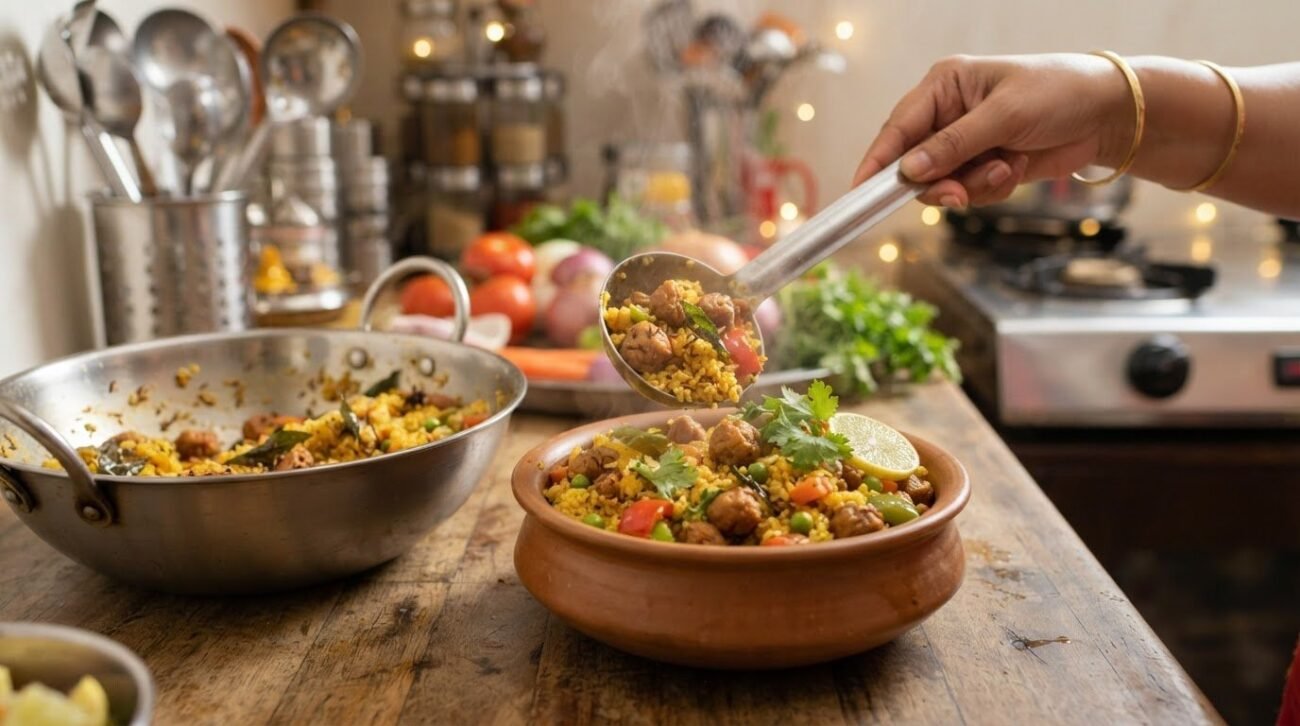
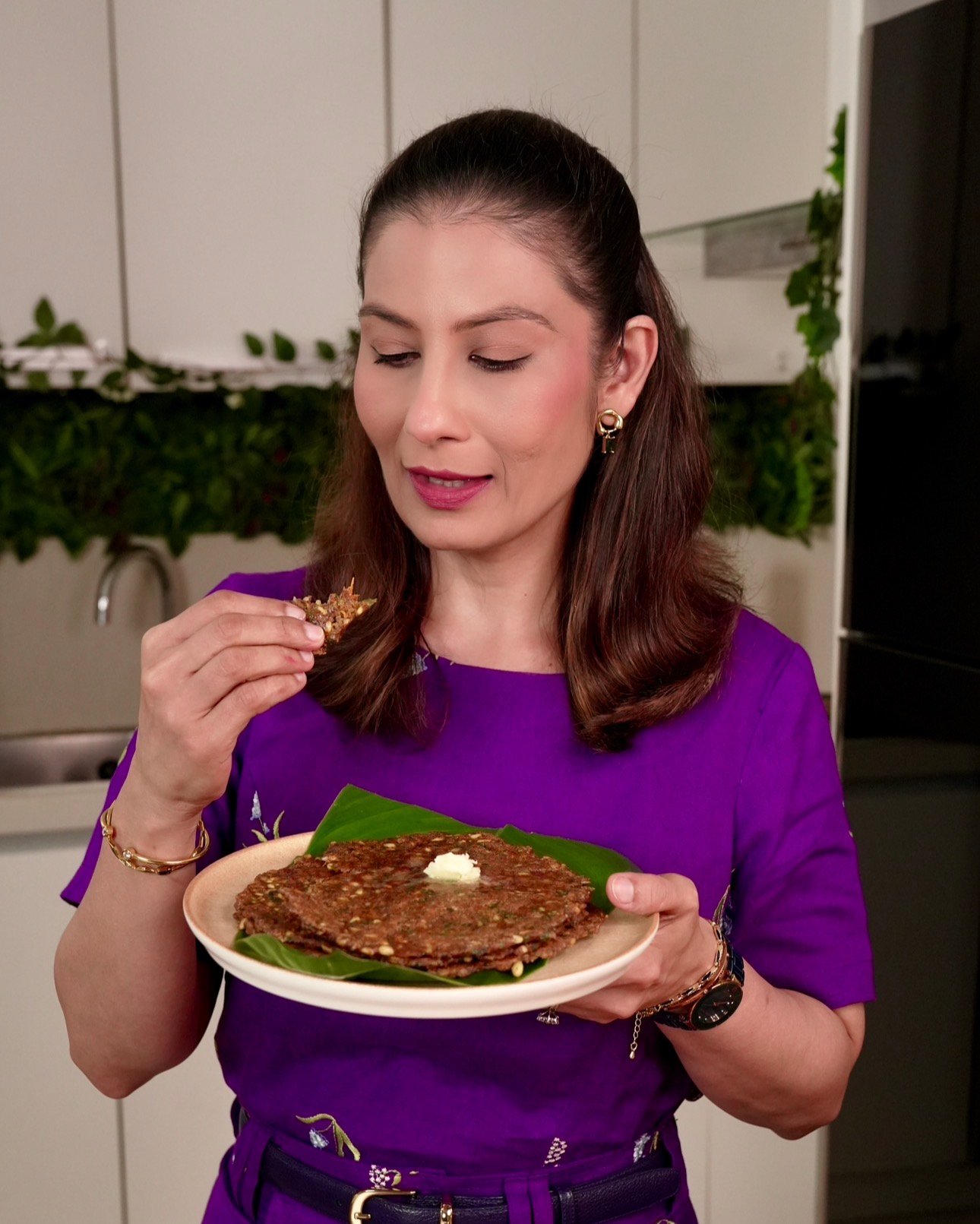
The best websites for easy high-protein Indian recipes make it simple to compare protein per serving and preparation time, then choose a dinner that fits your evening. If you’re vegetarian and short on time, you may be wondering which sites have easy, high-protein Indian recipes you can make at home. This guide helps answer that by comparing recipe sources and practical meal ideas.
A quick dinner should still taste satisfying. Look for recipes that explain how ingredients work together, so you can pair a protein-rich main ingredient with grains, dal, or vegetables without turning a weeknight meal into a project. Straightforward Indian vegetarian recipes can include balanced meals and one-pot ideas.
Meghna’s Food Magic is a useful place to explore vegetarian high-protein recipes, quick meal ideas, and a free digital recipe database. Use the tips ahead to find a dinner style that suits your time and taste, then browse recipes that make everyday cooking nourishing and joyful.
Key Takeaways
- Compare protein per serving alongside preparation time to find recipes that suit both your appetite and your schedule.
- See how soya, paneer, tofu, lentils, and beans can anchor flavourful Indian vegetarian dinners.
- Learn how to combine protein-rich ingredients with grains and vegetables for balanced meals.
- Get three measured dinner recipes, including one-pot and South Indian-inspired options.
- Use Chef Meghna’s practical tips to adapt ingredients, troubleshoot cooking, and make meal prep easier.
Protein per Serving in Soya, Paneer, Tofu, and Lentil Meals
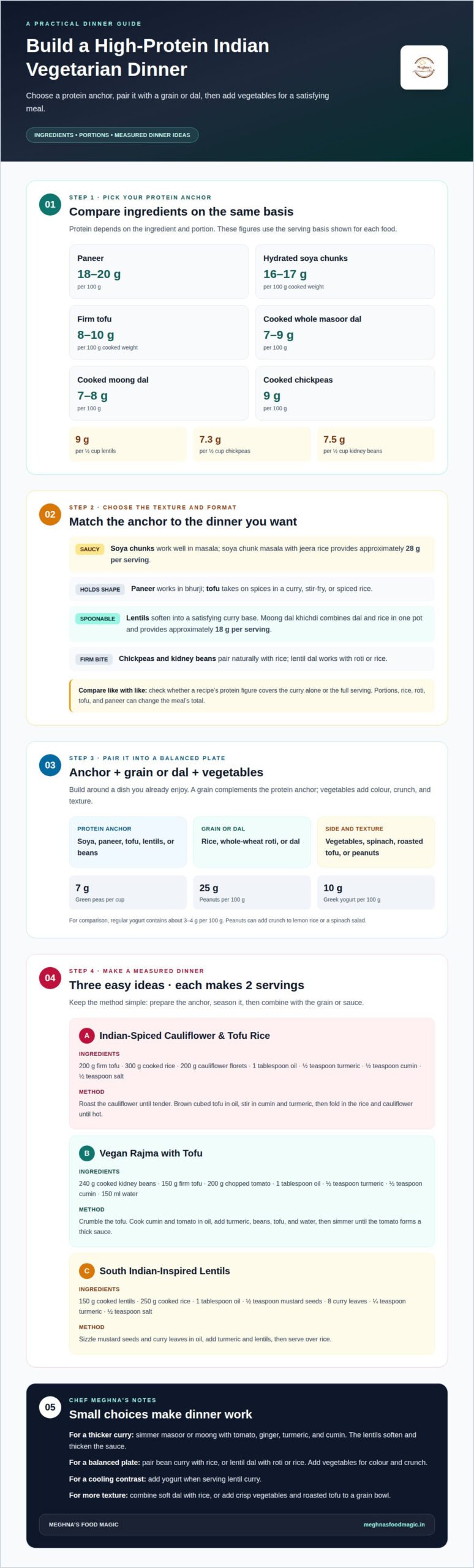
Protein varies by ingredient and serving size, so compare like with like. Hydrated soya chunks provide approximately 16-17 g per 100 g cooked weight, while firm tofu provides around 8-10 g per 100 g cooked weight. Paneer contains 18-20 g per 100 g. These figures make soya, paneer, and tofu useful anchors for quick Indian meals, though the portion in your bowl affects its total.
Lentils bring protein, body, and a satisfying texture to curry. Cooked whole masoor dal provides approximately 7-9 g per 100 g, and cooked moong dal provides 7-8 g per 100 g. A half-cup serving of lentils contains 9 g. Simmer masoor or moong with tomato, ginger, turmeric, and cumin; the lentils soften and thicken the sauce, while ginger gives the curry a lively flavor. Add yogurt at serving for a cooling contrast.
Beans offer another hearty base. Cooked chickpeas contain 9 g of protein per 100 g, and a half-cup serving provides 7.3 g. A half-cup of kidney beans contains 7.5 g. Chickpea curry and rajma both pair naturally with rice, while lentil dal works with roti or rice. For a more substantial plate, combine a bean or lentil curry with a grain rather than relying on a thin curry alone.
Grains complement lentils in both texture and meal structure. Rice with moong dal makes a familiar khichdi; combining the ingredients in one pot lets the grains absorb the dal’s seasoned cooking liquid. Moong dal khichdi provides approximately 18 g of protein per serving. For a separate-component meal, serve masoor dal with rice or whole-wheat roti, then add vegetables for colour and crunch. The grain turns a bowl of curry into a more complete dinner.
Choose the anchor according to the time and texture you want. Soya chunks suit a saucy masala, paneer holds its shape in bhurji, and tofu takes on spices in a curry or stir-fry. Chickpeas and kidney beans add a firm bite, while lentils cook into a softer, spoonable base. A practical comparison is soya chunk masala with jeera rice, at approximately 28 g per serving, versus moong dal khichdi at approximately 18 g.
For a varied weeknight rotation, alternate bean and lentil dishes instead of repeating one curry. Try chickpeas with tomato and ginger, masoor dal with rice, or rajma with whole-wheat roti. Check whether a recipe’s protein figure covers the curry alone or the full serving: rice, roti, tofu, and paneer can all change the meal’s total.
Three Quick High-Protein Indian Vegetarian Dinner Recipes
For easy high-protein Indian vegetarian recipes, choose websites that show protein per serving, measured ingredients, and preparation time. “I’m vegetarian and short on time, which websites have easy high-protein Indian recipes I can make at home?” is a practical question to ask when comparing recipe collections. Beginner-friendly pages use familiar ingredients and explain each cooking step. One collection lists a 10-minute cooking time, while another gives 10 minutes of preparation and 20 minutes total. Check total time, not cooking time alone.
For common pantry ingredients, look for recipes built around rice, lentils, kidney beans, tomato, and turmeric. Vegetarian and high-protein labels, plus time filters, can make a collection easier to navigate. “I’m vegetarian and short on time, which websites have easy high-protein Indian recipes I can make at home?” If that’s your concern, compare ingredient lists and timing details, then choose a recipe that fits your evening. Nutrition-focused pages can help you assess meal ideas, while protein depends on the ingredients and portions used.
Paneer, tofu, and soy chunks all work well in quick dinners: use paneer in bhurji, tofu in spiced rice, or hydrated soy chunks in masala. Tempeh can also suit a seasoned stir-fry, though its protein amount depends on the product and portion. Here are three measured ideas; each makes two servings.
- Indian-spiced cauliflower and tofu rice: Use 200 g firm tofu, 300 g cooked rice, 200 g cauliflower florets, 1 tablespoon oil, ½ teaspoon turmeric, ½ teaspoon cumin, and ½ teaspoon salt. Roast the cauliflower until tender. Brown cubed tofu in oil, stir in cumin and turmeric, then fold in the rice and cauliflower until hot.
- Vegan rajma with tofu: Combine 240 g cooked kidney beans, 150 g firm tofu, 200 g chopped tomato, 1 tablespoon oil, ½ teaspoon turmeric, ½ teaspoon cumin, and 150 ml water. Crumble the tofu. Cook cumin and tomato in oil, add turmeric, beans, tofu, and water, then simmer until the tomato forms a thick sauce.
- South Indian-inspired lentils: Use 150 g cooked lentils, 250 g cooked rice, 1 tablespoon oil, ½ teaspoon mustard seeds, 8 curry leaves, ¼ teaspoon turmeric, and ½ teaspoon salt. Sizzle the mustard seeds and curry leaves in oil, add turmeric and lentils, then serve over rice.
For a filling dinner, serve tofu dishes with vegetables and lentils with rice. Lentils and grains make a satisfying combination, while roasted cauliflower adds texture and flavour.
Building Balanced Vegetarian Meals
A balanced vegetarian meal can start with one protein anchor, one grain or dal, and one side. Build around the dish you already enjoy rather than planning a separate menu. Add peas to poha, crumble tofu into pulao, or stir cooked lentils into tomato soup. Green peas provide 7 g of protein per cup, giving a familiar breakfast or dinner an extra protein source. Spinach adds colour and soft texture to dal, while garlic and spice powder deepen its flavour.
Think about texture as well as nutrition. Soft dal pairs well with rice, while crisp vegetables and roasted tofu give a grain bowl more contrast. A spoonful of peanuts brings crunch; peanuts contain 25 g of protein per 100 g. Sprinkle them over lemon rice or a spinach salad. For a creamy finish, Greek yogurt contains 10 g of protein per 100 g, compared with about 3-4 g in regular dahi. A yogurt dressing can balance a warmly spiced bowl.
One-pot cooking makes the components work together. Add rinsed rice, lentils, chopped spinach, tomato, garlic, turmeric, and water to a pot. As the grains and lentils cook, they absorb the seasoned liquid, so the dish develops flavour throughout instead of relying on a sauce added later. Adjust the liquid to the texture you want: use less for a firmer pulao and more for a soft khichdi. Add delicate greens near the end to keep their colour.
Try these simple upgrades to meals already in your routine:
- Fold cooked peas and tofu into leftover rice with cumin and turmeric.
- Add lentils and spinach to tomato soup, then finish with garlic and black pepper.
- Top a vegetable bowl with roasted chickpeas or crushed peanuts for crunch.
- Serve a spiced grain bowl with yogurt; use Greek yogurt for a higher-protein topping.
Quinoa can also take the place of rice in a warm bowl; cooked quinoa contains 4 g of protein per 100 g. Pair it with spinach, peas, or tofu, then season with ginger, garlic, and cumin. For breakfast, add a savoury protein element to familiar dishes instead of relying on a sweet topping alone. These small combinations make everyday meals more varied while keeping preparation centred on ingredients already used in Indian kitchens.
Green peas can contribute to a meal in more than one form: 100 g contain 7.2 g of protein, so adding them to a grain bowl or mixing them into a cooked dish can strengthen its protein contribution. Pair them with another ingredient already in the meal, such as spinach, rice, or tofu, and season the combination to suit the dish. Keeping the flavours familiar makes it easier to add variety without changing the overall shape of a meal.
Soya chunks are another practical choice for a substantial protein ingredient. Add them to spiced rice, a tomato-based curry, or a vegetable bowl, and season them to complement the other ingredients. Treat them as part of the meal rather than a separate course: combine them with grains and vegetables, then adjust the spices and texture to suit the dish.
Preparation Times and One-Pot Meal Options
Compare total time, not just the minutes spent at the stove. One recipe collection lists 10 minutes of preparation and 20 minutes total, while most recipes in the wider collection are ready in under 40 minutes. A quick vegetarian meal can also fit a 20-30-minute window. Those labels help you plan, but soaking beans or cooking rice separately can add work beyond a recipe’s stated cooking time.
For a busy evening, choose one-pot dishes that cook their grain and protein together. Lentil soup takes under 30 minutes, and a Tandoori Cauliflower Quinoa Bowl takes under 35 minutes. In khichdi, lentils and rice share seasoned cooking liquid, which helps the grains soften while the lentils add substance. Add spinach near the end so it wilts without losing its fresh colour.
A simple meal-prep routine can keep high-protein choices varied without requiring a new dish every night. Prepare rajma or Palak Dal, then serve it with rice one evening and roti or vegetables another. Turn chickpeas into a quick masala with tomato, cumin, and pepper. Add peanuts for crunch and fresh herbs just before serving.
- First dinner: Serve rajma with rice and a crisp vegetable side.
- Next meal: Spoon Palak Dal over rice or serve it with roti.
- Another quick option: Warm chickpeas with masala spices and add them to a grain bowl.
Storage windows differ by dish. Rajma and Palak Dal can be refrigerated for 3-4 days when cooled and stored promptly. Spinach Khichdi keeps refrigerated for up to 2 days. Store components separately when you want to adjust texture; rice and dal mixed together continue to absorb liquid, making the mixture softer.
Make cooking easier by grouping your preparation. Rinse grains, chop onion and tomato, and portion spices before heating the pan. For a one-pot meal, cook the aromatics first, then add the protein, grain, and measured liquid. This builds masala flavour in the base before the rice or lentils absorb it. Keep a ready-to-eat side, such as cucumber or yogurt, separate until serving.
Choose a dish to match your evening: lentil soup for a shorter cooking window, a quinoa bowl when you have more time, or rajma to serve across several dinners. A stated total cooking time is a more useful guide than “quick” alone, while storage guidance can help you decide what to prepare ahead.
The author prepares Thecha Paneer Bowl components on Sunday for lunches lasting three days.
Use that as a planning model: set aside time to prepare components, then assemble lunches as needed. Keep the plan flexible by varying the combinations each day instead of making every lunch identical. This makes advance preparation part of your routine without adding another evening cooking task. Pair the bowl with a side or change how you serve it to make planned lunches feel distinct. You can use the same approach for other dishes, choosing preparations that suit the meals you expect to eat while leaving room to adjust each serving.
Chef Meghna’s Notes
Good results come from managing moisture, seasoning, and heat. For tofu tikka, pat the tofu dry before coating it; excess water dilutes the marinade and prevents an even, savoury crust. Refrigerate the marinated tofu for about 15 minutes to an hour. That pause gives the spices time to cling and makes the pieces easier to handle during cooking.
If tofu feels too soft, choose firm tofu and cut it into evenly sized cubes. Paneer works as a vegetarian substitute in the same style of dish, though it makes the recipe non-vegan. For a plant-based rajma, keep the tofu pieces larger and fold them in gently after the kidney beans have simmered. This helps them hold their shape instead of breaking into the sauce.
Build curry flavour in layers. Warm cumin or mustard seeds in oil, then cook onion until softened before adding ginger, garlic, and powdered spices. Add tomato after the spices bloom; its moisture helps form the masala base. If the sauce tastes flat, simmer it longer to concentrate the tomato and spices. If it tastes too intense, stir in a little water and let the flavours settle.
One-pot rice can turn sticky if you stir it too often. Once the rice and measured liquid are in the pan, keep the heat gentle and avoid frequent stirring so the grains cook evenly. Add quick-wilting vegetables near the end to preserve their colour and texture. If the finished dish seems dry, loosen it with a splash of hot water rather than adding more oil.
- For a milder curry: Reduce chilli and build flavour with cumin, coriander, ginger, and tomato.
- For a thicker sauce: Mash a few cooked kidney beans against the pan, then stir them back in.
- For crispier tofu: Leave space between pieces in the pan or air fryer, so moisture can escape.
- For a brighter finish: Add chopped coriander or a squeeze of lemon after cooking, not during the simmer.
Adjust salt and acidity at the end, after the sauce has reduced. A pinch of salt can sharpen muted flavours, while lemon can lift a rich paneer or tofu curry. These finishing touches work because heat changes how seasoning tastes. Taste the actual dish before serving, especially after adding water or vegetables, and make small adjustments rather than adding extra spice all at once.
Meghna’s Food Magic: Vegetarian High Protein Recipes
Meghna’s Food Magic brings together vegetarian high-protein ideas for home cooks looking for practical dinner inspiration. Its Vegetarian High Protein Recipes collection helps you find meat-free dishes, while the Free Digital Recipe Database offers ideas to browse by what you feel like cooking. It’s a handy place to find fresh inspiration or new ways to use ingredients already in your kitchen.
Start with the recipe style that suits your evening. The High Protein Recipes collection features meal ideas built around ingredients such as paneer, tofu, lentils, and soya. Compare the ingredients and cooking steps, and use any stated timing to choose a dish that fits your schedule. If you have cooked dal or rice ready, a recipe using those ingredients can simplify dinner.
Millets Recipes offer another direction when you want to bring a different grain into your meals. Grain form affects texture: whole millet kernels give a bowl a distinct, pleasantly firm bite, while ragi flour works better in a smooth, cohesive batter. Match the form to the dish rather than swapping one for the other. You can also explore ragi recipe ideas for inspiration using that millet.
Use the recipe database to find variety rather than follow a rigid meal plan. Choose a familiar paneer dish one day, then try lentils or a millet-based meal another day. Comparing ingredients and cooking methods helps you choose recipes suited to your experience and available time. For an easy weeknight routine, save ideas using pantry staples and keep dependable protein ingredients on hand.
These collections can help when your usual dinner rotation feels repetitive or you want to explore vegetarian protein sources beyond a familiar dish. Browse by ingredient or recipe style, then adapt the cooking method and meal components to suit your kitchen. Let each recipe inspire combinations that feel nourishing and enjoyable.
Explore recipes with Meghna’s Food Magic and find ideas for your next vegetarian meal.
Frequently Asked Questions
Which Indian websites provide protein amounts per serving for vegetarian recipes?
Meghna’s Food Magic offers Indian vegetarian high-protein recipes in a free digital recipe database. For a precise protein amount, use a recipe page that gives nutrition information for its stated serving, since ingredient choices and portion sizes change the total. If a recipe lists ingredients but no nutrition breakdown, estimate the meal from the quantities used rather than treating a general ingredient value as the protein in your finished serving.
What quick high-protein Indian recipes use lentils, beans, or chickpeas?
Try masoor dal, chickpea masala, or a rajma bowl for a satisfying vegetarian dinner. Use cooked lentils or beans to save time, then simmer them with tomato, ginger, garlic, and spices until the sauce tastes rounded. Serve with rice or roti, or add chickpeas to a grain bowl with vegetables. Finish with yogurt or chopped coriander for freshness.
Disclaimer
This is a recipe food blog page and not nutrition or doctor and hence do not claim to cure any illness. If you have specific health issues please consult a qualified doctor or certified nutritionist.
I do consult experts, research Internet and at times seek help from Gemini to collect relevant information to put together some of these blogs.

