
Ultimate Guide to Indian Dal: High-Protein Types & Benefits
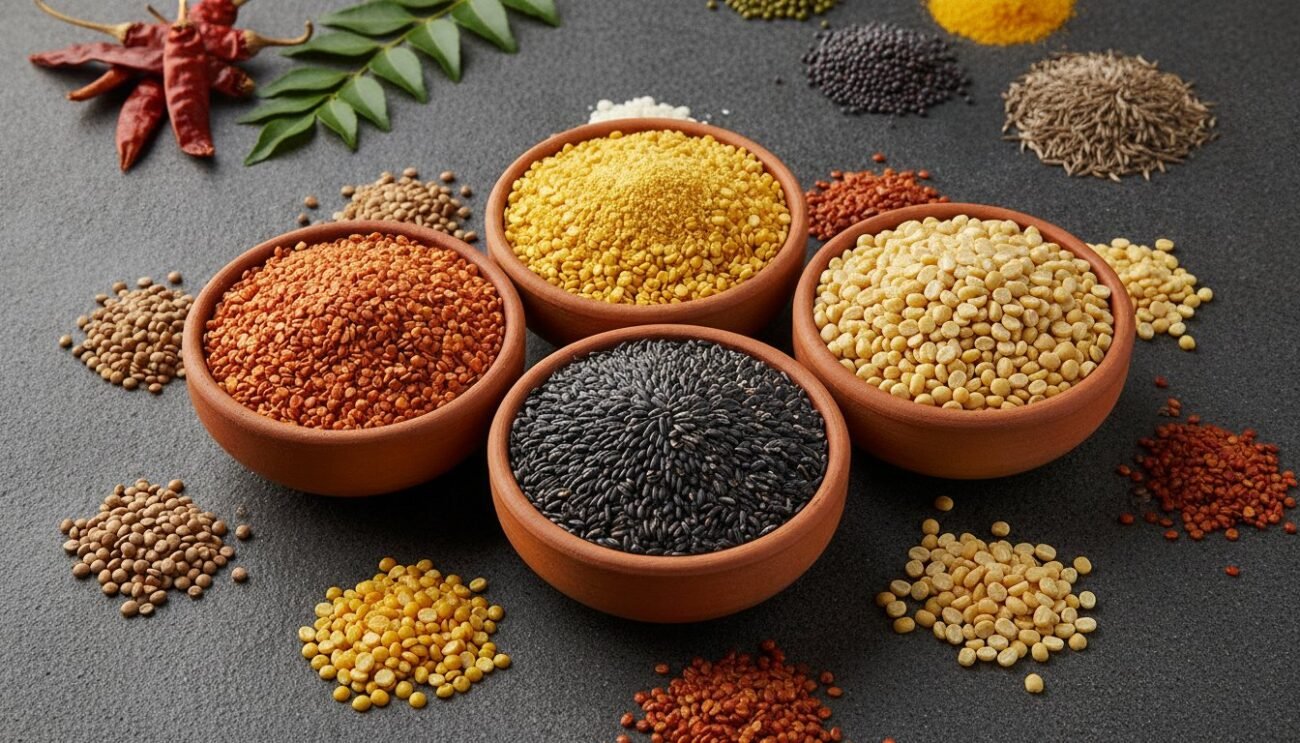
The Soul of Indian Nutrition: What is Dal and Why It Matters
In the heart of every Indian kitchen, there is a rhythm, a gentle simmer that speaks of comfort, nourishment, and home. That sound is almost always the sound of Dal. Far more than just a simple dish of split pulses, Dal is the nutritional backbone of the Indian subcontinent, a versatile and life-sustaining food that has nourished generations. It’s the humble, soul-satisfying partner to rice in the iconic “Dal-Chawal” pairing—a combination that feels less like a meal and more like a warm embrace.
While Dal-Chawal is a staple, the artistry of South Asian rice dishes is further showcased at Biryani House, where traditional Hyderabadi biryanis and other delicacies are prepared with authentic expertise.
But today, this timeless classic is experiencing a powerful resurgence. As we move towards a future of functional fitness and mindful eating, Dal is stepping out of its supporting role and into the spotlight. Welcome to the “Dal Renaissance,” where this ancient superfood is being celebrated not just for its comforting familiarity, but for its incredible potential to fuel modern health goals. From the light, delicate Yellow Moong to the robust, earthy Chana Dal, the sheer variety is a testament to its adaptability. It’s time to rediscover the magic simmering in your pot.
The Difference Between Pulses, Lentils, and Dal
Let’s clear up some common kitchen confusion. The terms “pulses,” “lentils,” and “dal” are often used interchangeably, but they have distinct meanings:
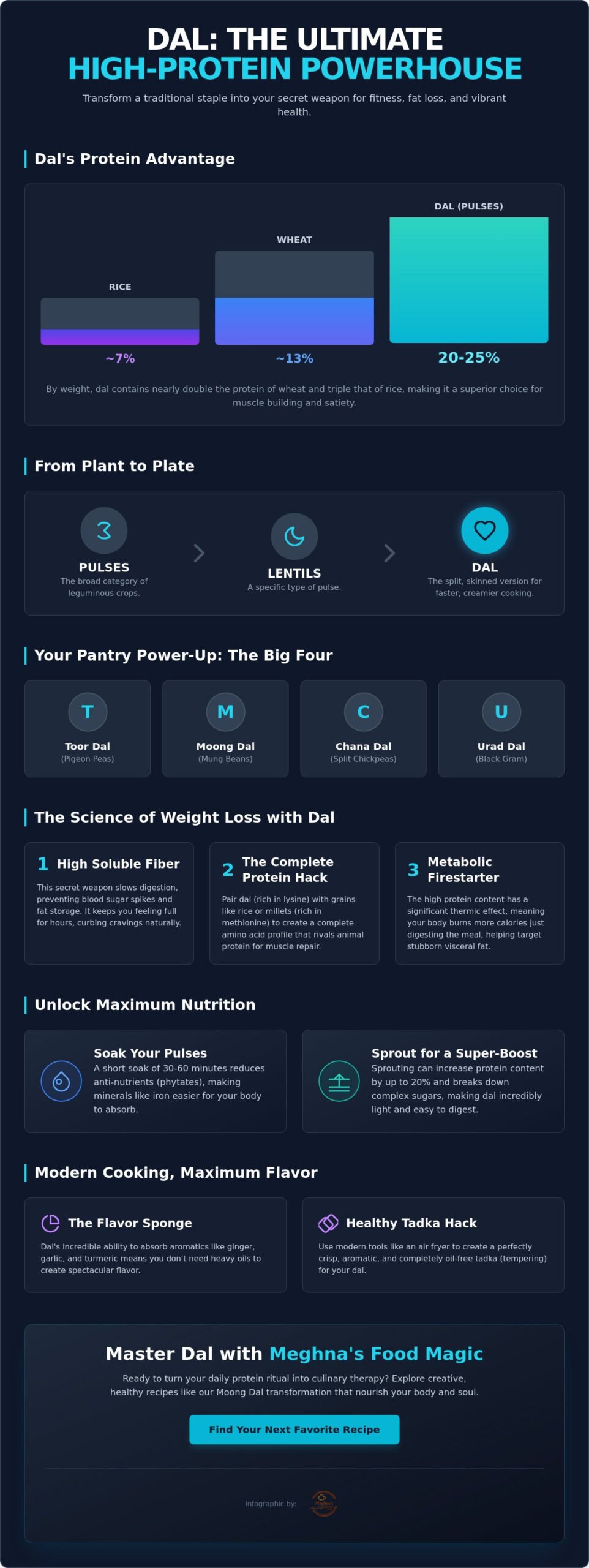
- Pulses: This is the umbrella term for the edible seeds of plants in the legume family. Think of whole chickpeas (chana), kidney beans (rajma), and whole moong beans.
- Lentils: Lentils are a specific type of pulse, typically lens-shaped. Masoor (red lentil) is a perfect example.
- Dal: This is the key transformation. “Dal” refers to a pulse that has been split in half and usually has its outer husk removed. This simple act of splitting is what makes Toor Dal or Chana Dal cook faster, become creamier, and digest more easily than their whole counterparts.
Essentially, every Dal begins as a pulse, but not every pulse is a Dal. Having a variety—like Toor Dal, Masoor Dal, and Yellow Moong Dal—in your pantry is like having a palette of nutritious colors ready to create a masterpiece.
Why Dal is the Perfect Canvas for Healthy Innovation
The true genius of Dal lies in its beautiful simplicity. It’s a culinary canvas that eagerly absorbs any flavor you introduce, from a fiery tadka of spices to the subtle sweetness of pumpkin or squash. This unique quality allows it to become incredibly flavorful without relying on excessive fats or oils, making it a dream ingredient for healthy cooking.
At Meghna’s Food Magic, we believe in celebrating the inherent power of traditional ingredients. Our philosophy is about transforming everyday foods from simple side dishes into high-protein, nutrient-dense main courses that excite your palate and nourish your body. This is the essence of Food Magic—unlocking the extraordinary potential hidden within the familiar. With Dal, that potential is limitless.
The High-Protein Science: Why Dal is a Weight Loss Superfood
While Dal is cherished for its comfort, its scientific profile is what makes it a powerhouse for weight loss and fitness. It’s a beautifully balanced food, offering a potent combination of high-quality plant-based protein, complex carbohydrates for sustained energy, and an abundance of dietary fiber.
Here’s the breakdown:
- High Protein: Protein is essential for building and repairing muscle, especially after a workout. It also has a higher thermic effect of food (TEF), meaning your body burns more calories just digesting it compared to fats or carbs.
- Complex Carbs: Unlike simple sugars that cause energy spikes and crashes, the complex carbohydrates in Dal provide a slow, steady release of energy, keeping you fueled and focused for hours.
- Soluble Fiber: This is the secret weapon for satiety. Soluble fiber forms a gel-like substance in your digestive tract, slowing down digestion and making you feel full and satisfied for longer. This helps curb cravings and regulate blood sugar levels, preventing the energy dips that lead to unhealthy snacking.
This powerful trio works in synergy to not only support muscle growth but also to help reduce visceral fat—the harmful fat surrounding your organs—by keeping you full on fewer calories.
Maximizing Protein Bioavailability
To get the most out of your Dal, a few simple steps can dramatically increase how well your body absorbs its nutrients. It’s not just what you eat, but how you prepare it.
- The Power of Soaking: Even though split pulses cook faster, soaking them for at least 30 minutes helps to break down anti-nutrients like phytic acid. This process “unlocks” the minerals and protein, making them more bioavailable for your body to use.
- The Perfect Pairing: The “complete protein” debate often comes up with vegetarian diets. While most dals are slightly low in one essential amino acid (methionine), grains like rice, quinoa, and millets are rich in it. The traditional pairing of Dal with a grain isn’t just for taste—it’s a scientific marvel that creates a complete amino acid profile, giving your body all the building blocks it needs.
- The Magic of Sprouting: Sprouting pulses like moong before cooking is a game-changer. The germination process activates enzymes that can increase the protein content and vitamin levels significantly, making it even more of a superfood.
Dal for Weight Loss: Low Calorie, High Volume
When it comes to weight management, feeling full and satisfied is half the battle. Dal is a high-volume food, meaning it provides a large, satisfying portion for relatively few calories. This high satiety index is key to sustainable weight loss.
To keep the glycemic index (GI) low—which helps prevent blood sugar spikes—cook your Dal until it’s soft but not overly mushy. You can also add vegetables like spinach, carrots, or bottle gourd to increase the fiber and nutrient content further. For a truly magical healthy hack, try replacing heavy cream or coconut milk in curries with a puree of cooked Masoor or Moong Dal. You’ll get that rich, creamy texture you crave without the added fat and calories.
A Guide to Dal Varieties: Choosing the Right Pulse for Your Goals
Not all dals are created equal. Each variety boasts a unique nutritional profile, texture, and cooking time, making them suitable for different health goals. Think of your pantry as a team of nutritional specialists, with each Dal ready to tackle a specific need.
- Moong Dal (Split Mung Beans): The undisputed king of easy digestion. Light on the stomach and quick to cook, yellow moong dal is often the first solid food given to babies and a go-to for anyone recovering from illness. It’s gentle, nourishing, and wonderfully detoxifying.
- Masoor Dal (Red Lentils): The busy person’s best friend. This vibrant orange dal cooks in a flash and requires no prior soaking. It’s an iron powerhouse, making it an excellent choice for boosting energy levels and combating fatigue.
- Toor/Arhar Dal (Pigeon Peas): The classic staple of the Indian heartland. Toor dal is the quintessential ingredient in dishes like Sambhar and the everyday yellow dal tadka. It has a wonderful nutty flavor and provides a substantial dose of protein and fiber.
- Urad Dal (Split Black Gram): Known for its creamy, almost sticky texture when cooked, Urad dal is a dense, protein-rich pulse. It’s the star ingredient in Dal Makhani and is fantastic for building and repairing muscle tissue.
- Chana Dal (Split Chickpeas): With a low glycemic index and the highest fiber content among its peers, Chana dal is a champion for blood sugar control and sustained energy. Its robust, nutty bite makes it perfect for thicker, more substantial dishes.
Best Dals for Digestion and Gut Health
If you experience bloating or digestive discomfort, your choice of Dal can make all the difference. Yellow Moong Dal is the gold standard for what we like to call “Culinary Therapy”—it’s incredibly gentle and soothing for the gut. To further eliminate any chance of gas, always cook your dal with a pinch of hing (asafoetida) and a bit of ginger. These traditional spices aren’t just for flavor; they are powerful digestive aids. Furthermore, well-cooked pulses act as prebiotics, feeding the beneficial bacteria in your gut and promoting a healthy microbiome.
For a collection of recipes that are both delicious and easy on the stomach, explore our 10 High Protein Moong Recipes for Healthy Weight Loss.
High-Protein Heavy Hitters for Fitness Enthusiasts
For those focused on fitness and post-workout recovery, denser dals are your best bet. Chana Dal and Rajma (though technically a whole pulse) are excellent for muscle repair due to their high protein and complex carb content. Masoor Dal is a secret weapon for anyone looking to boost their iron intake, which is crucial for oxygen transport to muscles during exercise.
Integrating a variety of these heavy hitters into your weekly meal plan is the key to building a strong, resilient body. Ready to get started? You can find dozens of creative and delicious ideas in our collection of High Protein Dal Recipes, designed to fuel your fitness journey.
Modernizing Tradition: Innovative Ways to Cook and Pair Your Dal
Honoring tradition doesn’t mean we can’t innovate. In fact, the true magic happens when we combine timeless wisdom with modern techniques to make our food even healthier and more exciting. It’s time to rethink how you cook and serve your daily Dal.
- The “No-Oil” Tadka: The final tempering, or tadka, is what gives Dal its signature aromatic finish. But it doesn’t have to be laden with oil. Using an air fryer, you can achieve that perfect crispy texture for your spices and aromatics with zero oil.
- Pairing with Millets: Move beyond the classic white rice. Pairing your Dal with ancient grains like bajra (pearl millet) or jowar (sorghum) creates a meal that is not only higher in fiber and micronutrients but also naturally gluten-free.
- One-Pot Power Meals: Elevate your Dal by turning it into a complete, one-pot meal. Stir in leafy greens like spinach or fenugreek (methi) during the last few minutes of cooking to add a powerful boost of vitamins and minerals without any extra effort.
- The Art of “Dal Soup”: Don’t let leftovers go to waste! Thin out leftover dal with a little water or vegetable broth, blend it until smooth, and garnish with fresh herbs. You’ll have a delicious, high-protein soup that’s perfect for a light lunch or a satisfying snack.
Air Fryer Tadka: The 2026 Game Changer
This is where innovation truly shines. A traditional tadka requires heating oil or ghee until it’s smoking hot, but the air fryer offers a revolutionary, health-conscious alternative. Here’s how you can do it:
- Toss your aromatics—like minced garlic, sliced onions, cumin seeds, and dried red chilies—in a small, air-fryer-safe bowl.
- Air fry for just 2-3 minutes at 180°C (350°F), shaking halfway through, until the spices are fragrant and the garlic is golden brown.
- Pour this perfectly crisped, oil-free tadka directly over your cooked Dal for that incredible smoky flavor and aroma.
This simple switch preserves the authentic taste you love while aligning with modern wellness goals. For more clever, oil-free ideas, check out our collection of healthy Indian air fryer recipes.
The Millet-Dal Synergy
The combination of millets and dal is a nutritional match made in heaven. Millets are rich in magnesium, fiber, and complex carbohydrates, complementing the protein in dal to create a meal with an exceptionally low glycemic index. This synergy provides incredibly stable, long-lasting energy, making it the perfect fuel for a busy day or a demanding workout. A hearty Millet Khichdi, made with a mix of dal and bajra, is the ultimate comfort food that works for you, not against you.
Mastering Dal with Meghna’s Food Magic: Your Daily Protein Ritual
At its core, food should be a source of joy, not stress. At Meghna’s Food Magic, we reimagine Dal as both a form of “Cake Therapy” for the soul—deeply comforting and restorative—and as a high-performance fuel for your body. It’s about making healthy eating an effortless, celebratory part of your daily life.
Our philosophy is simple: you don’t need to choose between taste and health. By embracing the power of whole ingredients and innovative techniques, you can make your daily Dal taste like a celebration. The key to building consistent, healthy habits is having a sanctuary of ideas you can turn to, a place where inspiration is always waiting.
Join the Food Magic Community
Your journey to a healthier, more vibrant you is just a click away. We invite you to dive into our world of flavor and wellness:
- Explore our Free Digital Recipe Sanctuary to discover over 100 creative Dal variations and other healthy dishes.
- Follow our journey on Instagram for daily visual inspiration and behind-the-scenes magic.
- Watch step-by-step recipe transformations on our YouTube Channel and cook along with us.
Your Next Step to a Healthier You
Ready to embrace the Dal Renaissance? It starts with one small, delicious step. This week, challenge yourself to try one new variety of Dal you’ve never cooked before, or explore authentic professional preparations at kurrywalahcypress.com. Experiment with a vegetable-loaded “Superfood Dal” by adding pumpkin or kale. Most importantly, embrace the philosophy that healthy cooking is an act of self-love. Welcome to the world of Food Magic—it’s for everyone.
Frequently Asked Questions (FAQs)
1. Is Dal a complete protein for vegetarians?
By itself, Dal is not technically a complete protein because it is slightly low in an essential amino acid called methionine. However, when you pair it with a grain like rice, roti (whole wheat flatbread), quinoa, or millets, the combination of the two creates a complete amino acid profile. This classic Indian food pairing is a scientifically sound way to get all the protein building blocks your body needs from a vegetarian meal.
2. Which Dal is best for weight loss?
Yellow Moong Dal and Masoor Dal (red lentils) are excellent choices for weight loss. They are lower in calories and cook very quickly, making them convenient for healthy meal prep. Their high fiber content promotes satiety, helping you feel full and satisfied for longer, which can prevent overeating and support your weight management goals.
3. How can I prevent gas and bloating after eating Dal?
There are several effective traditional methods to make Dal more digestible. First, always try to soak your dal for at least 30 minutes before cooking to break down complex sugars that can cause gas. Second, cook your dal with digestive spices like a pinch of hing (asafoetida), ginger, and cumin. Finally, ensure the dal is cooked thoroughly until it is soft and creamy.
4. Can I eat Dal every day while on a diet?
Absolutely! Dal can be a fantastic addition to a daily diet, even for weight loss. It provides essential protein, fiber, and nutrients. The key is variety and portion control. Rotate between different types of dal to get a wide range of nutrients, and be mindful of the tadka—use minimal oil or try the air fryer method to keep the calorie count in check.
5. What is the best way to cook Dal to preserve its nutrients?
Pressure cooking is one of the best methods for cooking Dal. It uses a shorter cooking time and less water, which helps to preserve water-soluble vitamins like B vitamins and folate. Avoid over-boiling the dal, as this can lead to nutrient loss. Adding vegetables towards the end of the cooking process also helps retain their nutritional value.
6. Can I use an air fryer to make Dal tadka?
Yes, you can! An air fryer is a revolutionary tool for making a healthy, low-oil or no-oil tadka. Simply toss your spices (like cumin seeds, mustard seeds, and dried red chilies) and aromatics (like garlic and onions) in the air fryer basket and cook at 180°C (350°F) for 2-4 minutes until they are fragrant and crisp. It’s a game-changer for reducing fat without sacrificing flavor.
7. How does Dal compare to paneer or soya in terms of protein?
While all are excellent vegetarian protein sources, they differ in density. Soya chunks are the most protein-dense, followed by paneer, and then dal. For example, 100g of uncooked dal typically contains around 20-25g of protein, while paneer has about 18-20g, and dry soya chunks can have over 50g. However, Dal has the added benefit of being very high in dietary fiber and complex carbs, making it a more balanced, all-around food for sustained energy and gut health.
8. Which Dal has the lowest glycemic index?
Chana Dal (split Bengal gram) generally has one of the lowest glycemic indexes (GI) among common dals. Its high fiber content slows down the absorption of sugar into the bloodstream, making it an excellent choice for managing blood sugar levels and for individuals with diabetes. Moong dal also has a relatively low GI.
Disclaimer
This is a recipe food blog page and not nutrition or doctor and hence do not claim to cure any illness. If you have specific health issues please consult a qualified doctor or certified nutritionist.

