
10 High Protein Moong Recipes for Healthy Weight Loss
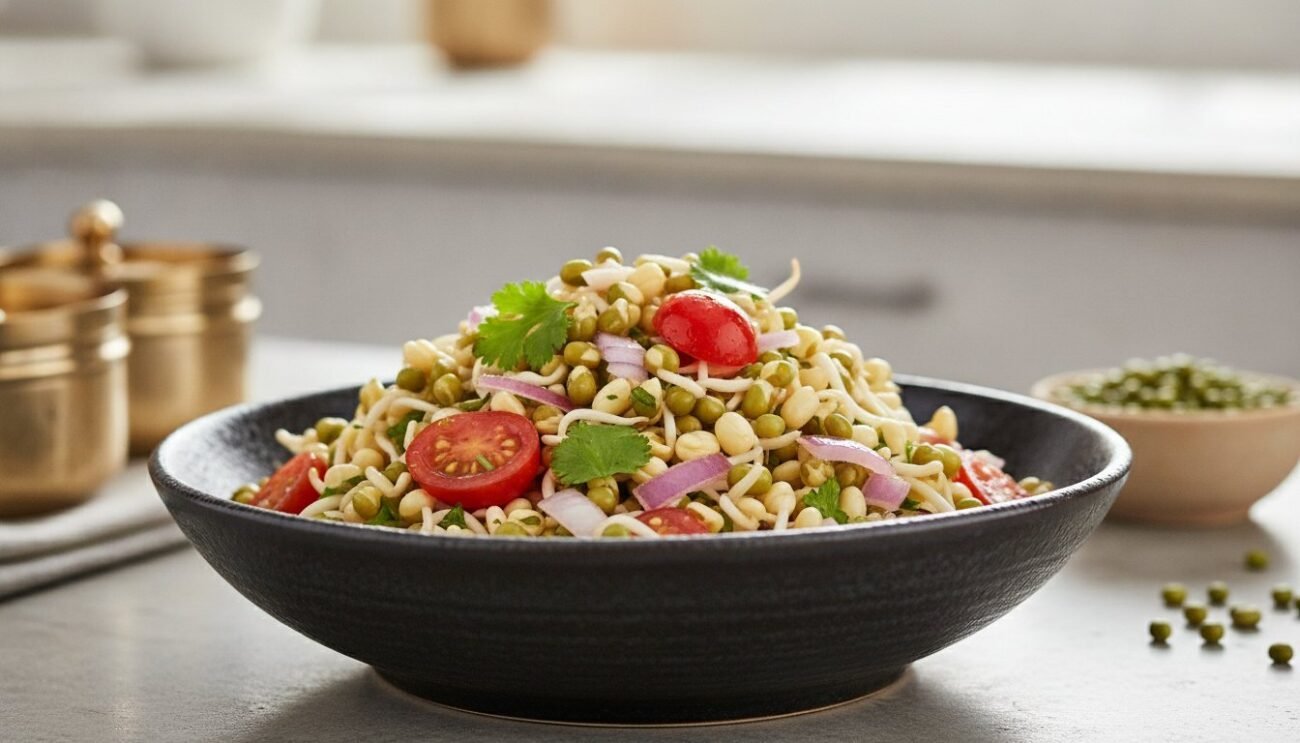
The Moong Revolution: Why This Humble Pulse is Your Ultimate Fitness Ally
Welcome to a culinary revolution where health, flavour, and tradition dance together in perfect harmony. In the vibrant world of the modern Indian kitchen, one humble pulse is reclaiming its throne as the ultimate fitness ally: the mighty moong bean. Forget bland, restrictive diets. We’re here to transform this nutrient-dense powerhouse into a canvas for your weight loss goals, proving that healthy eating can be a joyous celebration, not a chore.
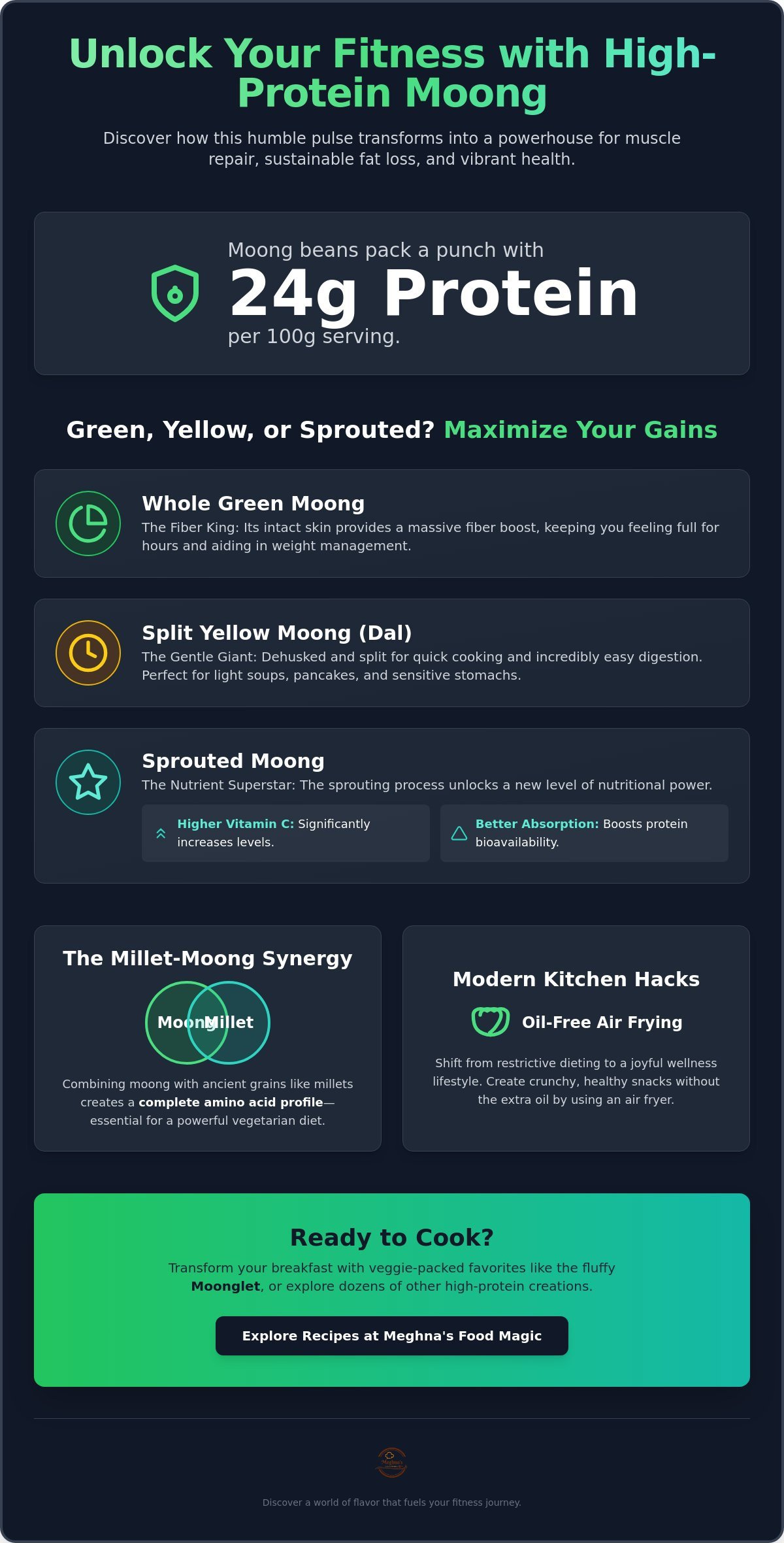
With an impressive 24g of protein per 100g, moong is a vegetarian’s dream for muscle repair, growth, and sustained energy. But its magic doesn’t stop there. Rich in dietary fibre, moong plays a crucial role in promoting satiety—that wonderful feeling of fullness that keeps cravings at bay and helps you manage your weight effectively. This high-fibre content also works to stabilize blood sugar levels, preventing the dreaded energy crashes that can derail your day. At Meghna’s Food Magic, we believe nutrition is an act of love, and with moong, you’re giving your body exactly what it needs to thrive.
Nutritional Profile: More Than Just Protein
While its protein content is legendary, moong’s nutritional profile is a treasure trove of essential micronutrients. It’s packed with folate, manganese, and magnesium, all of which are vital for heart health and overall cellular function. Furthermore, moong boasts a low glycemic index (GI), meaning it releases energy slowly and steadily, making it an excellent choice for preventing those mid-afternoon slumps. When it comes to bioavailability, the simple act of sprouting moong unlocks a new level of nutritional power, making its inherent vitamins and minerals significantly easier for your body to absorb compared to its boiled form.
The Digestive Advantage
Often hailed as the “king of dals,” moong is renowned for its exceptional digestibility. This makes it a gentle, soothing choice for sensitive stomachs and a perfect component of any detoxification plan. For those who enjoy an evening workout, its easy-to-digest protein is ideal for a post-fitness meal, helping your muscles recover without weighing you down before sleep. We believe in “culinary therapy”—the idea that what we eat directly impacts our emotional wellness. A happy gut, nurtured by wholesome foods like moong, is intrinsically linked to a clearer, more positive state of mind.
Green, Yellow, or Sprouted? Maximizing Your Protein Intake
Navigating the world of moong can seem tricky at first, but understanding the different forms is the key to unlocking its full potential. Each type offers unique benefits and is suited for different culinary applications, allowing you to tailor your meals to your specific fitness goals.
- Green Moong (Whole): This is the whole, unhusked bean, retaining its green skin and, most importantly, its high fibre content. It takes longer to cook but provides lasting satiety, making it the champion for weight management and meals that need to keep you full for hours.
- Yellow Moong (Split & Husked): When the green moong is split and its skin is removed, we get the familiar yellow dal. It cooks much faster and is incredibly easy to digest, making it the perfect choice for quick post-workout recovery meals, soups, and light dals.
- Sprouted Moong: This is where the real magic happens. Sprouting the whole green moong bean dramatically increases its nutritional value. The process boosts vitamin C content, neutralizes anti-nutrients like phytic acid, and makes the protein and minerals far more bioavailable. Sprouted moong is perfect for raw salads, light stir-fries, and high-protein snacks.
Sprouting for Success: A Step-by-Step Guide
Worried that sprouting is a complicated process? It’s surprisingly simple and requires no special equipment. With our 24-hour method, you can have a fresh batch of crunchy, nutrient-packed sprouts ready for your week. The key is to rinse the beans thoroughly to prevent bacterial growth and ensure they remain in a warm, dark place to encourage germination. Stored correctly in an airtight container in the refrigerator, your homemade sprouts can last for up to a week, giving you a ready-to-go source of high-quality protein for salads, chaats, and more.
For a detailed, step-by-step visual guide on how to get perfect sprouts every time, watch our complete tutorial on How to Sprout Moong Beans At Home. It’s a game-changer for meal prep!
Choosing Your Moong Based on Fitness Goals
Let’s make it simple. Think of your moong choice as a strategic decision to fuel your body effectively:
- For Post-Workout Recovery: Reach for Yellow Moong Dal. Its quick-digesting protein will get to your muscles faster to aid in repair.
- For All-Day Fullness & Weight Management: Choose Whole Green Moong. Its high fibre content will keep you satisfied and prevent unnecessary snacking.
- For Maximum Nutrient Absorption: Incorporate Sprouted Moong into your diet. It’s the best way to get the most vitamins and minerals out of every bean.
The Millet-Moong Synergy: A Powerhouse Combination for Weight Loss
Welcome to the “Millet Renaissance,” a movement that’s bringing ancient Indian grains back to the forefront of modern health. When you pair the high-protein power of moong with the high-fibre goodness of millets like Jowar (Sorghum), Bajra (Pearl Millet), and Ragi (Finger Millet), you create a nutritional synergy that is unparalleled for weight loss and overall wellness.
This classic pulse-and-grain combination also elegantly solves the “complete protein” puzzle for vegetarians. While moong is rich in many essential amino acids, combining it with millets ensures you receive the full spectrum, creating a complete protein profile that rivals any animal source. This is the foundation of traditional Indian wisdom, now supercharged for your modern fitness journey. For a deeper dive into these incredible grains, explore our guide on redefining healthy Indian cooking.
Jowar and Moong: The Gluten-Free Power Couple
Jowar, or Sorghum, is a gluten-free wonder grain celebrated for its role in weight management and heart health. Its complex carbohydrates provide sustained energy, making it an ideal partner for moong. Imagine a savoury Jowar-Moong Adai (a type of pancake) for breakfast—it’s a delicious way to fuel your morning without the risk of an energy crash. The slightly coarse texture of the millet flour also adds a satisfying, rustic bite to the soft, comforting base of the moong dal, creating a truly delightful meal.
Ragi-Moong Malt for Strength
Ragi, or Finger Millet, is a nutritional giant, especially known for its high calcium content. When blended with the mild, creamy flavour of yellow moong, it creates a powerful and nourishing malt or porridge. This combination is perfect for a strengthening morning drink or a light, restorative evening meal. The synergy between Ragi’s complex carbs and moong’s protein works beautifully to stabilize insulin levels, promoting balanced energy throughout the day.
A Legacy of Wellness: The Cultural Significance of Moong in India
Moong dal is more than just food in India; it’s woven into the very fabric of culture, tradition, and even astrology. Its significance goes far beyond its nutritional label, representing purity, wellness, and auspiciousness in various practices across the country.
The Wednesday Ritual: Aligning with Planetary Health
During the sacred Jain festival of Paryushana, a period of intense fasting, prayer, and introspection, diet plays a pivotal role. Adherents follow a strict regimen, avoiding root vegetables and many other foods. In this context, moong dal emerges as a sanctified source of nourishment. A simple, boiled Moong Soup (moong ka paani) is a staple for those observing fasts. It is prepared with minimal spices—often just a pinch of salt, pepper, or hing (asafoetida)—to keep it pure and easy on the digestive system. This life-giving soup provides essential protein and energy without taxing the body, embodying the Jain principles of non-violence (ahimsa) and simplicity.
The Recipe Sanctuary: 10 High-Protein Moong Creations You’ll Love
Now, let’s bring all this incredible knowledge into your kitchen! It’s time to move beyond the simple dal tadka and explore the versatility of moong with these vibrant, protein-packed recipes. Each one is designed to fuel your fitness journey while delighting your taste buds. For a continuous stream of inspiration, we invite you to explore our full Protein Packed Moong Recipes playlist on YouTube or search for “Moong” in our digital recipe database.
- The Ultimate Moonglet: A fluffy, savoury, vegetarian “omelette” made from a batter of soaked yellow moong dal. It’s a Delhi street-food classic reimagined for a high-protein breakfast.
- High-Protein Moong Dal Chilla: These thin, crepe-like pancakes are perfect for breakfast or a light dinner. Stuff them with grated paneer or chopped vegetables for an extra nutritional punch. Check out more protein-rich breakfast ideas to start your day strong.
- Sprouted Moong Chaat: A refreshing and crunchy salad that requires no cooking. Toss sprouted moong with chopped onions, tomatoes, cucumber, and a sprinkle of chaat masala for a perfect evening snack.
- “Diet” Moong Dal Tadka: The classic comfort food, but made with minimal ghee and a flavourful tempering (tadka) of cumin, garlic, and hing for better digestion.
- Moong-Millet Khichdi: The ultimate one-pot meal for comfort and health. Combining moong with millets like bajra or foxtail millet makes it a complete protein and fibre-rich powerhouse.
- Jain-Style Moong Soup: As enjoyed during Paryushana, this is a simple, nourishing soup made from boiling yellow moong dal until it becomes a thin, soupy liquid. It’s the epitome of clean eating.
- Pan-Fried Moong Dal Vadas: Get that satisfying crunch of a vada without the deep-frying. These savoury fritters can be pan-fried with minimal oil in a non-stick pan or an appe pan.
- Moong Dal Dhokla: A steamed, spongy, and savoury cake from Gujarat, made with a fermented batter of moong dal. It’s a light and healthy snack that’s perfect any time of day.
- Pesarattu (Green Moong Dosa): A classic Andhra breakfast, this dosa is made entirely from soaked whole green moong. It’s packed with protein and fibre and pairs beautifully with a simple ginger chutney.
- Celebratory Moong Dal Halwa: A rich, decadent dessert traditionally made for special occasions. While an indulgence, it can be made with jaggery instead of refined sugar for a more wholesome treat.
–
The Moonglet: A Delhi Classic with a Healthy Protein Twist
Imagine the light, airy texture of an omelette, but completely egg-free. That’s the magic of the Moonglet! The secret lies in whipping the soaked moong dal batter until it’s frothy and full of air. You can then pour it onto a hot pan and cook it until golden brown. To elevate its protein content even further, add fillings like crumbled paneer, tofu, or finely chopped spinach and mushrooms. A tip for a perfect crust without excess butter is to use a good quality non-stick pan and cook it on a medium-low flame, allowing the base to set beautifully.
Celebratory Moong Dal Halwa: Indulgence Meets Tradition
No Indian celebration is complete without a touch of something sweet. Moong Dal Halwa is a luxurious, melt-in-your-mouth dessert that holds a special place in our hearts. It is a labour of love, requiring slow-roasting of the moong dal paste in ghee until it turns aromatic and golden. While it’s a rich treat, it’s also packed with the goodness of moong and nuts. For a truly authentic, wedding-style recipe that captures the essence of this classic dessert, watch Meghna’s step-by-step guide to making the perfect Moong Dal Halwa.
Join the Food Magic: Your Sustainable High-Protein Journey
The goal isn’t just to follow a diet; it’s to build a lifestyle where healthy eating is a source of joy and celebration. By embracing versatile ingredients like moong, you can move away from a restrictive “diet mindset” and into a world of “celebratory wellness.” We encourage you to explore, experiment, and find what truly nourishes your body and soul. Our entire digital recipe database is here to support you on that journey.
Meal Planning with Moong
Incorporating moong into your daily routine is easier than you think. Imagine a day that looks like this: start with a high-protein Moonglet for breakfast, enjoy a light Sprouted Moong Salad for lunch, and end with a comforting Moong-Millet Khichdi for dinner. You can save time during the week by preparing moong bases in advance. Keep soaked moong dal or a batch of fresh sprouts in your fridge, and you’ll always be just minutes away from a healthy, protein-packed meal.
Connect with Meghna’s Community
Healthy cooking is a journey best shared. For daily inspiration, live cooking demos, and a peek behind the scenes, we invite you to follow Meghna’s Food Magic on Instagram. For detailed, easy-to-follow video recipes that will build your confidence in the kitchen, subscribe to our YouTube channel. Remember, every meal you create is a step towards physical and emotional harmony. Let’s create some magic together!
Frequently Asked Questions
- Is moong dal a complete protein for vegetarians?
- By itself, moong dal is very close to a complete protein but is slightly low in the amino acid methionine. However, when you pair it with grains like rice, roti, or millets (as is common in Indian cuisine), it forms a complete protein profile, providing all the essential amino acids your body needs.
- Can I eat moong recipes every day for weight loss?
- Yes, moong is an excellent addition to a daily weight loss diet. It’s light, easy to digest, high in protein and fibre, and low in calories. For best results, ensure you eat a variety of moong forms (dal, sprouts, whole) and pair them with plenty of vegetables and other whole foods.
- How much protein is in 1 cup of cooked moong dal?
- One cup of cooked moong dal (approximately 200 grams) contains about 14-15 grams of high-quality plant-based protein, making it a fantastic way to meet your daily protein requirements.
- Why is it a tradition to eat moong dal on Wednesdays?
- This tradition is linked to Vedic astrology. Wednesday is associated with the planet Mercury (Budh), whose colour is green. Eating green foods like whole moong dal on this day is believed to strengthen Mercury’s positive influence, promoting intellect, good communication, and prosperity.
- Why is moong soup important during the Jain festival of Paryushana?
- During Paryushana, Jains observe strict fasts and a simple diet. Moong soup is ideal because it is incredibly easy to digest, provides essential protein and hydration, and adheres to the dietary restrictions of the festival. It symbolizes purity and provides gentle nourishment to the body during a period of spiritual focus.
- Does sprouting moong dal really increase its protein content?
- While sprouting doesn’t drastically increase the *quantity* of protein, it significantly improves its *quality* and bioavailability. The sprouting process breaks down complex proteins into simpler amino acids and neutralizes anti-nutrients, making the protein much easier for your body to absorb and utilize effectively.
Disclaimer
This is a recipe food blog page and not nutrition or doctor and hence do not claim to cure any illness. If you have specific health issues please consult a qualified doctor or certified nutritionist.

