
High Fiber Indian Food for Weight Loss: The Ultimate Guide to Food Magic
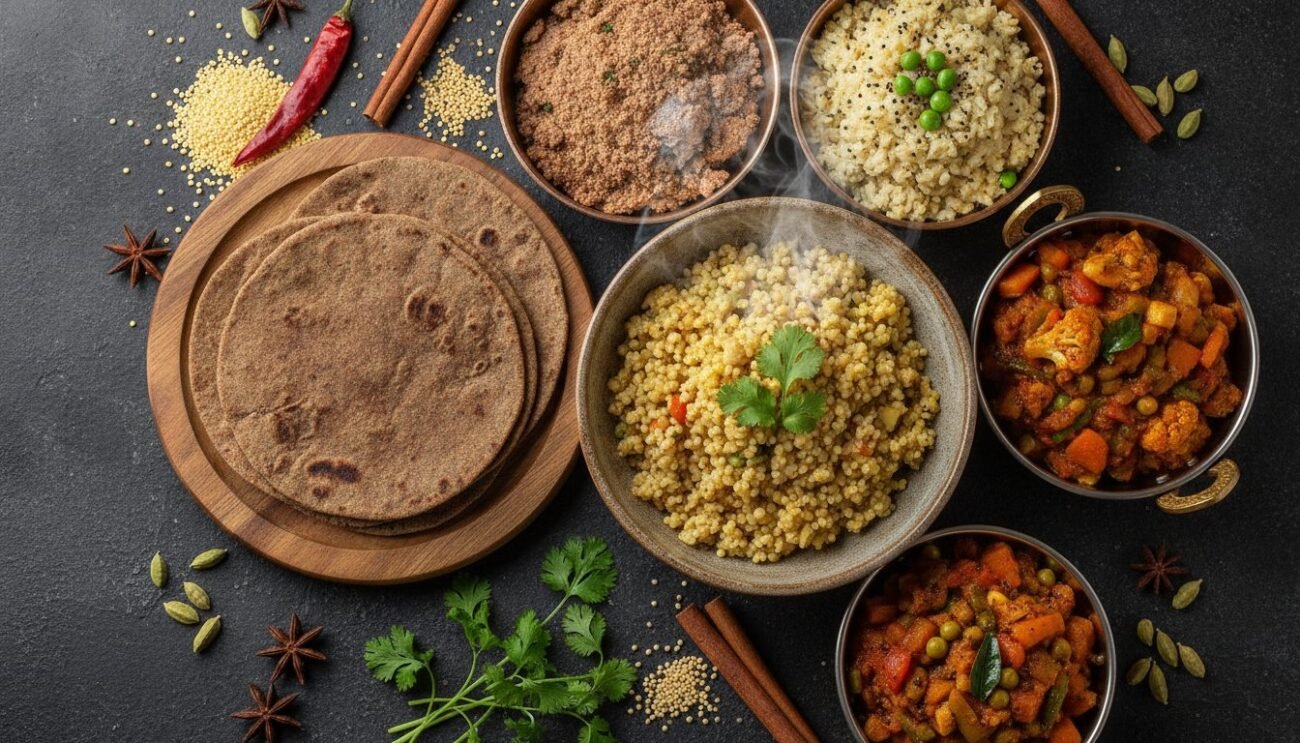
Understanding Dietary Fiber: Why It’s the Secret Ingredient for Indian Weight Loss
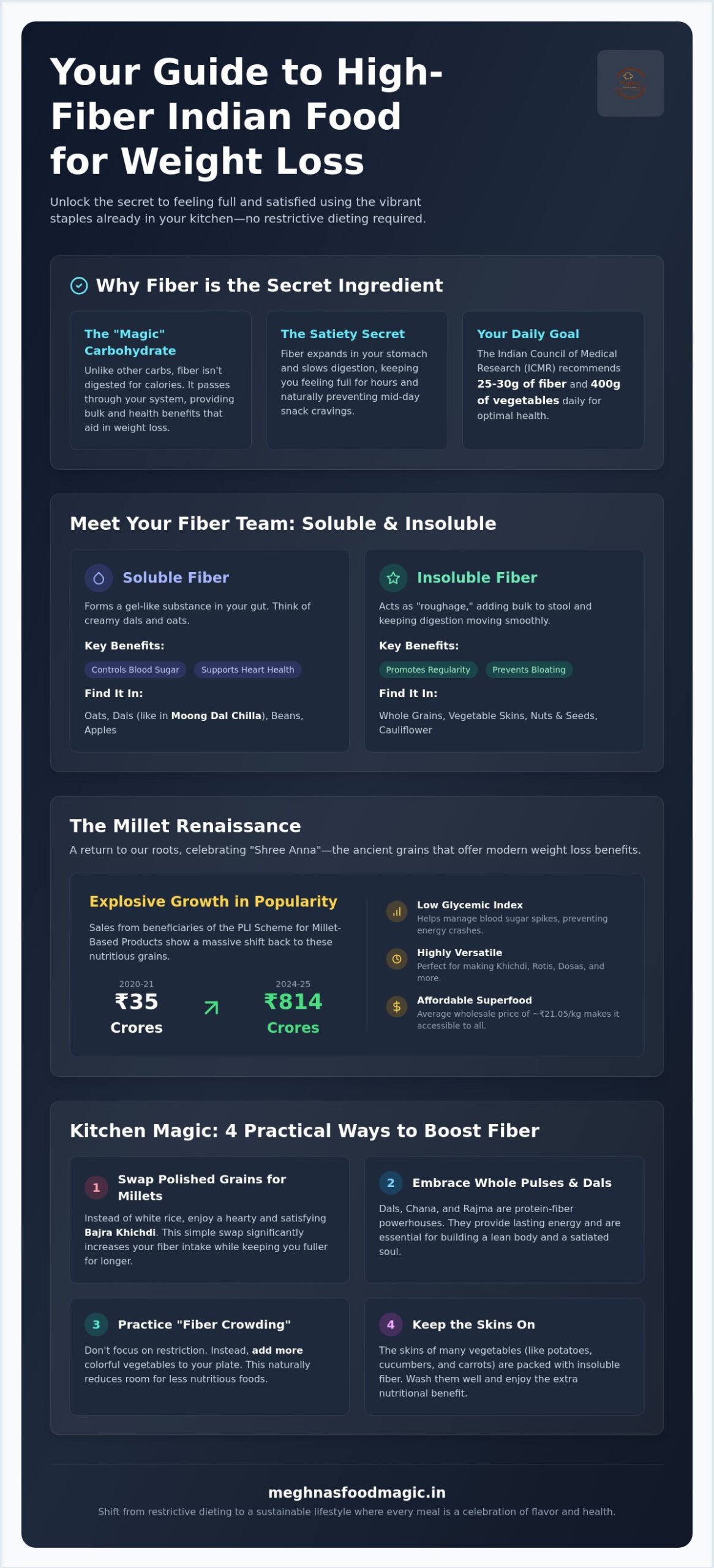
Imagine a magical ingredient in your everyday Indian meals that helps you lose weight without making you feel starved or deprived. This isn’t a fantasy; it’s the power of dietary fiber. Think of fiber as a unique type of carbohydrate that your body can’t digest. Instead of breaking down into sugar, it travels through your system, working wonders for your metabolism, gut health, and most importantly, your weight loss goals. It’s the unsung hero hiding in your dals, millets, and vegetables, waiting to be unleashed.
The real magic lies in what we call the “Satiety Secret.” High-fiber foods are champions at keeping you feeling full and satisfied for longer. They absorb water and expand in your stomach, sending a powerful signal to your brain that says, “I’m content, no need for more.” This is your ultimate weapon against those tempting mid-day samosa or pakora cravings that can derail your progress. By embracing fiber, you naturally reduce your overall calorie intake without the struggle of constant hunger. It’s about adding more, not just taking away. When you contrast a meal made with refined grains like maida (think naan or white bread) with one centered around high-fiber alternatives like jowar roti or a bowl of dal, the difference in satiety and energy is night and day. This is the foundation of our “Food Magic” approach—where vibrant health meets the incredible, soul-satisfying flavors of Indian cuisine.
Soluble vs. Insoluble Fiber in the Indian Diet
To truly master your high-fiber journey, it’s helpful to understand its two main forms: soluble and insoluble. Both are essential, and a traditional Indian thali naturally provides a beautiful balance of the two.
- Soluble Fiber: This type dissolves in water to form a gel-like substance in your digestive tract. Think of the comforting, thick texture of a well-cooked dal or a bowl of oats. Soluble fiber is a superstar for weight management because it slows down digestion, which helps stabilize blood sugar levels and prevents the energy crashes that lead to snacking. You’ll find it in abundance in foods like oats, barley, isabgol (psyllium husk), beans (like rajma and chana), and many fruits like apples and citrus.
- Insoluble Fiber: This is the “roughage” that doesn’t dissolve in water. Its main job is to add bulk to your stool and keep things moving smoothly through your digestive system, promoting regularity and preventing constipation. A healthy gut is a cornerstone of effective weight loss. Insoluble fiber is plentiful in whole grains like whole wheat atta and millets, the skins of vegetables and fruits (which is why you should eat that apple with its peel!), nuts, and leafy greens like spinach (palak).
For sustainable weight loss and overall health, you need a dynamic duo of both. The soluble fiber keeps you full and your blood sugar in check, while the insoluble fiber ensures your digestive engine is running efficiently. This powerful combination is the key to feeling light, energetic, and completely in control of your health goals.
The Recommended Daily Intake for Indians
So, how much of this magic ingredient do you actually need? Health experts generally recommend a target of 25-30 grams of fiber per day for most adults. To put that in perspective, a typical modern Indian meal centered around polished white rice, a simple potato curry, and perhaps a plain chapati made from refined flour might only provide 10-15 grams of fiber. This significant gap is where many weight loss efforts falter.
But don’t worry, the solution isn’t about eating less; it’s about eating smarter. We embrace a concept called “Fiber Crowding.” Instead of focusing on restriction and what you need to cut out, you focus on what you can add in. By consciously adding high-fiber foods to every meal, you naturally “crowd out” the less nutritious, lower-fiber options. Swap white rice for brown rice or, even better, millets. Add a generous portion of vegetable sabzi and a katori of whole dal to your plate. Snack on a handful of roasted chana instead of biscuits. These simple, delicious swaps can easily double your daily fiber intake, bringing you closer to your weight loss goals without ever feeling like you’re on a diet.
The Millet Renaissance: Ancient Indian Grains with Modern Weight Loss Benefits
Step aside, quinoa and oats! It’s time to welcome back the true superfoods of our land: millets. These ancient Indian grains are experiencing a spectacular comeback—a “Millet Renaissance”—in modern kitchens, and for good reason. They are the ultimate high-fiber, nutrient-dense powerhouses for anyone on a weight loss journey. Not only are they packed with fiber, but they also boast a low Glycemic Index (GI) compared to polished white rice. This means they release energy slowly and steadily, preventing the sharp insulin spikes that can lead to fat storage and energy slumps.
Millets are incredibly versatile, wonderfully flavorful, and deeply rooted in our culinary heritage. They are the answer to the modern search for a gluten-free, high-fiber alternative that feels authentic and nourishing. It’s time to rediscover the magic in these tiny grains. For a treasure trove of innovative and delicious ideas, explore our collection of over 30+ Millet Recipes on YouTube, where tradition meets modern health in the most delightful way.
Ragi, Bajra, and Jowar: The Fiber Trio
While there are many types of millets, three stand out as the champions of a high-fiber Indian diet. Each brings its own unique texture, flavor, and set of nutritional benefits to your plate.
- Ragi (Finger Millet): This deep, earthy-colored millet is a nutritional giant. It’s exceptionally high in both fiber and calcium, making it fantastic for bone health and weight management. Its rich flavor lends itself beautifully to both savory and sweet dishes. Start your day with a crispy, protein-packed dosa or a comforting bowl of porridge. Dive into the world of Ragi with our collection of flavorful Ragi recipes that make healthy eating an absolute joy.
- Bajra (Pearl Millet): Known for its warming properties, Bajra is a winter staple in many parts of India. Its high fiber content provides incredible satiety, keeping you full and energized through cold days. Bajra rotis, with their distinct nutty flavor, are a perfect accompaniment to any dal or sabzi. Discover how to incorporate this robust grain into your meals with these hearty Bajra recipes.
- Jowar (Sorghum): Light, easy to digest, and naturally gluten-free, Jowar is a versatile powerhouse. It’s an excellent source of fiber, protein, and antioxidants. Soft, fluffy Jowar rotis are a fantastic, lighter alternative to wheat chapatis and pair wonderfully with any curry. Explore the simplicity and health benefits of this amazing millet with our easy-to-make Jowar recipes.
Why Millets Beat White Rice for Weight Loss
The choice between millets and white rice can be a game-changer for your weight loss journey. While white rice is a cultural staple, it is a refined grain stripped of its fiber and nutrients. Millets, on the other hand, are whole grains that retain all their natural goodness. Let’s break it down:
| Grain (100g serving, uncooked) | Approximate Fiber Content | Key Benefit for Weight Loss |
|---|---|---|
| Ragi (Finger Millet) | ~11.5 g | Highest fiber, high in calcium, keeps you full for hours. |
| Brown Rice | ~3.5 g | A good step up from white rice, contains the fibrous bran. |
| Polished White Rice | ~0.4 g | Very low fiber, causes rapid blood sugar spikes. |
The slow-release energy from millets is crucial. It prevents the “sugar rush, sugar crash” cycle that often follows a meal of white rice, which can lead to fatigue and cravings for more sugary foods. Making a simple swap, like preparing a comforting Millet Khichdi instead of a rice-based one, can significantly boost your meal’s fiber content, keeping you satiated and on track. It’s a small change that delivers massive results in your journey towards a healthier you.
Protein-Fiber Powerhouses: Dals, Pulses, and Legumes for a Satiated Soul
If there’s a “holy grail” for weight loss, it’s the powerful combination of protein and fiber. Protein helps build and repair tissues and also contributes significantly to satiety, while fiber slows down digestion and keeps your gut happy. When you bring them together in one meal, you create a powerhouse of nutrition that crushes hunger and fuels your body efficiently. And the best part? Traditional Indian cuisine has been perfecting this combination for centuries through our incredible variety of dals, pulses, and legumes.
To maximize the fiber intake from these gems, always opt for whole pulses (sabut) or split pulses with their skin on (chilka) whenever possible. The skin is a major source of insoluble fiber. For example, sabut moong or chilka moong dal offers significantly more fiber than the polished yellow moong dal. At Meghna’s Food Magic, we specialize in creating high-protein, fiber-rich vegetarian meals that are both deeply satisfying and perfectly aligned with your health goals.
Top High-Fiber Pulses for Your Kitchen
Your kitchen pantry is likely already stocked with some of the best weight loss foods on the planet. Here are a few must-haves:
- Chana (Chickpeas): The undisputed king of versatility and fiber! Whether it’s the base for a hearty chana masala or enjoyed as a crunchy, roasted snack, chickpeas are a fantastic source of both protein and fiber. A handful of roasted chana is one of the best high-protein snacks for weight loss you can have.
- Rajma (Kidney Beans): These beloved beans are packed with soluble fiber, which is excellent for heart health and blood sugar control. A bowl of rajma provides long-lasting energy and fullness. For a modern, low-carb twist, try pairing your rajma with cauliflower rice or a side of sautéed millets instead of white rice.
- Moong Dal: Renowned for being light and easy on the gut, moong dal is a nutritional powerhouse. It’s an excellent source of plant-based protein and fiber, making it perfect for light yet filling dinners. The split green version (chilka moong) is particularly high in fiber. Explore our collection of 10 High Protein Moong Recipes for delicious and healthy meal ideas.
Vegetables: The Volume Secret
Vegetables are the secret to eating more while consuming fewer calories. They are high in fiber and water but low in calories, a concept known as “low energy density.” This means you can fill your plate—and your stomach—with vegetables, adding volume and nutrients to your meal without adding significant calories.
- Leafy Greens: Powerhouses like Palak (spinach), Methi (fenugreek), and Amaranth are loaded with insoluble fiber, vitamins, and minerals, all for a negligible calorie count. Wilting a large bunch of spinach into your dal or sabzi is an effortless way to boost your fiber intake.
- Cruciferous Vegetables: Gobi (cauliflower), cabbage, and broccoli are fiber-rich and incredibly versatile. Grated cauliflower, for instance, makes a fantastic high-fiber, low-carb substitute for rice, perfect for pairing with your favorite curries.
- Seasonal Indian Vegetables: Always aim to eat with the seasons. Bhindi (okra), lauki (bottle gourd), and green beans are all excellent sources of fiber. Eating seasonal produce ensures you get the maximum flavor and nutrient density, connecting your diet to the natural rhythms of the land.
Kitchen Magic: Practical Ways to Boost Fiber Without Losing Authentic Flavors
Incorporating more fiber into your diet doesn’t mean you have to eat bland, boring food. It’s about making small, intelligent tweaks to your existing cooking habits—what we call “Food Magic” hacks. These simple changes can dramatically increase the fiber content of your meals while preserving and even enhancing the authentic flavors you love.
One key strategy is to embrace modern tools like the air fryer, which can create crispy, delicious textures without the need for excess oil. Another is simply being mindful of what you discard; keeping the skin on vegetables like potatoes, carrots, and cucumbers whenever possible instantly adds a dose of insoluble fiber. It’s also important to make the transition gradually. If your body isn’t used to a high-fiber diet, increase your intake slowly over a few weeks and be sure to drink plenty of water. This gives your digestive system time to adapt, helping you avoid any potential bloating or discomfort.
The Air Fryer Revolution
The air fryer is a game-changer for healthy Indian cooking. It allows you to achieve that irresistible crispy texture we all crave, but with a fraction of the oil used in deep-frying. This means you can enjoy your favorite snacks and vegetables in a much healthier, high-fiber format.
- Crispy, High-Fiber Snacks: Transform vegetables like Bhindi (okra), Karela (bitter gourd), and sweet potatoes into crunchy, addictive snacks. A light toss in spices and a few minutes in the air fryer is all it takes. You get all the fiber and nutrients without the unhealthy fats.
- Preserving Nutrients: Air frying is a quick cooking method that helps preserve the fiber and heat-sensitive vitamins in vegetables better than prolonged cooking methods.
- Oil-Free Joy: Ready to explore a world of guilt-free crispiness? Check out our Indian Air Fryer Appetizers Collection for endless inspiration on creating healthy, oil-free delights that the whole family will love.
Traditional Prep Hacks for Better Digestion
Our ancestors knew a thing or two about preparing food for optimal nutrition and digestion. These age-old techniques are more relevant than ever for a high-fiber diet.
- The Magic of Soaking: Soaking dals, legumes, and millets overnight before cooking is a crucial step. It helps to break down complex carbohydrates and phytic acid, making the nutrients—including fiber—more available for your body to absorb. It also significantly reduces the compounds that can cause gas and bloating.
- The Power of Sprouting: Sprouting turns simple pulses like moong or chickpeas into “living” food. The sprouting process increases the fiber content, boosts vitamin levels, and makes the proteins easier to digest. Add a handful of sprouts to your salads, or make a delicious sprouts chaat for a powerful fiber-protein punch.
- Flour Power: Make your daily rotis a fiber-rich affair. Instead of using only plain whole wheat flour, try mixing in other flours like jowar, bajra, or ragi. You can also add wheat bran or oat bran to your regular atta to instantly boost its fiber content.
Beyond the Plate: Building a Sustainable Lifestyle with Meghna’s Food Magic
A successful weight loss journey is about more than just what’s on your plate. It’s about cultivating a new relationship with food—one where healthy eating is an act of joyful self-care, not a punishment. We’ve journeyed from understanding the science of fiber to implementing practical “Food Magic” in your kitchen. The final, most important step is to build a sustainable lifestyle around these principles.
Remember that this is a marathon, not a sprint. Every conscious choice you make, every high-fiber ingredient you add, is a step in the right direction. The goal is to fall in love with food that loves you back. We invite you to join our vibrant community, where we celebrate the power of delicious, wholesome, high-fiber Indian food every single day. Together, we can make your health journey a celebration of flavor and life.
Joining the Food Magic Community
You are not alone on this journey! Becoming part of a supportive community can provide the inspiration and motivation you need to stay on track. We’ve built a world of Food Magic across multiple platforms, designed to guide and cheer you on.
- Follow us on Instagram for your daily dose of visual inspiration, quick tips, and behind-the-scenes magic.
- Subscribe to our YouTube channel for detailed, step-by-step video tutorials that make cooking high-fiber recipes simple and fun.
- Explore our entire library of recipes in our Free Digital Recipe Sanctuary, specifically curated with your weight loss goals in mind.
Final Encouragement for Your Weight Loss Journey
As you embark on this path, remember to be kind to yourself. Every small, fiber-rich swap you make is a victory. Every meal where you choose millets over rice, or add a handful of greens, is a powerful investment in your long-term health. The beauty of this approach is that it celebrates the incredible diversity and inherent health potential of our traditional Indian cuisine.
You have the power to transform your health right in your own kitchen, using ingredients that are familiar and flavors that feel like home. This is the heart of our philosophy. We invite you to continue exploring and discover how we are redefining healthy Indian cooking for the modern home. Your delicious, vibrant, and healthy future awaits!
Disclaimer
This is a recipe food blog page and not nutrition or doctor and hence do not claim to cure any illness. If you have specific health issues please consult a qualified doctor or certified nutritionist.

