
5 Efficient One-Pot Meals for Busy Working Mornings
The Magic of One-Pot Cooking for Busy Professionals
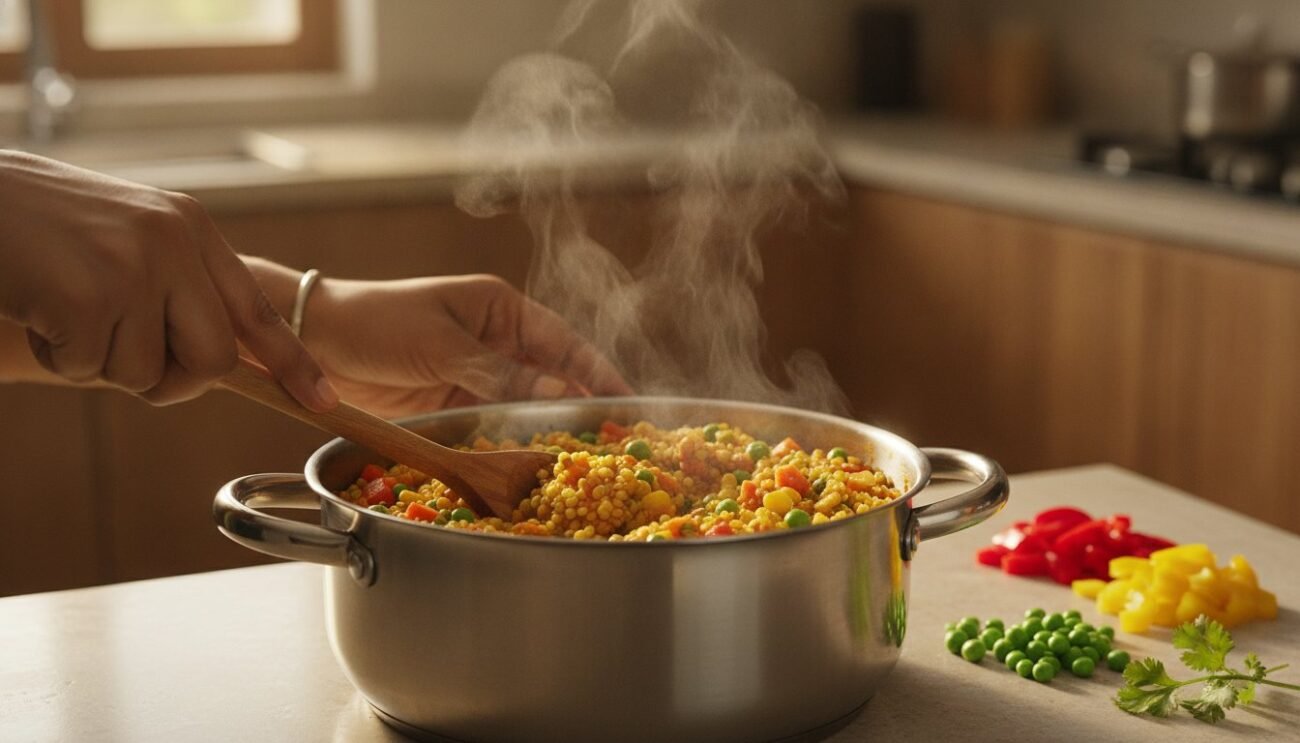
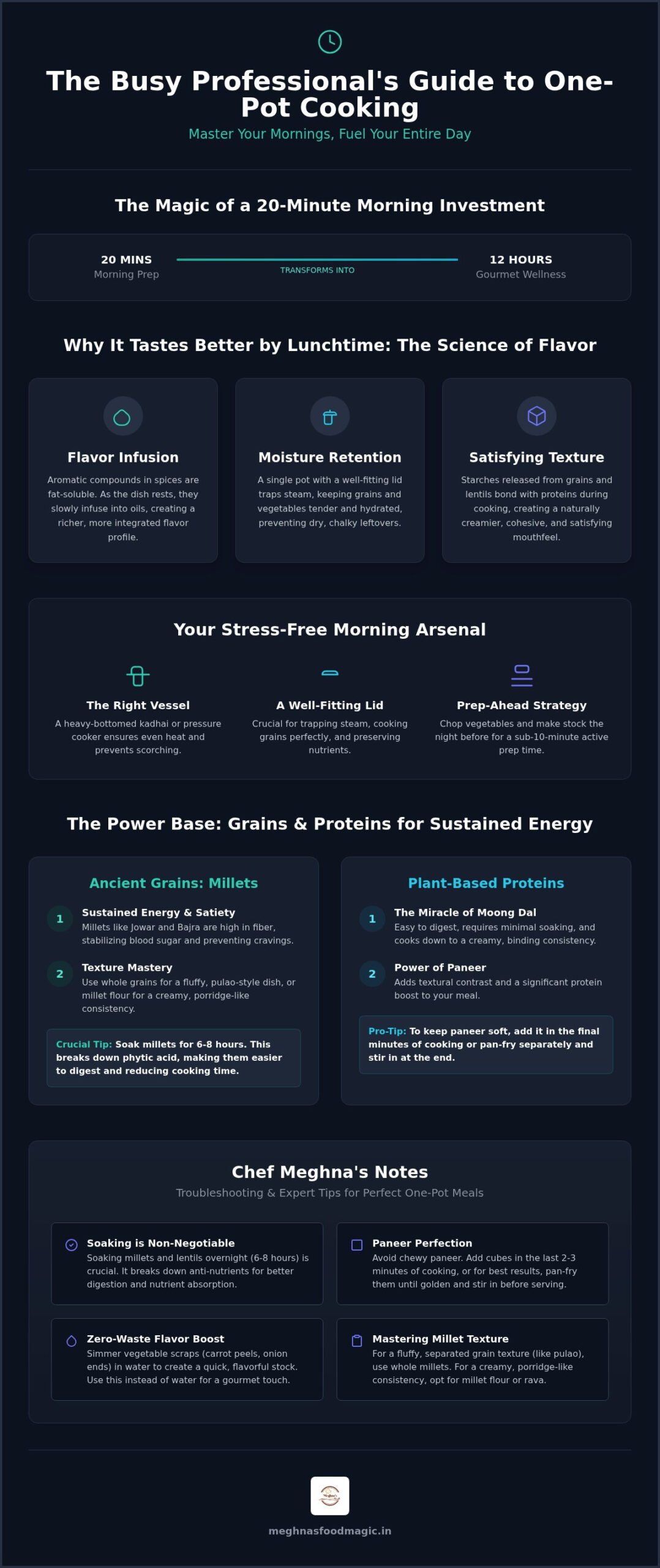
Imagine a morning where, instead of a chaotic scramble, you experience a moment of pure culinary therapy. This is the promise of one-pot cooking. It’s not just about saving time or washing fewer dishes; it’s a strategic act of self-care that sets a powerful, positive tone for your entire day. For busy professionals, mastering this method transforms a 20-minute morning investment into 12 hours of gourmet wellness, shifting the narrative from restriction to delicious abundance.
There’s a profound psychological benefit to starting your day with a completed, nutritious task. Knowing that a wholesome, flavorful lunch and dinner are already prepared liberates your mind to focus on the challenges ahead. Furthermore, the magic of a one-pot meal is that it often gets better with time. As it sits, the flavors don’t just sit—they meld, mature, and deepen, making your midday meal a far more complex and satisfying experience than what you tasted at breakfast.
Why One-Pot Meals Taste Better as the Day Progresses
- The Science of Flavor Infusion: Spices are the soul of Indian cooking, and in a one-pot meal, they have the time to truly express themselves. Aromatic compounds in spices like cumin, turmeric, and coriander are fat-soluble. As the dish rests, these compounds slowly infuse into the oils and moisture, creating a richer, more integrated flavor profile that you just can’t achieve in a quickly assembled dish.
- Moisture Retention Prevents ‘Dry Leftovers’ Syndrome: The enclosed environment of a single pot traps steam and moisture. This ensures that grains, lentils, and vegetables stay tender and hydrated throughout the day, preventing that dreaded dry and chalky texture common in reheated leftovers.
- Starch-Protein Bonding for a Satisfying Mouthfeel: As grains and lentils cook together, they release starches that bond with the proteins. This natural process creates a creamier, more cohesive texture and a deeply satisfying mouthfeel that feels both comforting and nourishing hours later.
Essential Tools for Stress-Free Morning Prep
- Choosing the Right Vessel: Your success starts with your pot. A heavy-bottomed kadhai or a modern pressure cooker is ideal. A heavy base ensures even heat distribution, preventing scorching, while a pressure cooker drastically cuts down cooking time, making it a busy morning’s best friend.
- The Importance of a Good Lid: A well-fitting lid is non-negotiable. It traps steam, which is crucial for cooking grains perfectly and preserving the water-soluble vitamins in your vegetables that would otherwise escape.
- Prep-Ahead Tips for Efficiency: The secret to a 10-minute active prep time is having your ‘mise en place’ ready. Chop vegetables the night before. You can even create a quick, flavorful stock by simmering vegetable scraps (like carrot peels and onion ends) in water, which adds a layer of gourmet flavor to your morning meal. For more ideas on structuring your week, explore this expert Meal Planning Guide for Busy Indian Moms.
Choosing Grains and Proteins for Sustained All-Day Energy
The foundation of a one-pot meal that fuels you all day lies in its ‘Power Base’—the combination of grains and proteins. In the ‘Get Fit With Meghna’ philosophy, we move away from refined grains that cause energy spikes and crashes. Instead, we embrace ancient Indian superfoods like millets and lentils. These complex carbohydrates and plant-based proteins provide a slow, steady release of energy, ensuring you remain focused and satiated from your morning meeting to your evening commute.
A common objection is the time required for soaking. However, this is a crucial, non-negotiable step. Soaking millets and lentils for at least 6-8 hours overnight breaks down phytic acid, an anti-nutrient that can interfere with mineral absorption. This not only makes them easier to digest but also significantly reduces morning cooking time. Your active work is less than a minute—just rinse and soak before bed!
The Science of Millets: Jowar and Bajra for Satiety
- Explaining Fiber Content: Millets like Jowar (Sorghum) and Bajra (Pearl Millet) are incredibly high in dietary fiber. This fiber slows down digestion, stabilizing blood sugar levels and keeping you feeling full and satisfied for hours, effectively curbing those 4 PM cravings for unhealthy snacks.
- Texture Mastery: The type of millet you choose dictates the final texture. For a fluffy, pulao-style dish, opt for whole grains like Foxtail or Barnyard millet. For a creamier, porridge-like consistency, use millet flour or rava (semolina), like Jowar rava.
- Deeper Exploration: Ready to dive into the world of ancient grains? Explore this playlist of over 30+ Millet Recipes By Meghna to discover their incredible versatility.
Plant-Based Proteins: Incorporating Moong and Paneer
- The Miracle of Moong Dal: Split Yellow Moong Dal is a superstar in one-pot cooking. It’s one of the easiest lentils to digest, requires no extensive soaking, and cooks down to a creamy, comforting consistency that beautifully binds the dish together.
- Adding Paneer for Texture and Protein: Paneer adds a wonderful textural contrast and a significant protein boost. To keep it soft, add it in the last few minutes of cooking or lightly pan-fry it separately and stir it in at the end. This prevents it from becoming chewy in the pressure cooker.
- More Protein Ideas: For more ways to incorporate this versatile ingredient, check out these High-Protein Paneer Recipes.
5 Signature One-Pot Recipes for Your Before-Work Routine
Here are five powerhouse recipes designed for minimal morning effort and maximum all-day flavor. Each one can be prepped in under 15 minutes of active time, making a healthy, home-cooked meal an achievable reality even on the busiest of days.
1. The High-Protein Moong Dal & Vegetable Khichdi
This is the ultimate comfort food, reimagined as a nutritional powerhouse. It’s gentle on the stomach, incredibly satisfying, and tastes even better by lunchtime.
- Ingredients: 1/2 cup split yellow moong dal, 1/2 cup rice or millet (like foxtail), 1 tbsp ghee, 1 tsp cumin seeds, a pinch of asafoetida (hing), 1/2 inch grated ginger, 1 chopped green chili, 1/2 tsp turmeric powder, 2 cups mixed chopped vegetables (carrots, peas, beans, cauliflower), 4 cups water, salt to taste.
- Instructions: In a pressure cooker, heat the ghee. Add cumin seeds and hing. Once they splutter, add ginger and green chili and sauté for 30 seconds. Add the chopped vegetables and turmeric powder, cooking for 2 minutes. Add the washed dal and rice/millet, salt, and water. Stir well.
- Pressure Cook: Close the lid and pressure cook for 4-5 whistles on medium heat. Let the pressure release naturally. Garnish with fresh coriander.
Chef Meghna’s Notes: The magic of this khichdi is the tadka (tempering). By adding it at the beginning, the flavors infuse deeply into every grain. The 1:4 ratio of dal/rice to water is key for a perfect, semi-liquid consistency that won’t dry out during the day.
2. Jowar and Paneer Savory Porridge
This energy-boosting porridge uses Jowar rava for a quick-cooking, creamy base that provides sustained energy, while paneer adds a satisfying protein punch.
- Ingredients: 1 cup Jowar rava (sorghum semolina), 1 tbsp oil, 1 tsp mustard seeds, 1 tsp urad dal, a few curry leaves, 1 finely chopped onion, 1 finely chopped tomato, 1/2 cup mixed vegetables (like corn and bell peppers), 3 cups hot water, 100g paneer cubes, salt to taste, 1 tbsp chopped cilantro.
- Instructions: Heat oil in a heavy-bottomed pot. Add mustard seeds and urad dal. When they crackle, add curry leaves and onion. Sauté until the onion is translucent. Add the tomato and vegetables and cook for 3-4 minutes.
- Combine and Cook: Add the Jowar rava and roast for 2 minutes until aromatic. Pour in the hot water, add salt, and stir continuously to avoid lumps. Cover and cook on low heat for 7-8 minutes until the rava is cooked through. Gently stir in the paneer cubes and cilantro.
Chef Meghna’s Notes: Using hot water is crucial for a lump-free, perfectly cooked porridge. Adding the paneer at the end ensures it stays soft and succulent. For more ways to use this super-grain, find inspiration with these Jowar recipes.
3. One-Pot Vegetable-Loaded Millet Pulao
This recipe uses Barnyard or Kodo millet to create a light, fluffy, and grain-free pulao. It’s the perfect vehicle for using up any vegetables you have in your crisper drawer.
- Ingredients: 1 cup Barnyard millet (soaked for 30 mins), 2 tbsp oil, 1 tsp cumin seeds, 2 cloves, 1-inch cinnamon stick, 1 bay leaf, 1 sliced onion, 1 tsp ginger-garlic paste, 2 cups mixed vegetables, 1/4 tsp turmeric powder, 1/2 tsp red chili powder, 1/2 tsp garam masala, 2 cups water, salt to taste.
- Instructions: Heat oil in a pressure cooker. Add the whole spices (cumin, cloves, cinnamon, bay leaf). Once fragrant, add the sliced onion and sauté until golden. Add ginger-garlic paste and cook for a minute.
- Build the Flavor: Add all the vegetables, spice powders, and salt. Sauté for 3-4 minutes. Drain and add the soaked millet, stirring gently. Pour in the water and bring to a boil. Close the lid and pressure cook for 2 whistles. Let the pressure settle completely before opening.
Chef Meghna’s Notes: The secret to a fluffy millet pulao is the grain-to-water ratio, which is typically 1:2. Soaking the millet beforehand is essential for an even cook. This ‘Zero Waste’ approach is not just economical but also ensures a diverse range of nutrients in your meal.
4. Spicy Soya Chunk and Vegetable Pulao
For a high-protein, “meaty” texture that satisfies, this soya chunk pulao is a winner. It’s robust, flavorful, and holds up beautifully for all-day eating.
- Ingredients: 1 cup soya chunks, 1 cup basmati rice (soaked for 20 mins), 2 tbsp oil, 1 tsp shah jeera (caraway seeds), 1 star anise, 1 sliced onion, 1 tsp ginger-garlic paste, 1 sliced tomato, 1.5 cups mixed vegetables (peas, carrots, potatoes), 1/2 tsp turmeric powder, 1 tsp red chili powder, 1 tsp biryani masala, 1/4 cup yogurt (dahi), 2 cups water, salt to taste, mint and coriander leaves for garnish.
- Instructions: Boil water and soak the soya chunks for 15 minutes. Squeeze out all the water and set aside. In a pressure cooker, heat oil and add shah jeera and star anise. Add the sliced onion and fry until brown (birista). Add ginger-garlic paste and tomato, cooking until soft.
- Layer the Flavors: Add the squeezed soya chunks, vegetables, and all spice powders. Sauté for 5 minutes. Whisk the yogurt and add it to the cooker, stirring continuously. Add the soaked and drained rice, salt, and water. Gently mix.
- Pressure Cook: Close the lid and cook for 2 whistles on medium flame. Allow the pressure to release naturally. Fluff with a fork and garnish with mint and coriander.
Chef Meghna’s Notes: The key to flavorful soya chunks is to squeeze out the water thoroughly after soaking. This allows them to absorb the masala better. Adding yogurt not only adds a slight tang but also helps in tenderizing the soya chunks, giving them a superior texture.
5. Mixed Lentil and Spinach Dalma
This is a rustic, wholesome dish from Odisha, perfectly adapted for a one-pot meal. It’s a complete meal in itself, packed with protein from mixed lentils and vitamins from vegetables and spinach.
- Ingredients: 1 cup mixed lentils (toor, moong, masoor dal), 2 cups chopped mixed vegetables (pumpkin, raw banana, eggplant, carrots), 1 cup chopped spinach, 1/2 inch grated ginger, 1/2 tsp turmeric powder, 4 cups water, salt to taste. For Tempering: 1 tbsp ghee, 1 tsp cumin seeds, 2 dried red chilies, a pinch of asafoetida.
- Instructions: In a pressure cooker, combine the washed mixed lentils, chopped vegetables, ginger, turmeric powder, salt, and water.
- Cook and Finish: Pressure cook for 3-4 whistles until the lentils and vegetables are completely soft. Let the pressure release. Open the lid, add the chopped spinach, and simmer for 5 minutes until the spinach wilts.
- Prepare the Tadka: In a small pan, heat ghee. Add cumin seeds, dried red chilies, and asafoetida. Once they crackle, pour this tempering over the dalma. Mix well.
Chef Meghna’s Notes: The beauty of Dalma lies in its simplicity and the way the vegetables melt into the lentils. Don’t skip the final ghee tadka; it’s not just for flavor but also aids in the absorption of fat-soluble vitamins. This dish thickens as it cools, making it perfect to eat with a spoon right from your tiffin.
The All-Day Eating Strategy: Storage and Flavor Reinvention
You’ve made your magnificent one-pot meal; now, how do you ensure it’s just as delicious at 7 PM as it was at 7 AM? The strategy involves smart storage, simple reheating, and creative flavor reinvention.
Food safety is paramount. Never leave your meal at room temperature for more than a couple of hours. If your office has a refrigerator, use it. A well-packed insulated lunch bag can also keep food safe for 3-4 hours. As your meal sits, textures will change—khichdi will thicken, and pulao might feel a bit dry. This is normal! A splash of hot water is all you need to bring it back to its original consistency before reheating.
Safely Storing and Reheating Your One-Pot Wonders
- Best Containers: Glass containers are excellent for maintaining moisture and ensuring even reheating without any chemical leaching. If using plastic, ensure it is BPA-free and microwave-safe.
- Reheating 101: The ‘center-hole’ method is a game-changer for microwave reheating. Create a small well in the center of your food before heating. This allows the microwaves to penetrate more evenly, preventing hot edges and a cold center.
- Brighten Up Flavors: A squeeze of lime or a spoonful of fresh chutney can instantly revive a reheated meal. Explore this playlist of Chutneys, Pickles, and Achar to find the perfect accompaniment.
Zero-Waste Tips: Repurposing Leftovers into New Textures
- Khichdi to Tikki: Have some leftover khichdi? Mash it, mix with a little breadcrumb or chickpea flour, shape into patties (tikkis), and pan-fry for a delicious evening snack.
- Pulao to Salad: Leftover millet pulao can be transformed into a vibrant salad. Simply add chopped cucumber, tomatoes, onions, and a lemon-herb dressing for a light and refreshing dinner.
- Discover More: Unlock the potential of your leftovers with these creative Leftover Food Recipes and turn one meal into many.
Chef Meghna’s Notes: Troubleshooting and Expert Tips
The final touch in mastering one-pot cooking is understanding the ‘why’ behind the method. It’s about heat management, water ratios, and knowing how to adapt. This isn’t just about following a recipe; it’s about building your culinary intuition. Remember, you are the magic in your kitchen, and every meal is a chance to experiment and learn.
Smart Substitutions for Every Pantry
- Swapping Millets: If you don’t have Barnyard millet, Foxtail or Little millet work equally well for pulao. For porridges, Ragi or Bajra flour can be used instead of Jowar rava, though you may need to adjust the water slightly.
- Protein Alternatives: If Paneer isn’t available, firm tofu or pre-cooked chickpeas are excellent substitutes. Soya chunks can be replaced with crumbled paneer or even mushrooms for a different umami flavor.
- Seasonal Vegetables: The best part of these recipes is their flexibility. Use whatever vegetables are in season. In winter, add greens like methi (fenugreek); in summer, use gourds like lauki (bottle gourd). This keeps your meals exciting, nutritious, and budget-friendly.
Troubleshooting Texture: Avoiding Mushy or Dry Grains
- The Water Ratio Secret: A one-pot meal in a pressure cooker often requires about 10% less water than cooking in an open pot, as there’s minimal evaporation. Always start with a slightly lower amount; you can add more later if needed.
- Fixing a Dry Dish: If your pulao or khichdi seems too dry by evening, simply sprinkle a few tablespoons of hot water over it before reheating. Cover and let it sit for a minute to allow the steam to rehydrate the grains.
- Preventing Clumping: To ensure your millets or rice grains stay separate in a pulao, coat them well in oil or ghee while sautéing before you add any water. This simple step creates a protective layer around each grain, preventing them from becoming sticky and clumping together.
Disclaimer
This is a recipe food blog page and not nutrition or doctor and hence do not claim to cure any illness. If you have specific health issues please consult a qualified doctor or certified nutritionist.
I do consult experts, research Internet and at times seek help from Gemini to collect relevant information to put together some of these blogs.

