
Meal Planning for Busy Indian Moms: A Chef’s Guide
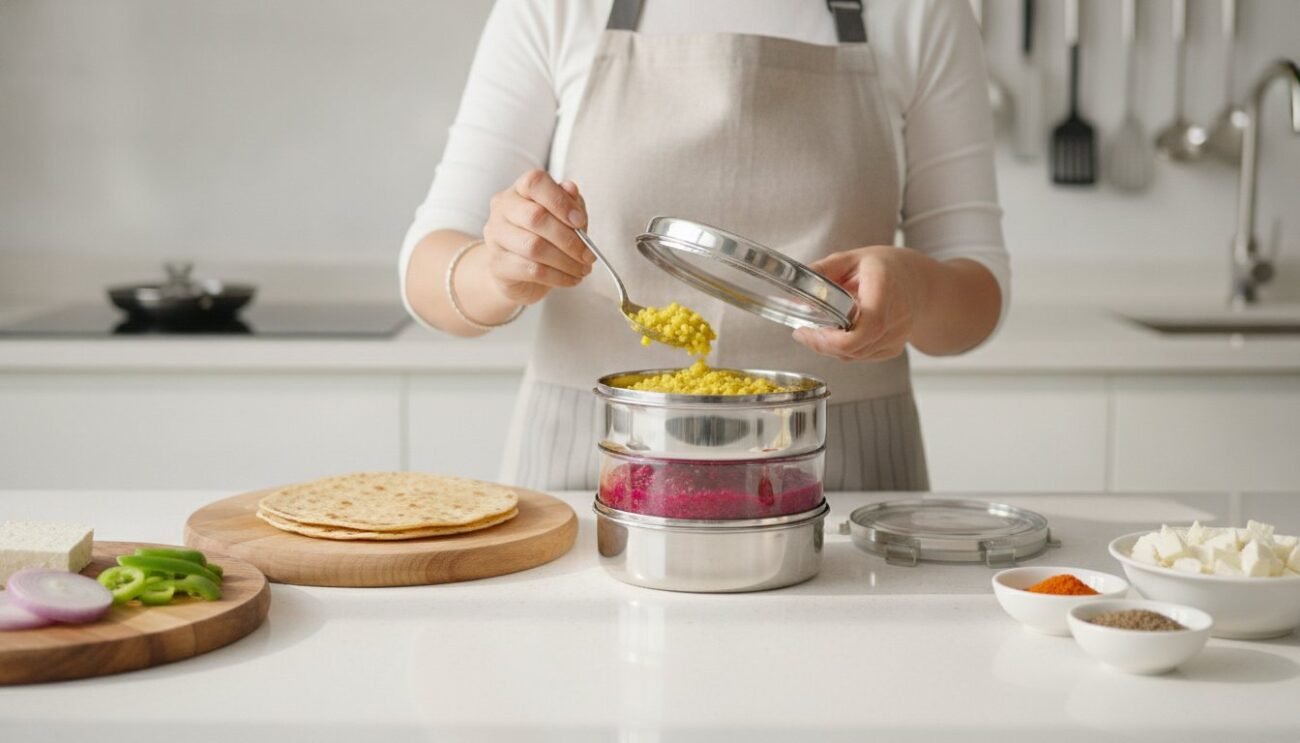
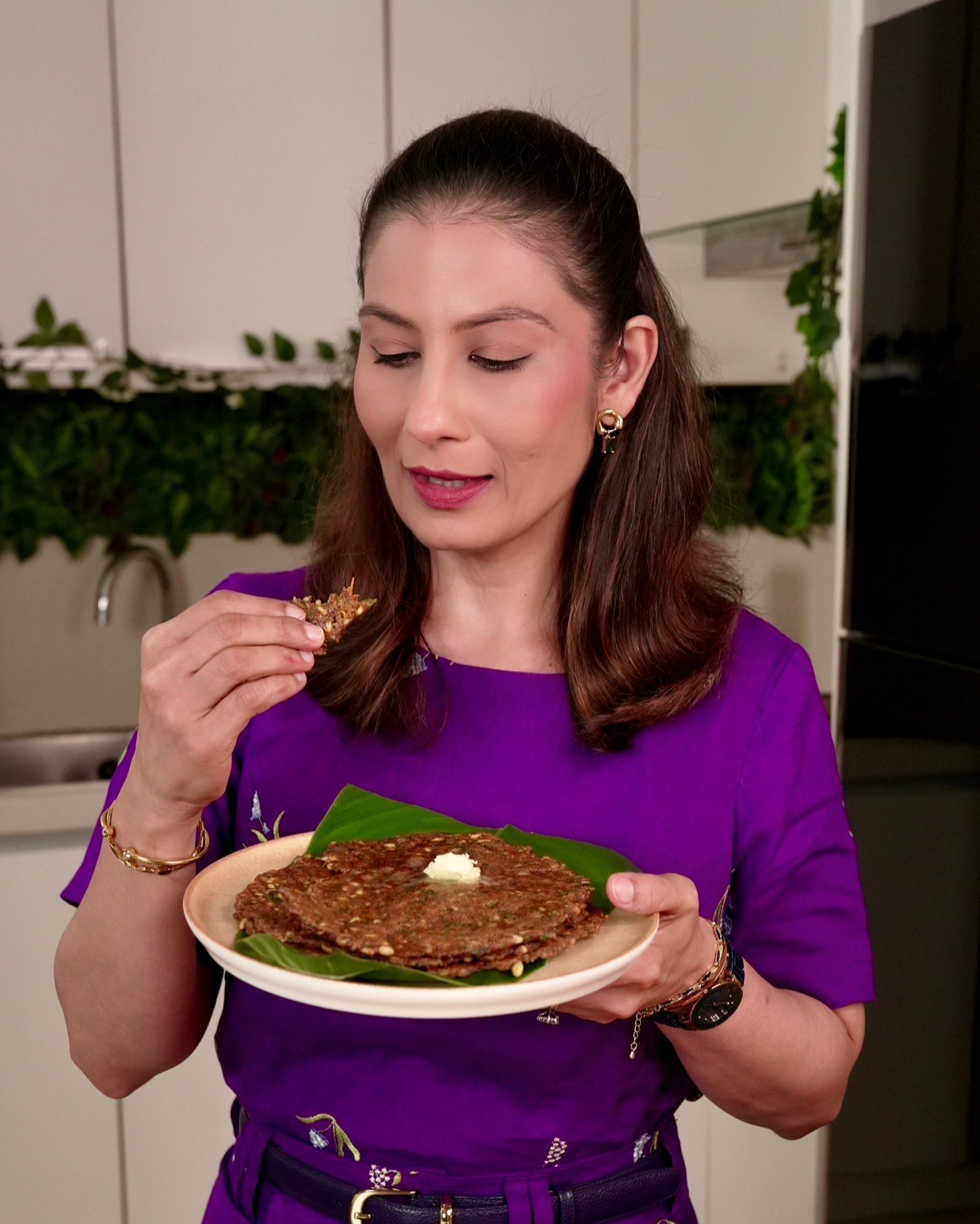
For the modern Indian mother, the kitchen can often feel like the epicenter of a daily storm. Between morning rush hours, professional deadlines, and the eternal question of “what’s for dinner?”, finding the time to create nutritious, delicious meals feels like an impossible task. You know the traditional recipes, you value your family’s health, but the sheer effort can lead to decision fatigue, stress, and the guilt of another takeaway order. What if you could transform that chaos into a calm, creative space? This is where meal planning isn’t just a chore—it’s a lifeline.
Transform your kitchen chaos into a wellspring of nutritious, high-protein meals with this expert meal planning framework, designed by a chef specifically for the modern Indian household. It’s not about rigid rules; it’s about creating a system that gives you back your time, reduces your mental load, and fills your family’s table with food made with love and intention.
The Philosophy of ‘Culinary Therapy’: Why Moms Need a Plan
Let’s redefine meal planning. Forget the intimidating spreadsheets and rigid schedules. Think of it as ‘Culinary Therapy’—a powerful tool for reclaiming your peace of mind. Every minute you spend planning is an investment that pays you back tenfold in mental clarity and family wellness. It’s the definitive answer to the daily “What’s for dinner?” question that drains your energy before you’ve even started cooking.
A well-structured plan doesn’t restrict your creativity; it unleashes it. When you’re not scrambling for ideas, you have the mental space for ‘Food Magic’—experimenting with a new spice, perfecting a dish, or simply enjoying the process. This shift is fundamental for busy moms who are often balancing work, family, and personal health goals. A planned kitchen is a calm kitchen, and a calm kitchen is where the magic happens.
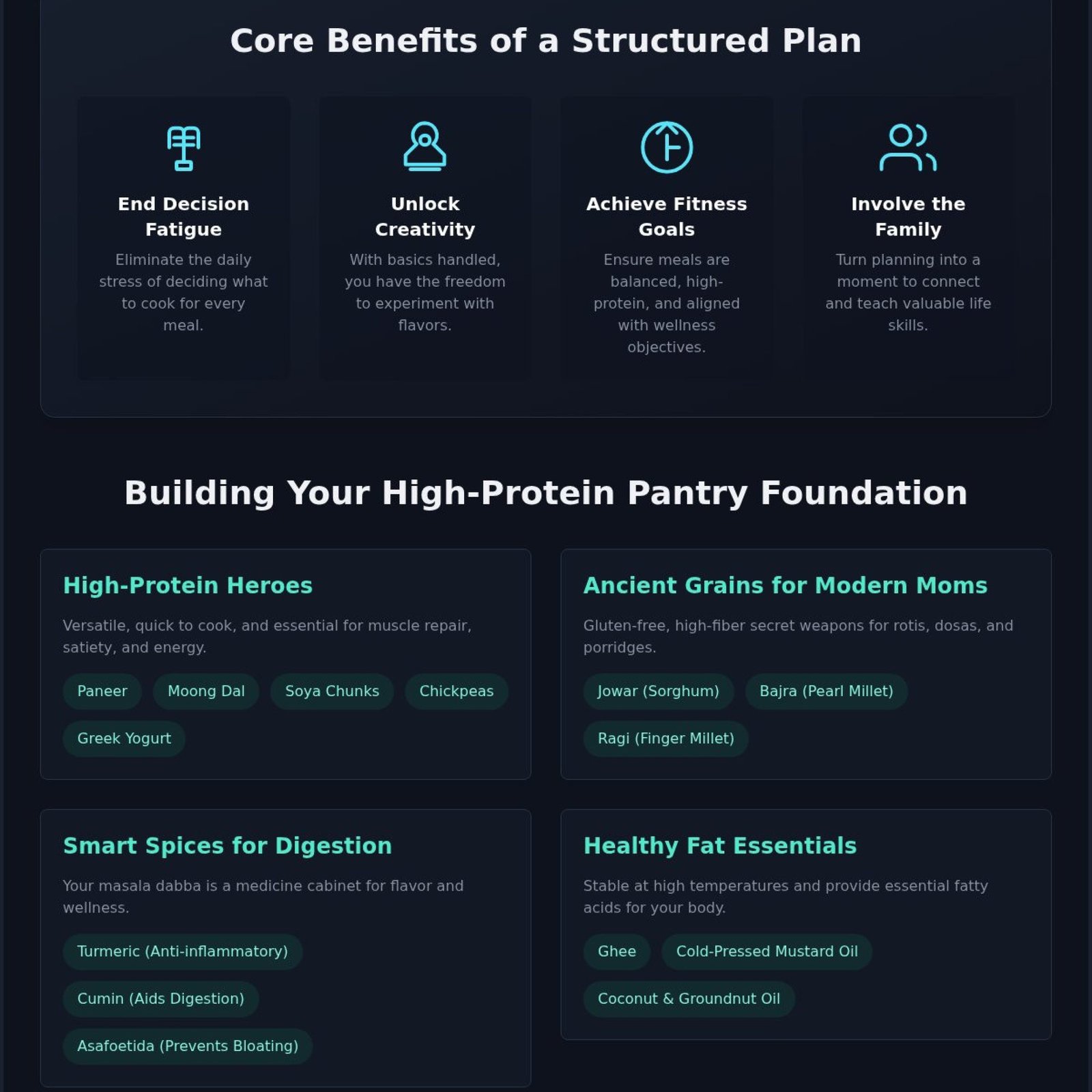
- End Decision Fatigue: Eliminate the daily stress of deciding what to cook for breakfast, lunch, dinner, and tiffin boxes.
- Achieve Fitness Goals: A structured meal plan is the backbone of any health journey. It ensures your meals are balanced, high in protein, and aligned with your wellness objectives, a core principle of the ‘Get Fit With Meghna’ philosophy.
- Unlock Creativity: With the basics handled, you have the freedom to experiment with flavors and techniques, turning cooking from a task into a joyful, creative outlet.
- Involve the Family: Planning is an opportunity to connect. Ask your kids what they’d like to see in their tiffin or have them help choose the vegetable for the day’s sabzi.
Chef Meghna’s Notes: Setting the Intent
I’ve always seen the kitchen as my sanctuary, a place for rejuvenation, not stress. The key is to approach your plan with a ‘Flavor First’ mindset. Healthy eating should never feel like a punishment. We’re aiming for delicious, satisfying meals that also happen to be incredibly good for you. When you involve your children in the planning stage, you’re not just reducing mealtime friction; you’re teaching them a valuable life skill and building positive associations with wholesome food.
The Nutritional ‘Why’ Behind Indian Staples
Our traditional Indian meals are often scientifically brilliant. The classic combination of Dal-Chawal, for example, isn’t just comfort food; it forms a complete protein, providing all the essential amino acids your body needs. Understanding this nutritional wisdom is the first step to building a powerful meal plan.
- Balance is Key: Every meal should ideally contain a source of complex carbohydrates (like millets or whole wheat), protein (dal, paneer, legumes), and healthy fats (ghee, cold-pressed oils). This trio ensures sustained energy and keeps you full for longer.
- PCOS-Friendly Planning: For many women, hormonal health is a priority. Integrating low-glycemic, high-fiber foods is crucial. A well-structured meal plan makes it easy to incorporate PCOS-friendly ingredients consistently, helping manage symptoms and improve overall well-being.
Building Your High-Protein Foundation: The Essential Pantry
A successful meal plan begins with a well-stocked pantry. But it’s not just about having staples; it’s about having the right staples. We’re moving beyond basic rice and lentils to build a powerhouse pantry focused on high-protein, nutrient-dense ingredients that form the foundation of a modern, healthy Indian kitchen.
- The High-Protein Hero List: Prioritize Paneer, Moong Dal, Soya chunks, chickpeas (chana), and Greek Yogurt. These are versatile, quick to cook, and essential for muscle repair, satiety, and energy.
- Ancient Grains for Modern Moms: Make space for millets! Jowar (Sorghum), Bajra (Pearl Millet), and Ragi (Finger Millet) are gluten-free, high in fiber, and packed with micronutrients. They are your secret weapon for healthy rotis, dosas, and porridges.
- Smart Spices for Digestion: Your masala dabba is a medicine cabinet. Turmeric (haldi) is a powerful anti-inflammatory, Cumin (jeera) aids digestion, and Asafoetida (hing) helps prevent bloating, especially when cooking lentils and legumes.
- Healthy Fat Essentials: Swap refined oils for traditional fats like Ghee and cold-pressed oils (mustard, coconut, or groundnut). These fats are stable at high temperatures and provide essential fatty acids.
The Science of Soaking and Digestion
One of the biggest hurdles for people trying millets is achieving the right texture and ensuring they are easy to digest. The secret isn’t in the cooking; it’s in the prep.
- Why Soaking is Non-Negotiable: Millets and lentils contain phytic acid, an anti-nutrient that can block the absorption of minerals like iron and zinc. Soaking for 6-8 hours (especially for harder millets like Barnyard or Little Millet) neutralizes the phytic acid, unlocking the grain’s full nutritional potential and making it much easier on your digestive system.
- Troubleshooting Mushy Millets: The most common mistake is using too much water. A good starting ratio for cooked millets is 1:2 (1 part millet to 2 parts water). After soaking, always drain the soaking water and use fresh water for cooking to get that perfect, fluffy texture.
Protein-Rich Moong Magic
If there is one superfood every busy mom needs, it’s Moong Dal. It’s one of the easiest lentils to digest, cooks quickly, and is incredibly versatile. It’s a cornerstone for anyone on a weight loss journey because its high protein and fiber content keeps you full and satisfied.
- Weekly Chilla Batter: On Sunday, soak and grind a large batch of Moong Dal to make a versatile batter. You can use it throughout the week to whip up Healthy Moong Dal Chillas for a quick breakfast or a light dinner.
- Sprout for an Enzyme Boost: Sprouted Moong is a nutritional powerhouse, rich in enzymes, vitamins, and protein. Add a handful to salads, stir-fries, or even Poha for a crunchy, nutritious kick.
Chef Meghna’s Notes: To make your Moong Dal Chilla batter last longer, store it in an airtight glass container in the fridge. Before making the chillas, add a pinch of fruit salt (Eno) or baking soda to make them extra light and fluffy. This simple trick elevates the texture instantly.
The 5-Step Stress-Free Sunday Prep Strategy
Your Sunday sets the tone for your entire week. An hour or two of focused prep can save you countless hours of stress during the week. This isn’t about cooking every meal in advance; it’s about creating components that make weekday cooking fast, easy, and efficient. Follow this 5-step workflow for maximum impact.
- Step 1: Inventory & Plan: Quickly scan your pantry’s ‘High-Protein’ and ‘Millet’ zones. Based on what you have, sketch out a rough meal plan for the week. This prevents last-minute grocery runs and reduces food waste.
- Step 2: The ‘Base Gravy’ Hack: This is a game-changer. Prepare a large batch of a basic onion-tomato masala. Sauté onions, ginger, garlic, and tomatoes with your basic spices. Cool and store it in the fridge. This single base can be used to create 3-4 different curries during the week—just add vegetables, paneer, or legumes.
- Step 3: Chop & Store: Wash and chop hardy vegetables like carrots, beans, and bell peppers. Store them in airtight containers lined with a paper towel to absorb excess moisture. This makes weekday stir-fries and sabzis a 10-minute affair.
- Step 4: Grain & Batter Prep: Cook a batch of quinoa or millets. Prepare idli/dosa batter or the Moong Dal Chilla batter mentioned earlier. Having these ready means a healthy breakfast is always within reach.
- Step 5: The Tiffin Layout: Think about the kids’ school week. Portion out dry snacks like roasted makhana or homemade granola. Prepare and freeze cutlet or tikki bases that can be air-fried in minutes.
Zero-Waste Alchemy: Repurposing with Flair
In an Indian kitchen, leftovers aren’t a problem; they’re an opportunity. With a little creativity, you can transform yesterday’s meal into today’s gourmet delight, ensuring nothing goes to waste.
- Dal to Paratha Dough: This is a classic for a reason. Knead leftover dal directly into your atta (whole wheat flour) to make high-protein, flavorful parathas. It’s a brilliant way to use up dal that’s too little for a full meal. For a detailed guide, explore these creative leftover dal recipes.
- Sabzi to Cutlets: Have some dry sabzi left? Mash it up, add a binding agent like boiled potato or breadcrumbs, shape it into patties, and air fry them for a delicious tea-time snack.
Chef Meghna’s Notes: Always store your prepped ingredients and leftovers in airtight glass containers. Unlike plastic, glass doesn’t absorb odors or leach chemicals, ensuring your food tastes fresh and pure. For vegetable scraps like onion peels, carrot ends, and coriander stems, keep a bag in the freezer. Once it’s full, boil them with some salt and pepper to make a nutritious, homemade vegetable broth.
Air Fryer Efficiency for Busy Mornings
The air fryer is a busy mom’s best friend. It delivers the crispy texture your family loves with a fraction of the oil and zero monitoring. It’s perfect for quick breakfasts, school snacks, and healthy appetizers.
- 10-Minute Tikkis: Keep pre-made, frozen vegetable or paneer tikki bases on hand. On a busy morning, just pop them into the air fryer for 10-12 minutes for a hot, crispy, and healthy tiffin addition.
- The Technical ‘Why’: An air fryer works by circulating superheated air around the food, creating a crispy layer through the Maillard reaction, similar to deep frying. However, because it uses minimal oil, you significantly cut down on calories and unhealthy trans fats, making it an excellent tool for weight management.
Planning for Fussy Eaters and Tiffin Triumphs
Packing a daily tiffin that is both healthy and appealing to a picky eater is one of the biggest challenges for Indian moms. The key is to make nutritious food look and taste irresistible. It’s less about forcing them to eat vegetables and more about presenting them in a way they can’t refuse.
- The ‘Hidden Nutrition’ Strategy: This is your secret weapon against vegetable resistance. Grate zucchini into paratha dough, blend spinach into a ‘Green Monster’ dosa batter, or puree carrots into a pasta sauce. They get the nutrients without the visual cue they might reject.
- The 3-Color Rule: Aim to have at least three different colors in every tiffin box. This not only makes the meal visually exciting but also ensures a variety of vitamins and minerals. Think white idlis, green chutney, and a side of orange carrots.
- ‘Cake Therapy’ as a Reward: Healthy eating doesn’t mean no treats. My philosophy of ‘Cake Therapy’ is about baking mindfully. Use whole wheat flour, jaggery instead of sugar, and add fruits or vegetables (like beetroot in a chocolate cake) to create treats that are both delicious and relatively guilt-free.
Chef Meghna’s Notes: For picky eaters, texture is often more important than taste. A child who hates mushy, overcooked vegetables might love them when they are air-fried and crispy. Experiment with different cooking methods. Also, make millets “magical” by using them in familiar forms. Instead of a porridge, try making soft Jowar rotis or crispy Ragi dosas. Familiarity reduces resistance.
Millet Magic in the Tiffin Box
Millets are fantastic for tiffins because they are nutrient-dense and provide sustained energy, preventing that post-lunch slump. The trick is to prepare them correctly so they remain soft and enjoyable hours later.
- Recipe Spotlight: Soft Jowar Rotis: The number one complaint about Jowar rotis is that they become hard and dry. The technical secret is to use hot water to knead the dough. The heat helps to gelatinize the starches in the flour, resulting in a softer, more pliable dough that stays fresh until lunchtime.
- Get Daily Inspiration: Feeling stuck in a rut? My playlist of 30+ Millet Recipes on YouTube is packed with ideas for every meal, from breakfast to dinner, ensuring you never run out of creative ways to use these ancient grains. For more tiffin-specific ideas, check out these 10 healthy tiffin recipes for toddlers.
Implementation: Integrating ‘Get Fit’ into Your Lifestyle
A meal plan is not just a document; it’s a dynamic tool that supports your entire lifestyle, especially your fitness journey. The food you eat is the fuel that powers your workouts and helps you recover. Aligning your meals with your fitness goals is where you’ll see the most profound results.
- Fueling Your Fitness: The ‘Stay Fit With Meghna’ philosophy emphasizes that fitness is 80% nutrition and 20% exercise. Use your meal plan to ensure you’re getting enough protein for muscle recovery and complex carbs for energy.
- Smart Snacking: Plan for your ‘Tea Time Snacks’. Having a healthy, protein-rich snack like roasted chana or a handful of nuts ready prevents you from reaching for unhealthy options when the 4 PM hunger pangs strike. This is a crucial strategy to prevent evening overeating.
- Visual Guidance: Sometimes, reading a recipe isn’t enough. Chef Meghna’s YouTube Channel is your visual companion. Watch the techniques, see the textures, and get the confidence to try new recipes.
Chef Meghna’s Notes: The 80/20 Rule
Consistency is more important than perfection. I live by the 80/20 rule. 80% of the time, I stick to my planned, nutritious meals. The other 20% is for living life—for a spontaneous dinner out, a festive treat, or a joyful slice of ‘Cake Therapy’ cake. This balance is what makes a healthy lifestyle sustainable. Don’t let one unplanned meal derail your entire week. Just enjoy it and get back on track with your next meal.
Your Next Steps to Kitchen Mastery
You are the magician of your own kitchen, and with the right framework, you have the power to create a healthier, happier life for yourself and your family. The journey starts with a single step.
- Subscribe for Weekly Inspiration: Join our community on the YouTube Channel for weekly ‘Millet Magic’ updates, ‘Get Fit’ recipes, and a constant stream of motivation.
- Empower Yourself: Remember that meal planning for busy Indian moms is not about adding another task to your list. It’s about a strategic investment of your time that grants you freedom, reduces stress, and puts you firmly in control of your family’s health and well-being. You can do this!
Disclaimer
This is a recipe food blog page and not nutrition or doctor and hence do not claim to cure any illness. If you have specific health issues please consult a qualified doctor or certified nutritionist.
I do consult experts, research Internet and at times seek help from Gemini to collect relevant information to put together some of these blogs.

