
10 Healthy Tiffin Recipes for Toddlers: Nutritious & Easy
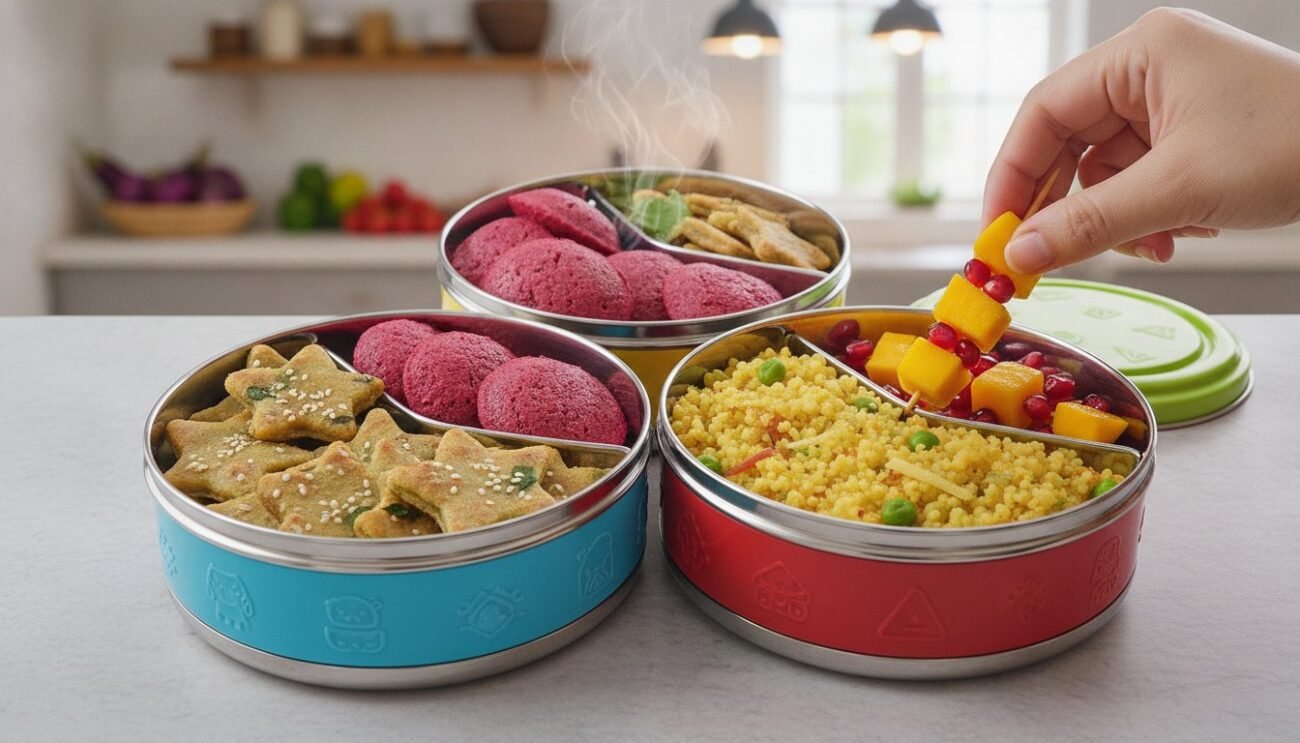
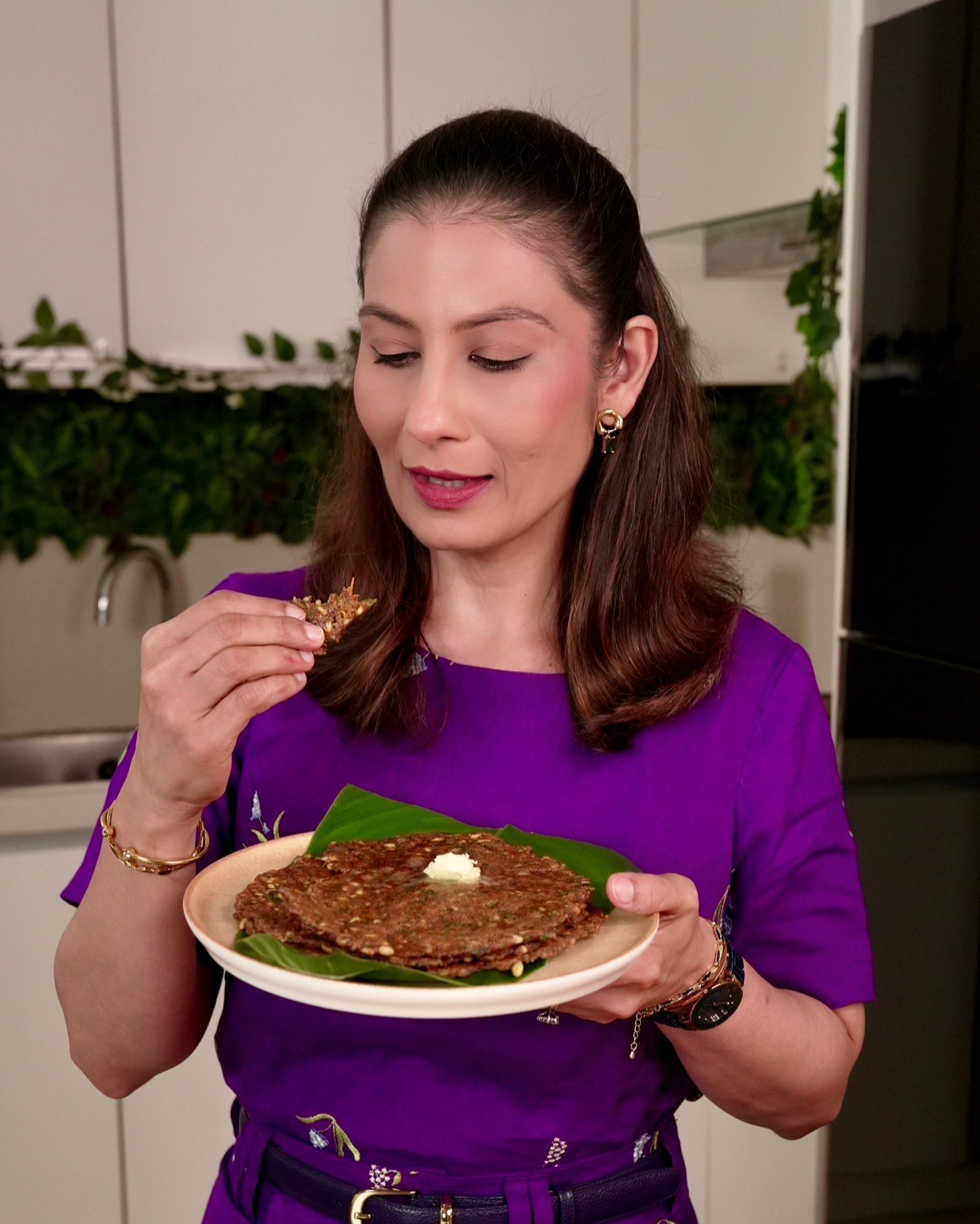
That little tiffin box isn’t just a container for food; it’s a vessel of love, a daily dose of nutrition, and a bridge between home and school. But for so many parents, the morning tiffin routine feels more like a battle than a loving ritual. The fear of an untouched lunchbox returning home, the struggle to make healthy food appealing, and the sheer exhaustion of the morning rush are all too real. What if we could transform this daily challenge into an act of creative joy? What if that tiffin box became a canvas for “Culinary Therapy”—a way to nourish your toddler’s body, mind, and spirit, all while simplifying your life?
This isn’t about complicated recipes or forcing your child to eat things they despise. It’s about a shift in philosophy. We’re moving away from the idea of restriction and into a world of “Food Magic,” where ancient grains, hidden vegetables, and smart preparation come together to create meals that are as delightful to look at as they are to eat. Forget the endless cycle of boring sandwiches and processed snacks. It’s time to unlock a treasure trove of healthy tiffin recipes for toddlers that guarantee empty lunchboxes and happy, well-nourished kids.
The Philosophy of the Perfect Toddler Tiffin: More Than Just a Meal
Before we dive into the recipes, let’s understand the “why” behind a successful toddler tiffin. It’s a delicate dance between nutrition, psychology, and presentation. Our “Culinary Therapy” approach is built on the belief that food should be a source of joy, not stress. This philosophy rests on three core pillars designed to make every meal a win.
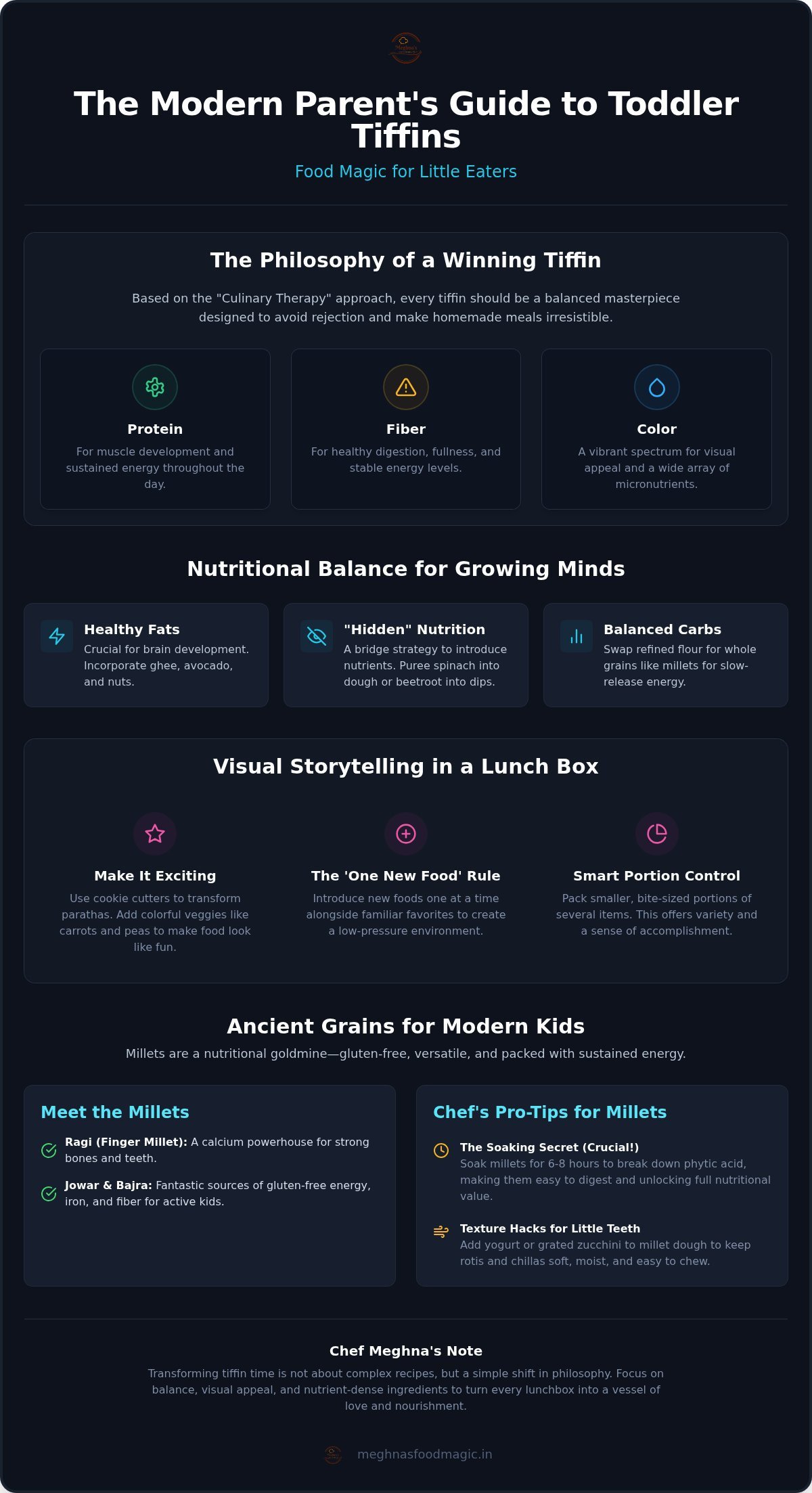
- The 3-Pillar Framework: Every tiffin should be a masterpiece of balance. We aim for Protein for muscle development and sustained energy, Fiber for healthy digestion and fullness, and a vibrant spectrum of Color for visual engagement and a wide array of micronutrients.
- Understanding Toddler Rejection: Why do toddlers suddenly reject a food they loved yesterday? It often comes down to texture sensitivities and visual appeal. A lumpy texture, a dull color, or an overwhelming portion can be enough to trigger a refusal. Recognizing this is the first step to overcoming it.
- Transitioning to ‘Food Magic’: The journey from convenient processed snacks to wholesome, homemade meals is what we call “Food Magic.” It’s about making real food so exciting, colorful, and delicious that packaged alternatives lose their charm.
Nutritional Balance for Growing Minds
- The Role of Healthy Fats: Don’t shy away from fats! Healthy fats like those found in ghee, avocado, and nuts are crucial for brain development. A small dollop of ghee on a paratha or a creamy avocado dip can make a world of difference.
- ‘Hidden Nutrition’ as a Bridge: While our ultimate goal is for children to love vegetables in their whole form, “hiding” them is a fantastic bridging strategy. Pureeing spinach into a dough or blending beetroot into a dip introduces essential nutrients without a fight, helping to develop their palate for these flavors over time.
- Balancing Carbs and Fiber: Energy-dense carbohydrates are vital for active toddlers, but the source matters. Swapping refined flour for whole grains and millets provides slow-release energy, preventing the sugar crash and burn that often follows processed carbs.
Visual Storytelling in a Lunch Box
For a toddler, we eat with our eyes first. A visually appealing tiffin can be the difference between a meal that’s devoured and one that’s ignored. Think of yourself as a food artist telling a delicious story.
- Shapes and Colors Make it Exciting: A simple cookie cutter can transform a plain paratha into a star, a heart, or a flower. Grated carrots, bright green peas, and golden corn can turn a simple uttapam into a colorful mosaic. Make the food look like fun, and your toddler is more likely to engage with it.
- The ‘One New Food’ Rule: Variety is key, but too much at once can be overwhelming. Introduce new foods one at a time, alongside familiar favorites. This creates a safe and low-pressure environment for them to explore new tastes and textures.
- Portion Control for Success: A mountain of food can be intimidating for a small child. It’s often better to pack smaller, bite-sized portions of several items. This offers variety and empowers them with a sense of accomplishment when they finish their meal.
Ancient Grains for Modern Kids: Mastering Millet-Based Tiffins
It’s time to move beyond wheat and rice and rediscover the nutritional goldmine of ancient Indian grains. Millets are gluten-free, packed with nutrients, and incredibly versatile. When prepared correctly, they are a game-changer for healthy tiffin recipes for toddlers, providing sustained energy that far outlasts refined grains.
- Ragi (Finger Millet): This humble grain is a calcium powerhouse, essential for developing strong bones and teeth. Its rich, earthy flavor pairs beautifully with both sweet and savory ingredients.
- Jowar (Sorghum) and Bajra (Pearl Millet): These are fantastic sources of gluten-free energy, iron, and fiber. They are perfect for active toddlers who need fuel to power through their day of play and learning.
- The ‘Soaking Secret’: This is the most crucial step in cooking with millets. Soaking millets for at least 6-8 hours breaks down phytic acid, an anti-nutrient that can interfere with the absorption of minerals like iron, zinc, and calcium. This simple step makes the grains easier to digest for a toddler’s sensitive system and unlocks their full nutritional potential.
- Texture Hacks for Little Teeth: To ensure millet rotis and chillas stay soft, add a spoonful of yogurt or grated zucchini to the dough. This retains moisture and results in a tender texture that’s easy for little ones to chew.
Ragi Revolution in the Tiffin
Ragi is a superfood that deserves a prime spot in your toddler’s lunchbox. Its versatility makes it easy to incorporate into familiar dishes.
- Recipe Idea: Forget plain rice idlis; try making soft, fluffy Ragi Idlis. They have a beautiful, deep color and a nutrient profile that’s far superior. For a sweet treat, whip up some mini Ragi pancakes, perfect for little hands to hold.
- The Perfect Pairing: Combine Ragi with jaggery instead of refined sugar. Jaggery is a natural, unrefined sweetener that is also rich in iron, creating a powerful combination that boosts energy and hemoglobin levels. For more on this healthy swap, explore our guide on replacing sugar with jaggery in sweets.
- Get the Ratios Right: Perfecting millet recipes is a science. For chef-approved techniques and specific grain-to-liquid ratios, explore the extensive resources at Meghna’s Food Magic.
Jowar and Bajra for Savory Wins
Jowar and Bajra have robust, nutty flavors that are perfect for savory preparations. They are excellent for keeping toddlers full and focused throughout their school day.
- Vegetable-Loaded Jowar Chilla: This is a 15-minute morning savior. Grate carrots, zucchini, and a little onion into a Jowar flour batter, and you have a protein-and-fiber-packed pancake that’s both delicious and incredibly nutritious.
- Bajra Khichdi with Moong Dal: This is the ultimate comfort food that travels beautifully. It’s warm, mushy, and easy to digest. The combination of pearl millet and lentils creates a complete protein, making it a perfectly balanced meal in one pot.
- Sustained Focus: The complex carbohydrates in Jowar and Bajra are broken down slowly by the body, providing a steady stream of energy. This helps prevent the mid-morning slump and keeps your child alert and engaged in their activities.
Hidden Nutrition: High-Protein and Vegetable-Loaded Recipes
For parents of picky eaters, getting enough protein and vegetables into their diet can feel like an impossible mission. This is where “hidden nutrition” becomes your secret weapon. By artfully integrating these powerhouse ingredients into foods your toddler already loves, you can boost their nutritional intake without a single complaint.
- The Moong Dal Miracle: Moong dal (split yellow lentils) is a versatile, gentle, and protein-rich ingredient. It can be used to make soft chillas, added to khichdi, or even sprouted and ground into dosa batter for an extra nutrient kick.
- Appe (Paniyaram) Artistry: These delightful savory balls are the perfect vehicle for vegetables. You can pack finely chopped or grated carrots, beans, spinach, beetroot, and corn into the batter. Each bite-sized appe becomes a mini treasure chest of nutrition.
- Paneer and Soya: Don’t underestimate these quick protein additions. Scrambled paneer can be stuffed into parathas, and soya granules can be mixed into cutlet patties. They have a mild flavor and soft texture that most toddlers readily accept.
- ‘Food Magic’ Integration: The philosophy here is to enhance, not just hide. You are elevating a traditional recipe by infusing it with more protein, vitamins, and fiber, turning a simple meal into a supercharged one.
The ‘Invisible’ Vegetable Strategy
This strategy is all about seamless integration. The goal is to incorporate vegetables in a way that their texture and strong flavors are masked, allowing your child to get the benefits without the battle.
- Doughs and Sauces: Puree cooked spinach, beetroot, or pumpkin and knead it directly into your paratha or roti dough. The dough will take on a beautiful, vibrant color, making it visually exciting. Blending carrots and zucchini into a pasta sauce is another classic and effective technique.
- Colorful Mini-Uttapams: Use a base of idli or dosa batter and top it with a “confetti” of finely grated carrots and beets. The colors make it look like a celebration, and the vegetables cook down to a soft, barely noticeable texture.
- Visual Learning: For a step-by-step guide on how to master these hidden veggie techniques, watch our dedicated playlist of Tiffin Recipes by Meghna’s Food Magic on YouTube.
Protein-Packed Finger Foods
Toddlers love to eat with their hands. Providing them with nutritious, easy-to-grip finger foods encourages self-feeding and makes mealtime more interactive and fun.
- Moong Dal Chilla Strips: Prepare a thin moong dal chilla and slice it into long, finger-like strips. They are easy for little hands to pick up and dip into yogurt or a mild chutney.
- Tofu or Paneer ‘Popcorn’: Cube firm tofu or paneer, toss it with a little seasoning, and bake or air-fry until it’s golden and slightly crisp on the outside. Using an air fryer is a fantastic way to achieve a satisfying crunch without any deep-frying, making it a much healthier option. Understanding the benefits of different appliances can elevate your healthy cooking game; learn more about how an air fryer compares to other kitchen tools.
Zero-Waste Prep and Stress-Free Morning Management
The secret to a calm and successful tiffin-packing morning isn’t waking up at dawn—it’s smart preparation. By adopting a “prep-ahead” and zero-waste mindset, you can save time, reduce stress, and run a more sustainable kitchen. A little work on the weekend can lead to a week of effortless mornings.
- Batch-Cooking Batters: The Sunday secret to a 10-minute Monday is having your batters ready. Prepare a large batch of idli, dosa, or chilla batter and store it in the refrigerator. It will stay fresh for 3-4 days, ready to be used at a moment’s notice.
- Zero-Waste Cooking: Don’t throw away those vegetable stalks and peels! Cauliflower stalks, broccoli stems, and carrot peels are packed with nutrients. Save them to make a flavorful vegetable stock or grind them into a nutritious chutney.
- Safe Storage for Freshness: The key to a soggy-free lunch is proper packing. Allow hot items like parathas and idlis to cool completely before packing them. Use compartmentalized lunch boxes to keep wet and dry items separate.
- Involve Your Toddler: Turn a potential point of conflict into a moment of connection. Let your toddler help with simple tasks like washing vegetables, mixing batter, or choosing which cookie cutter to use. When they feel a sense of ownership, they are far more likely to eat the food they helped create.
The 15-Minute Morning Workflow
With a little planning, you can assemble a healthy, delicious tiffin in under 15 minutes. Here’s how:
- Pre-Chop and Store: Spend 30 minutes on Sunday night chopping vegetables like carrots, beans, and capsicum. Store them in airtight glass containers in the fridge. This single step will save you precious time every morning.
- The ‘Dry Mix’ Strategy: Create your own homemade instant mixes. Combine ragi flour, jowar flour, a little sooji, and seasonings in a jar. In the morning, just add water or yogurt, and your chilla batter is ready to go.
- Revive with the Air Fryer: If you’ve pre-made cutlets or appe, a quick 3-4 minutes in the air fryer can bring them back to life, making them warm and crispy just before packing.
Sustainable Kitchen Habits
A smart kitchen is a sustainable one. These habits not only reduce waste but also save money and add an extra layer of nutrition to your meals.
- Repurpose Leftovers: Leftover dal from dinner can be transformed into a highly nutritious dough for parathas the next morning. Simply knead flour into the dal to create a soft, protein-rich dough. Discover more ways with our guide to creative leftover dal recipes.
- Magic Chutneys from Scraps: Collect clean peels from vegetables like bottle gourd and ridge gourd. Sauté them with lentils, chilies, and tamarind to create a unique and fiber-rich chutney.
- Eco-Friendly Tiffin Choices: Invest in a good quality stainless steel or BPA-free tiffin box. They are better for your child’s health and for the environment, reducing the reliance on plastic wrap and disposable containers. For more ideas, check out these zero-waste kitchen tips.
Chef Meghna’s Professional Notes: Troubleshooting and Success Tips
Even with the best recipes, challenges can arise. Here are some professional tips and tricks to troubleshoot common tiffin troubles and ensure your success every time. Think of this as your secret cheat sheet for a perfect lunchbox.
- The ‘Softness’ Secret: To keep parathas or rotis soft for hours, add a tablespoon of yogurt (dahi) or fresh cream (malai) to the dough. When packing, let them cool slightly and then wrap them in a muslin cloth or parchment paper before placing them in the tiffin.
- Troubleshooting Millets: Is your ragi cake or idli turning out too dry? This usually happens due to an incorrect grain-to-liquid ratio. Remember that millets absorb more water than wheat or rice. Try adding a little more water or buttermilk to the batter next time for a moister result.
- Substitution Guide for Health: In any recipe calling for sugar, you can almost always substitute it with an equal amount of powdered jaggery or a paste made from soaked dates. This not only adds natural sweetness but also a boost of iron and other minerals.
- Temperature Control is Key: For food safety, it’s important to keep hot foods hot and cold foods cold. A good insulated lunch bag can help maintain the temperature. For cold items like yogurt or fruit salad, you can pack a small, frozen gel pack alongside them.
Pro-Tips for Fussy Eaters
Dealing with a picky eater requires patience and a little bit of culinary psychology. These tricks can help encourage them to try new things.
- The ‘Dip’ Trick: Toddlers love to dip! Offer a healthy, delicious dip like hung curd with herbs, a mild hummus, or a tomato-beetroot ketchup alongside vegetable sticks or chilla strips. The fun of dipping can often entice them to eat the accompanying food.
- Texture Adjustments: Pay close attention to the textures your child prefers. If they dislike mushy foods, try grating vegetables instead of mashing them. If they are sensitive to chunky textures, puree vegetables smoothly into a sauce or batter. Sometimes, leaving a vegetable whole (like a baby carrot) is more appealing than chopping it up.
Ingredient Substitutions for Health
Small swaps can make a big nutritional impact without compromising on taste. Here are a few easy, high-impact substitutions.
- Rethink Your Idlis: Replace a portion of the white rice in your idli batter with nutrient-dense alternatives like Foxtail Millet (Kangni) or Kodo Millet. They create a wonderfully soft texture and significantly increase the fiber and mineral content.
- Healthy ‘Cake Therapy’ Treats: For a special tiffin treat, bake a small muffin or a slice of cake using whole wheat flour (atta) and jaggery instead of all-purpose flour and white sugar. You can also add grated carrots or mashed bananas for extra moisture and nutrition.
- Why Jaggery Wins: Jaggery is a superior iron-rich alternative to refined sugar because it is unrefined and retains the natural molasses, which is packed with minerals like iron, magnesium, and potassium. This makes it an excellent choice for preventing anemia and providing a more stable source of energy.
Packing a tiffin for your toddler doesn’t have to be a source of daily stress. By embracing the philosophy of “Culinary Therapy,” incorporating the goodness of ancient grains, and using smart, sustainable prep strategies, you can transform this routine into a joyful act of nourishment. Remember, every colorful, protein-packed, and lovingly prepared meal is a building block for your child’s healthy future. You have the power to make their lunchbox a daily discovery of delicious flavors and textures.
Ready to continue your journey into the world of creative and healthy cooking?
Explore Chef Meghna’s Free Digital Recipe Database for more Tiffin Magic!
- Access 100+ high-protein vegetarian recipes
- Chef-led guidance on ancient millets
- Sustainable, zero-waste cooking tips
Disclaimer
This is a recipe food blog page and not nutrition or doctor and hence do not claim to cure any illness. If you have specific health issues please consult a qualified doctor or certified nutritionist.
I do consult experts, research Internet and at times seek help from Gemini to collect relevant information to put together some of these blogs.

