
Low Carb Roti Options in India: A Comprehensive Guide to Healthy Flatbreads
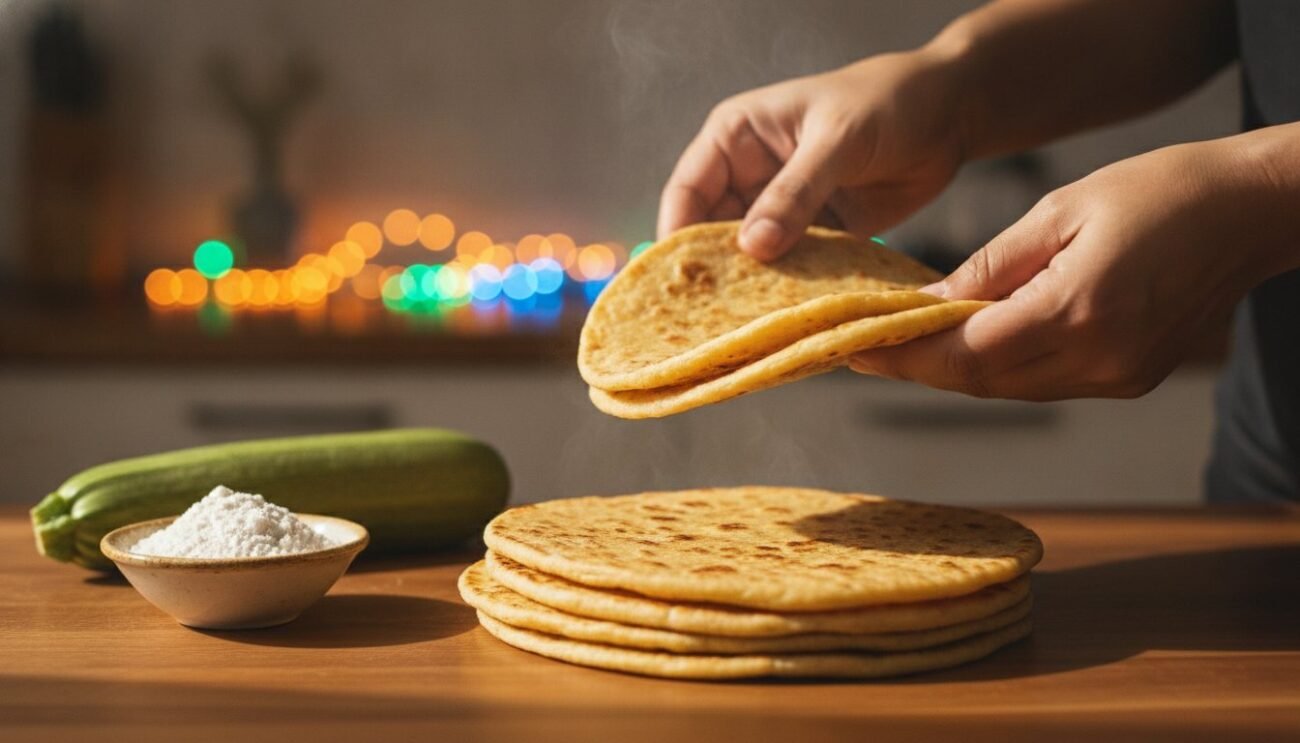
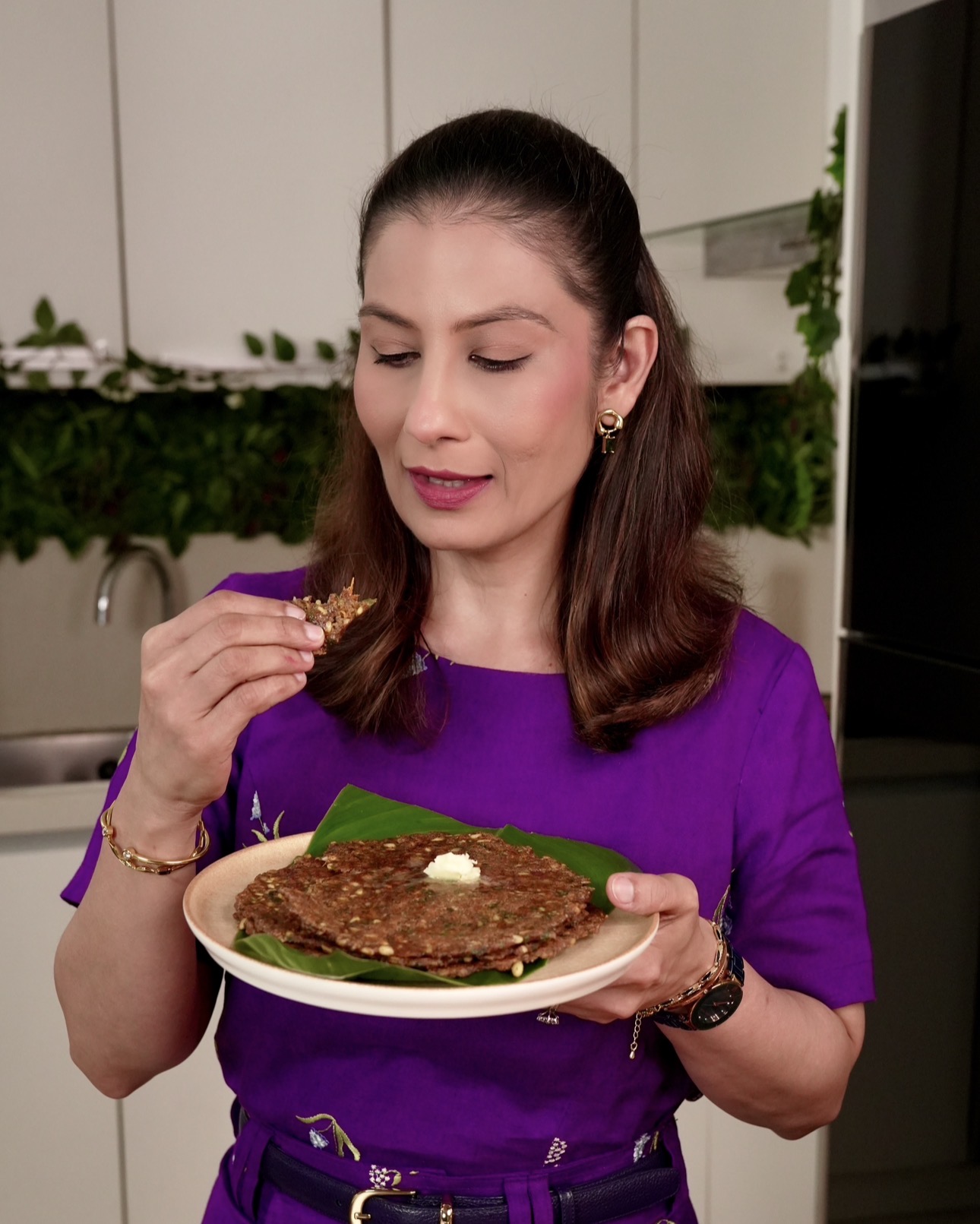
What if the one thing you believe is stalling your fitness progress is actually the very thing that could make your wellness journey feel like a celebration? For most of us, a meal feels incomplete without a warm, soft roti to scoop up a flavorful curry, yet the transition to a healthier lifestyle often feels like a goodbye to this beloved staple. Finding authentic low carb roti options india provides can be frustrating when most recipes result in brittle, dry discs that lack that soul-satisfying taste of home. You shouldn’t have to choose between your health goals and the joy of a perfect meal.
I understand the struggle of wrestling with non-gluten dough that refuses to roll or breaks apart in the pan. That’s why this guide is designed to bring harmony back to your plate. I promise to show you how to create soft, pliable, and delicious low-carb rotis using accessible Indian ingredients that won’t spike your blood sugar. We’ll explore the science of smart binding and hydration through professional methods, ensuring your flatbreads are as nutritious as they are delightful. From almond flour secrets to coconut flour success, you’re about to master the art of the healthy Indian kitchen.
Key Takeaways
- Understand why traditional wheat “atta” can impact weight loss and how to transition to the most effective low carb roti options india has to offer.
- Learn the structural differences between almond and coconut flours to choose the right base for your desired texture and nutritional goals.
- Master the essential “Hydration Secret” and kneading techniques that prevent non-gluten dough from becoming brittle or breaking.
- Access precise, chef-tested recipes for High-Protein Almond Rotis and High-Fiber Zucchini-Coconut Rotis designed for your fitness journey.
- Benefit from “Chef Meghna’s Notes” to troubleshoot common issues like sticky dough and find the perfect low-carb substitutions.
Why Switch to Low Carb Roti Options in India?
For generations, the traditional Indian roti has been the heartbeat of our dinner tables, a comforting circle of warmth that completes every meal. But as our lifestyles become more sedentary, the high carbohydrate load of traditional wheat can sometimes work against our fitness goals. Exploring low carb roti options india provides isn’t about restriction; it’s a creative evolution of our culinary heritage. By swapping grain-heavy flours for nutrient-dense alternatives like nuts and seeds, we transform a simple flatbread into a powerhouse of healthy fats and fiber.
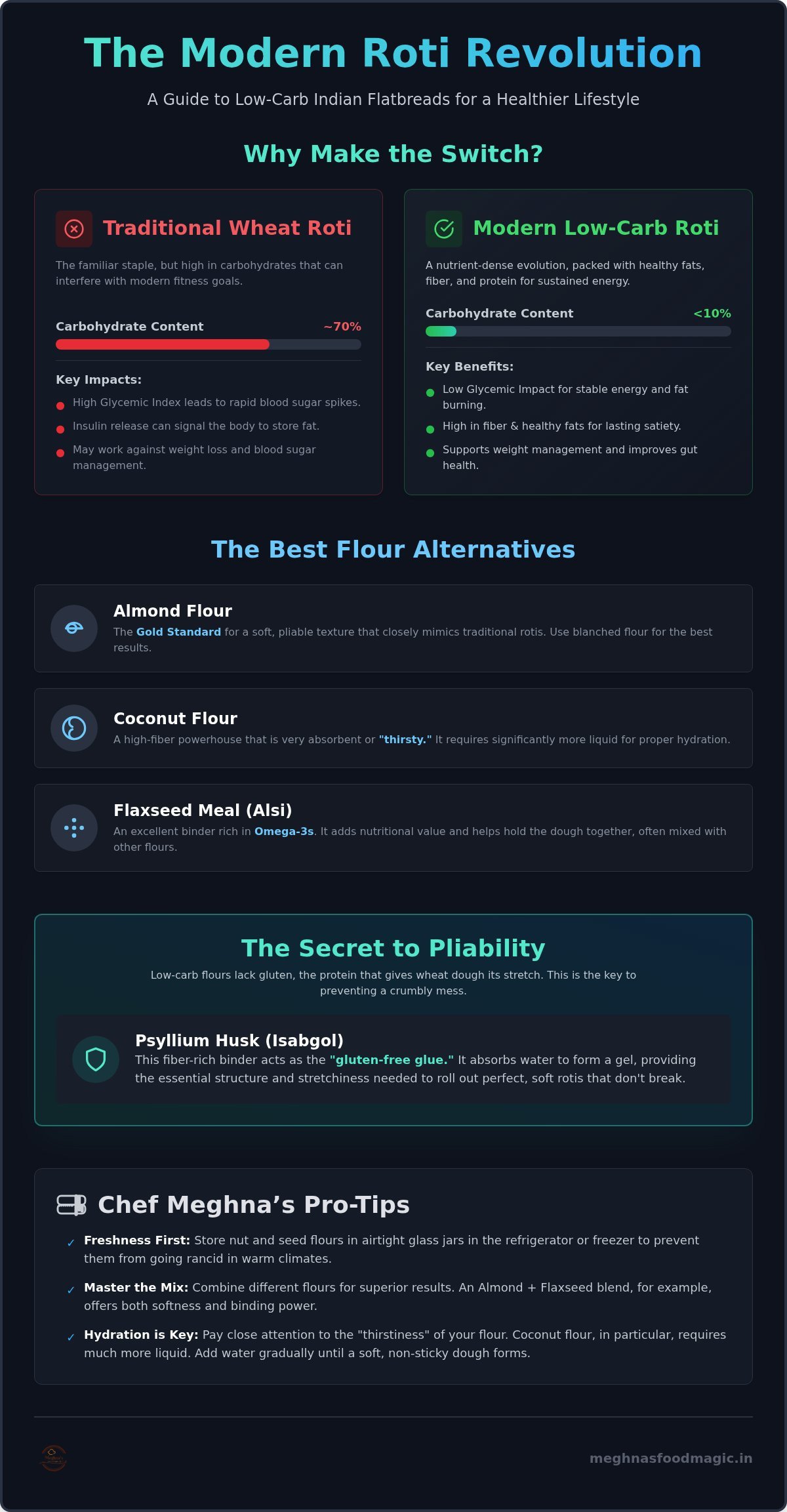
Traditional whole wheat “atta” is roughly 70% carbohydrates. While it’s a source of energy, for someone managing blood sugar or aiming for weight loss, these carbs can lead to rapid insulin spikes. Low-carb rotis solve this by using flours that have a much lower glycemic impact, keeping your energy stable and your body in a fat-burning state. It’s a simple shift that makes a massive difference in how you feel after lunch.
The Problem with Refined and High-Carb Grains
Traditional flours often sit high on the glycemic index, which means they break down into sugar very quickly. When your blood sugar levels skyrocket, your body releases insulin. This hormone signals your cells to store fat rather than burn it. This cycle is a primary driver behind the “wheat-belly” concern many fitness enthusiasts face. With an estimated 77 million adults in India living with diabetes as of 2023, according to the International Diabetes Federation, finding ways to enjoy our favorite meals without the sugar crash is a genuine health necessity.
Benefits of a Low-Carb Lifestyle for Modern Indians
The beauty of this shift is that you don’t have to abandon the comfort of “Roti-Sabzi.” Embracing low-carb alternatives allows for a more diverse intake of healthy fats from almonds and incredible fiber from flaxseeds. This diversity improves gut health and provides lasting satiety. You’ll find that you feel fuller for longer, which naturally aids in weight loss without the feeling of being deprived. It’s about celebrating food that loves you back, ensuring you stay energized from your morning workout through your last meeting of the day. Wellness should always feel like an invitation to eat better, not an order to eat less.
Best Flour Alternatives for Low Carb Rotis
Choosing the right base is the first step in mastering low carb roti options india provides for a healthier lifestyle. Unlike traditional wheat, which relies on gluten for structure, low-carb flours bring a wealth of healthy fats and proteins to your plate. Blanched almond flour is often considered the gold standard because its fine texture closely mimics the mouthfeel of a traditional phulka. While some prefer almond meal, blanched flour results in a much softer, more flexible roti that won’t feel gritty. If you’re looking for a budget-friendly, high-protein alternative, peanut flour is a fantastic Indian favorite that offers a rich, nutty aroma perfect for savory parathas.
Coconut flour is another powerhouse, though it’s famously “thirsty.” It requires significantly more hydration than other flours, but its high fiber content makes it incredibly satisfying. While many people explore the health benefits of millets for their lower glycemic index, those on a strict keto or low-carb journey often find that seed-based flours like flaxseed (Alsi) or pumpkin seed meal offer an even better macro-balance. These seeds are packed with Omega-3 fatty acids, adding a nutritional boost that supports heart health and brain function.
Nuts and Seeds: The Foundation of Keto-Friendly Rotis
Combining different flours often yields the best results for texture and taste. A mix of almond and flaxseed flour, for instance, provides both the softness of the nut and the binding power of the seed. Because these flours contain natural oils, they can go rancid quickly in the warm Indian climate. Always store your nut and seed flours in airtight glass jars inside the refrigerator or freezer to keep them fresh and vibrant. If you want to see these flour blends in action, you can find plenty of inspiration on my YouTube channel where I share visual guides for perfect dough consistency.
Fiber-Rich Fillers and Binders
Since low-carb flours lack gluten, they need a “helping hand” to stay together. Psyllium Husk, commonly known in Indian households as Isabgol, is the secret ingredient that provides the necessary stretch and pliability. It acts as the glue, allowing you to roll the dough without it crumbling into pieces. For a zero-waste approach, you can also use leftover vegetable pulp from your morning juice. Spinach or bottle gourd (lauki) pulp adds volume and moisture without adding significant carbs. For a truly professional, commercial-grade texture, a tiny pinch of xanthan gum can be used to ensure your rotis remain soft even after they’ve cooled down.
How to Make Soft Low Carb Rotis: Step-by-Step
When exploring the various low carb roti options india offers, the most common frustration is a roti that breaks or feels like cardboard. Because we aren’t working with gluten, the structure of our dough relies entirely on how well we hydrate our binders and flours. A healthy Indian diet plan often focuses on balance; mastering the texture of your flatbread is the key to long-term success. It’s not just about mixing ingredients; it’s about understanding the “why” behind the warmth and the rest.
The secret to a pliable, soft roti lies in using warm water. Cold water keeps the fats in nut flours rigid, while warm water softens the fibers and allows binders like psyllium husk to gelatinize properly. This creates a dough that actually behaves like dough. Without this step, you’ll likely end up with a crumbly mess that refuses to hold its shape on the tawa.
Mastering the Dough Consistency
Step 1: Start by measuring your dry ingredients with precision. Low-carb baking is more like chemistry than traditional cooking; a few extra grams of coconut flour can turn your dough into a sponge. Mix your almond or seed flours thoroughly to ensure there are no lumps.
Step 2: Incorporate a teaspoon of ghee or cold-pressed oil. This isn’t just for that authentic Indian flavor we love. The fat coats the flour particles, ensuring the final roti stays moist even after it cools down. It’s the difference between a dry disc and a soft, foldable wrap.
Step 3: Gradually add your warm water. Don’t pour it all at once. Mix until a soft, slightly sticky ball forms. Patience is your best friend here. You must let the dough rest for at least 10 to 15 minutes. This gives the fiber time to absorb the moisture, making the dough much easier to handle.
The Art of Rolling and Cooking
Since this dough lacks the elasticity of wheat, rolling it directly on a marble chakla is a recipe for sticking. The ultimate hack is rolling the dough between two sheets of parchment paper or using a silicone rolling mat. This allows you to get a thin, even circle without adding extra flour that would dry out the roti. Gently peel the top layer off, flip the roti onto your palm, and transfer it to the heat.
Heat management on your tawa is crucial. You want a medium-high flame. If the heat is too low, the roti will dry out before it browns; if it’s too high, the edges will burn while the center remains raw. Cook for about 30 to 45 seconds per side until light golden spots appear. The final touch is a light smear of ghee. It’s a small act of culinary therapy that ensures your meal feels like a celebration of health rather than a restriction.
3 Must-Try Low Carb Roti Recipes
Bringing variety to your table is the best way to ensure your health goals feel like a celebration rather than a chore. These low carb roti options india has inspired are designed to be soft, flavorful, and incredibly simple to prepare. Whether you’re looking for a high-protein boost or a fiber-rich wrap, these recipes provide the perfect foundation for your favorite curries and dals. Let’s transform these nutritious flours into culinary magic.
Recipe 1: Signature Almond-Flax Roti
This is my go-to recipe for anyone wanting a classic phulka experience without the heavy carbs. Almond flour provides a delicate sweetness, while flaxseeds add a nutty depth and essential Omega-3 fatty acids. This combination ensures a high-protein result that keeps you satiated for hours.
- Ingredients: 1 cup Almond Flour, 2 tbsp Ground Flaxseeds, 1 tbsp Psyllium Husk, a pinch of salt, 1/2 cup warm water.
- Instructions: Start by whisking all dry ingredients in a bowl to ensure the psyllium husk is evenly distributed. Gradually pour in the warm water, mixing until a soft dough forms. Knead gently for two minutes; then let it rest for 10 minutes to allow the fibers to hydrate. Roll the dough between parchment paper and cook on a medium-hot tawa until golden spots appear on both sides.
Recipe 2: Zucchini-infused Low Carb Wrap
If you’re looking to increase your vegetable intake, this “green” roti is a fantastic choice. The zucchini adds incredible moisture, making this one of the softest low carb roti options india offers for meal prep. It stays flexible even after refrigeration.
- Ingredients: 1 cup grated Zucchini (squeezed very dry), 1/2 cup Coconut Flour, 1 tsp Cumin powder, 1/4 cup warm water.
- Instructions: Combine the squeezed zucchini with coconut flour and cumin. The coconut flour will quickly absorb the remaining moisture from the vegetable. Add warm water one tablespoon at a time until the dough holds together. Roll thin and cook on a medium flame.
- Chef’s Tip: Don’t throw away the zucchini juice! Use that squeezed-out water instead of plain water to knead your dough. It’s a zero-waste way to keep all those water-soluble vitamins in your meal.
Recipe 3: High-Protein Peanut Paratha
Peanut flour is a brilliant, budget-friendly ingredient that is deeply rooted in Indian culinary traditions. This paratha is savory, sturdy, and carries a beautiful aroma that pairs perfectly with a bowl of fresh curd or a spicy pickle.
- Ingredients: 1 cup Peanut Flour, 1/4 cup Soy Flour, 1 tsp Ajwain (carom seeds), 1 tbsp Ghee, warm water as needed.
- Instructions: Mix the flours with ajwain and rub in the ghee until the mixture looks like breadcrumbs. Add warm water slowly to form a firm dough. Because peanut flour is dense, roll these into smaller discs. Pan-fry with a tiny bit of extra ghee for that authentic, crispy paratha texture.
Chef Meghna’s Notes: Pro-Tips for Low Carb Success
Mastering the kitchen is about more than just following a recipe; it’s about understanding the soul of your ingredients. When you’re working with the low carb roti options india offers, you’re essentially learning a new culinary language. It’s normal for your first few attempts to feel a bit different from traditional wheat rotis, but with a few professional secrets, you’ll be rolling out perfect discs in no time. Think of this process as culinary therapy, where each adjustment brings you closer to a meal that loves you back.
If you find your dough is too crumbly, it’s likely because the binder hasn’t had enough hydration or time to rest. Add a teaspoon of warm water and give it another five minutes. If the dough is too sticky, don’t keep adding water; instead, dust your rolling surface with a tiny bit more almond or coconut flour. If you don’t have psyllium husk on hand, you can substitute it with an equal amount of finely ground flaxseeds or even a whisked egg white to act as the “glue” that holds everything together. These small tweaks ensure your fitness journey remains a joyful celebration of flavor.
Storage and Reheating Hacks
Stacking your rotis correctly is the difference between a fresh meal and a sticky mess. Always place a small square of parchment paper between each roti before stacking them in your dabba. This prevents them from sticking together as they cool and trap moisture. If you’re meal prepping for a busy week, you can actually freeze the raw dough balls. Just wrap them tightly in cling film and thaw them in the fridge overnight before rolling. It’s an effortless way to ensure you always have healthy options ready.
When it comes to reheating, avoid the microwave if possible. Microwaving can make nut-based flours turn rubbery or tough in seconds. Instead, place the roti on a preheated tawa for 20 seconds on each side. A tiny drop of water flicked onto the tawa can create enough steam to revive the softness without making the bread soggy. This simple step keeps the texture pliable and the taste authentic, just like it was freshly made.
Pairing Your Roti for a Balanced Meal
To truly elevate your fitness journey, pair these flatbreads with high-protein vegetarian sides that complement their nutty flavor profiles. Soya chunk curry or a rich, spiced paneer dish are excellent choices that keep your macros in check while satisfying your cravings for traditional flavors. You can find plenty of inspiration in Chef Meghna’s Paneer Recipes to keep your lunches exciting and nutritious.
Wellness is a celebration of what your body can do, and eating well is the fuel for that fire. For more tips on building a sustainable and vibrant lifestyle, check out the Get Fit With Meghna YouTube Playlist. By combining these low carb roti options india provides with smart, protein-rich pairings, you’re creating a lifestyle that is both nourishing and deeply satisfying.
Embrace a Vibrant Lifestyle with Healthy Flatbreads
Choosing to evolve your traditional meals is a powerful step toward lasting wellness. By exploring the diverse low carb roti options india offers, you’re proving that health and flavor can live together in perfect harmony. We’ve unlocked the secrets to soft, pliable rotis using nutrient-dense flours and professional hydration techniques that keep your energy stable and your body nourished. It’s about celebrating your heritage while honoring your fitness goals with every bite.
You now have the foundation to create meals with a chef-approved nutritional balance right in your own home. Whether you’re using easy substitutions for the Indian kitchen or following one of my 30+ fitness-focused video guides, the path to a healthier you is paved with delicious possibilities. Remember that cooking is an act of joy; let these recipes bring excitement and culinary therapy back into your daily routine.
Your journey to wellness is a beautiful transformation, and it starts with the simple choice of what you put on your plate. I’m so excited for you to experience the magic of these healthy rotis and feel the difference in your energy levels every single day.
Frequently Asked Questions
Can I use normal wheat atta mixed with low-carb flours?
Mixing wheat atta with low-carb flours is a great way to transition your palate, but it’s important to remember that wheat adds a significant carbohydrate load. For those strictly following the low carb roti options india provides for weight loss, a 100% grain-free flour is better. If you do mix them, try a 1:3 ratio of wheat to almond flour. This helps maintain some of the traditional rolling ease while still reducing the overall glycemic impact.
Is low-carb roti suitable for people with diabetes?
Low-carb rotis are often a game-changer for people managing diabetes because they have a much lower glycemic index than traditional wheat. By replacing high-carb grains with healthy fats and fiber from nuts or seeds, you avoid the sharp insulin spikes that lead to blood sugar fluctuations. However, always monitor your individual response and consult with your healthcare provider. These recipes focus on satiety and stable energy, making them a delicious part of a balanced lifestyle.
Why does my almond flour roti break when I flip it?
Your almond flour roti likely breaks because it lacks a strong binder like psyllium husk or hasn’t been hydrated with warm water. Unlike wheat, nut flours have no gluten to hold them together. Ensure you’re rolling the dough between parchment paper and letting it rest for at least 15 minutes before cooking. Also, check your tawa heat; if the surface is too cold, the roti sticks and tears when you try to flip it.
How many carbs are in a coconut flour roti compared to wheat?
A standard whole wheat roti contains approximately 12 to 15 grams of net carbohydrates, whereas a coconut flour roti typically contains only 2 to 4 grams of net carbs. This massive reduction is why exploring low carb roti options india offers is so effective for fitness goals. Coconut flour is exceptionally high in fiber, which further lowers the net carb count. This means you can enjoy your favorite curries while consuming a fraction of the starch found in grains.
Can I make these rotis without psyllium husk?
You can definitely make these rotis without psyllium husk by using alternatives like ground flaxseeds or a small amount of xanthan gum. Flaxseeds provide a natural mucilage that mimics the binding properties of gluten when mixed with warm water. Another professional tip is to use an egg white in the dough, which provides structural integrity through protein. While the texture might vary slightly, these substitutions ensure your flatbread remains foldable and soft without the need for specialized binders.
Which low-carb roti option is the most budget-friendly in India?
Peanut flour and flaxseed meal are the most budget-friendly low carb roti options india has available across the country. While almond flour is often considered the gold standard, peanuts are a locally abundant, high-protein alternative that delivers a wonderful savory flavor. You can also make your own seed meals by grinding pumpkin or sunflower seeds at home. These options allow you to maintain a healthy, low-carb lifestyle without overspending on specialty ingredients, making wellness accessible for every kitchen.
How do I make my low-carb roti puff up like a phulka?
Getting a low-carb roti to puff up like a traditional phulka is challenging without gluten, but it is possible with the right steam management. Using boiling water to knead your dough creates internal steam that helps the roti expand on the tawa. You must also ensure your tawa is sufficiently hot before placing the roti down. Gently pressing the edges with a clean cloth can sometimes encourage that elusive puff, though the final texture will always remain slightly denser than wheat.
Are these recipes gluten-free?
Yes, the low carb roti options india features in this guide are naturally gluten-free because they use nut and seed bases rather than grains. Flours like almond, coconut, and peanut don’t contain the gluten proteins found in wheat, barley, or rye. This makes them an excellent choice not just for those on a low-carb journey, but also for anyone with gluten sensitivities or celiac disease. Always double-check your packaging to ensure flours are processed in a certified gluten-free facility.
Disclaimer
This is a recipe food blog page and not nutrition or doctor and hence do not claim to cure any illness. If you have specific health issues please consult a qualified doctor or certified nutritionist.
I do consult experts, research Internet and at times seek help from Gemini to collect relevant information to put together some of these blogs.

