
High Protein Guide for Indian Vegetarians
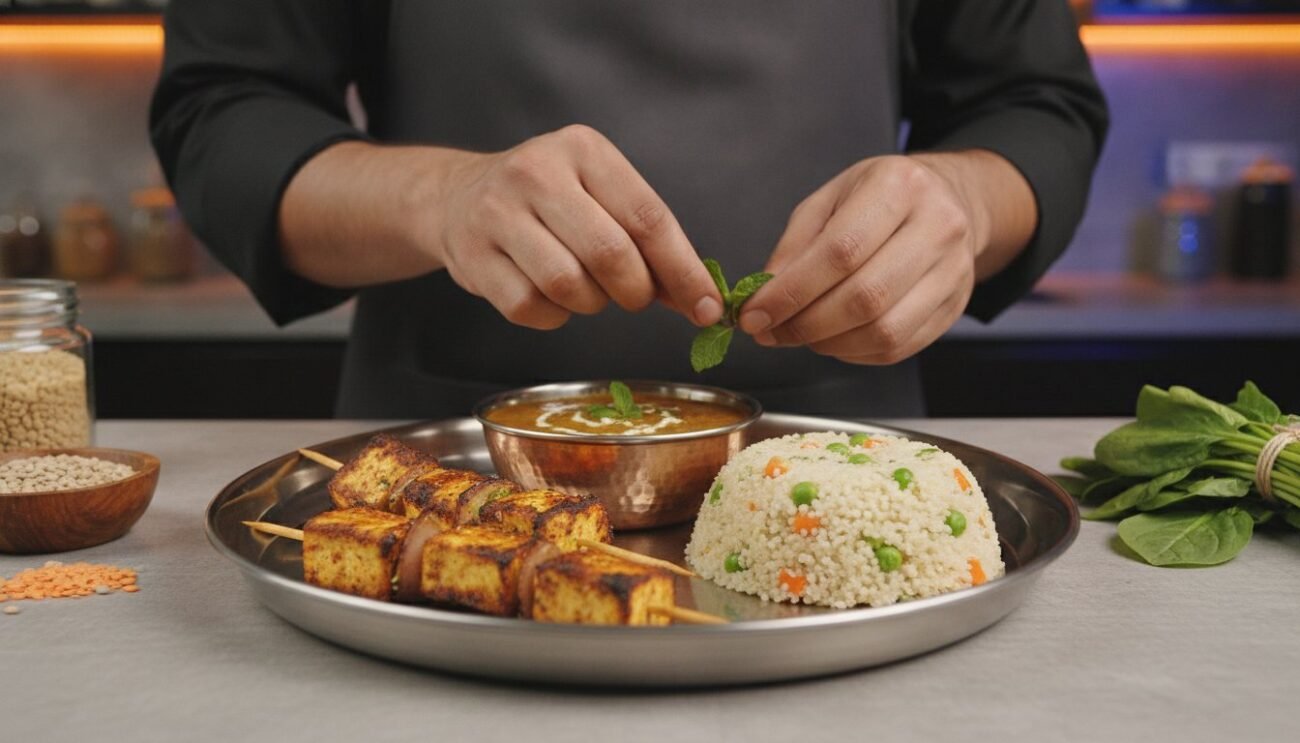
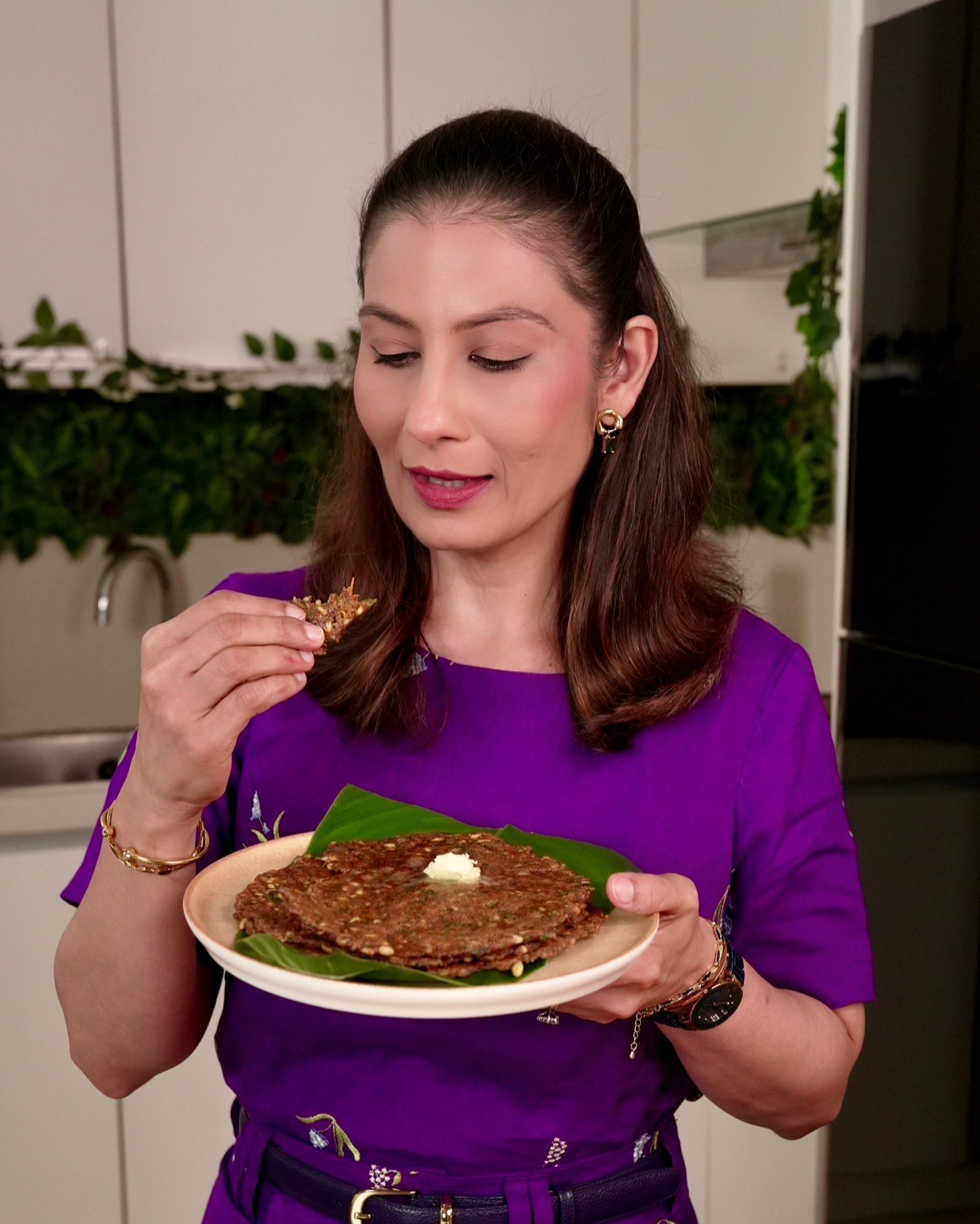
Did you know that a staggering 73% of Indians are currently protein deficient? It’s a surprising reality for many of us who take pride in our diverse, home-cooked meals. If you’ve ever wondered how to increase protein intake for vegetarians india, you’ve likely hit the same wall; feeling hungry shortly after eating or getting bored with the endless cycle of basic dal and rice. I understand that frustration deeply. Cooking should be an act of joy and self-care, not a math equation where you’re constantly worrying about complete versus incomplete amino acids.
You deserve meals that are as nourishing for your muscles as they are for your soul. In this guide, I’m pulling back the curtain on how to master your protein goals using the vibrant ingredients already in your kitchen. We’ll move beyond the basics with chef-approved techniques that transform humble legumes and dairy into extraordinary, high-protein feasts. From a sustainable daily eating strategy to actionable lists of powerful Indian sources, I’ll show you how to create a lifestyle that feels like a celebration. Let’s turn your kitchen into a space of wellness where every bite is packed with strength and flavor.
Key Takeaways
- Learn the science of “complete proteins” and how to strategically combine traditional Indian staples to ensure your body gets all essential amino acids.
- Discover exactly how to increase protein intake for vegetarians india by utilizing high-density sources like soya chunks and paneer for better muscle recovery.
- Master effortless culinary swaps, such as replacing refined flours with sattu or using hung curd as a creamy, protein-rich base for your favorite gravies.
- Adopt the “Plate Method” and strategic meal timing to keep you feeling full longer and eliminate those stubborn evening snack cravings.
- Access professional kitchen secrets and precise recipes that transform simple ingredients into high-protein masterpieces without sacrificing traditional flavors.
Understanding the Vegetarian Protein Gap in India
Protein is the master architect of your body. It repairs muscle fibers, balances your hormones, and keeps your digestive enzymes running smoothly. For many of us, the challenge of how to increase protein intake for vegetarians india starts with a simple misunderstanding of our plate. Traditional meals often center on grains, which are delicious but can leave a nutritional gap if we aren’t intentional. Understanding this gap is the first step toward a more vibrant, energetic version of yourself.
How Much Protein Do You Actually Need?
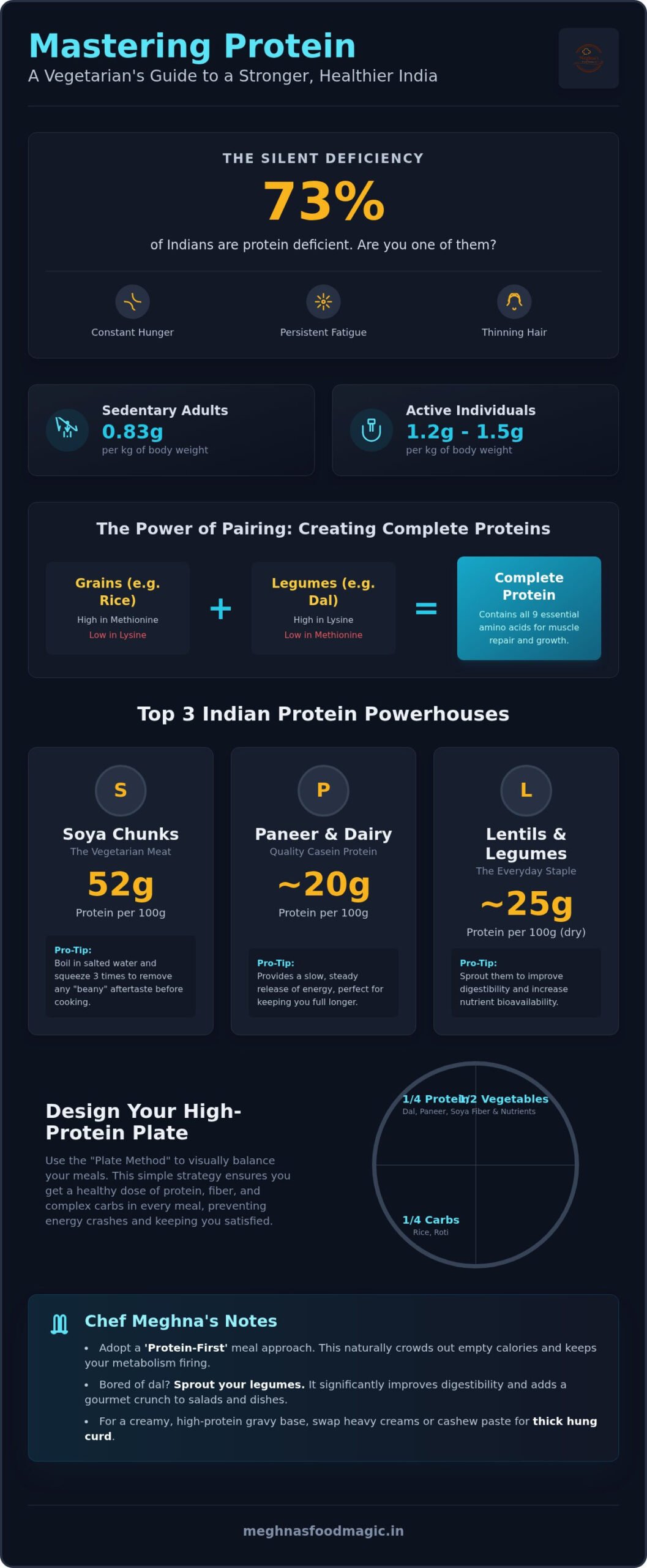
According to the ICMR-NIN 2020 guidelines, a sedentary adult needs about 0.83 grams of protein per kilogram of body weight. If you’re hitting the gym or lead a busy, active life, that number should climb toward 1.2g or even 1.5g. Your body sends clear signals when you aren’t hitting these targets. If you’re struggling with thinning hair, persistent fatigue, or that constant hunger even after a heavy meal, your protein tank might be empty. Focusing on protein volume, rather than just the percentage on a label, is the secret to staying satisfied. High-volume, protein-rich foods take up more space in your stomach, signaling to your brain that you’re truly full.
The Role of Amino Acids in Indian Staples
Your body requires 20 different amino acids to function, but nine of these are “essential,” meaning your body can’t make them. You must get them from food. Most plant-based ingredients in Indian vegetarian cuisine are “incomplete” because they lack one or more of these nine. For instance, relying solely on Moong Dal won’t give you the full profile your muscles crave.
This is where the magic of the “Rice and Dal” synergy comes in. Grains like rice are low in lysine but high in methionine, while lentils are the exact opposite. When you combine them, you create a complete protein. A complete protein is a food source that contains all nine essential amino acids in the proportions your body needs to thrive. By understanding these combinations, you can turn every meal into a powerhouse of nutrition.
I always advocate for a protein-first approach, especially if you’re looking at weight loss. By designing your meal around the protein source first, you naturally crowd out excess empty calories. It’s a simple mental shift that prevents the “carb-coma” and keeps your metabolism firing. If you’re bored of dal, try sprouting your legumes; it improves digestibility and makes the nutrients more bioavailable. Sprouting also adds a lovely crunch that makes healthy eating feel like a gourmet experience.
Top 3 High-Protein Powerhouses in the Indian Pantry
While many people struggle with how to increase protein intake for vegetarians india, the solution often sits right in your kitchen cabinet. We don’t need to look for exotic supplements when our traditional pantry holds “Protein Kings” that are both affordable and incredibly versatile. By focusing on these three powerhouses, you can transform your daily meals from carb-heavy staples into muscle-building feasts that keep you energized all day long.
Soya Chunks: The Vegetarian Meat
Soya chunks are the absolute champions of the plant-based world. They boast a massive 52g of protein per 100g of dry weight, which is significantly higher than most meats. The secret to enjoying them lies in the preparation. I always recommend boiling them in salted water for five minutes and then squeezing them out at least three times under cold running water. This essential step removes the “beany” aftertaste that many people dislike. Once cleaned, you can grind them into granules for a delicious soya keema, shape them into cutlets, or even sneak them into your roti dough for a hidden nutritional boost.
Paneer and Dairy: The Quality Protein
Paneer is more than just a treat; it’s a high-quality source of casein protein, which provides a slow, steady release of energy. While tofu is often suggested as a modern alternative, paneer’s texture and ability to absorb Indian spices make it a winner for the local palate. If you’re looking for something even lighter, try making fresh chenna at home. It’s much easier to digest and naturally lower in fat. When you’re looking for the best protein sources for vegetarians, dairy remains a reliable cornerstone. For new ways to serve it, explore my favorite Paneer Recipes that go far beyond the usual butter masala.
Lentils (Dals): Beyond the Basic Tadka
Dals are the foundation of our diet, but not all are created equal. Chana dal typically ranks highest in protein density, followed by masoor and moong. To get the most out of them, you must soak your lentils for 4 to 6 hours. This process isn’t just about saving fuel; it helps break down anti-nutrients like phytic acid, which can interfere with mineral absorption and cause bloating. For a real health upgrade, let your legumes sprout. Sprouting significantly increases the bioavailability of the protein, making it much easier for your body to use those nutrients effectively.
My secret for making soya chunks taste like a gourmet treat? After squeezing them dry, marinate them in a mixture of thick curd, ginger-garlic paste, and tandoori masala for 20 minutes before sautéing. This infuses them with deep flavor right to the core. If you want to see these techniques in action, I’ve shared many step-by-step guides on my YouTube channel to help you master these ingredients.
Smart Culinary Swaps to Boost Daily Protein
Small, intentional changes in your daily cooking can lead to extraordinary results without making you feel like you’re on a restrictive diet. If you’ve been wondering how to increase protein intake for vegetarians india, the answer lies in reimagining the staples you already love. By swapping a few traditional ingredients for nutrient-dense alternatives, you can turn every meal into a high-performance fuel source for your body. It’s about abundance, not deprivation.
Transforming Your Roti and Rice
Your daily phulka is a perfect place to start. Instead of using 100% refined wheat flour, try mixing in chickpea flour (besan) or sattu in a 3:1 ratio. This simple adjustment significantly raises the amino acid profile of your bread. According to the Food and Agriculture Organization, the Nutritional Powerhouse of Pulses provides nearly twice the protein found in whole grain cereals. For more variety, consider replacing white rice with broken wheat (dalia) or quinoa. These grains offer a satisfying texture and much higher satiety levels, which is why I often include them in my Weight Loss Recipes for those wanting to stay fit while eating hearty meals. If you’re also exploring ancient grains that support your fitness goals, my guide on the best millets for weight loss in India shows you exactly how to prepare them so they’re light, fluffy, and easy on digestion.
Protein-Packed Snacks and Sides
Snack time is often where most people lose track of their fitness goals. Instead of reaching for fried namkeens, keep a jar of roasted chana (bhuna chana) handy. It’s crunchy, satisfying, and packed with fiber and protein. You can also elevate your sides by creating high-protein dips. Blend boiled chickpeas with a splash of olive oil and Indian spices to create a desi hummus that pairs beautifully with cucumber sticks or whole-grain crackers. Even your breakfast can get an upgrade; try whisking a spoonful of peanut butter into your oats or spreading it on multigrain toast for a punch of healthy fats and protein that keeps midday slumps at bay.
The Yogurt Hack and Seed Cycling
Creamy gravies don’t always need heavy cream or cashew paste to taste indulgent. I love using hung curd as a base for my curries. It provides that luxurious thickness while adding a significant amount of dairy protein to the dish. To add even more “specialness” to your meals, start seed cycling in your chutneys. Adding a tablespoon of pumpkin, flax, or chia seeds to your mint or coconut chutney doesn’t just improve the texture; it sneaks in essential minerals and protein without changing the flavor profile you love.
For kids’ tiffins, I’m a bit of a “stealth health” expert. I often grind soya granules into a fine powder and mix them into paratha dough or pasta sauces. They won’t notice the difference in taste, but their energy levels will stay stable all afternoon. If your hummus feels too thick, use a little of the leftover water from boiling the chickpeas (aquafaba) to blend it. It keeps the dip light and airy while preserving every bit of nutrition. Don’t be afraid to experiment with these “hidden” protein sources; they’re the secret to a balanced family diet.
3 High-Protein Indian Recipes for Daily Wellness
Turning knowledge into action is the most rewarding part of this journey. If you’ve been searching for how to increase protein intake for vegetarians india, these recipes are your secret weapon. They are designed to be quick, flavorful, and packed with the nutrients your body needs to thrive. Let’s step into the kitchen and create some magic with these three high-protein masterpieces that prove healthy eating is a celebration of flavor.
Recipe 1: Sprouted Moong and Peanut Salad (The Fitness Bowl)
This salad is a texture lover’s dream. Sprouting the moong makes the protein more bioavailable, while peanuts add a satisfying crunch and healthy fats. It’s an ideal mid-day meal that keeps you light yet energized throughout your afternoon tasks.
- Measurements: 1 cup sprouted moong, 1/4 cup roasted peanuts, 1 finely chopped tomato, 1 small onion, fresh coriander.
- Instructions: In a large mixing bowl, combine the sprouted moong and roasted peanuts. Toss in the chopped tomato and onion. Squeeze the juice of half a lemon and sprinkle a generous amount of chaat masala. Garnish with fresh coriander and serve immediately to maintain the crunch.
- Protein Count: Approximately 12-15g per serving.
Recipe 2: High-Protein Paneer Bhurji with Bell Peppers
Paneer is a kitchen staple, but the way you cook it determines the final experience. This version uses vibrant bell peppers to add fiber and antioxidants, creating a balanced meal that supports muscle repair. For more inspiration, you can explore my full collection of Paneer Recipes.
- Measurements: 200g crumbled fresh paneer, 1 cup finely chopped bell peppers (mix of red, green, and yellow), 1 tsp turmeric, 1 tsp cumin seeds, salt to taste.
- Instructions: Heat a little oil in a pan and splutter cumin seeds. Sauté the bell peppers until they are slightly soft but still have a slight bite. Add turmeric and salt. Fold in the crumbled paneer and cook for exactly 3-4 minutes only. This ensures the paneer stays soft and creamy rather than becoming rubbery.
- Protein Count: Approximately 18-20g per serving.
Recipe 3: Soya Chunk Stir-fry (The Quick Post-Workout Meal)
When you need a massive protein hit after a workout, this stir-fry is unbeatable. It’s savory, spicy, and incredibly fast to whip up. For a complete guide on structuring your healthy post workout meal Indian vegetarian style, including how to pair protein with the right carbohydrates for optimal recovery, check out my detailed checklist. It’s a great addition to your routine if you’re following my Get Fit With Meghna series.
- Measurements: 50g soya chunks (boiled and squeezed), 1 tbsp ginger-garlic paste, 1 chopped capsicum, 1 tsp soy sauce, black pepper to taste.
- Instructions: Heat a pan and sauté the ginger-garlic paste until fragrant. Add the capsicum and stir-fry on high heat for 2 minutes. Toss in the prepared soya chunks and soy sauce. Season with black pepper and salt. Stir-fry for another 3 minutes until the chunks are slightly crispy on the edges and have absorbed all the aromatics.
- Protein Count: Approximately 25g per serving.
The biggest mistake people make with paneer is overcooking it; once it loses its moisture, it becomes tough and loses that melt-in-the-mouth quality. Always add it at the very end of your cooking process. For the soya chunks, if you find them too chewy, try mincing them slightly in a food processor after boiling. This increases the surface area and allows them to soak up the spices much better. If you’re out of peanuts for the fitness bowl, roasted chana is a fantastic high-protein substitute that provides a similar satisfying crunch.
Designing Your High-Protein Indian Meal Plan
A successful meal plan is the bridge between your fitness goals and your daily reality. When figuring out how to increase protein intake for vegetarians india, the secret isn’t just about what you eat, but how you structure your plate. I want you to move away from the traditional carb-heavy thali and embrace the “Plate Method.” This simple visual guide ensures you’re fueled for success: 25% of your plate should be high-quality protein, 25% complex carbohydrates, and the remaining 50% must be dedicated to fiber-rich vegetables and salads. This ratio keeps your blood sugar stable and your energy levels soaring throughout the day.
Timing is equally vital for long-term success. If you skip protein at breakfast, you’re essentially inviting intense evening cravings to the party. Starting your day with a protein-rich meal sets a metabolic tone that keeps you satiated for hours. For the busy professional, a one-hour Sunday prep routine is a game-changer. Boil your rajma and chickpeas, squeeze your soya chunks, and crumble your paneer in advance. Having these building blocks ready in your fridge makes it effortless to assemble a nutritious meal in minutes, even on your most chaotic Mondays. This same prep strategy works brilliantly when you need a quick healthy post-workout meal for Indian vegetarians that delivers 20–40 grams of protein alongside the right carbohydrates within two hours of training.
Sample High-Protein Day for Vegetarians
Consistency becomes easy when the food tastes this good. Here is how a typical day of high-protein vegetarian eating looks when you prioritize both flavor and nutrition:
- Breakfast: A savory Moong Dal Chilla stuffed with grated vegetables or a Paneer Paratha made with a very thin whole-wheat dough to keep the protein-to-carb ratio high.
- Lunch: A hearty serving of Rajma or Chole paired with a small portion of brown rice and a large bowl of fresh, protein-rich curd.
- Dinner: A vibrant Tofu or Paneer stir-fry with colorful bell peppers, or a spicy Soya Keema enjoyed with a single multigrain roti.
Next Steps: Join the Fitness Journey
Wellness is a beautiful, lifelong journey, not a quick destination. If you’re ready to take the next step in your health transformation, I invite you to explore my Get Fit With Meghna YouTube playlist for more guided meal ideas. You can also follow Chef Meghna on Instagram for your daily dose of recipe inspiration and kitchen secrets. Remember, every meal is an opportunity to nourish yourself with love and intention. Keep cooking, keep experimenting, and keep making magic in your kitchen!
My philosophy is simple: “Food Magic” starts with a balanced plate. I don’t believe in restriction; I believe in substitution and smart structure. If you find yourself reaching for sugary snacks at 4 PM, look back at your lunch. Did it have enough protein? Most likely not. Use my “Plate Method” as your North Star. If you’re prepping pulses on Sunday, add a small piece of ginger to the boiling water to aid digestion. Cooking with love means taking the time to plan for your future health today.
Your Journey to a Stronger, More Vibrant You
Mastering your health doesn’t mean giving up the traditional flavors you love. By embracing the power of soya chunks, the steady energy of paneer, and the strategic “Plate Method,” you’ve already taken the first step toward a more energetic life. You now have the culinary tools to bridge the gap and understand exactly how to increase protein intake for vegetarians india without ever feeling deprived or bored.
This is about more than just numbers; it’s about culinary therapy and finding joy in the act of creation. My “Get Fit With Meghna” series is designed to support you every step of the way with expert tips and a vibrant community of over 1 million home cooks who are all reclaiming their wellness together. You’ve got the recipes and the strategy; now it’s time to bring that food magic into your own kitchen.
I can’t wait to see the incredible meals you create. Remember, every healthy choice is a celebration of your body and your potential. Keep cooking with love and stay fit!
Frequently Asked Questions
Is it possible for Indian vegetarians to get 100g of protein daily?
Yes, hitting 100g is entirely achievable with a focused strategy. You must prioritize high-density sources like soya chunks, paneer, and Greek yogurt in every single meal. By learning how to increase protein intake for vegetarians india through these traditional pantry staples, you can reach high targets without relying on supplements. It’s about being intentional with your combinations and ensuring every snack contributes to your daily goal.
Does eating too much soya lead to hormonal imbalances in men?
Current scientific research doesn’t support the claim that moderate soya consumption affects testosterone or estrogen levels in men. Soya is a complete plant protein that’s incredibly effective for muscle repair. I recommend sticking to 25 to 50 grams of soya chunks daily as part of a varied diet. It’s a safe, cost-effective way to hit your nutritional targets while enjoying a meat-like texture in your curries.
Which Indian dal has the highest protein content?
Chana dal and Masoor dal usually lead the pack when it comes to protein density. However, the difference between various lentils is often quite marginal. The real culinary secret lies in the combination. Pairing any dal with grains like rice or wheat creates a complete amino acid profile. I suggest focusing on masoor for quick weekday meals and chana dal when you want a denser, more filling texture.
How can I increase protein in my child’s tiffin without using eggs?
Increasing protein for kids is easy with a few creative swaps. Try mixing finely ground soya granules into their paratha dough or hiding them in pasta sauces. Paneer bhurji wraps or moong dal chillas are also fantastic, egg-free options that stay fresh until lunchtime. These nutrient-dense meals show you how to increase protein intake for vegetarians india while keeping the flavors exciting for fussy eaters who need steady energy.
Is Paneer or Soya better for weight loss?
Soya chunks often win for pure weight loss because they are lower in fat and significantly higher in protein density. Paneer is a wonderful source of calcium but contains more calories and saturated fats. For the best results, use soya for high-protein volume to keep you full and paneer for satiety and slow-release energy. Rotating between both helps you avoid diet fatigue while staying on track.
Can I meet my protein needs through a gluten-free Indian diet?
Absolutely. You can thrive on a gluten-free path by focusing on legumes, dairy, and seeds. Since you aren’t using wheat, you should rely on besan or sattu for your rotis and savory pancakes. These ingredients are naturally gluten-free and much higher in protein than rice. Combining these with curd or fresh paneer ensures you hit every essential amino acid requirement without ever touching a grain of gluten.
What are some high-protein Indian snacks for evening hunger?
Roasted bhuna chana is the ultimate high-protein snack for those 4 PM cravings. You can also try a quick sprouts chaat or a small bowl of thick curd topped with flax seeds. These options prevent the typical evening energy crash that leads to overeating at dinner. They are far superior to fried namkeens which offer empty calories without any of the muscle-building benefits your body needs.
How do I make plant-based protein easier to digest?
Soaking is your best friend when it comes to better digestion. You should soak lentils and legumes for at least 4 to 6 hours to break down anti-nutrients like phytic acid. Adding a pinch of hing or fresh ginger during the boiling process also significantly aids the digestive system. Sprouting is another professional tip that makes the protein much more bioavailable, allowing your body to absorb nutrients more effectively.
Disclaimer
This is a recipe food blog page and not nutrition or doctor and hence do not claim to cure any illness. If you have specific health issues please consult a qualified doctor or certified nutritionist.
I do consult experts, research Internet and at times seek help from Gemini to collect relevant information to put together some of these blogs.

