
10 Delicious No Sugar Dessert Recipes for Health
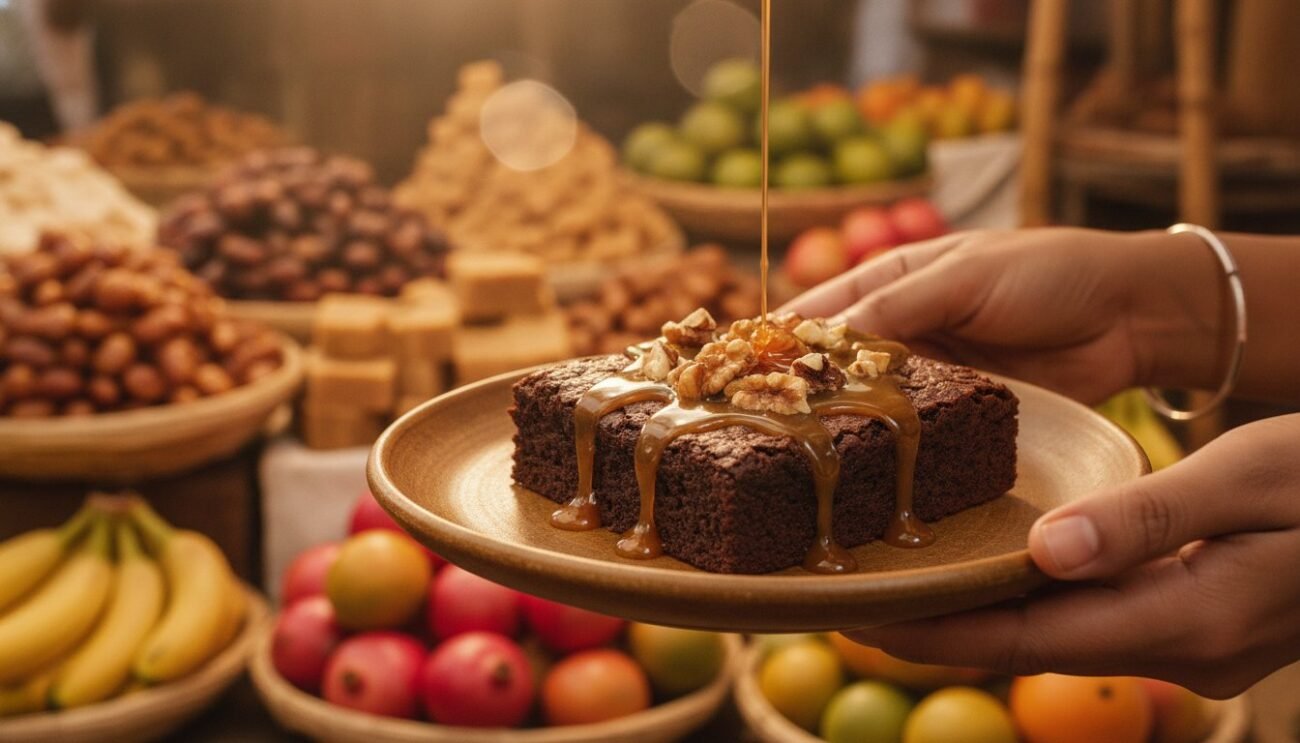
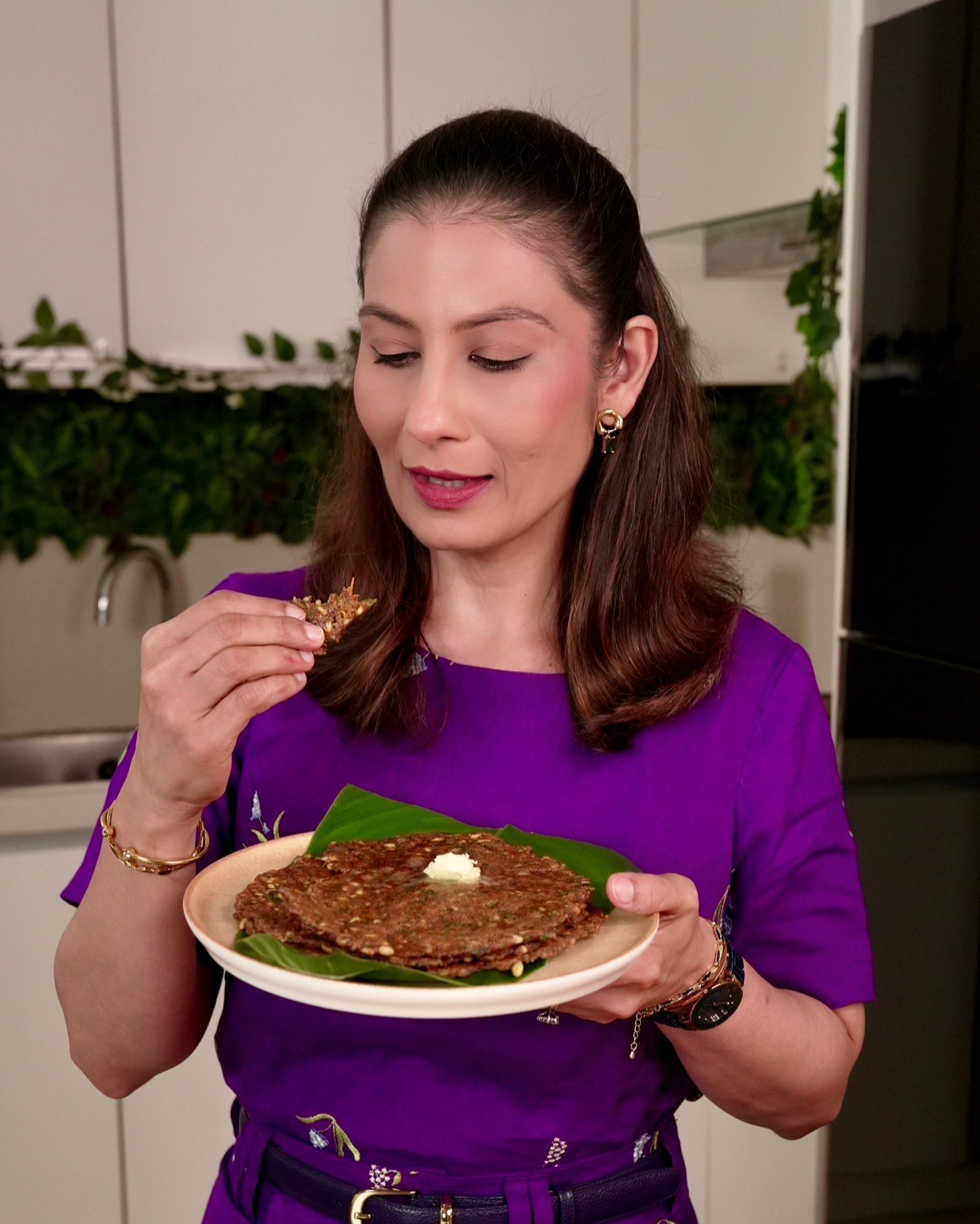
What if you could dive into a decadent chocolate fudge or a creamy cheesecake without that nagging sense of “sugar guilt” weighing you down? Many people struggle to find no sugar dessert recipes that actually deliver on flavor, often settling for treats that taste like cardboard or leave a strange, chemical aftertaste. It’s frustrating. You want to nourish your body, but your heart craves that familiar, comforting sweetness of a traditional dessert. Healthy shouldn’t mean boring.
I’m here to tell you that wellness and indulgence are not mutually exclusive. They’re actually the perfect pair. In this guide, I’ll show you how to use the magic of nature’s pantry to create treats that feel like a warm hug. You’ll discover professional techniques and natural sweeteners like dates or fruits to achieve that perfect texture and depth of flavor. We’re going to walk through ten reliable, guilt-free recipes that will empower you to bake for your family with total confidence. Get ready to transform your kitchen into a space of “Cake Therapy” where every bite is a celebration of health and joy.
Key Takeaways
- Understand how swapping refined sugar for nutrient-dense alternatives supports your weight loss goals and reduces inflammation without making you feel deprived.
- Master the art of using natural sweeteners like dates and jaggery to create delicious no sugar dessert recipes that offer a rich, complex flavor profile.
- Learn professional aeration and mixing techniques that ensure your healthy treats stay light and moist rather than becoming dense or dry.
- Access signature recipes like high protein bliss balls and whole wheat brownies, each featuring precise measurements to ensure your kitchen experiments are always a hit.
- Discover Chef Meghna’s professional secrets for troubleshooting common baking issues and storing your desserts to maintain their freshness for days.
Why Your Body Craves a Break from Refined Sugar
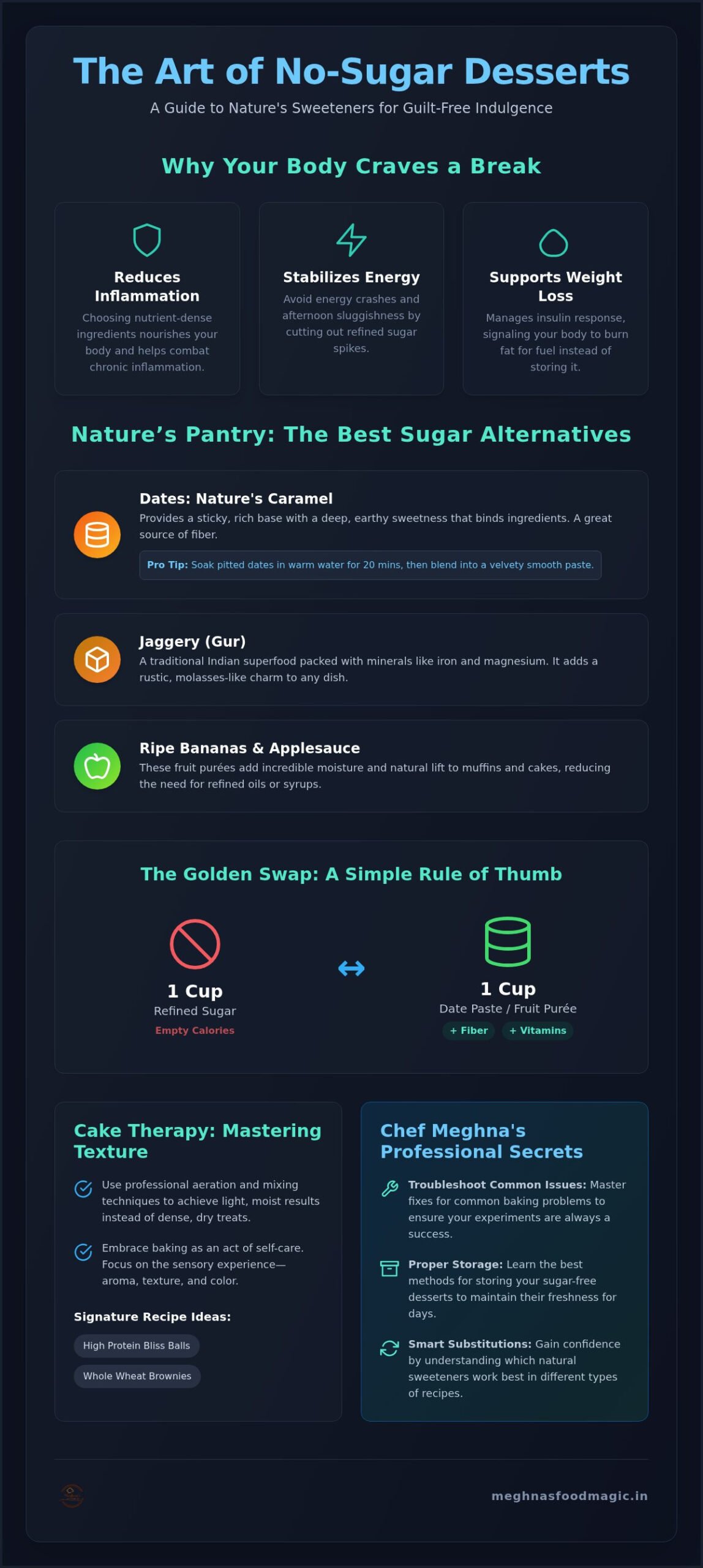
We often think of desserts as a guilty pleasure, a momentary lapse in our health journey. But what if we reframed that entirely? Refined sugar is a major driver of chronic inflammation, which can stall your fitness progress and leave you feeling sluggish. By exploring no sugar dessert recipes, you aren’t just cutting calories; you’re choosing ingredients that nourish your body rather than depleting it. This shift isn’t about restriction. It’s about moving from empty, processed calories toward nutrient-dense sweetness that keeps your energy stable and your skin glowing. Many people find that after just a few weeks of reducing refined sugar, their afternoon energy crashes disappear and their complexion looks clearer and more radiant. It’s a total body transformation that starts on your plate.
The Fitness Connection: Sugar and Weight Loss
When you consume refined sugar, your body releases a surge of insulin. This hormone is essentially a storage signal, telling your body to hold onto fat rather than burn it for fuel. Research from June 2026 published by Tufts University even suggests that certain low-calorie sweeteners can lead to higher fasting insulin levels, highlighting why choosing whole, natural ingredients is so vital. If you’re following a Get Fit With Meghna lifestyle, you know that managing these spikes is key to seeing real results. High-protein, sugar-free treats act as a bridge, satisfying your cravings without sabotaging your metabolism. Over time, your palate actually changes. You’ll start to notice the subtle, complex notes in a date or the creamy richness of nuts that were previously masked by overwhelming sweetness. For a deeper dive into how different ingredients behave, you can explore this comprehensive overview of sugar substitutes to see the science behind the swap.
Culinary Therapy: Reclaiming the Joy of Baking
Baking should be a form of meditation, a creative outlet that brings harmony to your day. I call this “Cake Therapy.” Too often, we approach healthy eating with an “all-or-nothing” mindset that creates more stress than it solves. Reclaiming the joy of the kitchen means focusing on the sensory experience. Feel the texture of whole wheat flour, smell the deep aroma of pure cocoa, and see the vibrant colors of fresh fruits. When you use whole ingredients, the process becomes an act of self-care. You’re no longer just making a treat; you’re crafting a moment of wellness that feeds both your body and your soul. This approach removes the fear of “cheating” and replaces it with the empowerment of making conscious, delicious choices every single day. Mastering no sugar dessert recipes is the ultimate way to prove to yourself that you don’t have to give up your favorite treats to live your best, healthiest life.
Nature’s Pantry: The Best Sugar Alternatives in Cooking
Nature’s pantry is overflowing with vibrant, whole ingredients that offer much more than just sweetness. While many commercial brands push artificial options, I believe in the power of real food to transform your kitchen. Dates are my absolute favorite; they are truly the “Caramel of Nature,” providing a sticky, rich base that binds ingredients together while offering a deep, earthy sweetness. Then there’s Jaggery, or Gur, our traditional Indian superfood. It’s packed with minerals and adds a rustic charm to any dish. If you’re looking for moisture, ripe bananas and unsweetened applesauce are your best friends. They add a natural lift to muffins and cakes without the need for refined oils or syrups. Beyond health, switching to these whole ingredients is a smart financial move. You can learn more about managing sugar price hikes by embracing these sustainable, pantry-friendly alternatives.
Working with Dates and Liquid Sweeteners
Creating a smooth date paste is the secret to success for many no sugar dessert recipes. Simply soak pitted dates in warm water for about 20 minutes, then blend until velvety. As a general rule, you can replace one cup of granulated sugar with one cup of date paste or fruit puree. This swap adds fiber and vitamins that refined sugar simply can’t provide. While exploring these natural options, it’s helpful to understand the regulatory landscape of FDA-approved sugar substitutes to see how they compare to whole-food alternatives. For a deeper dive into which sweetener fits which texture, check out my guide on Healthy Sweets: Best Sugar Alternatives.
The Magic of Jaggery in Modern Baking
Jaggery brings a soul-warming depth to traditional “Cake Therapy.” When you’re using it in milk-based desserts, always choose aged, dark jaggery. Newer varieties can be acidic and might cause your milk to curdle. I always recommend adding jaggery after turning off the heat or mixing it into dry flour first to ensure a smooth result. Its strong, bold flavor profile pairs beautifully with warming spices like cardamom, ginger, or even a pinch of cinnamon. This balance is what makes healthy baking feel like a treat rather than a compromise. If you’re eager to see these ingredients in action, you can find step-by-step guidance on my YouTube channel for recipes. Using these techniques ensures your no sugar dessert recipes turn out perfectly every time, proving that wellness and indulgence truly go hand in hand.
Cake Therapy: Mastering the Texture of Sugar-Free Desserts
Sugar is a multitasker. It doesn’t just sweeten; it tenderizes by slowing down gluten development and creates structure through aeration. This is the main reason why many no sugar dessert recipes end up dense or heavy. When you cream butter and sugar, those tiny crystals carve out air pockets. Without them, we have to get creative with our “Cake Therapy” to ensure our treats stay light and fluffy. I always recommend mechanical aeration. Sift your dry ingredients three times instead of once. It might seem like extra work, but it incorporates the air that sugar usually provides. Another game-changer is the “resting” period. Healthy flours like whole wheat or oat flour are much more absorbent than refined flour. Letting your batter sit for 15 to 20 minutes allows the fibers to fully hydrate, resulting in a much smoother, more cohesive crumb. It’s a small step that makes a massive difference in the final mouthfeel.
Don’t forget my favorite zero-waste secret. If you’re using apples or pears in your bakes, don’t toss the peels. Simmer them in a tiny amount of water until the liquid reduces to a thick, fragrant concentrate. This infused fruit syrup can be brushed over your finished cake to add a glossy sheen and a punch of concentrated flavor without any added junk. It’s about using every part of the ingredient to enhance the sensory experience of your healthy creations.
Achieving the Perfect Crumb Without Refined Sugar
To get that light, airy feel, I rely on the science of acidity. Using yogurt or buttermilk creates a chemical reaction with baking soda, producing carbon dioxide bubbles that lift the batter. When working with whole wheat flour (atta), remember it has a higher protein and fiber content than maida. It needs more moisture and a gentle hand. Over-mixing atta develops too much gluten, which can make your cake tough and bready. Finally, always add a tiny pinch of salt to your batter. It suppresses bitterness and makes the natural sweetness of your dates or jaggery pop. While we focus on whole foods, it’s wise to stay informed about the health impacts of sugar substitutes to make the best choices for your family’s wellness journey.
Browning and Aesthetics in Healthy Baking
One common challenge with sugar-free baking is the lack of caramelization. Since there’s no sucrose to brown, your cakes might look pale even when they’re fully cooked. I solve this by using natural colorants. A high-quality, dark cocoa powder or a generous dusting of cinnamon provides a rich, inviting hue that signals “delicious” to the brain. For more tips on choosing the right cocoa for your bakes, check out my Healthy Chocolate Guide. My signature trick for a golden crust is simple: brush the top of your loaf or cake with a thin layer of milk or diluted date paste five minutes before it finishes baking. This creates a beautiful, professional finish that makes your no sugar dessert recipes look just as good as they taste.
3 Signature No-Sugar Dessert Recipes to Try Today
Ready to start your first “Cake Therapy” session? These no sugar dessert recipes are designed for the busy home cook who refuses to compromise on health or flavor. We’re moving beyond theory and into the kitchen to create treats that nourish your soul. Each of these recipes uses the techniques we’ve discussed, from mechanical aeration to the rich, complex sweetness of dates and jaggery. Whether you’re looking for a quick energy boost or a comforting weekend bake, these three signature dishes will prove that healthy eating is a celebration, not a chore.
Recipe 1: Date and Walnut Bliss Balls
This is the ultimate high-protein, no-bake snack for those following a fitness-oriented lifestyle. It’s incredibly simple and requires zero cooking time. You’ll need 1 cup of pitted soft dates, 1/2 cup of roasted walnuts, 2 tablespoons of unsweetened cocoa powder, and 1 teaspoon of pure vanilla extract. Start by pulsing the roasted walnuts in a blender until they’re coarsely chopped. Add the dates, cocoa powder, and vanilla, then blend until the mixture clumps together. Roll the dough into 1-inch balls. For a professional touch, I recommend adding a scoop of your favorite whey protein to the mix; it boosts the nutritional value and helps keep you full for longer.
Recipe 2: Whole Wheat and Jaggery Brownies
These brownies offer a deep, fudgy texture that rivals any traditional version. Gather 1.5 cups of Atta (whole wheat flour), 1 cup of finely grated jaggery, 1/2 cup of fresh curd, 1/4 cup of neutral oil, and 1/2 cup of high-quality dark cocoa powder. Whisk the jaggery and curd together until the jaggery is completely dissolved and the mixture is smooth. Gently fold in your dry ingredients, taking care not to over-mix. Pour the batter into a greased tin and bake at 180C for exactly 25 minutes. If you enjoy this base, you might also love exploring my Healthy Birthday Cake Template for more wholesome celebration ideas.
Recipe 3: Air Fryer Apple Cinnamon Pudding
This warm, comforting pudding is a lifesaver when you need a quick dessert. You’ll need 2 large chopped apples, 1 teaspoon of ground cinnamon, 1/2 cup of oat flour, and 1/4 cup of honey if you prefer a bit more sweetness. Toss your chopped apples in the cinnamon until they’re well-coated. Place them in a small, heat-proof dish and top with a crumble made from the oat flour and a splash of water or honey. Air fry at 160C for 12 minutes until the apples are tender and the top is golden. For more quick and healthy ideas, feel free to browse my Air Fryer Recipes Playlist.
Chef Meghna’s Notes: Professional Secrets for Sugar-Free Success
Mastering the final touches of healthy baking is what separates a good cook from a kitchen magician. If you find your dates are too dry, don’t just toss them into the blender. Soak them in warm milk or water for at least 30 minutes. This softens the tough fibers, ensuring your no sugar dessert recipes have a velvety mouthfeel rather than a gritty one. For jaggery that has turned rock-hard, grate it finely or give it a quick 10-second pulse in the microwave. This ensures it dissolves seamlessly into your curd or oil without leaving dark, bitter clumps in your finished cake.
If you pull a bake out of the oven and find it’s denser than expected, don’t despair. This is where “culinary therapy” turns a mistake into a masterpiece. Slice that dense cake, toast it lightly in a pan with a drop of ghee, and serve it with a dollop of chilled Greek yogurt. The heat revives the moisture, and the tartness of the yogurt balances the deep flavors of the whole grains. It’s a quick fix that feels like a deliberate, gourmet choice.
To keep your treats moist for 3 to 5 days, store them in an airtight glass container. Refined sugar usually acts as a humectant to hold moisture, so sugar-free bakes can dry out faster. Adding a small slice of fresh apple to the container acts as a natural humidifier. Also, lean heavily on “sweet” aromatics. Vanilla, nutmeg, and cardamom don’t just add scent. They actually trick your brain’s receptors into sensing more sweetness than is actually present, allowing you to reduce the amount of fruit or jaggery without losing that satisfying hit of flavor.
The Importance of Soaking and Texture
Soaking your dry ingredients is a non-negotiable step for achieving professional results. When you’re perfecting your no sugar dessert recipes, remember that natural fructose in fruits browns much faster than granulated sugar. This means your cakes might cook 10% to 15% faster than traditional recipes. Always use a toothpick to check for doneness five minutes before the recipe’s suggested timer ends. Using the right tools, like a heavy-bottomed pan for jaggery syrups or a fine-mesh sieve for sifting atta, ensures your “Cake Therapy” sessions are always stress-free and successful.
Final Encouragement: Your Journey to Food Magic
Every small swap you make is a massive victory for your long-term health and fitness goals. You’re proving that you don’t have to choose between a flat stomach and a delicious dessert. Celebrate these small wins and remember that cooking is an act of joy and self-care. I’d love to see your creations and hear about your progress. I invite you to join the Meghna’s Food Magic Community to share your bakes and find endless inspiration from fellow food lovers. Let’s continue this journey toward a healthier, more vibrant lifestyle, one guilt-free bite at a time.
Embrace the Magic of Healthy Indulgence
You’ve now unlocked the secrets to a world where “healthy” and “heavenly” coexist on the same plate. By embracing the natural sweetness of dates and the earthy depth of jaggery, you can create no sugar dessert recipes that nourish your body while satisfying your soul. Remember that mastering texture is just as important as choosing the right sweetener. Using techniques like mechanical aeration and proper resting ensures every bite of your “Cake Therapy” is as light and joyous as you deserve.
With over 1 million subscribers on YouTube, I’m dedicated to providing free access to professional, chef-tested recipes that make wellness feel like a celebration. Whether you’re making brownies for a birthday or bliss balls for a post-workout snack, you now have the power to bake for your family guilt-free. You’re no longer just following a diet; you’re joining a movement that treats cooking as an act of joy and self-care.
Your journey to food magic has only just begun. Keep experimenting, keep tasting, and most importantly, keep finding the joy in every healthy creation you bring to life. You’ve got this!
Frequently Asked Questions
Can I replace sugar with jaggery in all cake recipes?
You can’t always do a 1:1 swap because jaggery contains more moisture and acidity than white sugar. This acidity can react prematurely with baking soda, affecting the rise of your cake. It’s best to melt jaggery into a syrup or grate it very finely to ensure it incorporates without lumps. For milk-based desserts, always add aged jaggery after the heat is turned off to prevent the milk from curdling instantly.
What is the best natural sweetener for diabetics in Indian desserts?
While stevia is a common choice, I prefer using whole-food sweeteners like dates for their fiber and mineral content. Dates provide a steady release of energy, making them a great base for Indian-style puddings. However, it’s vital to remember that “natural” doesn’t mean “unlimited” for those managing blood sugar. Always monitor your portions and consult with a medical professional to see which specific alternatives fit your personal health plan.
Why do my sugar-free cakes turn out dense and hard?
Sugar is a natural tenderizer that prevents flour proteins from forming tough gluten strands. Without it, your bakes can easily become bready. To keep your no sugar dessert recipes light, try sifting your dry ingredients multiple times to trap air. You should also use acidic ingredients like curd or lemon juice. These react with baking soda to create the lift that sugar-creaming usually provides, resulting in a much softer crumb.
Is honey a healthy alternative to sugar for high-heat baking?
Honey is a wonderful natural sweetener, but it’s not the best choice for high-heat baking. In traditional wellness practices, heating honey above 40 degrees Celsius is thought to change its molecular structure and reduce its health benefits. For the oven, I recommend using date paste or jaggery instead. These alternatives are much more heat-stable and won’t lose their nutritional integrity when exposed to standard baking temperatures of 180C.
How do I store no-sugar desserts to keep them fresh?
Sugar-free treats lack the preservative properties of refined sugar, so they tend to lose moisture quite quickly. It’s best to store them in an airtight glass container in the fridge. To keep them from turning hard, place a small piece of fresh apple or a slightly damp paper towel inside the container. This creates a humid environment that helps your healthy desserts stay soft and delicious for up to 5 days.
Can I make Indian sweets like Gulab Jamun without sugar?
You can definitely recreate Gulab Jamun using healthier ingredients. Instead of the traditional white sugar syrup, try a light jaggery syrup infused with cardamom and saffron. For the jamuns, using sweet potato or paneer provides a naturally sweet and creamy base. This approach allows you to enjoy the authentic flavors of Indian festivals without the inflammatory effects of refined sugar, making your celebrations both delicious and health-conscious.
What role does protein play in sugar-free dessert recipes?
Protein provides the essential structure that sugar-free bakes often lack. Ingredients like paneer or Greek yogurt add moisture and help create a satisfying, dense texture. From a fitness perspective, adding protein to your no sugar dessert recipes slows down the digestion of natural sugars. This is a key part of the “Get Fit With Meghna” philosophy, helping you avoid energy crashes while supporting muscle recovery and overall satiety.
Which air fryer settings are best for sugar-free baking?
Air fryers are powerful convection ovens, so they can dry out sugar-free batters if the heat is too high. I suggest setting your air fryer to 160C, which is about 20 degrees lower than a standard oven setting. This slower, gentler heat allows the natural sugars in fruits or jaggery to warm through without burning the exterior. Always use a small, deep baking dish to help retain moisture during the quick cooking cycle.
Disclaimer
This is a recipe food blog page and not nutrition or doctor and hence do not claim to cure any illness. If you have specific health issues please consult a qualified doctor or certified nutritionist.
I do consult experts, research Internet and at times seek help from Gemini to collect relevant information to put together some of these blogs.

