
Healthy Jowar Dinner Recipes for Weight Loss (2026)
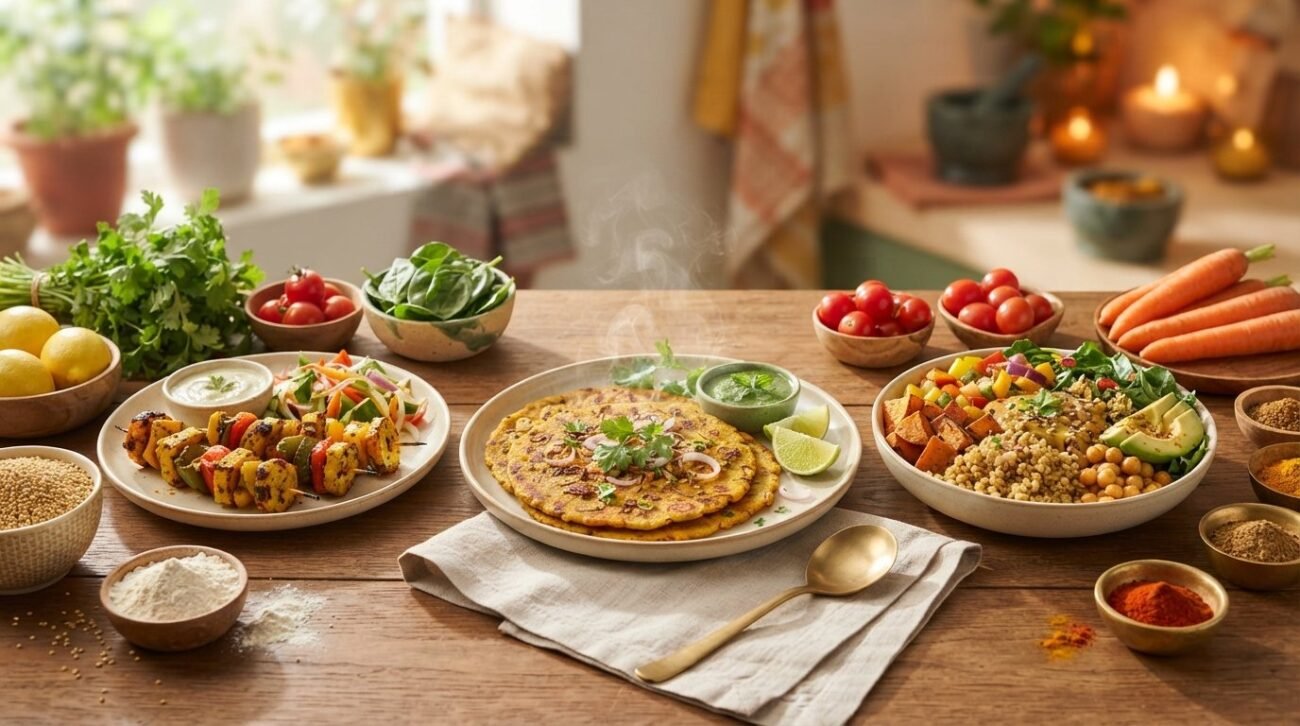
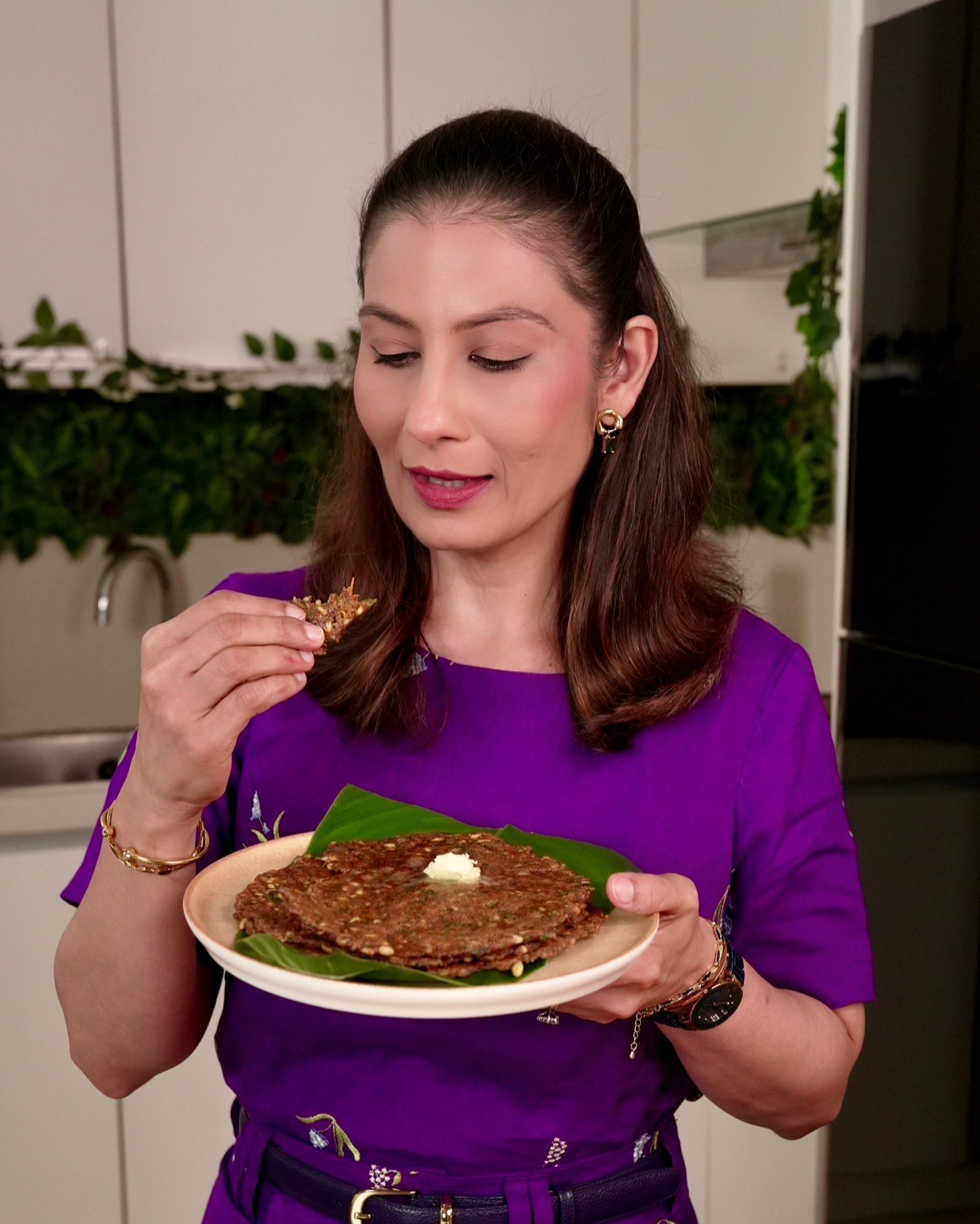
Did you know that whole jowar is at least seven to nine times denser in dietary fiber than the polished white rice typically served at Indian dinner tables? This striking difference is exactly why 2026 health guidelines are urging a shift toward nutri-cereals to combat the rising disease burden. We’ve all felt the frustration of trying to embrace healthy jowar recipes for dinner only to be met with hard, dry rotis or the uncomfortable bloating that comes from poor preparation. It’s easy to feel discouraged when your efforts to stay fit result in meals that feel more like a restriction than a celebration of flavor.
I promise that your journey to wellness can be both delicious and effortless. In this guide, you’ll discover how to transform humble sorghum into gourmet, weight-loss-friendly dinners using my expert techniques for moisture and texture. We’ll preview three exclusive recipes, including a soft Jowar Thalipeeth and an innovative Air Fryer kebab, while uncovering the professional secrets that make millets easy to digest. From savvy meal prep hacks to metabolic science, you’re about to learn how to turn your kitchen into a space for culinary therapy and lasting health.
Key Takeaways
- Learn why Jowar’s low Glycemic Index and high satiety index make it the perfect grain to stabilize overnight blood sugar and curb late-night cravings.
- Discover the “Soak and Sprout” rule to reduce phytates, ensuring your evening meals are light on the stomach and easy to digest.
- Master professional techniques like small-batch milling and hot-water hydration to create soft, gourmet-quality jowar dishes that never crumble.
- Access three exclusive, chef-tested healthy jowar recipes for dinner that pair high-protein ingredients with vibrant, weight-loss-friendly flavors.
- Simplify your fitness journey with meal prep hacks, including how to store roasted flour and batch-cook jowar pearls for effortless nightly assembly.
Why Jowar is the Ultimate Superfood for Your Dinner Table
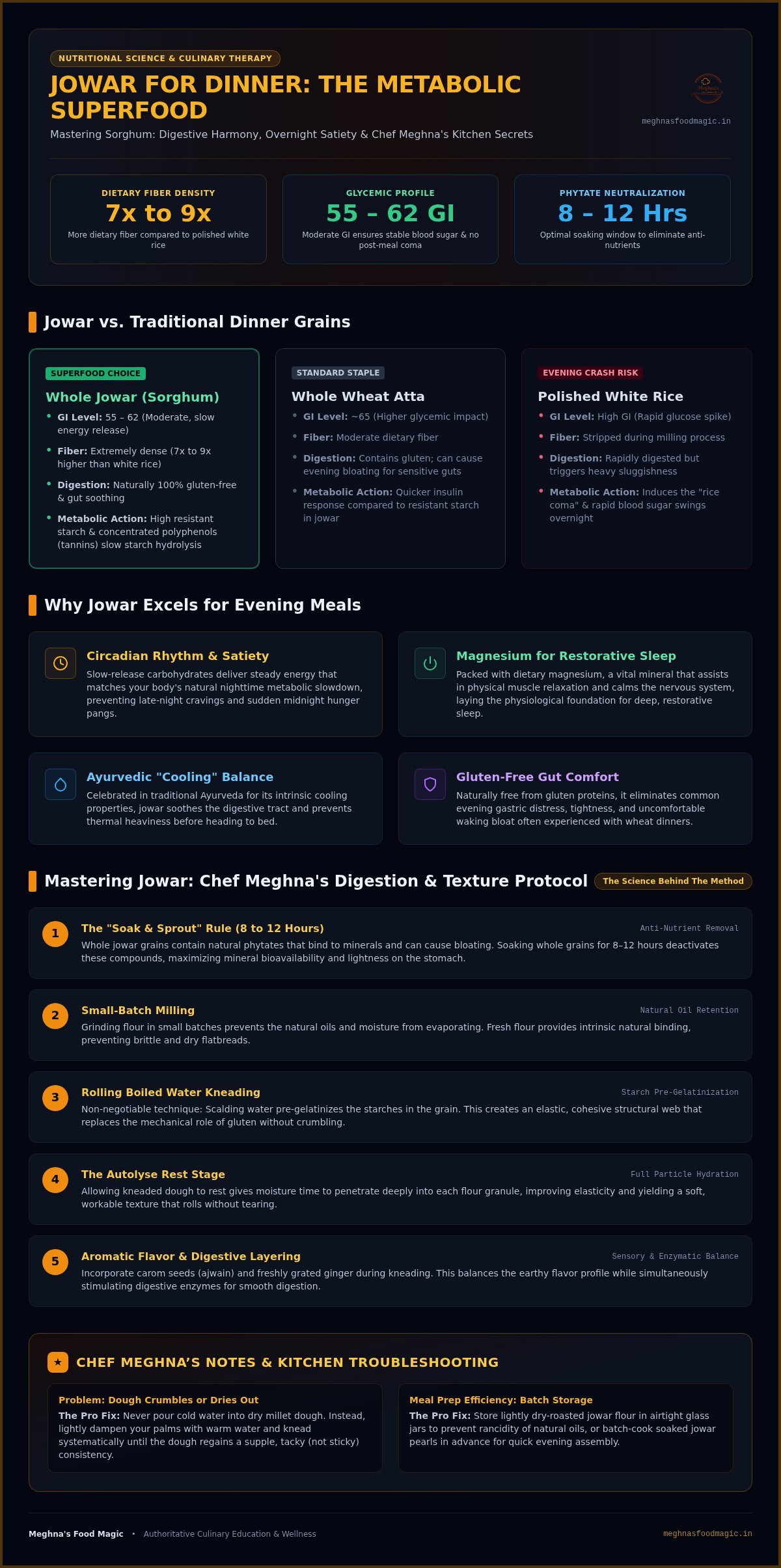
Ever wonder why you feel so sluggish after a heavy rice dinner? It’s often the result of the “rice coma,” caused by rapid insulin spikes from high-GI grains. Sorghum bicolor (jowar) offers a refreshing escape from this cycle. With a moderate Glycemic Index of approximately 55 to 62, jowar ensures your blood sugar levels stay stable while you sleep. This isn’t just about avoiding a sugar crash. It’s about providing your body with sustained, slow-release energy that aligns with your natural circadian rhythm. In the world of Ayurveda, jowar is celebrated for its “cooling” nature, making it the perfect choice for evening meals to soothe the system. When you explore healthy jowar recipes for dinner, you aren’t just eating; you’re practicing culinary therapy for your gut.
The Weight Loss Connection: Sorghum vs. Wheat
Weight loss isn’t just about counting calories; it’s about the quality of the fuel you choose. Jowar contains high levels of resistant starch and concentrated polyphenols like tannins. These components actually slow down starch hydrolysis, which keeps you fuller for much longer than standard wheat. While whole wheat atta has a GI of around 65, jowar sits lower, helping to prevent the insulin spikes that signal your body to store fat. In my weight loss protocols, I prioritize jowar because it offers a superior satiety index. You’ll find that a jowar-based meal provides roughly 7 to 9 times more fiber than polished white rice. It’s an absolute powerhouse for shedding those stubborn pounds without feeling deprived or hungry an hour after eating.
Digestive Harmony: Why Your Gut Loves Jowar at Night
There’s nothing worse than going to bed feeling bloated and heavy. Since jowar is naturally gluten-free, it eliminates the digestive distress many people experience with wheat-based dinners. Beyond digestion, this grain is a hidden gem for sleep quality. It’s packed with magnesium, a mineral that plays a vital role in muscle relaxation and calming the nervous system. By incorporating healthy jowar recipes for dinner, you’re setting the stage for deep, restorative rest. If you’re looking for more ways to stay on track, check out Meghna’s Weight Loss Collection for inspiration. It’s time to treat your dinner as an act of self-care that nourishes both your body and your spirit.
Mastering Jowar: Chef Meghna’s Secrets for Texture and Digestion
Cooking with jowar is an art form that rewards patience and precision. If you’ve ever struggled with brittle rotis or felt heavy after a millet meal, the issue usually lies in the preparation rather than the grain itself. To unlock the full potential of your healthy jowar recipes for dinner, you must start with the “Soak and Sprout” rule. Whole jowar grains contain phytates, which are natural compounds that can hinder mineral absorption and cause bloating. By soaking the grains for 8 to 12 hours, you neutralize these anti-nutrients, making the grain significantly easier on your digestive system. This step is essential for evening meals when your metabolism naturally slows down.
The secret to that perfect, professional “bind” starts long before the stove is lit. I always recommend milling your jowar in small batches. Freshly ground flour retains its natural oils and moisture, which helps the dough hold together without the need for gluten. When you’re ready to cook, temperature control is your best friend. Using rolling boiled water to knead your flour is a non-negotiable technique. The heat pre-gelatinizes the starches, creating a flexible structure that prevents your rotis from breaking. To elevate the flavor, I love layering in aromatics. A touch of carom seeds (ajwain) and freshly grated ginger not only masks the earthy “millet” taste but also acts as a digestive aid. For more visual guides on these techniques, you can explore my step-by-step millet masterclasses on YouTube.
Step-by-Step: Preparing Jowar Flour for Perfect Rotis
The autolyse process involves letting the dough rest so the water fully hydrates the flour particles, significantly improving the elasticity of gluten-free grains. When kneading, aim for a consistency that is slightly tacky but not sticky. If your dough feels too dry or begins to crumble, don’t just add cold water; instead, dampen your palms with warm water and continue kneading until the dough regains its suppleness. According to the Cleveland Clinic’s guide to sorghum health benefits, maintaining the integrity of the grain’s fiber while ensuring it’s properly hydrated is key to reaping its metabolic rewards.
Whole Grain Prep: From Hard Pearl to Soft Delight
For dishes using whole jowar pearls, pressure cooking is often more efficient than slow boiling, though both methods work if the grains are pre-soaked. To ensure they’re ready, use the “thumb-press” test: a perfectly cooked grain should squash easily between your fingers without a hard center. Always add a generous pinch of salt to the boiling water. This seasons the grain from the inside out, ensuring your healthy jowar recipes for dinner are as flavorful as they are nutritious. Small details like these transform a simple meal into a gourmet experience.
3 Nutritious Jowar Recipes for a Light and Satisfying Dinner
Transforming your evening meal into a gourmet experience is all about balancing traditional comfort with modern convenience. These healthy jowar recipes for dinner are designed to increase your meal volume using seasonal vegetables and high-protein additions without loading up on calories. By focusing on the “why” behind the techniques, we ensure every bite is as nutritious as it is delicious. If you’re eager to explore more variations, you can always browse the Jowar resource hub for inspiration.
Recipe 1: The ‘Never-Break’ Soft Jowar Thalipeeth
This savory flatbread is a masterclass in moisture management. You’ll need 1 cup of Jowar flour, 1/4 cup of finely chopped onions, 1/2 tsp of carom seeds, and salt to taste. Because jowar lacks gluten, rolling it can be tricky. Instead, take a golf-ball-sized portion of dough and place it on a damp muslin cloth. Use your fingers to gently pat it into a thin circle. The moisture from the cloth prevents the dough from tearing, allowing you to flip it directly onto a hot tawa for a perfectly set, soft thalipeeth.
Recipe 2: One-Pot Jowar and Sprouted Moong Khichdi
For those nights when you need a “hug in a bowl,” this one-pot wonder delivers complete protein. Combine 1/2 cup of soaked whole Jowar with 1/2 cup of sprouted moong dal, 1 tsp of turmeric, and 2 cups of water. Start by sautéing cumin seeds and a pinch of hing in minimal oil; these aromatics are essential for breaking down the complex fibers in the grain. Pressure cook for 4 to 5 whistles until the jowar pearls are tender. The sprouted moong dal not only adds protein but also makes the dish significantly easier to digest.
Recipe 3: Innovative Air Fryer Jowar & Paneer Kebabs
This recipe brings a modern, crispy twist to your dinner table. Mix 1 cup of boiled Jowar pearls with 100g of crumbled paneer, 1 tbsp of ginger-garlic paste, and 1/2 cup of freshly chopped coriander. Bind the mixture with a small amount of roasted besan, which provides structural integrity and a nutty depth of flavor. Shape them into small patties and air fry at 180°C for 12 minutes. Air frying is the preferred method here as it creates a satisfying crunch while preserving the delicate nutrients within the paneer and grain.
Chef Meghna’s Notes
- Substitutions: If you find onions too heavy for night digestion, swap them with 150g of grated bottle gourd (lauki) in your thalipeeth. It provides extra hydration and fiber, making the flatbread even softer.
- Troubleshooting: If your dough feels dry or crumbly, don’t use cold water. Always use warm water to dampen your palms while kneading; this helps the starches bind more effectively without the need for wheat flour.
- Zero-Waste Tip: If you have leftover boiled jowar pearls from your kebabs, don’t discard them. Store them in the fridge and toss them into a fresh salad the next day for an instant fiber boost.
- Pro Prep: Always add a dollop of A2 ghee to your khichdi before serving. Healthy fats are necessary to help your body absorb fat-soluble vitamins like A, D, and E found in the sprouts and grain.
Jowar for Weight Loss: How It Compares to Wheat and Rice
If you’re still obsessing over calorie counting, it’s time for a mindset shift. Weight loss is less about the numbers and more about the “satiety index” of what’s on your plate. Jowar is a master at keeping you full. While refined wheat or white rice often leave you hunting for a snack an hour later, healthy jowar recipes for dinner provide lasting satisfaction. This is because jowar is rich in resistant starch, which takes longer for your body to break down, ensuring you don’t wake up with midnight hunger pangs.
Your body actually works harder to digest jowar than it does for polished grains. This is known as the “thermogenic effect.” Because jowar is a complex carbohydrate, your metabolic rate gets a subtle boost just from the act of processing the meal. Additionally, the concentrated polyphenols found in sorghum help regulate metabolic health. When you choose jowar, you’ll notice that one well-prepared roti is often far more satisfying than two or three wheat rotis. It’s the ultimate hack for effortless portion control without feeling like you’re on a “diet.”
Nutritional Showdown: Jowar vs. Atta vs. White Rice
When we look at the data, the choice becomes clear. Whole jowar flour contains between 6.7g and 9.7g of fiber per 100g, while polished white rice offers less than 1g. That’s a massive difference for your gut health. Jowar also brings 4.1mg of iron and significant phosphorus to the table, both of which are essential for energy metabolism. If you want to see how other grains stack up, dive into Chef Meghna’s Best Millets Guide for a full breakdown of the best options for your fitness journey.
Is Jowar Suitable for Everyone? (Thyroid & Gut Health)
There’s a common myth that millets are bad for thyroid health because of goitrogens. However, cooking jowar thoroughly neutralizes these compounds, making it perfectly safe for most people. In fact, jowar is often the “gentle” millet I recommend for those transitioning away from a rice-heavy diet because it’s so easy on the stomach. I always suggest rotating your grains to keep your microbiome diverse and healthy. It’s about creating a balanced, joyful relationship with food that supports your long-term goals.
Elevating Your Dinner Routine with Chef Meghna’s Meal Prep Tips
Dinner shouldn’t feel like a chore at the end of a long day. It’s a time for culinary therapy, a moment to transition from the chaos of work to the sanctuary of home. To make healthy jowar recipes for dinner a permanent part of your lifestyle, you need a strategy that respects your time. I always recommend batch-cooking your jowar pearls. Once you’ve mastered the soaking and boiling techniques we discussed earlier, store those tender pearls in an airtight container. They stay fresh for 3 to 4 days, ready to be tossed into a salad or a quick stir-fry at a moment’s notice.
One of my favorite professional secrets is the ‘Millet Flour Hack.’ Because jowar is rich in natural oils, the flour can sometimes turn rancid or bitter if left in the pantry too long. To prevent this, lightly roast your jowar flour on a low flame until it’s aromatic, let it cool, and then store it in the freezer. This simple step preserves the flavor and ensures your rotis always taste fresh. I also suggest prepping a ‘Dinner Base’ paste. A blend of ginger, green chilies, and roasted cumin can be kept in the fridge to add an instant flavor boost to any jowar dish you’re creating.
The 15-Minute Jowar Dinner: For Busy Working Professionals
If you’re truly short on time, those pre-boiled jowar pearls are your best friend for a lightning-fast ‘Millet Pulao.’ Just sauté some seasonal veggies, add the pearls, and dinner is served. For the truly exhausted, jowar flakes (poha) are an incredible alternative. They don’t require soaking and cook in minutes, providing that same high-fiber benefit without the wait. You can find plenty of visual guides and meal ideas in my Get Fit With Meghna YouTube Playlist to keep your kitchen routine exciting.
Chef Meghna’s Notes on Mindful Eating
The way you eat is just as important as what you eat. Jowar is a dense, fiber-rich grain, so it’s essential to chew thoroughly. This isn’t just about manners; it releases digestive enzymes in your saliva that begin the breakdown of complex starches. I always advise eating your jowar dinner at least 2 to 3 hours before bedtime. This gives your body ample time to process the nutrients before it shifts into repair mode during sleep. I’d love to see how you’ve transformed your evening meals. Tag me and share your creations on Chef Meghna’s Instagram so we can celebrate your journey to wellness together!
Step Into Your Most Vibrant Year with Jowar
Embrace the transformative power of this ancient grain to redefine your evening routine. By mastering techniques like hot-water hydration and the “Soak and Sprout” rule, you’ve unlocked the ability to create gourmet, soft, and digestible meals that support your fitness goals without sacrifice. We’ve explored how healthy jowar recipes for dinner provide that essential satiety and metabolic boost; proving that weight loss can be a celebratory journey of flavor rather than a restrictive chore.
Millions of home cooks globally trust these professional techniques to bring “Food Magic” into their kitchens every single day. You now have the expert-led guidance to manage your lifestyle with confidence, turning every dinner into an act of culinary therapy. It’s time to take these kitchen secrets and make them your own.
You’ve got this! Start your journey tonight and feel the difference that mindful, nutrient-dense cooking brings to your life.
Frequently Asked Questions
Is Jowar better than Bajra for dinner weight loss?
Jowar is generally better for dinner weight loss because it has a “cooling” nature according to Ayurveda, making it much lighter on the stomach than bajra, which is traditionally “heating.” Jowar’s moderate Glycemic Index of 55 to 62 ensures stable blood sugar levels while you sleep. While bajra is excellent for winter energy, jowar’s superior digestibility and high fiber content make it the ideal choice for a light, year-round evening meal.
Can I eat Jowar every day for dinner?
Yes, you can safely enjoy jowar every day as it is a nutrient-dense, gluten-free ancient grain that provides sustained energy. While I always recommend rotating grains to keep your microbiome diverse, jowar is gentle enough for daily use. It helps maintain long-lasting satiety, which effectively prevents late-night snacking. Just vary your preparations between thalipeeth, khichdi, or rotis to keep your healthy jowar recipes for dinner exciting and balanced.
Does Jowar cause gas or acidity at night?
Jowar shouldn’t cause gas or acidity if you prepare it correctly by soaking whole grains or using hot water for the dough. Digestive distress often happens when millets are undercooked or when phytates aren’t neutralized. By following the “Soak and Sprout” rule or using rolling boiled water, you make the grain incredibly easy to digest. Adding carom seeds or ginger to your recipes further ensures a happy, bloat-free gut before bed.
How do I make Jowar rotis stay soft for a long time?
The secret to soft jowar rotis lies in pre-gelatinizing the starch by using rolling boiled water during the kneading process. This technique hydrates the flour particles deeply, creating a flexible structure that won’t turn brittle as it cools. Once cooked, stack your rotis in an insulated container lined with a clean cotton cloth. This traps just enough steam to keep them moist and supple for several hours without them becoming soggy or hard.
Is Jowar flour better or whole Jowar grains for weight loss?
Whole jowar grains are slightly better for weight loss because they have a lower Glycemic Index and a higher satiety index than the flour version. The intact fiber in whole grains takes longer for your body to process, which naturally increases the thermogenic effect during digestion. However, jowar flour is still an exceptional choice for healthy jowar recipes for dinner. Both forms provide significantly more fiber than polished rice, supporting your fitness goals effectively.
Can kids eat Jowar recipes for dinner?
Kids can absolutely enjoy jowar recipes as it provides essential minerals like iron and phosphorus for their growing bodies. Since it is naturally gluten-free and easy on the gut, it’s a fantastic alternative to refined wheat or heavy rice. To make it kid-friendly, try incorporating jowar into familiar formats like vegetable-loaded pancakes or savory kebabs. It’s a wonderful way to build healthy eating habits early while ensuring they get a nutrient-dense, satisfying meal.
What is the best time to eat Jowar for maximum health benefits?
The best time to eat jowar is at dinner, ideally 2 to 3 hours before you head to bed. This timing allows your body to effectively digest the complex carbohydrates and fiber while you are still active. Eating earlier in the evening ensures that the magnesium in jowar can help relax your muscles and calm your nervous system. This sets the stage for a deep, restorative night’s rest without any heavy digestive burden.
How to store Jowar flour so it doesn’t taste bitter?
To prevent jowar flour from tasting bitter, you should store it in the freezer after lightly roasting it on a low flame. Jowar contains natural oils that can oxidize and turn rancid when exposed to heat and light over time. By roasting the flour until it’s aromatic and then keeping it in an airtight container in the freezer, you preserve its sweet, earthy flavor. This simple hack ensures your meals always taste fresh.
Disclaimer
This is a recipe food blog page and not nutrition or doctor and hence do not claim to cure any illness. If you have specific health issues please consult a qualified doctor or certified nutritionist.
I do consult experts, research Internet and at times seek help from Gemini to collect relevant information to put together some of these blogs.

