
Healthy Post-Workout Meal: The Ultimate Indian Vegetarian Checklist for 2026
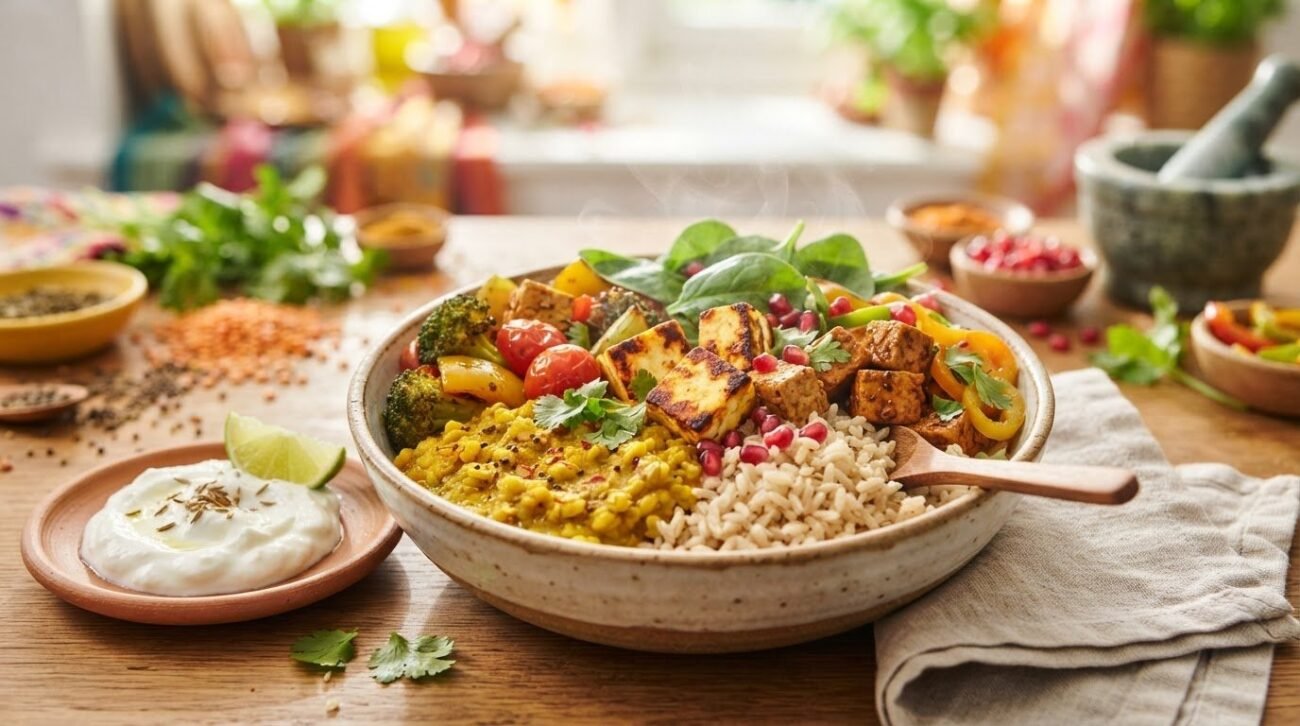
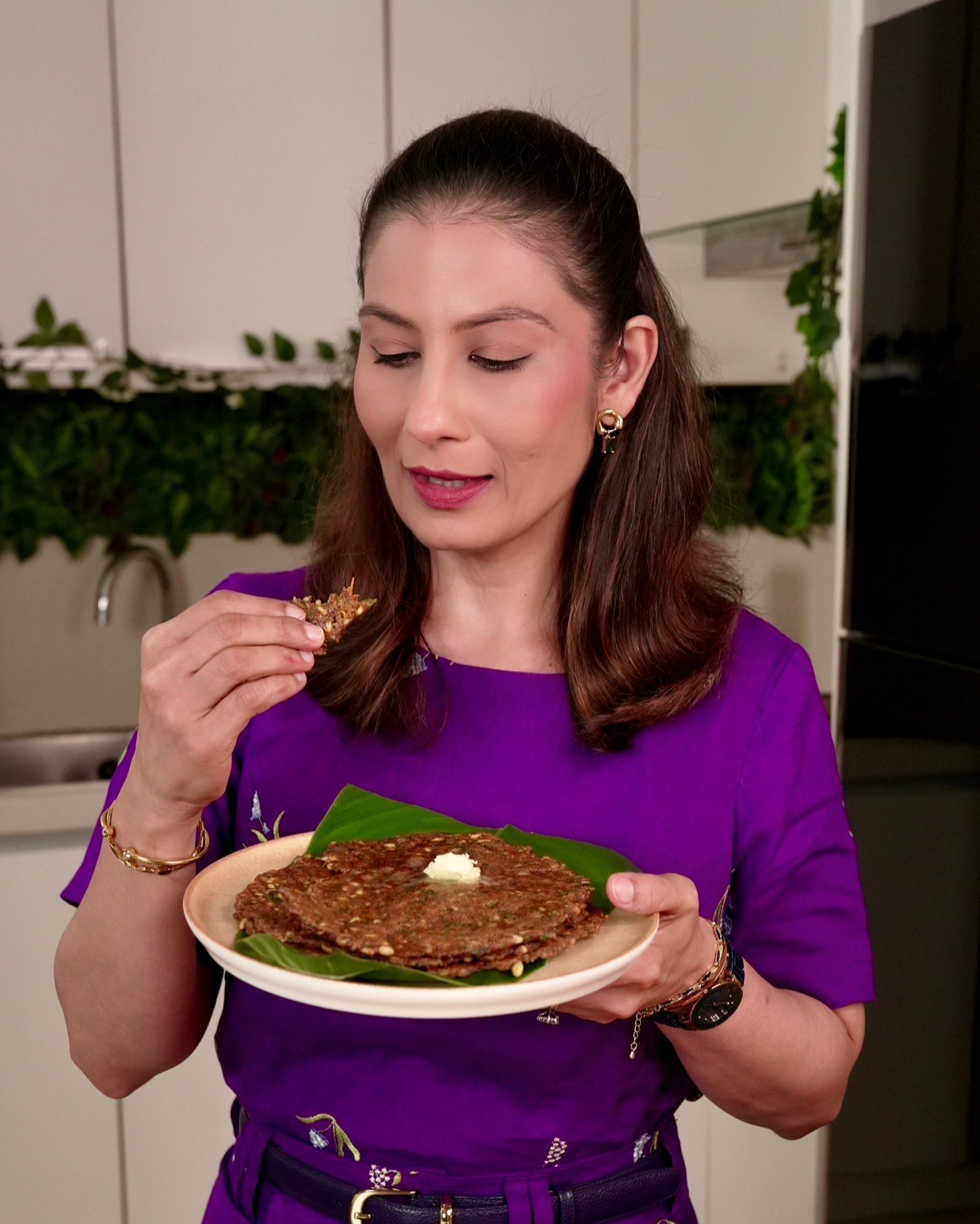
What if your post-gym meal could support recovery and taste like something you’d happily make again? If you’re hungry, tired, or bored of the same dal-chawal, you’re not alone. A healthy post workout meal Indian vegetarian eaters can feel good about doesn’t need to be bland or complicated, and you don’t need meat or eggs to build a satisfying plate.
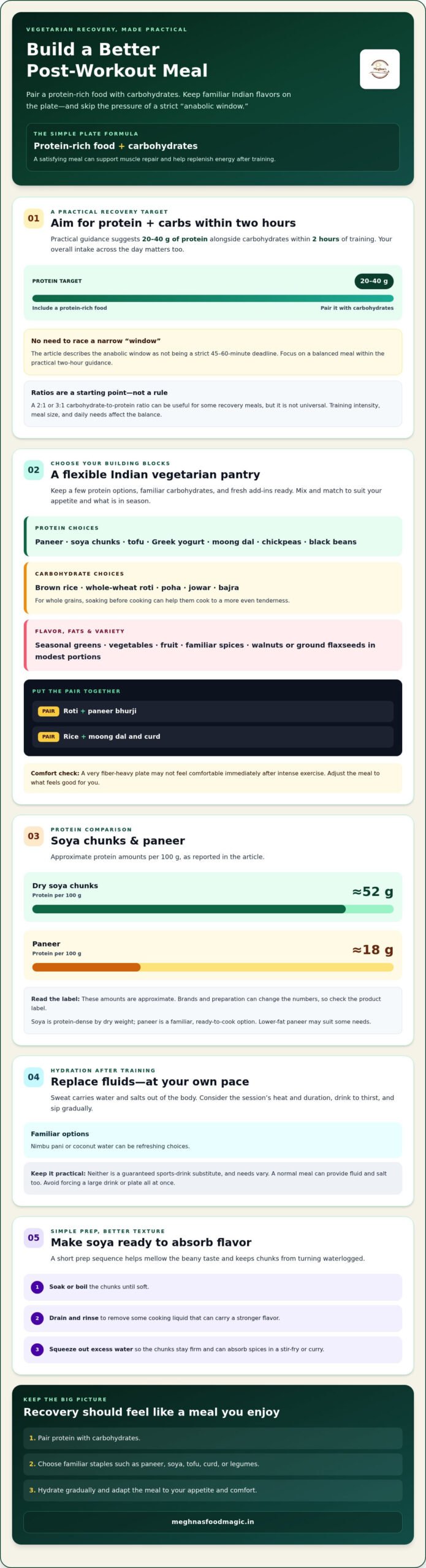
Pair a protein-rich food with carbohydrates instead of worrying about a strict 30-minute “anabolic window.” Practical post-workout guidance suggests aiming for 20–40 grams of protein alongside carbohydrates within two hours of training. Paneer, moong, soya, curd, and familiar grains make that balance achievable with ingredients you already know.
This guide covers recovery-friendly staples, a simple way to think about protein and carbohydrates, and three quick recipes with precise measurements. You’ll also find practical tips for adjusting each dish and preparing ingredients ahead. Let’s turn post-workout hunger into a delicious next step in your fitness routine.
Key Takeaways
- Build a satisfying recovery plate by pairing a vegetarian protein source with carbohydrates, rather than relying on a single ingredient.
- Use the grocery checklist to choose versatile staples such as paneer, soya, tofu, yogurt, and legumes.
- Try quick recipe ideas that bring familiar Indian flavors to your recovery routine without making meal prep feel like a chore.
- Fit a healthy post workout meal indian vegetarian approach into a consistent, enjoyable fitness routine.
- Use the practical cooking notes to troubleshoot texture, make substitutions, and prep proteins ahead.
The Science of Recovery: Why Your Post-Workout Meal Matters
Your workout is the stimulus; recovery is when your body adapts. Exercise uses stored carbohydrate, called glycogen, and places demands on muscle tissue. A meal with protein and carbohydrates provides building blocks for muscle repair and helps replenish energy. Vegetables, fruit, and familiar spices add flavor and variety. Everyday whole foods can make recovery feel like a satisfying meal, not a supplement routine.
The “anabolic window” is the period after exercise when your body is ready to use nutrients for recovery. It isn’t a narrow 45–60-minute deadline. Practical guidance suggests aiming for a meal with 20–40 grams of protein and carbohydrates within two hours of training. Your overall intake across the day matters too. For background on how protein and carbohydrates support exercise recovery, see The Science of Recovery.
Protein supplies amino acids that help repair and build muscle tissue, including the small disruptions that can occur during training. Muscle protein synthesis is the process by which the body uses amino acids from foods to build and repair muscle proteins.
Protein vs. Carbohydrates: Finding the Balance
A 2:1 or 3:1 carbohydrate-to-protein ratio can be a useful starting point for some recovery meals, but it isn’t a universal rule. Training intensity, meal size, and your daily needs all affect the balance. A more practical target is to include 20–40 grams of protein with carbohydrates in your post-workout meal.
Indian vegetarian meals can lean heavily on rice, roti, or poha while leaving the protein portion modest. Keep the familiar carbohydrates, then deliberately add a protein-rich partner such as paneer, soya, tofu, curd, or moong. For example, pair roti with paneer bhurji, or serve rice with moong dal and curd. Whole-food meals also bring fiber and micronutrients, though a very fiber-heavy plate may not feel comfortable immediately after intense exercise.
Hydration and Electrolytes in the Indian Climate
Sweat carries water and salts out of the body, so replace fluids after training and consider the session’s heat and duration. Nimbu pani can be a refreshing option; coconut water is another familiar choice. Neither should be treated as a guaranteed sports-drink substitute, and needs vary. Drink to thirst and include a normal meal, which can provide fluid and salt as well.
Being under-hydrated can leave you feeling tired or uncomfortable and may make eating less appealing. Sip fluids gradually, then enjoy a balanced meal rather than forcing a large drink or plate all at once. A healthy post workout meal indian vegetarian routine works best when it supports recovery and suits the way you like to eat.
The Ultimate Post-Workout Grocery Checklist for Indian Vegetarians
A useful fitness pantry makes it easier to build a healthy post workout meal indian vegetarian routine without relying on the same dish every day. Stock a few protein-rich staples, a choice of filling carbohydrates, and fresh produce. Then mix and match according to your appetite, training, and what’s in season.
- Protein: Paneer, soya chunks, tofu, Greek yogurt, moong dal, chickpeas, and black beans.
- Carbohydrates: Brown rice and whole-wheat roti are dependable choices. Jowar or bajra can add variety. Flour works well for soft rotis, while whole grains benefit from soaking before cooking for more even tenderness.
- Fats and micronutrients: Add walnuts or ground flaxseeds in modest portions, and choose seasonal greens for color, texture, and nutrients.
The Power of Soya and Paneer
Dry soya chunks provide about 52 grams of protein per 100 grams, while paneer provides about 18 grams per 100 grams. These values are approximate, so check the product label because brands and preparation can change the numbers. Soya is particularly protein-dense by dry weight, while paneer offers a familiar, ready-to-cook option. Choose lower-fat paneer if that suits your needs, or make paneer at home using milk and an acid such as lemon juice.
To mellow soya’s beany taste, soak or boil the chunks until soft, drain, then rinse and squeeze out excess water before seasoning. This removes some cooking liquid that can carry a stronger flavor and helps the chunks absorb spices. Don’t leave them waterlogged; a firm squeeze improves their texture in a stir-fry or curry.
Sprouts and Dals: The Unsung Heroes
Moong dal and chickpeas are flexible staples. Cook them into a bowl, chilla, or filling side. Sprouting moong can reduce some antinutrients and may make certain nutrients easier to access, though results depend on the food and preparation. Handle sprouts hygienically and cook them if you prefer a safer, softer option. Black beans add another legume choice for salads, bowls, and spiced fillings.
Pairing grains and legumes, such as rice with dal or whole-wheat roti with chickpeas, helps provide a broader mix of amino acids across the diet. You don’t need to combine them in exact proportions at every meal. For visual inspiration on using familiar Indian ingredients in fitness-friendly cooking, explore Meghna’s recipe videos.
3 High-Protein Indian Vegetarian Recipes for Muscle Recovery
These three recipes bring familiar Indian pantry staples to the post-workout table. Each takes about 20 minutes or less once the ingredients are ready; sprouting moong needs advance preparation. Quick stir-frying and steaming help keep vegetables colorful and pleasantly textured. Use seasonal produce to adapt each dish to what’s fresh. Choose the recipe that sounds good, then pair it with a carbohydrate such as toast or rice if you want a more substantial meal.
Recipe 1: Zesty Soya Chunk Stir-Fry with Bell Peppers
Ingredients: 1 cup dry soya chunks; 1 medium capsicum, sliced; 1 medium onion, sliced; 1 teaspoon ginger-garlic paste; 1 tablespoon oil; ½ teaspoon turmeric; 1 teaspoon garam masala; ¼ teaspoon salt, or to taste; 2 tablespoons chopped fresh coriander; 1 tablespoon lemon juice.
Method: Soak or boil the soya chunks until soft, then drain and squeeze them firmly to remove excess water. Heat the oil in a pan and sauté the onion and ginger-garlic paste until golden. Add capsicum and soya chunks, then stir-fry over high heat for 5 minutes. Sprinkle in turmeric, garam masala, and salt; toss to coat. Finish with coriander and lemon juice. Squeezing the chunks helps them take on the spices instead of releasing water into the pan.
Recipe 2: High-Protein Sprouted Moong and Peanut Salad
Ingredients: 1½ cups sprouted moong; 2 tablespoons roasted peanuts; 1 medium tomato, chopped; 1 small cucumber, chopped; 1 small green chili, finely chopped; ½ teaspoon chaat masala; 1 teaspoon olive oil; 2 tablespoons pomegranate seeds.
Method: Steam the sprouts for 3 minutes, then cool briefly. This softens them while keeping a little crunch. In a bowl, combine the moong, peanuts, tomato, cucumber, chili, chaat masala, and olive oil. Toss gently and top with pomegranate seeds. If raw sprouts don’t suit you, steaming makes this lively salad warm and tender.
Recipe 3: Paneer and Spinach Bhurji with Multigrain Toast
Ingredients: 150 grams paneer, crumbled; 2 cups finely chopped spinach; 1 green chili, chopped; ½ teaspoon cumin seeds; 1 tablespoon oil; ¼ teaspoon black pepper; 2 slices whole-wheat or multigrain bread; salt to taste.
Method: Toast the bread. Heat oil in a pan, add cumin seeds and chili, then stir in spinach until wilted. Add paneer, black pepper, and salt; fold together and cook for 2 minutes. Take it off the heat promptly, since prolonged cooking can make paneer chewy. Serve hot on the toast for a colorful, savory meal.
For more fitness-friendly Indian cooking inspiration, explore the Get Fit With Meghna YouTube Playlist. Any of these dishes can be a tasty starting point for a healthy post workout meal indian vegetarian routine.
Chef Meghna’s Notes: Mastering Substitutions and Prep
A little preparation makes post-workout cooking easier. Batch-cook plain dals and portion them for meals, or soak and cook only the legumes you expect to use. Keep seasonings and fresh vegetables separate until cooking so the flavors stay bright and the vegetables don’t turn limp. Store prepared ingredients promptly and reheat only what you plan to eat.
The Art of Soaking and Texturing
Soaking soya chunks and dals can reduce some antinutrients and may make them easier to digest, which can help limit bloating for some people. Drain and rinse them after soaking, then cook until tender. Soaking times vary by ingredient, so follow package directions where available.
For a vegan-friendly swap, use firm tofu instead of paneer. Press it gently to remove excess moisture before crumbling or cubing, so it browns rather than steams. For a crisp finish without deep-frying, an air fryer can cook lightly oiled tofu or soya pieces. Avoid overcrowding the basket, since good airflow helps them brown evenly.
Dry soya turning tough? It may not have softened enough before it went into the pan, or it may have been overcooked during stir-frying. Soak or boil until tender, squeeze out excess water, then cook briefly with the masala. Chewy paneer often needs less heat and less time: add it near the end, fold gently, and take the pan off the heat as soon as it’s warmed through.
Flavor Hacks for Fitness Meals
Build flavor with aromatics and spices rather than relying on heavy sauces. Add amchur for a dry, tangy finish, or squeeze lemon over the dish just before serving. To make cumin powder, dry-roast cumin seeds over low heat until fragrant, cool, then grind. A small sprinkle gives dals, salads, and paneer a warm, earthy lift. Toasting releases aroma, so you can get lively flavor without adding extra oil.
Adjust the heat without losing the character of the dish: use less green chili, remove its seeds, or add chili gradually and taste as you cook. A pinch of black salt can lend salads a savory tang, but treat it as seasoning, not a dependable way to replace fluids or electrolytes lost through sweat. Choose fresh herbs, lemon, toasted spices, and seasonal vegetables to keep a healthy post workout meal indian vegetarian full of flavor.
Building a Sustainable Fitness Lifestyle with Indian Flavors
A fitness routine is easier to keep when your meals feel like food you genuinely enjoy, not a short-term set of rules. A healthy post workout meal indian vegetarian approach can fit around familiar flavors: rotate paneer, soya, moong, and seasonal vegetables, and pair them with rice, roti, or another satisfying carbohydrate. Consistency matters more than cooking an elaborate recovery meal every day.
Busy schedule? Make the next good choice easier. Cook a batch of dal or soya ahead, refrigerate it promptly, and add freshly cooked vegetables or spices when you’re ready to eat. Keep yogurt, paneer, and fruit on hand for days when you have little time. If meal prep isn’t possible, choose a simple combination from foods you already enjoy rather than skipping a meal because it isn’t perfect.
Beyond the Plate: Sleep and Stress
Food is one part of recovery. Sleep and stress also influence how well you feel and perform. Cortisol is a hormone involved in the body’s stress response, but a post-workout meal shouldn’t be described as a quick fix for lowering it. Regular meals with protein and carbohydrates support your overall nutrition, while rest and stress management deserve attention in their own right.
A varied diet with vegetables, fruit, legumes, and fermented foods such as yogurt can contribute to a fiber-rich eating pattern. Gut comfort is personal, especially after exercise, so notice which foods sit well and adjust portions or preparation accordingly. The everyday “Food Magic” is this balance: nourishing choices, satisfying flavor, and habits you can return to.
Your Next Steps for Fitness Success
Start with a simple kitchen audit. Make useful ingredients visible and convenient: keep moong, soya, paneer, whole-wheat bread, and seasonal greens in your regular rotation. You don’t need to clear out every packaged snack; simply make nourishing options easier to reach. Then choose one recipe from this article to try this week. Repeat it, adjust the spices to your taste, and build from there.
For more ideas to bring nutritious Indian flavors into your routine, browse Meghna’s diet and fitness recipes, or follow Meghna’s Food Magic on Instagram for inspiration. Small, enjoyable steps can add up to a routine that supports your fitness goals and still feels like your own.
Healthy Post Workout Meal Indian Vegetarian Guide: Make It a Delicious Habit
Recovery doesn’t call for a perfect plate or a strict food rulebook. Build meals around a dependable protein source, add carbohydrates to replenish energy, and keep flavor lively with vegetables, herbs, and spices. The three recipes in this guide offer practical starting points, while the grocery checklist and cooking tips make it easier to adapt them to your kitchen and schedule.
A healthy post workout meal indian vegetarian can be a simple part of a routine you enjoy and return to consistently. Start with one recipe, adjust it to your taste, and see what fits your training days best. Small, repeatable choices can make nourishing Indian food feel like a pleasure, not a chore.
Your fitness journey is built one workout and one satisfying meal at a time. Keep experimenting, celebrate the flavors you love, and let each good meal inspire the next.
Frequently Asked Questions
Is vegetarian food enough for muscle recovery after a heavy workout?
Yes, vegetarian foods can support muscle recovery if your overall diet provides enough protein and energy. Build meals around protein-rich choices such as paneer, soya, tofu, moong, chickpeas, or yogurt, and vary your sources across the day. Add carbohydrates to replenish training fuel. If your workouts are demanding or you have specific health needs, a registered dietitian can help tailor your intake.
What is the best time to eat a post-workout meal for an Indian vegetarian?
Aim to eat a meal with protein and carbohydrates within about two hours after training, rather than treating 45–60 minutes as a strict deadline. Practical guidance in this article suggests 20–40 grams of protein alongside carbohydrates for recovery. Your schedule and previous meal matter too: if you ate shortly before exercise, you may not need to rush to the kitchen as soon as you finish.
Can I eat Dal-Chawal after a workout for protein?
Yes. Dal-chawal combines legumes and grains, making it a useful, familiar base for a recovery meal. The protein amount depends on your serving sizes and how much dal is in the bowl, so a small portion may not provide as much as you need. Add more dal, or serve it with paneer, tofu, or curd if tolerated, and include vegetables for a more complete plate.
How much protein do Indian vegetarians actually need daily for fitness?
Needs depend on body weight, training, and individual circumstances. The ICMR-NIN 2020 baseline RDA for healthy adults is 0.83 grams per kilogram of body weight daily; its guidance notes 1.0 g/kg for predominantly cereal-based diets. For people who exercise regularly, the guidance cited in this article gives a range of 1.2–2.0 g/kg daily. Consider a dietitian’s advice before setting a personal target.
Are Soya chunks safe to eat every day for men?
There’s no men-only reason in the information here to avoid soya chunks, but that doesn’t establish that eating them daily suits everyone. Include them as one protein choice within a varied diet, alongside lentils, beans, tofu, paneer, or other foods you eat. Avoid soya if you’re allergic, and ask a healthcare professional about personal concerns or dietary restrictions. Follow the product’s preparation instructions.
What can I eat post-workout if I am lactose intolerant?
Choose non-dairy protein sources such as soya chunks, tofu, moong dal, chickpeas, or beans, paired with rice, roti, or another carbohydrate. Check ingredient labels on packaged foods for milk ingredients. Some people tolerate lactose-free dairy products, but tolerance varies, so use only what works for you. A soya stir-fry with rice or a moong-based meal can make a practical lactose-free option.
Do I need a protein shake if I eat these Indian vegetarian meals?
No, a protein shake isn’t automatically necessary. Whole foods can contribute to your daily protein, and the meals in this guide offer practical combinations of legumes, soya, paneer, tofu, and grains. Whether they meet your needs depends on portions and your total intake across the day. If you’re unsure, track your usual meals for a few days and consult a qualified dietitian before adding supplements.
Can I use millets like Jowar or Bajra in my post-workout meal?
Yes. Jowar or bajra can provide the carbohydrate part of a post-workout meal, such as roti served with dal, tofu, or paneer. They don’t need to be the protein source on the plate, so pair them with a protein-rich food. Soak and cook whole grains according to the recipe or package directions; the right preparation helps achieve the texture you prefer.
Disclaimer
This is a recipe food blog page and not nutrition or doctor and hence do not claim to cure any illness. If you have specific health issues please consult a qualified doctor or certified nutritionist.
I do consult experts, research Internet and at times seek help from Gemini to collect relevant information to put together some of these blogs.

