
Bajra & Ragi Recipes to Fuel Daily Fitness Meals
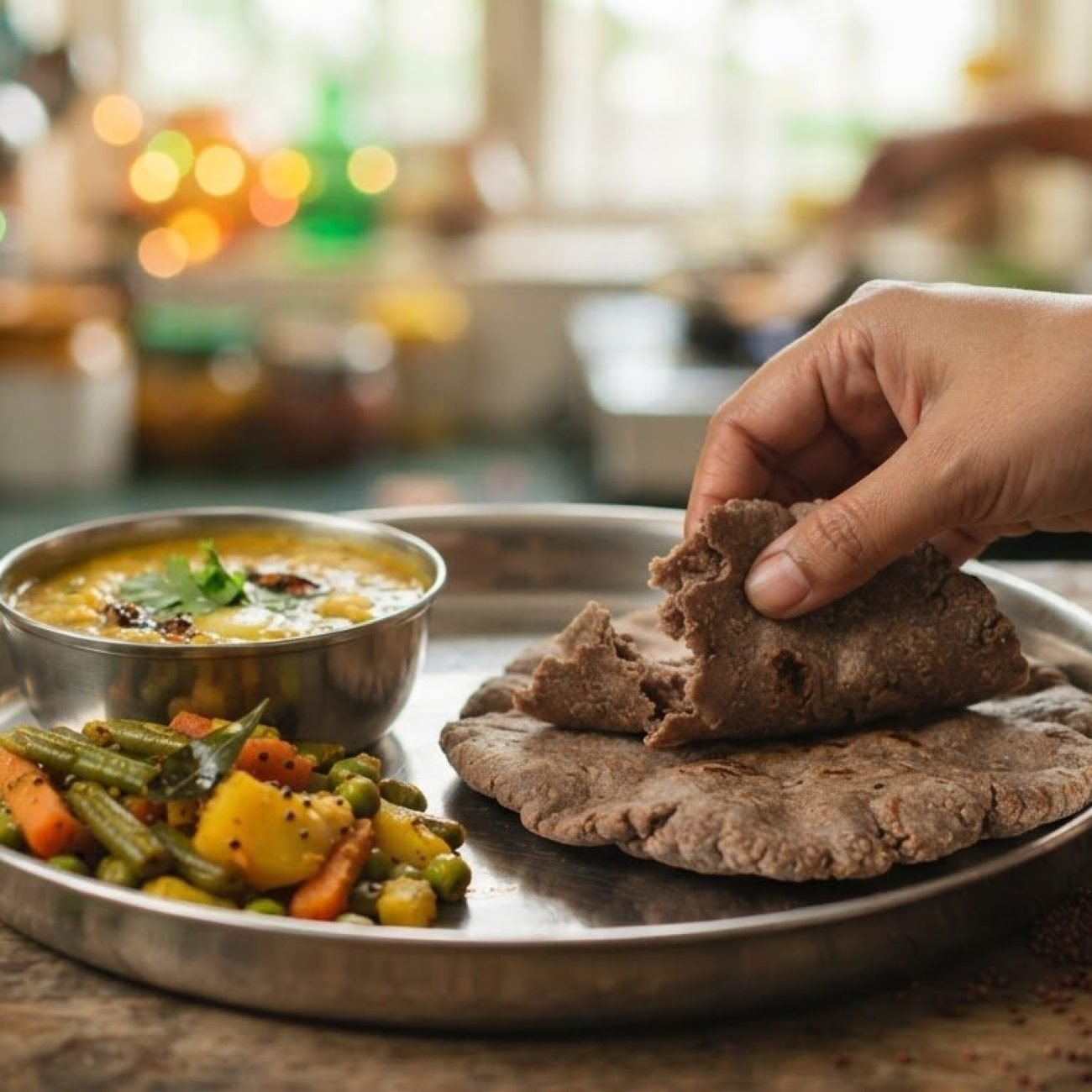
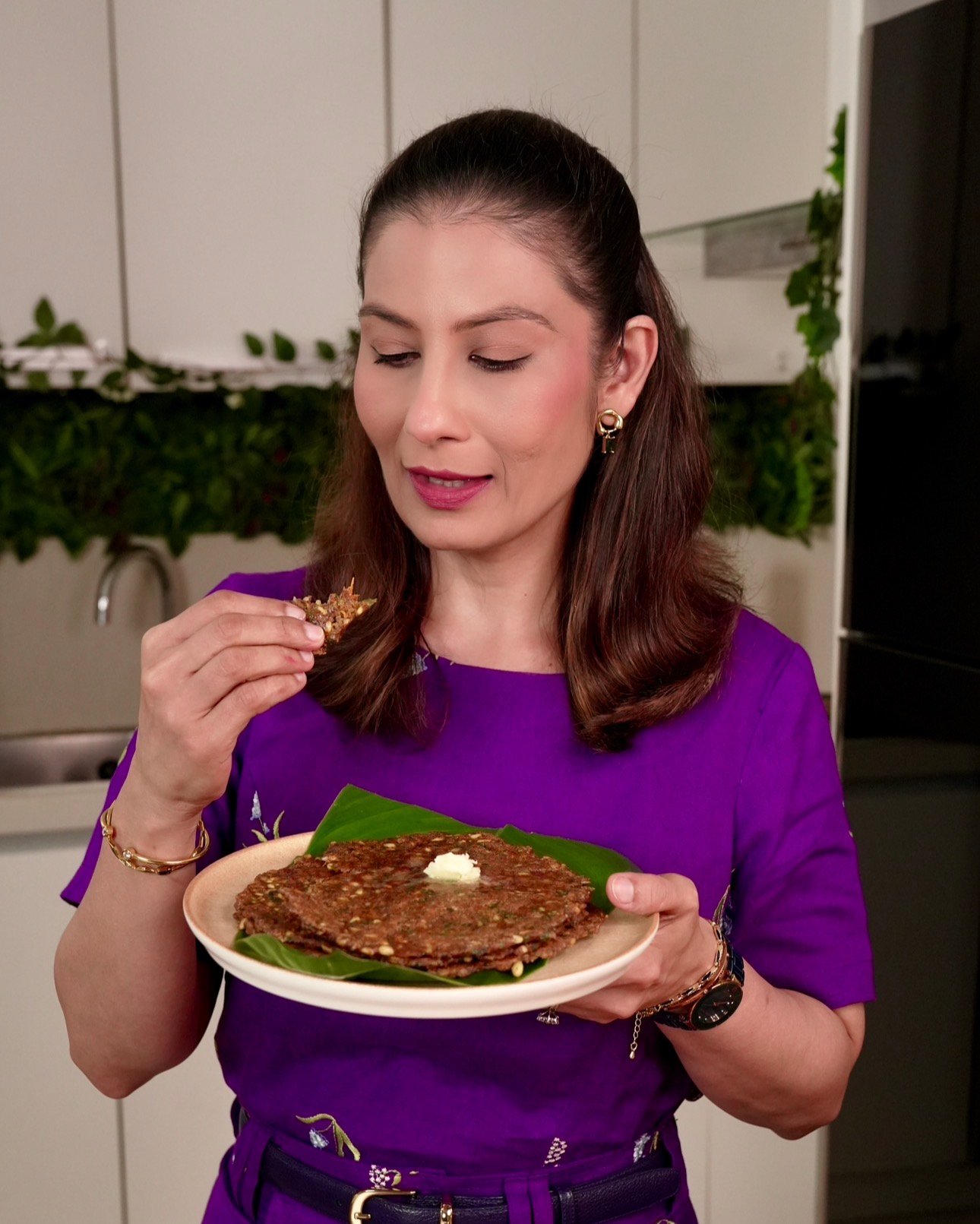
A fitness-friendly millet meal doesn’t need to be complicated: pair a soft ragi roti with vegetables, dal or legumes, or choose a warm ragi mudde when you want a more traditional plate. Bajra and ragi recipes for everyday fitness meals can also include cheela made with a rested batter, giving you practical options beyond the usual grain-based routine.
Cooking with millets gets easier when you know how each method affects the result. Resting cheela batter helps it come together before cooking, while the right flour-to-water balance is key to smooth mudde and pliable roti. These small technique choices make bajra and ragi recipes easier to work into everyday fitness meals.
Here, you’ll learn how to prepare ragi mudde, rested batter, halwa, kheer, idli and roti, with ideas for serving bajra and ragi at breakfast, lunch and dinner. Follow each method, see why it works, and choose a millet dish to make next.
Key Takeaways
- Choose between ragi mudde, dosa, thalipeeth, idli and roti based on the texture and meal you want to make.
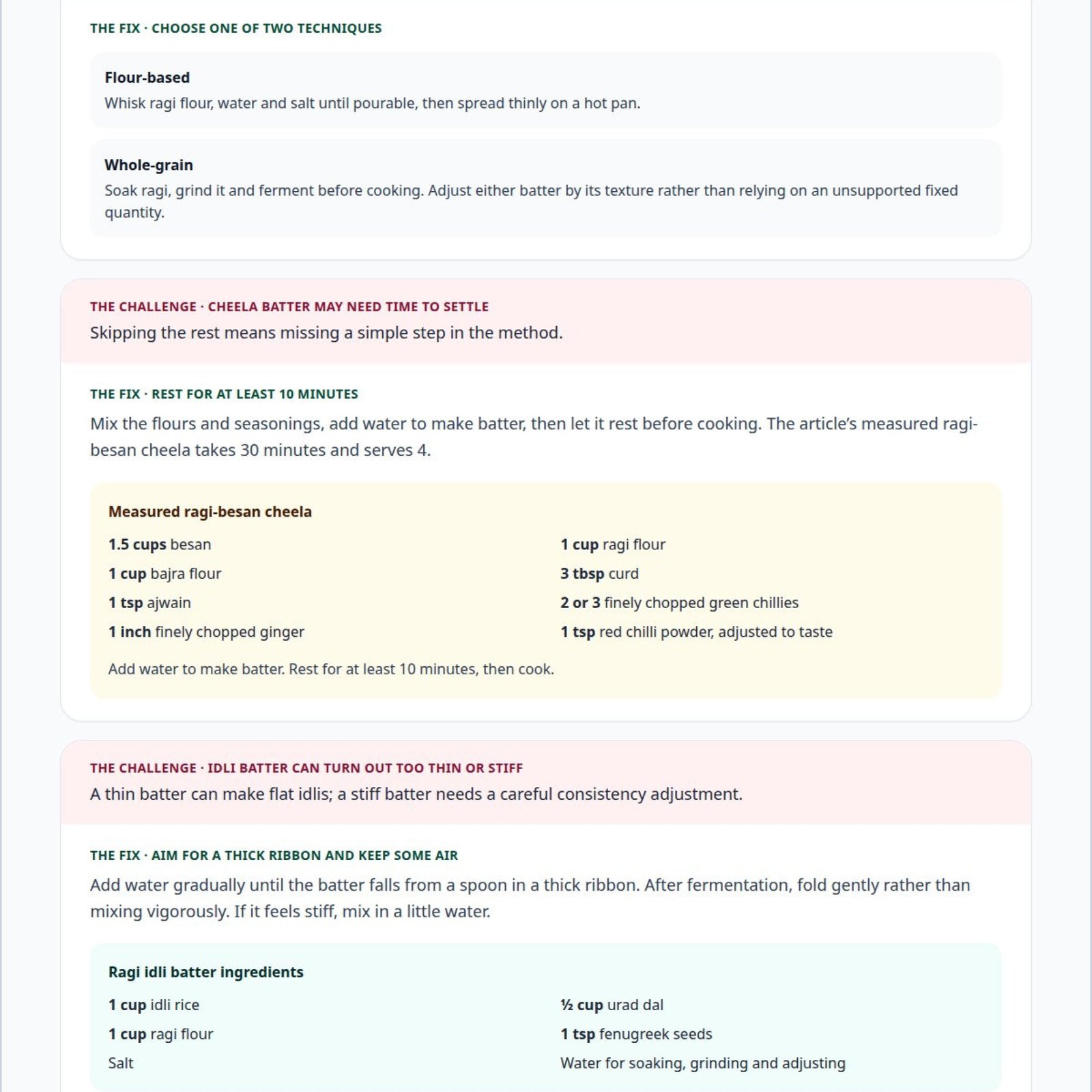
- Let bajra and ragi cheela batter rest for at least 10 minutes before cooking for a more settled batter.
- Pair ragi roti with vegetables, dal or legumes to build a satisfying everyday plate.
- Use the step-by-step methods to bring ragi halwa and kheer into your meals, too.
- Explore practical flour swaps and texture fixes to make millet cooking easier to adapt in your kitchen.
Ragi mudde, dosa, and multigrain thalipeeth
- Shape ragi mudde by feel. Bring water to a boil, whisk in finger millet flour gradually, and stir firmly as it thickens. Keep stirring until the mixture gathers into a smooth, firm mass, then shape it with a wet spoon. Serve with sambar or vegetables. This is a method, not a measured recipe: the water needed varies with the flour and desired consistency.
- Choose a dosa technique. For a flour-based batter, whisk ragi flour, water, and salt until pourable, then spread it thinly on a hot pan. For a whole-grain batter, soak ragi, grind it, and ferment before cooking. Adjust the batter by texture rather than relying on an unsupported fixed quantity.
- Make thalipeeth with mixed flours. Combine ragi flour with other millet flour, add chopped vegetables and spices, then add water gradually until the dough holds together. Pat it onto a pan and cook both sides. This flexible method lets you adjust texture without treating it as a fixed-quantity recipe.
- Prepare a measured ragi-besan cheela. Combine 1.5 cups besan, 1 cup ragi flour, and 1 cup bajra flour. Mix in 3 tablespoons curd, 1 teaspoon ajwain, 2 or 3 finely chopped green chillies, 1 inch finely chopped ginger, and 1 teaspoon red chilli powder, adjusted to taste. Add water to make batter, rest for at least 10 minutes, then cook. It takes 30 minutes and serves 4.
- Compare bajra and ragi carefully. Available information here doesn’t provide verified nutrient figures for comparing them. Choose based on the preparation and texture you enjoy, then pair the millet dish with vegetables or another accompaniment.
- Build a balanced serving. No single serving quantity suits every meal. Pair a portion of mudde, dosa, or thalipeeth with vegetables and protein-rich foods such as dal, curd, paneer, or legumes.
- Keep meals varied. Bajra and ragi can be included in a varied eating pattern, but no specific weight-loss or blood-sugar outcome is promised. If eating these grains daily causes discomfort, vary the grains and preparations rather than forcing the same meal.
Ragi halwa and ragi kheer
- Make a smooth slurry for halwa. Measure ragi flour and cool water using the proportions in your chosen recipe. Whisk until no dry pockets remain; a smooth starting mixture helps the flour cook evenly. Keep the slurry ready before heating the pan, since ragi thickens quickly once warm.
- Warm the ghee. Set a heavy pan over low heat and melt the measured ghee. Pour in the slurry gradually while stirring. Low heat gives the flour time to cook without scorching, while constant movement keeps it from sticking at the base.
- Cook until the halwa gathers. Stir as the mixture thickens and turns glossy. Add the measured jaggery and continue stirring until dissolved. Stop when the halwa pulls together and releases from the pan; longer cooking gives it a firmer finish.
- Finish with aroma. Add cardamom near the end, then serve the halwa warm. For a softer texture, stop cooking while it still moves easily from the spoon. Avoid adding extra liquid all at once, which can make the mixture uneven.
- Prepare a separate slurry for kheer. Whisk ragi flour with cool milk until smooth before heating. Use the proportions in your recipe, and keep stirring as you pour the slurry into warm milk. This gradual addition helps prevent lumps.
- Simmer the kheer steadily. Cook over moderate heat, stirring and scraping the pan’s base. Ragi kheer can be made in less than 30 minutes. Look for a creamy consistency and a cooked, mellow flour taste before sweetening.
- Sweeten and flavour. Stir in measured jaggery or sugar after the kheer thickens, then add cardamom. Add chopped nuts at the end for crunch. Taste before serving, since the sweetness of jaggery can vary.
- Adjust texture for serving. If the kheer becomes too thick, stir in warm milk gradually. If halwa firms as it cools, reheat it gently with a little water and keep stirring until smooth.
- Reheat only what you need. Keep leftovers covered in the refrigerator. Warm a portion gently in a saucepan, stirring until it returns to a spoonable texture.
Ragi idli with rice and urad dal
- Measure the ingredients. Set out 1 cup idli rice, ½ cup urad dal, 1 cup ragi flour, 1 teaspoon fenugreek seeds, and salt. Keep water nearby for soaking, grinding, and adjusting the batter.
- Rinse and soak separately. Wash the rice until the water runs clearer. Rinse the urad dal and fenugreek seeds, then soak them separately from the rice until softened. Separate soaking helps each ingredient grind to the right texture.
- Grind the urad dal. Drain the dal and fenugreek, reserving some soaking water. Blend with small splashes until light and fluffy, rather than thin. A well-aerated dal base helps the idli batter rise.
- Grind the rice. Drain the rice and blend it with water until slightly coarse. Avoid making it completely smooth; a fine, grainy texture gives the steamed idlis more structure.
- Combine the batters. Tip both mixtures into a large bowl. Stir in 1 cup ragi flour and salt, then add water gradually until the batter falls from a spoon in a thick ribbon.
- Ferment until airy. Cover the bowl and leave it in a warm spot until the batter looks risen and lightly bubbly. Fermentation develops a gentle tang and helps create a softer crumb.
- Check consistency before steaming. Fold the batter gently, not vigorously, so you keep some air. If it feels stiff, mix in a little water; overly thin batter can make flat idlis.
- Prepare the moulds. Lightly grease each idli cavity and fill it about three-quarters full. Leaving space allows the batter to expand without spilling over the mould.
- Steam and test. Place the filled stand in a steamer with boiling water. Steam until a toothpick inserted in the centre comes out clean, then rest the mould briefly before unmoulding.
- Serve with contrast. Pair the warm ragi idlis with coconut chutney or sambar. For a fuller meal, add vegetables or a protein-rich side; the soft, savoury crumb welcomes bold accompaniments.
Ragi roti with vegetables, dal, or legumes
- Mix the ragi dough. Place 1 cup ragi flour and ¼ teaspoon salt in a bowl. Add ¾ cup hot water gradually, stirring with a spoon. Once cool enough to handle, knead into a soft dough. If it feels dry, add water by the teaspoon; a pliable dough is easier to pat without splitting.
- Shape the rotis. Divide the dough into 4 portions. Pat each between damp hands or between sheets of baking paper, keeping the edges as even as the centre. Smooth small cracks with wet fingers before lifting the roti.
- Cook each roti gently. Transfer it to a preheated tawa and cook both sides until done, pressing lightly with a spatula. Avoid leaving it on the heat too long, which can dry it out. Cover cooked rotis with a clean cloth while preparing the sides.
- Use the same approach for bajra roti. Combine 1 cup bajra flour and ¼ teaspoon salt. Gradually mix in ¾ cup hot water, knead while warm, and divide into 4 portions. Pat each roti rather than rolling if the edges crack, then cook on a hot tawa. For another millet flour comparison and tips for handling jowar dough, see how to choose between jowar and other millets.
- Add a measured vegetable side. Cook 2 cups chopped spinach with ½ cup chopped onion, 1 teaspoon oil, and seasoning to taste. Stir until tender, keeping the mixture relatively dry so it complements the roti without making it soggy.
- Include dal or legumes. Serve the rotis with ½ cup cooked moong dal, or add ½ cup cooked chickpeas to the spinach. A spoonful of dal softens each bite; whole chickpeas bring a pleasing contrast. Adjust the seasoning of each side to create a balanced plate.
- Make the meal practical. Serve 2 rotis with the spinach and dal or chickpea side. Keep the roti separate until serving, especially when packing lunch. This simple grain, vegetable, and legume combination is an easy template to adapt with seasonal sabzi or another cooked pulse.
Easy everyday bajra recipes for breakfast, lunch, and dinner
- Make bajra and ragi cheela for breakfast. Whisk 1 cup bajra flour, 1 cup ragi flour, and 1.5 cups besan with water. Stir in 3 tablespoons curd, 1 teaspoon ajwain, 2 or 3 finely chopped green chillies, 1 inch finely chopped ginger, and 1 teaspoon red chilli powder, adjusting to taste. Rest the batter for at least 10 minutes, then cook thin rounds on a hot pan. This recipe serves 4 and takes 30 minutes.
- Check the cheela batter before cooking. Aim for a thick, pourable consistency that spreads without running across the pan. Add water gradually and fold in chopped vegetables if desired. Cook each cheela until its surface looks set before flipping; this helps it hold together. Serve with curd or chutney for a savoury breakfast.
- Build a bajra roti lunch. Pair a freshly cooked bajra roti with dal and a vegetable sabzi, such as beans or spinach. The flatbread offers a hearty base, while dal and vegetables bring different textures to the plate. Keep the dal beside the roti until serving so the bread stays intact.
- Simmer a bajra and lentil dinner. Rinse bajra and split moong dal, then simmer them with water, turmeric, and chopped vegetables until tender. Stir occasionally so the grains cook evenly and don’t settle on the pan’s base. Serve warm with curd or another vegetable side.
- Refresh leftover cooked bajra. Crumble it into a pan with chopped onion, peas, cumin, and coriander. Stir until heated through, then serve with plain curd. This savoury bowl gives cooked grain a new texture and turns leftovers into a quick meal.
- Rotate meals to suit your routine. Choose cheela for breakfast, roti with dal for lunch, or a soft bajra-and-lentil bowl for dinner. These bajra and ragi recipes for everyday fitness meals offer different ways to bring millet dishes into the day.
- Keep the plate varied. Pair the grain preparation with vegetables and a protein-rich accompaniment such as dal, moong, or curd. Use bajra and ragi recipes for everyday fitness meals as flexible meal ideas, adjusting accompaniments and seasoning to suit your preferences.
Meghna’s Food Magic: Weight Loss Fitness Recipes
Meghna’s Food Magic brings together Weight Loss Fitness Recipes and millet ideas for home cooks planning satisfying everyday meals. After trying these methods, explore more ways to cook familiar Indian ingredients, including bajra, ragi and protein-rich accompaniments.
The Weight Loss Fitness Recipes can help you explore meal ideas that keep flavour in focus rather than treating fitness cooking as a list of restrictions. Look for dishes that suit your routine, then adapt the serving with vegetables, dal, legumes, or another protein-rich food. A ragi roti lunch, for example, can sit alongside a vegetable preparation and dal for a varied plate.
For more grain-based inspiration, the Jowar Bajra Ragi Nachni recipes bring several millet flours into the kitchen. Each flour behaves differently: dough may need careful water adjustment, while batters benefit from mixing until smooth and resting when the recipe calls for it. Use those details to choose a preparation that suits your time and the texture you enjoy.
The Free Digital Recipe Database brings together recipes to browse, while High Protein Recipes offer ideas for pairing meals with protein-rich ingredients. Once you find a cooking method that works, explore new options for breakfast, lunch or dinner. For instance, serve a millet flatbread with a vegetable-based meal, or pair it with a protein-focused dish.
Use the recipe ideas as practical kitchen inspiration, not as a prescribed diet plan. Choose dishes that fit your tastes, ingredients, and usual meals; then keep building balanced plates with variety. If you’d like help finding a suitable recipe direction, contact Meghna’s Food Magic.
Chef Meghna’s Notes
- Choose flour for the texture you want. Fine ragi flour makes smoother mudde and batter. A coarser grind gives thalipeeth more texture. For roti, use fresh flour and knead it with hot water, which helps the dough hold together without gluten.
- Soak whole grains before grinding. Rinse ragi or other whole millet grains, then soak until softened before blending. This makes them easier to grind evenly. For dosa, grind the rice and urad dal separately so each reaches its ideal consistency.
- Correct a lumpy halwa or kheer. Whisk ragi flour with cool liquid before adding it to the hot pan. If lumps still appear, press them against the pan with a spoon, or carefully whisk the mixture until smooth.
- Rescue batter that feels too thick. Add water in small splashes and stir between additions. For cheela, aim for a batter that spreads across the pan but doesn’t run like water. Rest it as directed before cooking.
- Prevent roti edges from cracking. Keep millet dough warm and soft while shaping. Pat it between damp hands or baking paper, then smooth small cracks with wet fingers. Dry dough and forceful rolling often make edges split.
- Adjust flour blends thoughtfully. Besan can help a ragi cheela hold its shape, while chopped onion, coriander, or grated vegetables add flavour and texture. Add wet vegetables gradually because they release moisture into the batter.
- Keep cooked millet dishes tender. Serve roti soon after cooking, and cover it with a clean cloth while preparing accompaniments. If leftover halwa or kheer firms up, reheat gently with a splash of liquid and stir until smooth.
- Build balance around the grain. Pair a millet dish with vegetables and dal, legumes, curd, or paneer. For example, serve ragi roti with spinach and dal. That combination adds variety and makes the meal more satisfying.
- Change one detail at a time. If a dosa tears or an idli feels dense, adjust batter thickness or fermentation next time, not both at once. This makes it easier to identify which change improves the result.
Try a small kitchen experiment: choose one grain, one preparation and a flavour pairing you enjoy. As you make bajra and ragi recipes part of everyday fitness meals, notice which textures and combinations work best for your routine. This keeps home cooking flexible, satisfying and personal.
You don’t need to change every meal at once. Try a new preparation when it suits your day, then adjust the seasoning or accompaniment to taste. This approach turns a familiar staple into an opportunity to explore, one plate at a time.
Stay curious in the kitchen, and let each meal be a fresh beginning.
Frequently Asked Questions
What are easy everyday ragi recipes for breakfast, lunch, and dinner?
For breakfast, simmer ragi flour into porridge and finish with fruit or nuts. At lunch, serve ragi idli with vegetable-rich sambar, or pack the chutney separately. For dinner, make ragi dosa and fill it with cooked vegetables. These combinations bring different flavours and textures to the day, while accompaniments help make each meal feel complete.
How do you prepare ragi dosa, porridge, and cheela at home?
For ragi dosa, blend ragi flour with water and salt until the batter pours easily, then spread it thinly on a hot pan. For porridge, whisk the flour into cool liquid first, then heat while stirring to prevent lumps. For cheela, mix ragi flour with besan, spices and chopped vegetables. Add water gradually until the batter spreads but still holds together.
How should you soak, ferment, store, and cook bajra and ragi to improve nutrition and taste?
Rinse whole bajra or ragi before soaking, then discard the soaking water before grinding. Ferment grain-based dosa batter in a clean, covered bowl until airy and pleasantly tangy; warmth affects how quickly it ferments. Refrigerate cooked dishes in covered containers, and reheat only the portion you plan to eat. Cook flour thoroughly for a smoother taste and texture.
What are the nutrition and health benefits of bajra compared with ragi?
Ragi is a grain option, but there is no supported direct nutrition comparison with bajra. Choose the grain based on the preparation and texture you enjoy.
How much bajra or ragi should you eat per serving for a balanced meal?
There is no single serving quantity that suits every meal. Pair a portion of bajra or ragi with vegetables and protein-rich foods such as dal, curd, paneer or legumes.
Are bajra and ragi suitable for weight loss and blood sugar management?
Bajra and ragi can be part of a varied eating pattern, but no specific weight-loss or blood-sugar outcome is promised. If eating them daily causes discomfort, vary the grains and preparations.
Disclaimer
This is a recipe food blog page and not nutrition or doctor and hence do not claim to cure any illness. If you have specific health issues please consult a qualified doctor or certified nutritionist.
I do consult experts, research Internet and at times seek help from Gemini to collect relevant information to put together some of these blogs.

