
Exploring the Rich Stories Behind Food and Festivals
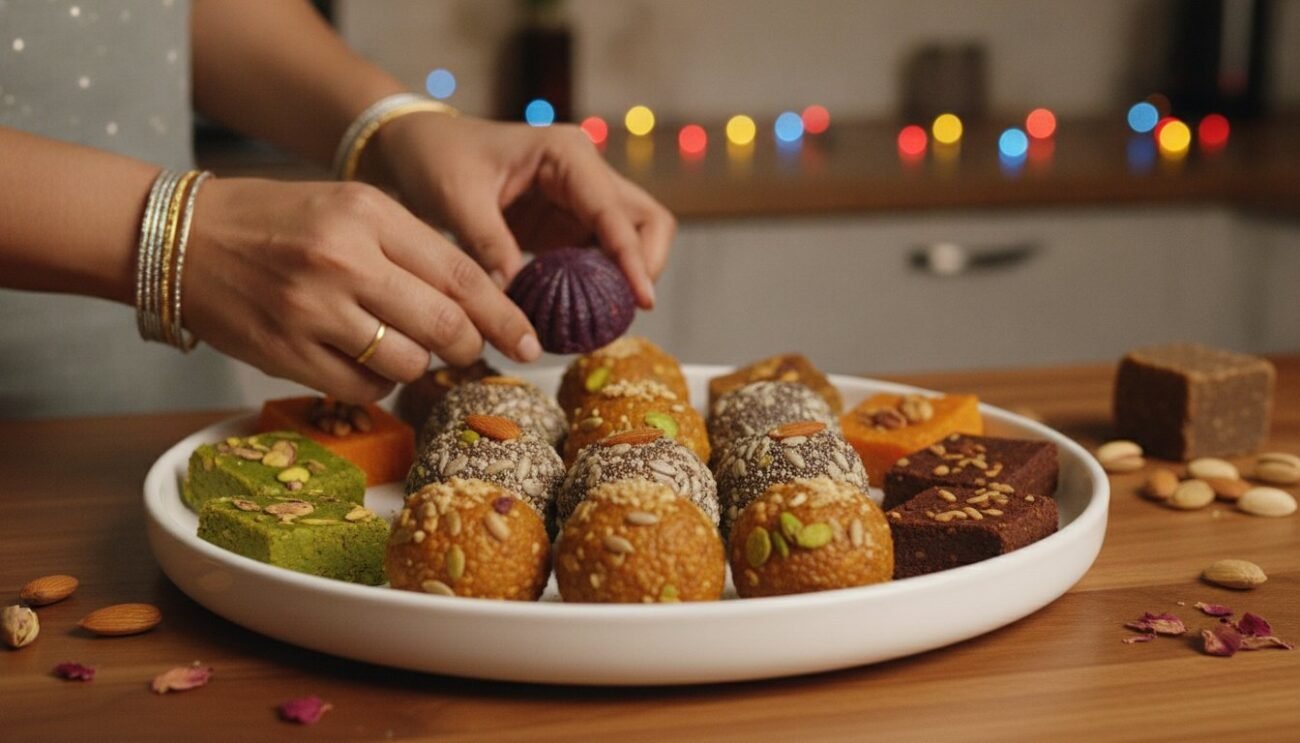
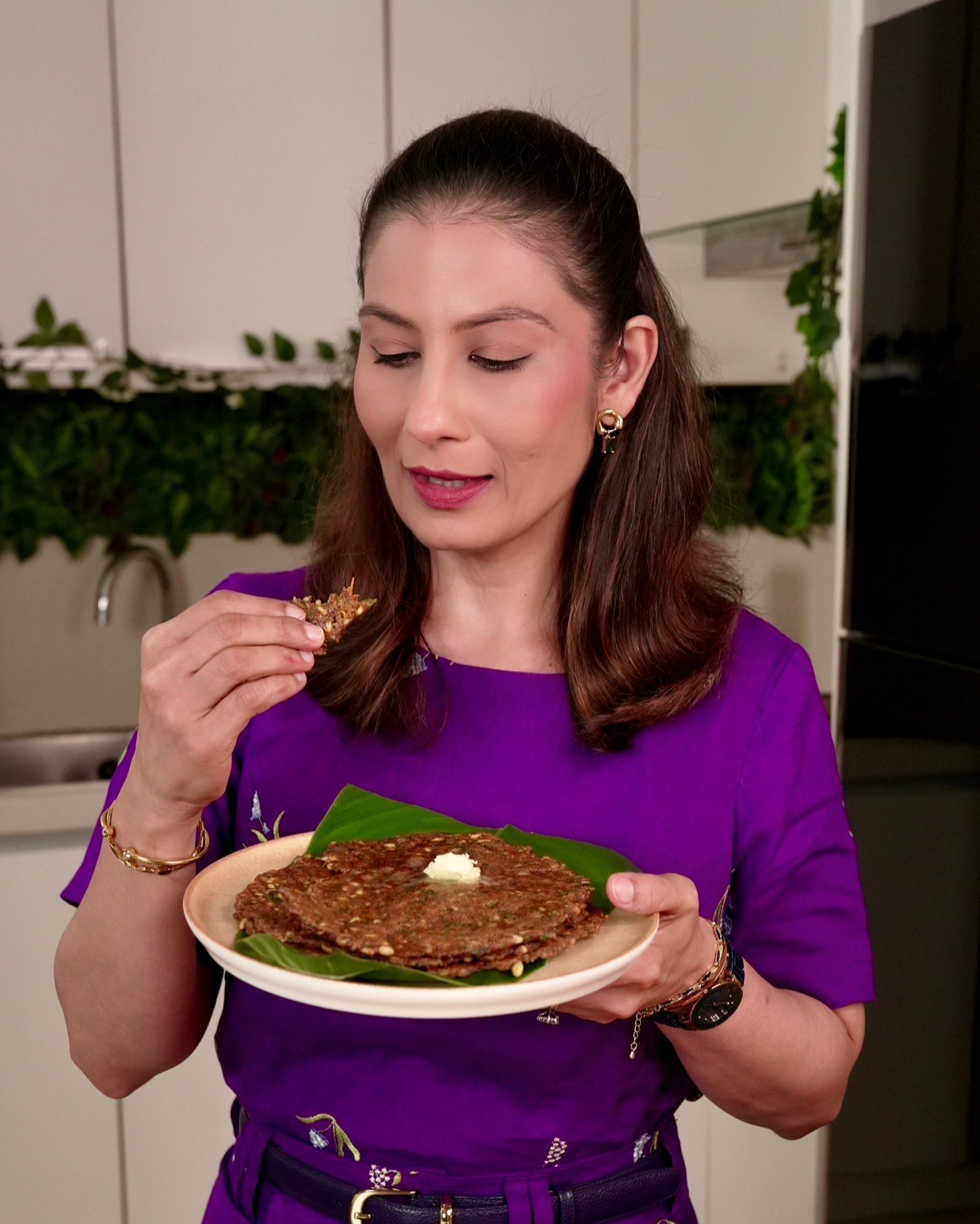
Every festival in India carries a symphony of aromas, a palette of vibrant colors, and a collection of stories whispered from one generation to the a next. These aren’t just tales of gods and goddesses; they are the rich stories around food and festivals, passed down in kitchens fragrant with roasting spices and bubbling ghee. Food becomes a living museum, where each dish is an artifact, holding memories of harvest, family history, and the timeless spirit of celebration.
But what happens when these traditions meet our modern, health-conscious lives? We often feel caught between the desire to honor our roots and the need to nourish our bodies. This is where the real magic begins. By understanding the “why” behind our festive foods, we can innovate without losing the soul of the story. We can embrace wellness as part of the celebration itself. This philosophy is the heart of Meghna’s Food Magic, where every recipe is a bridge between cherished traditions and a vibrant, healthy future.
The Soul of the Celebration: Why We Tell Stories Around Food
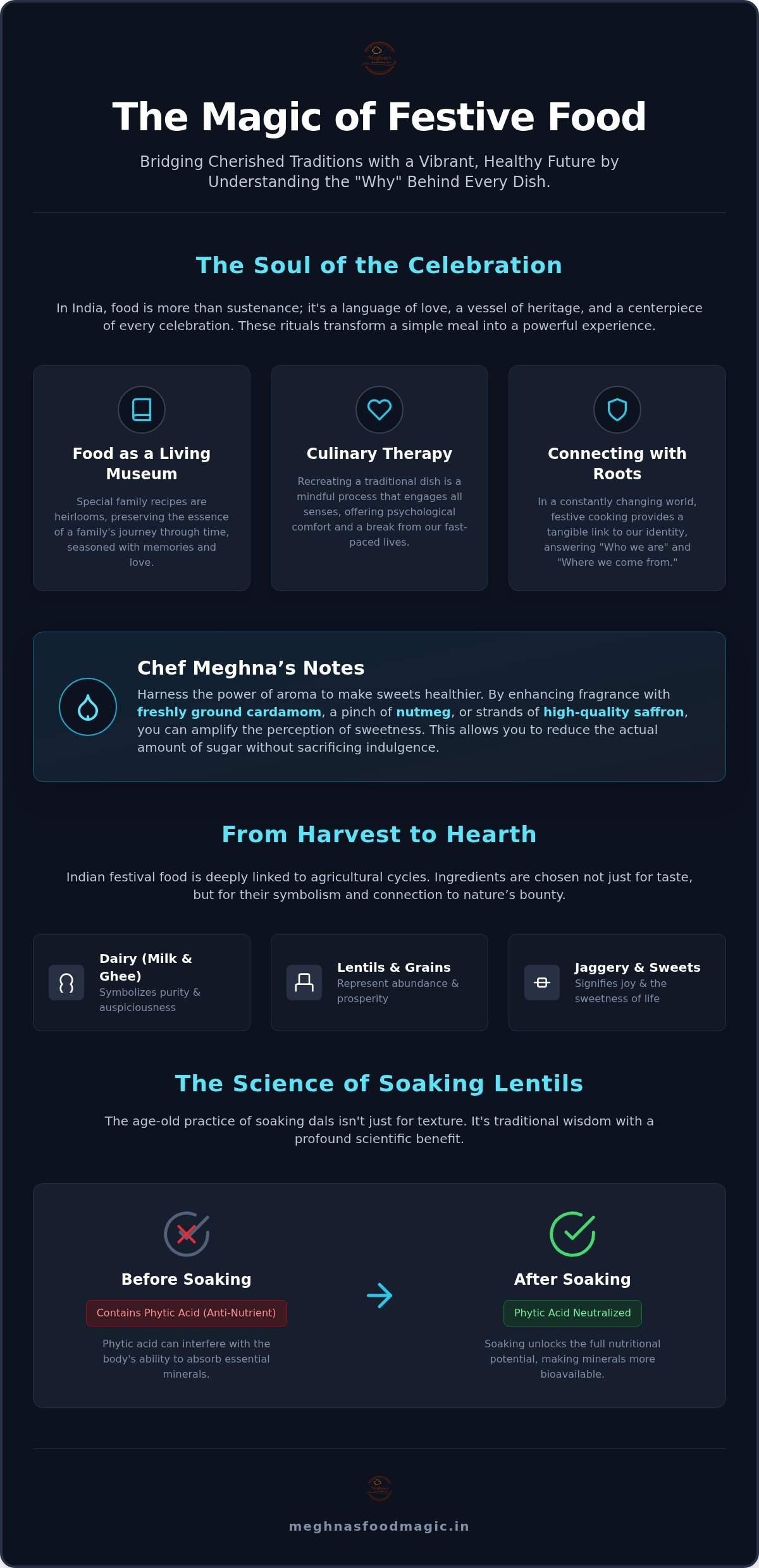
In India, food is more than sustenance; it is a language of love, a vessel of heritage, and a centerpiece of every celebration. Each festival dish is a chapter in a family’s history book, seasoned with memories of grandmothers humming old tunes while rolling out puris or the collective laughter during a ladoo-making session. These rituals transform a simple meal into a powerful session of “culinary therapy,” connecting us to our past and grounding us in the present.
- Food as a Living Museum: Think of that special pickle recipe that only your grandmother knew, or the unique way your family prepares Kheer for Diwali. These are not just recipes; they are heirlooms, preserving the essence of your family’s journey through time.
- Culinary Therapy: The act of recreating a traditional dish is a deeply mindful process. It engages all our senses and allows us to unplug from our fast-paced lives, offering a psychological comfort that few other activities can.
- Connecting with Roots: In a world that is constantly changing, festive cooking provides a tangible link to our identity. It’s a way of saying, “This is who we are, and this is where we come from.”
The Science of Nostalgia and Flavor
Have you ever caught a whiff of cardamom and been instantly transported back to your childhood home during a festival? That’s the power of sensory memory. The aromas of roasting spices, saffron blooming in milk, or jaggery melting into a golden syrup are scientifically linked to the emotional centers of our brain. These scents don’t just make food taste good; they trigger feelings of joy, comfort, and belonging, making the celebration feel complete.
Furthermore, the timing of our festivals and the ingredients used are rooted in Ayurvedic wisdom and seasonal cycles. Foods prepared during winter festivals, for instance, are often rich in warming ingredients like sesame and ghee, while summer festivals feature cooling ingredients like yogurt and coconut. This is tradition and science working in perfect harmony.
Chef Meghna’s Notes: You can harness the power of aroma to make your sweets healthier. By enhancing the fragrance with freshly ground cardamom, a pinch of nutmeg, or a few strands of high-quality saffron, you can amplify the perception of sweetness. This allows you to reduce the actual amount of sugar needed without anyone feeling like they’re missing out on the indulgence.
Preserving Traditions in a Fast-Paced World
Passing down family recipes is a sacred trust. It’s about sharing more than just a list of ingredients; it’s about teaching the “secret” techniques—the flick of the wrist that makes a perfect dough, the exact moment to add spices to hot oil. In our busy lives, finding the time for this can be challenging, which is why modern home cooks are constantly seeking a balance between convenience and authenticity.
The goal isn’t to replicate the past perfectly but to keep its spirit alive. It’s about understanding the core principles of a dish and finding modern ways to achieve the same love-infused result. For visual storytelling and a deeper dive into these timeless techniques, you can explore Chef Meghna’s YouTube channel, where tradition is brought to life for the contemporary kitchen.
From Harvest to Hearth: The Origin Stories of Indian Festival Dishes
The story of Indian festival food is inextricably linked to the land. Our festive menus were written by agricultural cycles, with celebrations marking the sowing and reaping of crops. This “Harvest Feast” narrative is central to understanding why we eat what we eat. Ingredients were chosen not just for their taste, but for their symbolism and their connection to nature’s bounty.
- Symbolism in Every Bite: Dairy products like milk and ghee are seen as symbols of purity and auspiciousness. Lentils and grains represent abundance and prosperity, while the sweetness of jaggery signifies joy and the sweetness of life.
- A Tribute to Nature: Using high-quality, whole ingredients is a way of paying homage to the harvest. It’s a recognition that the food on our plate is a gift from the earth, meant to be honored and celebrated.
- From Fire to Fryer: The journey of our cooking methods, from open-fire pits to modern kitchen gadgets, also tells a story of innovation. While the tools have changed, the fundamental goal remains the same: to transform simple ingredients into something magical.
The Story of the Festive Lentil
Lentils, or dals, are the backbone of Indian cuisine, and they hold a special place on the festive table. Moong and Urad dal, in particular, are central to festivals like Makar Sankranti and Diwali. Their story begins in the fields, as they are often harvested during these times. They are packed with protein, providing sustained energy for the long hours of celebration.
But there’s a deeper, scientific story here. The age-old practice of soaking dals before cooking is a perfect example of tradition holding profound wisdom. It’s not just done to shorten cooking time or improve texture. Soaking lentils neutralizes phytic acid, an anti-nutrient that can interfere with mineral absorption. This process unlocks the full nutritional potential of the dal, making it easier for our bodies to digest and absorb its goodness. It’s a simple step that turns a humble lentil into a powerhouse of bio-available nutrition.
Chef Meghna’s Notes: The choice of grain or lentil is crucial for achieving the perfect festive texture. For dishes like Dahi Vada, using a mix of dals can create a softer, more porous vada that soaks up the yogurt beautifully. When making snacks, selecting the right flour can help you achieve crispiness without needing to deep-fry, reducing excess oil consumption.
Sweets That Tell a Tale
Indian sweets, or *mithai*, have a divine origin story. Many of our most beloved dessert recipes began as *Prasad*, or offerings made in temples. These recipes were naturally designed to be nutrient-dense, crafted from pure ingredients like ghee, nuts, jaggery, and whole grains to be worthy of a sacred offering. They were energy-dense, meant to nourish devotees after a long fast or pilgrimage.
Over time, these temple offerings made their way into our homes, evolving into the rich tapestry of regional mithai we know today. This evolution continues in the modern kitchen, with home bakers transforming these classics into wholesome treats, a form of “Cake Therapy” that nourishes both body and soul. The story of Indian sweets is one of constant, delicious adaptation. For those looking to enjoy these traditional flavors mindfully, exploring healthy festive sweets can be a wonderful start.
The Modern Festive Dilemma: Tradition vs. Health
One of the biggest myths we face today is that authentic festival food must be heavy, greasy, and unhealthy. This belief forces a false choice between celebrating our culture and maintaining our health. The truth is, our ancestors ate whole, unprocessed foods. The “unhealthy” aspect of modern festive food often comes from the excessive use of refined sugar, refined flour (maida), and deep-frying in processed oils—all relatively recent additions to our diet.
The “Bold Innovator” approach is not about abandoning tradition, but about returning to its roots. It’s about reimagining classic recipes with high-protein, fiber-rich ingredients that our ancestors would have recognized. True “culinary therapy” is about finding that beautiful balance where you can nourish your body with wholesome ingredients while satisfying your soul with the flavors of home.
Upgrading the Festive Pantry
A few simple swaps in your pantry can revolutionize your festive cooking, making it both delicious and nutritious without sacrificing authenticity.
- Flour Power: Replace refined flour (maida) with whole wheat flour (atta), or experiment with nut flours like almond flour for richer, denser baked goods that are packed with protein and healthy fats.
- The Oil Question: The modern kitchen offers incredible tools for reducing oil consumption. Learning to use an Air Fryer for Indian recipes can help you create crispy, golden-brown snacks with up to 80% less oil, preserving the crunch we all love.
Chef Meghna’s Notes: A common challenge when reducing fat is losing the traditional “mouthfeel.” To combat this, you can use healthier binders and fats. A thick, hung yogurt (Greek yogurt) can provide creaminess in marinades, while a paste of cashews or almonds can add richness to gravies and desserts, mimicking the satisfying texture of traditional fats.
Mindful Indulgence: A New Tradition
Creating a new tradition of mindful indulgence is about strategy, not sacrifice. It’s about enjoying the feast without the post-festival guilt. One of the best strategies is to prioritize protein. Starting a festive meal with high-protein snacks helps you feel full and satisfied faster, preventing you from overeating the heavier, carb-laden dishes later.
Portion control also becomes easier when you’re not feeling deprived. Instead of banning sweets, savor a small piece of a high-quality, homemade one. The goal is to integrate these celebrations into a healthy lifestyle, a philosophy explored in the Get Fit With Meghna playlist. It’s about making conscious choices that allow you to participate fully in the joy of the festival.
Chef Meghna’s Guide to Mindful Festive Cooking
Every ingredient substitution in the kitchen tells a new story. It’s a blend of science, art, and a deep understanding of flavors. This guide offers professional secrets to help you write your own delicious, healthy festive narratives. From mastering natural sweeteners to embracing zero-waste principles, these techniques empower you to become the “bold innovator” in your own kitchen.
- The Chemistry of Sweeteners: Understanding the “why” of substitution is key. Jaggery isn’t just a healthier alternative to sugar; its molasses content adds a rich, caramel-like depth and moisture that refined sugar cannot.
- Nutritious “Tea Time” Snacks: Elevate your snack game by making them nutritious for guests. A platter of savory appe or air-fried paneer tikka is far more satisfying and nourishing than a plate of fried pakoras. For more ideas, check out this Tea Time Snacks Playlist.
- Zero-Waste Festivities: Honor the principle of abundance by wasting nothing. Vegetable peels and scraps can be saved and simmered into a flavorful post-festival broth, and leftover sweets can be crumbled and repurposed as a topping for yogurt or oatmeal.
Professional Substitution Secrets
Making healthy swaps is easy when you know the secrets. Dates and figs, when soaked and blended into a paste, act as fantastic natural binders and sweeteners in desserts like ladoos and energy bars, adding fiber and essential minerals. For savory dishes, Paneer and Tofu are brilliant canvases for flavor. They absorb marinades beautifully and provide a substantial, high-protein base for appetizers and main courses.
Chef Meghna’s Notes: A common issue when baking with whole wheat flour is a dry, dense texture. To troubleshoot this, always sieve the flour at least twice. This incorporates air, making the final product much lighter. You can also add a bit more moisture in the form of yogurt or mashed banana to ensure a soft, tender crumb.
The Air Fryer Revolution in Traditional Kitchens
The air fryer is a game-changer for anyone who loves the texture of fried food but not the excess fat. You can easily convert deep-fried favorites like Gujiya, Samosa, or Mathri into stunning air-fried delights. The magic lies in its technology: the rapid circulation of hot air creates a crisp, golden exterior that brilliantly mimics the effect of deep-frying, but without submerging the food in oil. This single innovation allows you to enjoy the traditional crunch of festive snacks in a much healthier way. For specific timings and temperatures, you can refer to this detailed guide on Air Fryer Recipes.
Bringing the Magic Home: 3 Nutritious Festival Recipes
Now, let’s bring these stories into your kitchen. These three recipes are a perfect embodiment of our theme, blending traditional flavors with modern, health-conscious techniques. They are high-protein, chef-approved, and designed to show that festive food can be both incredibly delicious and wonderfully nourishing. Each recipe is a celebration of the broader Food Magic philosophy: honoring our roots while embracing a healthier future.
Recipe 1: High-Protein Paneer Tikka (Air Fryer Version)
A classic celebration starter, this Paneer Tikka is marinated in spiced yogurt and air-fried to smoky perfection, offering a blast of flavor without the guilt.
- Ingredients: 250g firm Paneer (cubed), 1/2 cup thick Greek yogurt, 1 tbsp ginger-garlic paste, 1 tsp Kashmiri red chili powder, 1/2 tsp turmeric powder, 1 tsp garam masala, salt to taste, 1 tbsp mustard oil.
- Method: In a bowl, whisk together the yogurt, spices, salt, ginger-garlic paste, and mustard oil to create a smooth marinade. Gently coat the paneer cubes in the marinade. Let it marinate for at least 30 minutes. Preheat your air fryer to 180°C (350°F). Arrange the marinated paneer cubes in the air fryer basket in a single layer. Air fry for 8-10 minutes, flipping halfway through, until the edges are slightly charred and golden.
Chef Meghna’s Notes: The key to succulent Paneer Tikka is the marination time. Do not over-marinate, especially if using homemade paneer. If left for too long, the acid in the yogurt can cause the paneer to release water and turn rubbery when cooked.
Recipe 2: Whole Wheat & Jaggery Festive Cake
This rustic, wholesome cake tells a story of simple, nourishing ingredients. It’s sweetened with jaggery and spiced with cardamom, perfect for a guilt-free festive treat.
- Ingredients: 1.5 cups whole wheat flour (Atta), 1 cup grated Jaggery, 1/2 cup plain curd (yogurt), 1/2 cup neutral oil, 1 tsp baking powder, 1/2 tsp baking soda, 1 tsp cardamom powder, 1/4 cup chopped nuts (almonds, walnuts).
- Method: Preheat your oven to 180°C (350°F) and grease a 7-inch cake tin. In a large bowl, whisk together the jaggery, curd, and oil until the jaggery has completely dissolved. In a separate bowl, sieve the whole wheat flour, baking powder, baking soda, and cardamom powder. Gently fold the dry ingredients into the wet ingredients until just combined—do not overmix. Fold in the chopped nuts. Pour the batter into the prepared tin and bake for 30-35 minutes, or until a skewer inserted into the center comes out clean.
Chef Meghna’s Notes: To ensure a light and airy whole wheat cake, sieve the flour and other dry ingredients twice. This aerates the flour, preventing the cake from becoming too dense, which can sometimes happen with whole grains.
Recipe 3: Savory Corn & Spinach “Appe” (Paniyaram)
These delightful savory bites are a fantastic way to swap deep-frying for a healthier alternative. They are packed with vegetables and cook beautifully in a special Paniyaram pan with minimal oil.
- Ingredients: 1 cup boiled and coarsely crushed Corn, 1 cup finely chopped spinach, 1/2 cup semolina (Sooji/Rava), 1/2 cup curd, 1 tsp green chili paste (or to taste), salt to taste, a pinch of fruit salt (like Eno).
- Method: In a mixing bowl, combine the crushed corn, chopped spinach, semolina, curd, green chili paste, and salt. Add a little water if needed to create a thick, batter-like consistency. Let the batter rest for 10-15 minutes for the semolina to absorb the moisture. Just before cooking, stir in the fruit salt and mix gently. Heat a greased Appe/Paniyaram pan. Pour a spoonful of batter into each mold. Cook on medium-low heat for 2-3 minutes, then flip and cook the other side until golden brown and crisp.
Chef Meghna’s Notes: It is crucial to squeeze out all excess water from the chopped spinach before adding it to the batter. If the spinach is too wet, it will make the batter runny and the appe will not become crispy.
For more daily festive inspiration and magical recipes, you can follow along on Instagram and join a community that celebrates food, family, and wellness.
Disclaimer
This is a recipe food blog page and not nutrition or doctor and hence do not claim to cure any illness. If you have specific health issues please consult a qualified doctor or certified nutritionist.
I do consult experts, research Internet and at times seek help from Gemini to collect relevant information to put together some of these blogs.

