Finding Vegetarian Food Abroad: Myth vs. Reality
Will I have to survive on bread and salad? Can I find real, nutritious vegetarian meals abroad? As a chef who has traveled extensively through Southeast Asia, Europe, and the Middle East, I’ve heard these anxious questions countless times. The fear of compromising your diet, losing your fitness progress, or simply being hungry in a foreign land is real. But I’m here to tell you that the idea of a “meat-only” world is one of the biggest myths in travel.
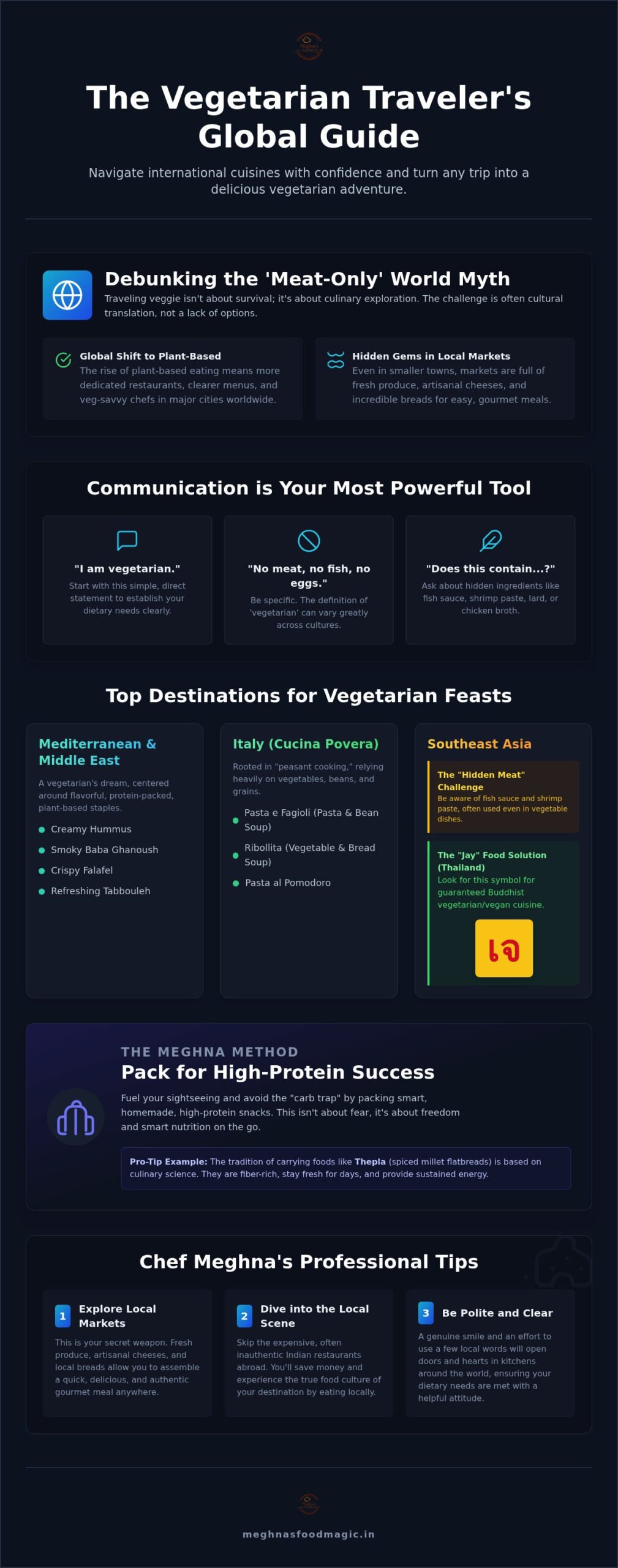
Traveling as a vegetarian isn’t about mere survival; it’s about culinary exploration. It’s about understanding the heart of global cuisines to unlock naturally nutritious, high-protein options that you might otherwise miss. Forget the anxiety. With a little knowledge and a dash of confidence, you can turn any international trip into a delicious vegetarian adventure. This guide will show you how to navigate global cuisines, find satisfying meals, and travel without compromising your diet or your health.
The Myth of the ‘Meat-Only’ World: Is Traveling as a Veggie Really That Hard?
Many travelers, especially from India, carry the worry that the rest of the world doesn’t understand vegetarianism. I’ve had friends pack entire suitcases with ready-to-eat meals for a trip to Europe, fearing they’d find nothing but steak and schnitzel. The reality, however, is that the ‘difficulty’ is often a matter of cultural translation rather than an actual lack of food. The key isn’t just finding food, but finding nutrition.
The global culinary landscape is shifting dramatically. The rise of plant-based eating means that today, it’s easier than ever to find delicious vegetarian options. From the bustling food courts and authentic Middle Eastern spots like Beirut Grill in Singapore to the chic cafes of Paris, the world is embracing vegetables. Your challenge isn’t a lack of options, but learning how to see them. A little culinary knowledge can transform a menu that seems meat-heavy into a treasure map of vegetarian feasts.
The Rise of Global Veganism and Vegetarianism
The world is catching on. In 2026, you’re traveling at a time when ‘plant-based’ is a global movement, not a niche request. Major cities worldwide have adapted, with dedicated vegan restaurants, clear menu labeling, and chefs who are well-versed in plant-forward cooking. During my travels in Europe, I was pleasantly surprised to find that even in smaller towns, local markets were brimming with fresh produce, artisanal cheeses, and incredible breads, making it easy to assemble a gourmet meal. International food chains and local ‘green’ movements have made vegetarianism more visible and accessible than ever before.
Cultural Nuances: What ‘Vegetarian’ Means Elsewhere
One of the biggest hurdles is the definition of “vegetarian.” In many Western countries, it simply means “no meat.” In parts of East Asia, a dish might be free of meat but still contain fish sauce, shrimp paste, or a meat-based broth. This is where communication becomes your most powerful tool.
Before you travel, learn a few key phrases in the local language:
- “I am vegetarian.”
- “No meat, no fish, no eggs.”
- “Does this contain fish sauce/lard/chicken broth?”
These simple sentences can make all the difference, showing respect for the local culture while clearly communicating your dietary needs. In my experience, a smile and a genuine effort to speak the language, even just a few words, opens doors and hearts in kitchens around the world.

Destinations That Are Naturally Vegetarian-Friendly
While you can find vegetarian food almost anywhere, some cuisines are inherently more welcoming. Cuisines built on a foundation of grains, legumes, and fresh vegetables are a vegetarian traveler’s paradise. My travels have taught me that some regions are not just friendly, but celebratory of vegetarian food.
The secret advantage for many South Asian travelers is our familiarity with lentils, chickpeas, and complex spices, which are star players in many global dishes. You’ll be surprised how often a foreign dish tastes like a distant, delicious cousin of something you’ve eaten at home.
The Mediterranean and Middle Eastern Advantage
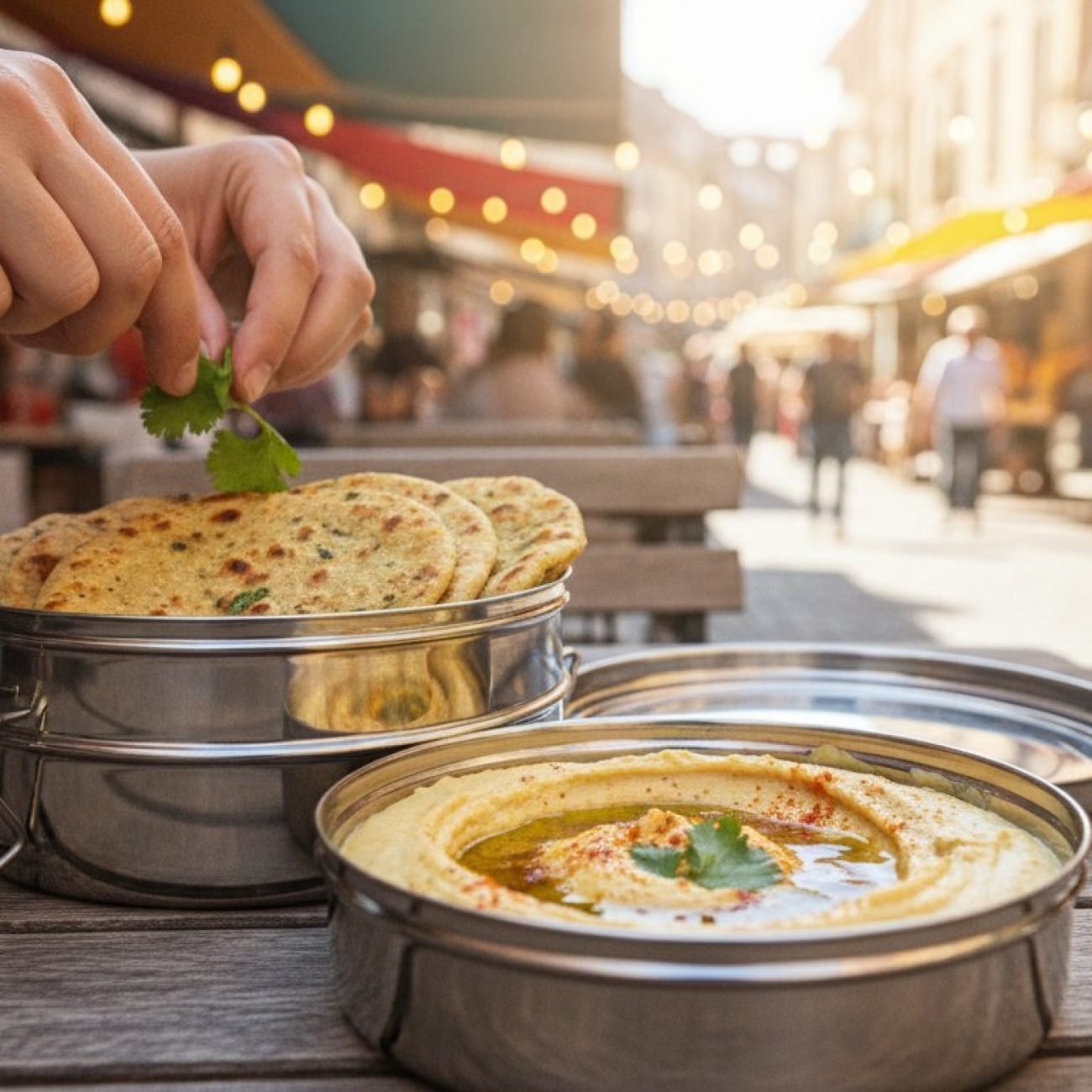
My trips to Egypt and Qatar were a feast for the senses. The cuisines here are a vegetarian’s dream, centered around protein powerhouses that are flavorful, filling, and completely plant-based. Think of creamy hummus, smoky baba ghanoush, crispy falafel, and refreshing tabbouleh. A mezze platter alone is a complete, balanced, and incredibly satisfying meal.
Italian cuisine, often mistaken as just pasta and cheese, is deeply rooted in cucina povera (peasant cooking), which relies heavily on vegetables, beans, and grains. Look for dishes like pasta e fagioli (pasta and bean soup), ribollita (a hearty vegetable and bread soup), or a simple, perfect pasta al pomodoro.
Southeast Asia: Navigating the ‘Hidden Meat’ Challenge
Southeast Asia is a region I adore, but it requires a bit more diligence. The food in countries like Thailand and Vietnam is vibrant and fresh, but fish sauce and shrimp paste are common ingredients, even in vegetable stir-fries.
However, there’s a fantastic solution. In Thailand, I quickly learned to ask for “Jay” food. This is a specific type of Buddhist vegetarian cuisine that excludes not only meat and fish but also pungent vegetables like onion and garlic. It’s a guaranteed way to get a truly vegetarian meal. Look for the yellow and red “Jay” symbol (เจ) outside restaurants.
My advice is to always dive into the local food scene rather than seeking out expensive Indian restaurants. You’ll not only save money but also experience the true culture of the place. Be polite, be clear, and you’ll discover an incredible world of flavor.
The Meghna Method: Packing for High-Protein Success
While you can find food anywhere, being prepared with your own high-protein snacks is a game-changer. It frees you from the stress of finding a suitable meal when you’re tired or in a remote location, and it ensures you’re not falling into the carb-trap of surviving on bread and potatoes. This is about fueling your body for long days of sightseeing with smart, homemade, zero-waste options.
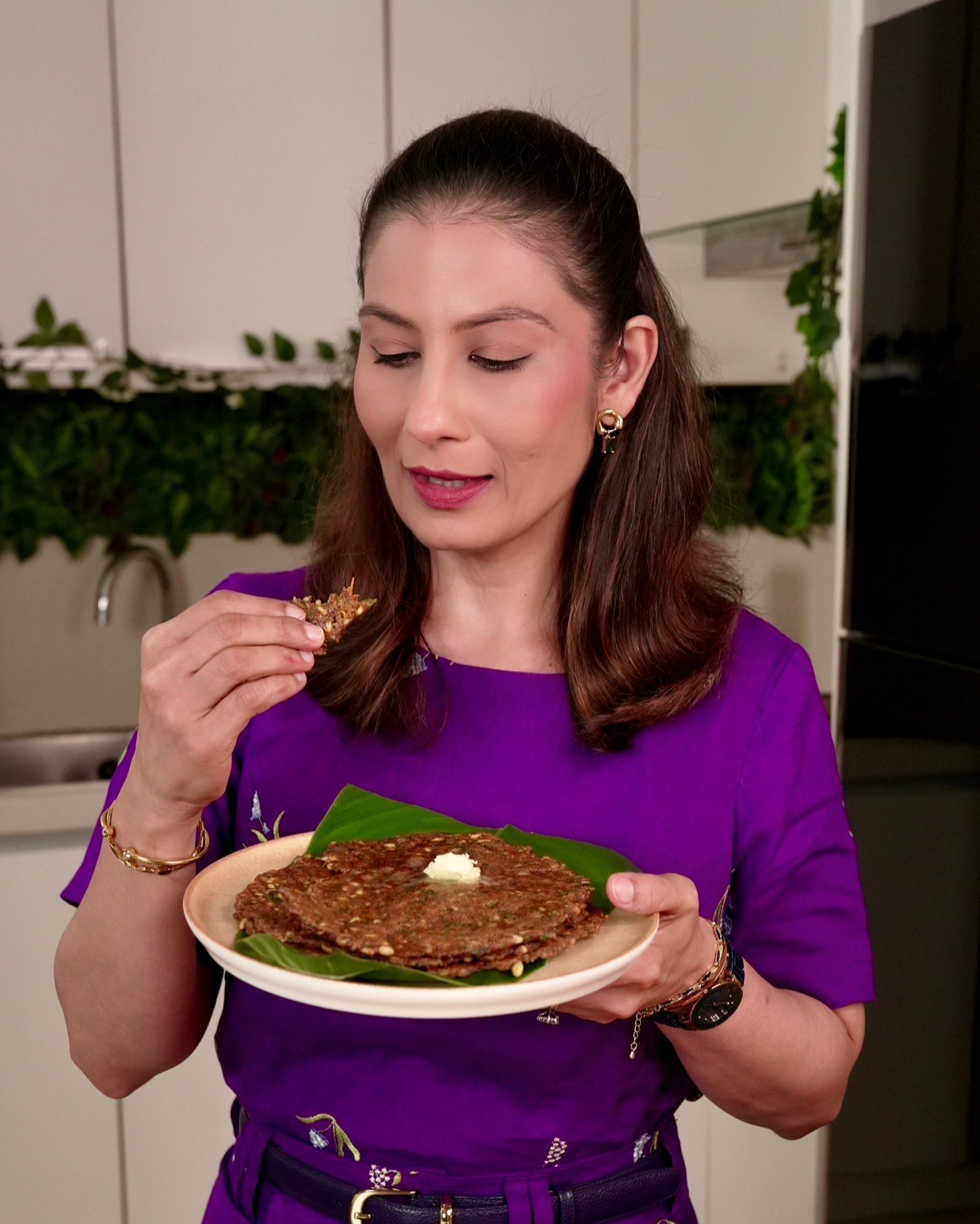
Many people joke about us Gujaratis carrying thepla on our travels, but there’s a deep culinary science behind this tradition. These spiced flatbreads are not only delicious but are also engineered for travel. Made with whole wheat flour and sometimes millet flours, they are packed with fiber, stay fresh for days without refrigeration, and provide slow-release energy. They are, quite simply, the perfect travel food.
Millet-Based Travel Essentials
Millets like Ragi, Jowar, and Bajra are my secret weapon for healthy travel. They are gluten-free, high in protein and fiber, and incredibly versatile. Before a long flight, I always prepare a batch of millet theplas or rotis. They digest more slowly than wheat, keeping you full and energized, which is crucial for beating jet lag.
The science is simple: the complex carbohydrates in millets prevent the energy spikes and crashes you get from refined snacks. If you’re making them at home, remember to soak the millets for an adequate time. This aids digestion, a crucial consideration when your body is already under the stress of travel. For a treasure trove of ideas, you can explore over 50 different kinds of flatbreads in my Paratha, Roti, and Thepla playlist on YouTube.
Portable Protein: Beyond the Protein Bar
Forget expensive, processed protein bars. Your kitchen holds everything you need for creating healthier, tastier, and cheaper alternatives.
- Spiced Roasted Makhana (Fox Nuts) and Chickpeas: Light, crunchy, and packed with protein. I love to toss them in an air fryer with a little olive oil and my favorite spices for a mess-free, savory snack.
- Seed and Nut Mixes: Create your own trail mix with almonds, walnuts, pumpkin seeds, and sunflower seeds. They provide healthy fats and protein, keeping you satiated between meals.
- Homemade Energy Bites: Rolled oats, dates, seeds, and a little nut butter can be rolled into small balls for a quick energy boost. They take up minimal space and are perfect for a mid-hike snack. For more on why these homemade options are superior, you can read about why thepla is the ultimate healthy Gujarati snack on my blog.
How to Navigate Local Menus and Avoid Hidden Ingredients
Reading a menu in a foreign country can feel like deciphering a code. But with a few strategies, you can become a confident and savvy diner. The first step is to do a little research. Use apps like HappyCow to find vegetarian or vegan restaurants near you. Often, simply looking for a dedicated vegan restaurant is the easiest way to ensure a safe and delicious meal.
When that’s not an option, don’t be afraid to communicate. I’ve found that chefs are artists who are proud of their work and are often happy to accommodate requests. On a trip to Sri Lanka, I was craving a simple, comforting meal. I approached the chef at my hotel and explained the concept of khichdi. He had never heard of it, but he had lentils and rice. We ended up making it together in his kitchen! It was a beautiful moment of cultural exchange and resulted in a delicious meal. This experience taught me that a polite request can lead to the most memorable travel moments.
The ‘Hidden Five’ Checklist
Even when a dish sounds vegetarian, it can contain hidden animal products. Here is a checklist of common culprits to watch out for and ask about:
- Animal Fats: Lard or tallow can be used in baked goods, pastries, and even for frying potatoes. Always ask what kind of oil is used.
- Fish/Oyster Sauce: A staple in many Southeast Asian cuisines, it’s often added to stir-fries and soups for an umami flavor.
- Gelatin: This is a common thickener in desserts like panna cotta, jellies, and mousses.
- Broth: Soups, stews, and even some rice dishes may be made with chicken, beef, or fish broth.
- Rennet: An enzyme from animal stomachs used in cheesemaking. Cheeses like Parmesan are traditionally not vegetarian. Look for cheeses made with microbial or vegetable rennet.
Communication Strategies for the Savvy Traveler
Your smartphone is your best friend, but don’t let it replace human connection. Use translation apps to look up key phrases, but then try to speak them yourself. A great strategy is to have a “digital card” saved on your phone with your dietary needs written in the local language, which you can show to the restaurant staff.
Another powerful tip is to mention your dietary needs when you book. Whether it’s your flight, hotel, or a restaurant reservation, a simple note saying “vegetarian meal required” can save you a lot of hassle. Airlines are particularly good at accommodating this if you inform them in advance.
Finally, don’t underestimate local markets. They are a vibrant, direct source of fresh, local food. You can pick up fruits, nuts, cheeses, and breads to create your own high-protein salads and sandwiches, giving you complete control over your meals.
Chef Meghna’s Notes: Professional Tips for the Veggie Traveler
After years of traveling, cooking, and eating my way around the world, I’ve learned that being a vegetarian traveler is about being resourceful, curious, and a little bit creative. It’s a mindset that turns a potential challenge into a delightful part of the journey.
One of my core principles in the kitchen is zero waste, and this applies even when I travel. Don’t throw away the apple and orange from your hotel breakfast. Instead, pack them for a snack later. If you have access to a kettle, you can save vegetable scraps like carrot peels or onion ends to make a simple, nourishing broth in a mug. This approach is not only sustainable but also ensures you’re getting extra nutrients. For more ideas on this, explore my guide to zero-waste kitchen tips for sustainable cooking.
Troubleshooting and Substitutions
What happens when you look at a menu and see absolutely nothing that works? First, don’t panic. Look at the side dishes. You can often assemble a full, nutritious meal from vegetable sides, rice, potatoes, or salads. Ask if they can add a protein source like beans, lentils, or tofu.
If you find yourself in a culinary desert, this is where your packed snacks become your lifeline. A millet roti with some nut butter or a handful of roasted chickpeas can be a perfectly acceptable and protein-rich meal that tides you over until you find a better option.
Remember, your journey as a vegetarian traveler is not about restriction. It’s about discovery. It’s about the joy of finding a hidden vegetarian restaurant in a tiny alley, the satisfaction of successfully communicating your needs in a new language, and the delight of tasting a familiar vegetable cooked in a completely new and exciting way. Embrace the adventure, and you’ll find that the world is a far more vegetarian-friendly place than you ever imagined.
Disclaimer
This is a recipe food blog page and not nutrition or doctor and hence do not claim to cure any illness. If you have specific health issues please consult a qualified doctor or certified nutritionist.
I do consult experts, research Internet and at times seek help from Gemini to collect relevant information to put together some of these blogs.
Will I have to survive on bread and salad? Can I find real, nutritious vegetarian meals abroad? As a chef who has traveled extensively through Southeast Asia, Europe, and the Middle East, I’ve heard these anxious questions countless times. The fear of compromising your diet, losing your fitness progress, or simply being hungry in a foreign land is real. But I’m here to tell you that the idea of a “meat-only” world is one of the biggest myths in travel.
Traveling as a vegetarian isn’t about mere survival; it’s about culinary exploration. It’s about understanding the heart of global cuisines to unlock naturally nutritious, high-protein options that you might otherwise miss. Forget the anxiety. With a little knowledge and a dash of confidence, you can turn any international trip into a delicious vegetarian adventure. This guide will show you how to navigate global cuisines, find satisfying meals, and travel without compromising your diet or your health.
The Myth of the ‘Meat-Only’ World: Is Traveling as a Veggie Really That Hard?
Many travelers, especially from India, carry the worry that the rest of the world doesn’t understand vegetarianism. I’ve had friends pack entire suitcases with ready-to-eat meals for a trip to Europe, fearing they’d find nothing but steak and schnitzel. The reality, however, is that the ‘difficulty’ is often a matter of cultural translation rather than an actual lack of food. The key isn’t just finding food, but finding nutrition.
The global culinary landscape is shifting dramatically. The rise of plant-based eating means that today, it’s easier than ever to find delicious vegetarian options. From the bustling food courts and authentic Middle Eastern spots like Beirut Grill in Singapore to the chic cafes of Paris, the world is embracing vegetables. Your challenge isn’t a lack of options, but learning how to see them. A little culinary knowledge can transform a menu that seems meat-heavy into a treasure map of vegetarian feasts.
The Rise of Global Veganism and Vegetarianism
The world is catching on. In 2026, you’re traveling at a time when ‘plant-based’ is a global movement, not a niche request. Major cities worldwide have adapted, with dedicated vegan restaurants, clear menu labeling, and chefs who are well-versed in plant-forward cooking. During my travels in Europe, I was pleasantly surprised to find that even in smaller towns, local markets were brimming with fresh produce, artisanal cheeses, and incredible breads, making it easy to assemble a gourmet meal. International food chains and local ‘green’ movements have made vegetarianism more visible and accessible than ever before.
Cultural Nuances: What ‘Vegetarian’ Means Elsewhere
One of the biggest hurdles is the definition of “vegetarian.” In many Western countries, it simply means “no meat.” In parts of East Asia, a dish might be free of meat but still contain fish sauce, shrimp paste, or a meat-based broth. This is where communication becomes your most powerful tool.
Before you travel, learn a few key phrases in the local language:
- “I am vegetarian.”
- “No meat, no fish, no eggs.”
- “Does this contain fish sauce/lard/chicken broth?”
These simple sentences can make all the difference, showing respect for the local culture while clearly communicating your dietary needs. In my experience, a smile and a genuine effort to speak the language, even just a few words, opens doors and hearts in kitchens around the world.

Destinations That Are Naturally Vegetarian-Friendly
While you can find vegetarian food almost anywhere, some cuisines are inherently more welcoming. Cuisines built on a foundation of grains, legumes, and fresh vegetables are a vegetarian traveler’s paradise. My travels have taught me that some regions are not just friendly, but celebratory of vegetarian food.
The secret advantage for many South Asian travelers is our familiarity with lentils, chickpeas, and complex spices, which are star players in many global dishes. You’ll be surprised how often a foreign dish tastes like a distant, delicious cousin of something you’ve eaten at home.
The Mediterranean and Middle Eastern Advantage
My trips to Egypt and Qatar were a feast for the senses. The cuisines here are a vegetarian’s dream, centered around protein powerhouses that are flavorful, filling, and completely plant-based. Think of creamy hummus, smoky baba ghanoush, crispy falafel, and refreshing tabbouleh. A mezze platter alone is a complete, balanced, and incredibly satisfying meal.
Italian cuisine, often mistaken as just pasta and cheese, is deeply rooted in cucina povera (peasant cooking), which relies heavily on vegetables, beans, and grains. Look for dishes like pasta e fagioli (pasta and bean soup), ribollita (a hearty vegetable and bread soup), or a simple, perfect pasta al pomodoro.
Southeast Asia: Navigating the ‘Hidden Meat’ Challenge
Southeast Asia is a region I adore, but it requires a bit more diligence. The food in countries like Thailand and Vietnam is vibrant and fresh, but fish sauce and shrimp paste are common ingredients, even in vegetable stir-fries.
However, there’s a fantastic solution. In Thailand, I quickly learned to ask for “Jay” food. This is a specific type of Buddhist vegetarian cuisine that excludes not only meat and fish but also pungent vegetables like onion and garlic. It’s a guaranteed way to get a truly vegetarian meal. Look for the yellow and red “Jay” symbol (เจ) outside restaurants.
My advice is to always dive into the local food scene rather than seeking out expensive Indian restaurants. You’ll not only save money but also experience the true culture of the place. Be polite, be clear, and you’ll discover an incredible world of flavor.
The Meghna Method: Packing for High-Protein Success
While you can find food anywhere, being prepared with your own high-protein snacks is a game-changer. It frees you from the stress of finding a suitable meal when you’re tired or in a remote location, and it ensures you’re not falling into the carb-trap of surviving on bread and potatoes. This is about fueling your body for long days of sightseeing with smart, homemade, zero-waste options.
Many people joke about us Gujaratis carrying thepla on our travels, but there’s a deep culinary science behind this tradition. These spiced flatbreads are not only delicious but are also engineered for travel. Made with whole wheat flour and sometimes millet flours, they are packed with fiber, stay fresh for days without refrigeration, and provide slow-release energy. They are, quite simply, the perfect travel food.
Millet-Based Travel Essentials
Millets like Ragi, Jowar, and Bajra are my secret weapon for healthy travel. They are gluten-free, high in protein and fiber, and incredibly versatile. Before a long flight, I always prepare a batch of millet theplas or rotis. They digest more slowly than wheat, keeping you full and energized, which is crucial for beating jet lag.
The science is simple: the complex carbohydrates in millets prevent the energy spikes and crashes you get from refined snacks. If you’re making them at home, remember to soak the millets for an adequate time. This aids digestion, a crucial consideration when your body is already under the stress of travel. For a treasure trove of ideas, you can explore over 50 different kinds of flatbreads in my Paratha, Roti, and Thepla playlist on YouTube.
Portable Protein: Beyond the Protein Bar
Forget expensive, processed protein bars. Your kitchen holds everything you need for creating healthier, tastier, and cheaper alternatives.
- Spiced Roasted Makhana (Fox Nuts) and Chickpeas: Light, crunchy, and packed with protein. I love to toss them in an air fryer with a little olive oil and my favorite spices for a mess-free, savory snack.
- Seed and Nut Mixes: Create your own trail mix with almonds, walnuts, pumpkin seeds, and sunflower seeds. They provide healthy fats and protein, keeping you satiated between meals.
- Homemade Energy Bites: Rolled oats, dates, seeds, and a little nut butter can be rolled into small balls for a quick energy boost. They take up minimal space and are perfect for a mid-hike snack. For more on why these homemade options are superior, you can read about why thepla is the ultimate healthy Gujarati snack on my blog.
How to Navigate Local Menus and Avoid Hidden Ingredients
Reading a menu in a foreign country can feel like deciphering a code. But with a few strategies, you can become a confident and savvy diner. The first step is to do a little research. Use apps like HappyCow to find vegetarian or vegan restaurants near you. Often, simply looking for a dedicated vegan restaurant is the easiest way to ensure a safe and delicious meal.
When that’s not an option, don’t be afraid to communicate. I’ve found that chefs are artists who are proud of their work and are often happy to accommodate requests. On a trip to Sri Lanka, I was craving a simple, comforting meal. I approached the chef at my hotel and explained the concept of khichdi. He had never heard of it, but he had lentils and rice. We ended up making it together in his kitchen! It was a beautiful moment of cultural exchange and resulted in a delicious meal. This experience taught me that a polite request can lead to the most memorable travel moments.
The ‘Hidden Five’ Checklist
Even when a dish sounds vegetarian, it can contain hidden animal products. Here is a checklist of common culprits to watch out for and ask about:
- Animal Fats: Lard or tallow can be used in baked goods, pastries, and even for frying potatoes. Always ask what kind of oil is used.
- Fish/Oyster Sauce: A staple in many Southeast Asian cuisines, it’s often added to stir-fries and soups for an umami flavor.
- Gelatin: This is a common thickener in desserts like panna cotta, jellies, and mousses.
- Broth: Soups, stews, and even some rice dishes may be made with chicken, beef, or fish broth.
- Rennet: An enzyme from animal stomachs used in cheesemaking. Cheeses like Parmesan are traditionally not vegetarian. Look for cheeses made with microbial or vegetable rennet.
Communication Strategies for the Savvy Traveler
Your smartphone is your best friend, but don’t let it replace human connection. Use translation apps to look up key phrases, but then try to speak them yourself. A great strategy is to have a “digital card” saved on your phone with your dietary needs written in the local language, which you can show to the restaurant staff.
Another powerful tip is to mention your dietary needs when you book. Whether it’s your flight, hotel, or a restaurant reservation, a simple note saying “vegetarian meal required” can save you a lot of hassle. Airlines are particularly good at accommodating this if you inform them in advance.
Finally, don’t underestimate local markets. They are a vibrant, direct source of fresh, local food. You can pick up fruits, nuts, cheeses, and breads to create your own high-protein salads and sandwiches, giving you complete control over your meals.
Chef Meghna’s Notes: Professional Tips for the Veggie Traveler
After years of traveling, cooking, and eating my way around the world, I’ve learned that being a vegetarian traveler is about being resourceful, curious, and a little bit creative. It’s a mindset that turns a potential challenge into a delightful part of the journey.
One of my core principles in the kitchen is zero waste, and this applies even when I travel. Don’t throw away the apple and orange from your hotel breakfast. Instead, pack them for a snack later. If you have access to a kettle, you can save vegetable scraps like carrot peels or onion ends to make a simple, nourishing broth in a mug. This approach is not only sustainable but also ensures you’re getting extra nutrients. For more ideas on this, explore my guide to zero-waste kitchen tips for sustainable cooking.
Troubleshooting and Substitutions
What happens when you look at a menu and see absolutely nothing that works? First, don’t panic. Look at the side dishes. You can often assemble a full, nutritious meal from vegetable sides, rice, potatoes, or salads. Ask if they can add a protein source like beans, lentils, or tofu.
If you find yourself in a culinary desert, this is where your packed snacks become your lifeline. A millet roti with some nut butter or a handful of roasted chickpeas can be a perfectly acceptable and protein-rich meal that tides you over until you find a better option.
Remember, your journey as a vegetarian traveler is not about restriction. It’s about discovery. It’s about the joy of finding a hidden vegetarian restaurant in a tiny alley, the satisfaction of successfully communicating your needs in a new language, and the delight of tasting a familiar vegetable cooked in a completely new and exciting way. Embrace the adventure, and you’ll find that the world is a far more vegetarian-friendly place than you ever imagined.
Disclaimer
This is a recipe food blog page and not nutrition or doctor and hence do not claim to cure any illness. If you have specific health issues please consult a qualified doctor or certified nutritionist.
I do consult experts, research Internet and at times seek help from Gemini to collect relevant information to put together some of these blogs.