
Food to Eat in Goa for Vegetarians: Dishes, Snacks, and Recipes
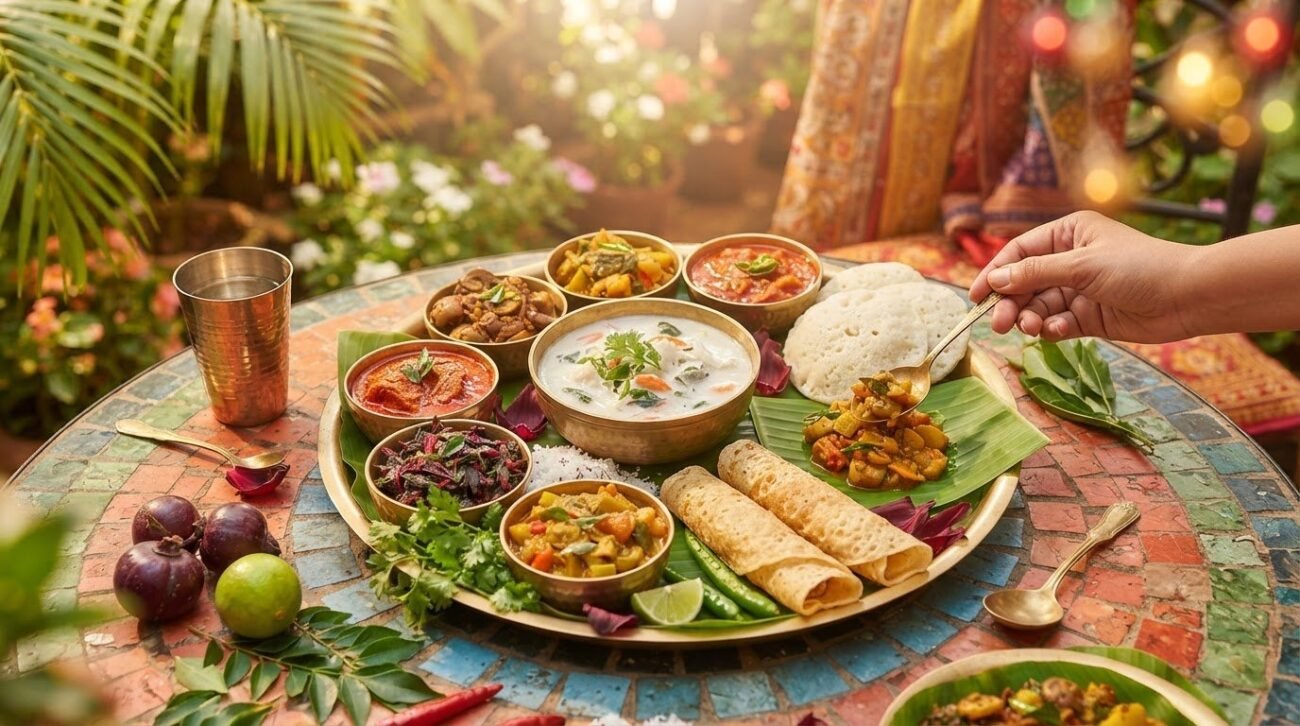
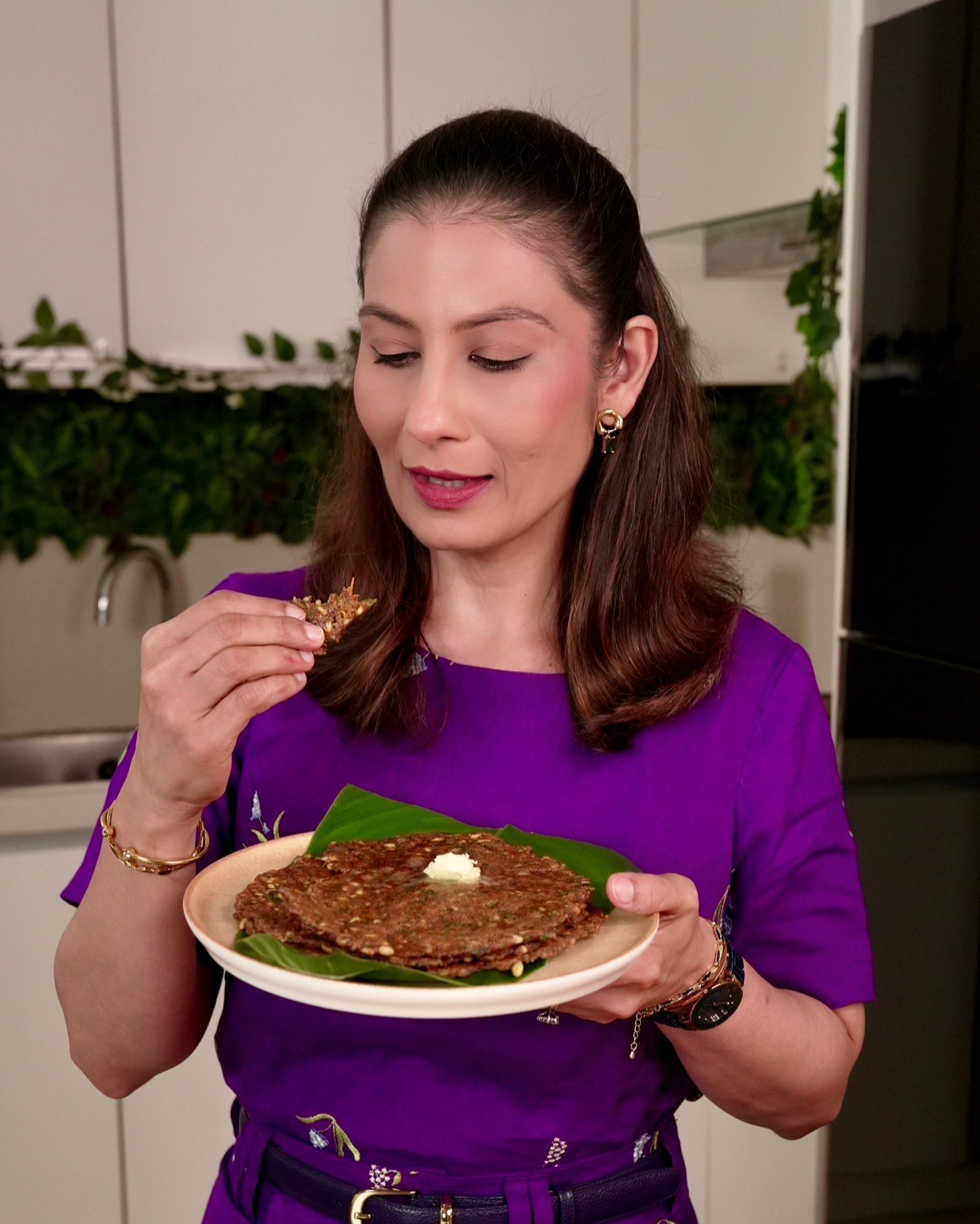
What if your most memorable Goan meal didn’t include seafood at all? Goa’s food is often associated with fish and meat, so finding the food to eat in goa for vegetarians can feel like a guessing game. Yet coconut-rich curries, local vegetables, rice breads and coconut-jaggery sweets offer plenty to explore. The key is to ask how a dish is prepared: fish stock or seafood paste can make an otherwise promising choice unsuitable for your diet.
This guide covers Goan vegetarian favourites, the ingredients behind their spicy, tangy and gently sweet flavours, and practical questions to ask when ordering. You’ll find dishes such as khatkhate, sorak curry, tambdi bhaji and alle belle, plus three Goan-inspired vegetarian recipes to try at home.
Key Takeaways
- Explore vegetarian mains such as vegetable caldine, mushroom xacuti and legume curries, while checking how each version is prepared.
- Use this guide to find food to eat in goa for vegetarians, from hearty curries to snacks, breads and sweets worth asking about.
- Before ordering, ask whether a dish contains fish stock or seafood paste. Clarify egg, dairy, shared equipment and spice level if these matter to you.
- Check the ingredients in Goan snacks and desserts, where a familiar name may not tell you everything in the recipe.
- Try three Goan-inspired vegetarian recipes, with practical tips for bringing their bold, tangy flavours into your kitchen.
What food can vegetarians eat in Goa? Start with the flavours
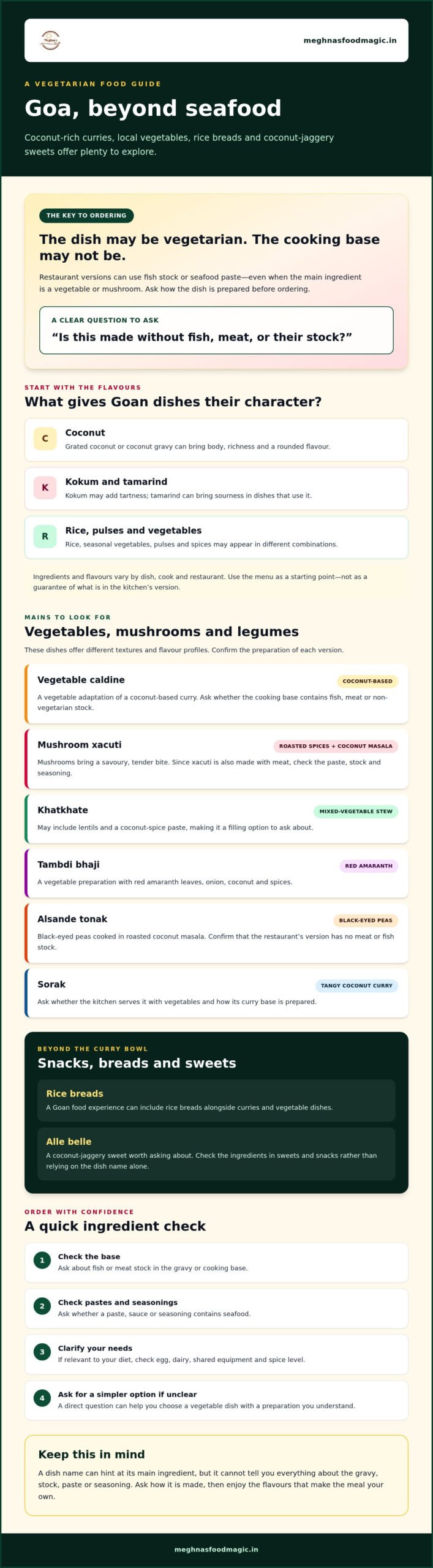
A vegetarian food trip in Goa can mean more than asking for a meat-free version of another dish. The region has its own vegetarian cooking traditions, as well as dishes restaurants may adapt with vegetables, mushrooms or pulses. That gives you plenty to explore, but it’s worth asking how each dish is prepared. Food to eat in goa for vegetarians ranges from comforting rice-and-legume combinations to richly spiced vegetable gravies, depending on the recipe and kitchen.
Goan food reflects varied regional and community traditions, so no single ingredient list describes every meal. Goan cuisine includes discussion of Hindu culinary traditions and ingredients such as lentils, pumpkins, gourds, tamarind and kokum. Treat these as clues to possible flavours, not a checklist that every restaurant follows.
Naturally vegetarian dishes are different from restaurant adaptations. The first are prepared without meat or seafood as part of the recipe; the second need an ingredient check to confirm what went into the gravy, stock or seasoning.
What flavours and ingredients might you encounter?
Grated coconut or coconut gravy can give a dish body and rounded richness. Kokum may add a tart note, while tamarind can bring sourness in recipes that use it. Rice, pulses, seasonal vegetables and spices such as chilli, cumin, coriander or turmeric may appear in different combinations. Ingredients vary by dish, cook and restaurant, so use the menu as a starting point for questions rather than assuming every Goan preparation tastes or cooks the same way.
That variety is part of the pleasure. A coconut-based curry can feel creamy, while a kokum-soured preparation may taste brighter and sharper. Neither flavour tells you whether a dish is vegetarian. The cooking base matters as much as the ingredients you can see.
How to read a Goan vegetarian menu
A dish name may hint at its main ingredient, but not what was used to build its flavour. Ask about the gravy, stock, paste and seasoning, especially at a restaurant that also serves fish or meat. A recipe name that sounds meat-free doesn’t guarantee that the restaurant’s version avoids animal-derived ingredients. Keep the question warm and direct: “Is this made without fish, meat, or their stock?”
- Ask whether the gravy or cooking base contains fish or meat stock.
- Check whether a paste, seasoning or sauce includes seafood.
- If the answer is unclear, ask whether the kitchen can prepare a simpler vegetable dish.
A little curiosity can help you order with confidence while still enjoying unfamiliar flavours. Start with the ingredients you can identify, then confirm the preparation before choosing.
Goan Vegetarian Mains: From Curries to Legumes
Goan vegetarian mains can be hearty, layered and satisfying in their own right. Look for vegetable stews, mushroom curries and legume-based gravies, but treat each menu description as a starting point. A dish may be vegetarian by design, adapted for a vegetarian menu, or made with a base that needs checking. The Government of India’s tourism overview describes Goan cuisine as a confluence of cultures and notes vegetarian options such as cashew nut curry.
Vegetable and mushroom curries with Goan-inspired flavours
Vegetable caldine is a Goan-style adaptation to ask about, not assume is standard vegetarian fare. Caldine is known as a coconut-based curry. A vegetable version may be gentle and creamy, but the restaurant’s cooking base determines whether it suits your diet. Ask whether it contains fish, meat or non-vegetarian stock.
Mushroom xacuti offers a bolder contrast. Xacuti is associated with roasted spices and coconut masala, which give the curry depth, while mushrooms add a savoury, tender bite. The dish is also made with meat, so confirm that a mushroom version is vegetarian, including its paste, stock and seasoning. These are possibilities to look for when searching for food to eat in goa for vegetarians, not guarantees about every menu.
For another vegetable-led option, ask whether khatkhate is available. This mixed-vegetable stew can include lentils and a coconut-spice paste, making it a filling choice. Tambdi bhaji, made with red amaranth leaves, onion, coconut and spices, is a simpler vegetable dish worth looking for.
Legumes and vegetable preparations worth asking about
Alsande tonak is a curry made with alsande, or black-eyed peas, in roasted coconut masala. The peas make it substantial, while the masala adds a rich, spiced finish. Confirm that the restaurant’s version contains no meat or fish stock. You can also ask about sorak, a tangy coconut-based curry, and whether that kitchen serves it with vegetables.
Dish guide: Alsande tonak centres on black-eyed peas cooked in roasted coconut masala, but confirm that the restaurant’s preparation is free of fish, meat and their stock.
Focus on the main ingredient, then check the cooking method. That distinction helps you separate a dish’s usual identity from a restaurant’s particular version. For home-cooking inspiration, explore vegetarian recipe videos from Meghna’s Food Magic.
Goan vegetarian snacks, breads, and sweets: what to check before ordering
Snacks and sweets bring some of Goa’s most comforting flavours to the table, from warm bread with a savoury filling to a soft pancake filled with coconut and jaggery. Names are useful clues, not ingredient guarantees. Bakery recipes, family methods and restaurant preparations vary, and a dish may contain egg, dairy or an unexpected savoury ingredient. If you’re exploring food to eat in goa for vegetarians, asking about the recipe can help you make a more confident choice.
Snacks and breads: ask about the actual recipe
Goan pao is a local bread often paired with vegetable dishes, while sanna are soft, steamed rice cakes. Check the bakery or restaurant’s recipe rather than assuming how the dough is made or what accompanies it. For savoury snacks, ask about the filling and cooking method. If something is fried, find out whether the oil or equipment is shared with fish or meat items, particularly if avoiding cross-contact matters to you.
Sweets and desserts: vegetarian does not always mean egg-free
Alle belle is a pancake filled with grated coconut and jaggery; nevri are fried dumplings commonly filled with coconut and sweet ingredients; patoli combines rice paste with a coconut-jaggery filling before steaming in a turmeric leaf. Bebinca is a layered Goan dessert traditionally made with coconut milk, eggs and ghee. These descriptions are a starting point, and the version served may differ. Ask directly about egg and dairy. Don’t assume a sweet is vegan or egg-free from its name or appearance.
| Food | What may be in it | What to ask |
|---|---|---|
| Goan pao | Bread dough; the recipe may vary | “Does the dough contain egg or dairy?” |
| Sanna | Steamed rice cakes; preparation varies | “What ingredients are used in these?” |
| Alle belle | Pancake with coconut and jaggery filling | “Does the pancake batter contain egg or dairy?” |
| Nevri | Fried dumpling with a sweet coconut filling | “What’s in the pastry, and is it fried separately?” |
| Patoli | Rice paste with coconut and jaggery, steamed in a leaf | “Does this version include any other ingredients?” |
| Bebinca | Layered dessert commonly made with egg and ghee | “Can you confirm whether it contains egg and dairy?” |
Make your question specific to your needs. “Is this vegetarian?” can help, but asking about egg, dairy, frying oil or shared equipment gives the kitchen a clearer way to answer.
How to choose Goan vegetarian food with confidence
Use a simple order of checks: identify the main ingredients, clarify the cooking base, then confirm how the food is prepared and served. This makes it easier to choose food to eat in goa for vegetarians without relying on a dish name alone. A vegetable curry, for example, may still be cooked with fish stock or a paste containing seafood.
Questions to ask before ordering unfamiliar dishes
Ask clearly and politely. These questions help the kitchen understand what you need:
- Ingredients and stock: “Does this contain fish, meat, seafood paste or their stock?”
- Vegan preferences: “Does it contain dairy, eggs, ghee or another animal-derived cooking fat?” Vegetarian and vegan aren’t interchangeable, so name the ingredients you avoid.
- Preparation: “Is it cooked with separate oil and equipment from fish or meat?” If shared equipment matters to you, ask how the dish is prepared rather than assuming.
- Spice level: “Can it be made less spicy?” Ask before ordering, since chilli may be blended into a gravy or masala rather than added at the end.
If you have an allergy, name the specific allergen and explain that it’s an allergy, then ask whether the kitchen can prepare the food safely. Dietary preferences and allergy needs aren’t the same, and a restaurant’s answer about ingredients may not confirm how it manages cross-contact. If you’re unsure, choose something whose ingredients and preparation the staff can explain clearly.
Chef Meghna’s Notes
For home cooking: Mushrooms or legumes can be useful alternatives to vegetables in some curry recipes, but they aren’t automatic one-for-one swaps. Mushrooms release moisture as they cook, while cooked legumes absorb gravy and add weight. Adjust the liquid and cooking time to suit the ingredient, and test the adaptation before serving it to others.
If a gravy is too thin: Consider how the recipe is meant to thicken. A coconut-based gravy may rely on ground coconut for body; a vegetable curry may thicken as its vegetables cook. Simmering can reduce excess liquid, but it also concentrates salt and spice, so taste as it thickens. There isn’t one fix for every curry.
For balanced flavour: Add souring ingredients gradually and taste after each addition. Kokum or tamarind can sharpen a curry, while coconut can soften its edges. Aromatic spices should support, not bury, the main ingredient. The right balance depends on the recipe.
For more healthy Indian cooking ideas, explore the recipe collection from Meghna’s Food Magic.
Three Goan-inspired vegetarian recipes to bring the flavours home
These Goan-inspired recipes combine coconut, warm spices and gentle acidity to bring regional flavours into your kitchen. They’re adaptations, not claims of one definitive traditional method. Serve each with rice or bread, adjusting the chilli and tanginess to your taste. For more food to eat in goa for vegetarians at home, browse free vegetarian recipe ideas.
Goan-inspired vegetable caldine
Serves 3 to 4
- 1 tablespoon oil
- 1 small onion, finely chopped
- 1 teaspoon grated ginger
- ¼ teaspoon turmeric
- 300 g mixed vegetables, cut into bite-sized pieces
- 200 ml coconut milk
- 150 ml water
- ½ teaspoon salt, or to taste
- 1 teaspoon lime juice
Method: Warm the oil in a pan and cook the onion over medium heat until soft. Add the ginger and turmeric; stir for 30 seconds to release their aroma without browning the spices. Add the vegetables, coconut milk, water and salt. Cover and simmer gently until the vegetables are tender, about 12 to 15 minutes. Stir in the lime juice at the end. Gentle heat helps keep the coconut milk smooth, while adding lime last brightens the creamy sauce. Serve with rice. For a firmer bite, use vegetables such as beans and carrots; add quicker-cooking vegetables later.
Goan-inspired mushroom xacuti
Serves 3
- 250 g button mushrooms, quartered
- 1 tablespoon oil
- 1 small onion, sliced
- 3 tablespoons grated coconut
- 1 teaspoon coriander seeds, ½ teaspoon cumin seeds
- 4 black peppercorns, 2 cloves, 1 small cinnamon stick
- ¼ teaspoon turmeric, ½ teaspoon salt
- 200 ml water
Method: Dry-roast the coconut and whole spices over low heat until fragrant and lightly golden. Cool, then grind with the turmeric and 3 tablespoons of water into a thick paste. Heat the oil, soften the onion, then add the mushrooms and cook until they release moisture. Stir in the paste, salt and remaining water. Simmer for 8 to 10 minutes, until glossy and tender. The roasted masala builds aroma, while mushrooms give the gravy a substantial texture. Serve with rice or bread.
Goan-inspired alsande tonak
Serves 3 to 4
- 1 cup dried black-eyed peas, soaked overnight and drained
- 1 tablespoon oil, 1 small onion, chopped
- ¼ cup grated coconut
- 1 teaspoon coriander seeds, ½ teaspoon cumin seeds
- ¼ teaspoon turmeric, ½ teaspoon salt
- 2 cups water, plus more as needed
- 1 teaspoon tamarind water
Method: Pressure-cook the peas with 2 cups of water until tender, following your cooker’s usual method. Dry-roast the coconut, coriander and cumin until aromatic; cool and grind with the turmeric and a splash of water. Soften the onion in oil, add the paste and cook for 2 minutes. Add the peas with their cooking liquid and salt; simmer for 10 minutes. Stir in the tamarind water gradually, tasting as you go. The legumes make this curry hearty, and the acidity lifts the roasted coconut flavour. Serve hot with rice.
For more cooking inspiration, explore Meghna’s recipe videos.
Make room for Goan flavours on your next food adventure
Eating vegetarian in Goa doesn’t mean settling for plain substitutions. Explore vegetable and legume curries, local breads and sweets, while treating dish names as a starting point rather than a guarantee. Ask about the gravy, stock, egg, dairy and cooking method to choose food to eat in goa for vegetarians with greater confidence.
The flavours needn’t end when your trip does. The three Goan-inspired recipes in this guide offer a starting point for cooking with coconut, aromatic spices and a touch of acidity at home. Meghna’s Food Magic brings together a free digital recipe database, travel and lifestyle content, and recipe videos on YouTube.
Stay curious, ask thoughtful questions and enjoy discovering the dishes that make your Goan food journey memorable.
Frequently Asked Questions
Is Goan food suitable for vegetarians?
Yes, vegetarians can find Goan dishes built around vegetables, mushrooms and legumes, though the cuisine also includes meat and seafood. A dish’s main ingredient doesn’t always reveal what’s in its cooking base. Ask whether the curry contains fish, meat, seafood paste or stock, and check the cooking fat if that matters to you. Confirm the preparation with the person serving you rather than relying on the menu name alone.
What vegetarian food should I try in Goa?
Look for a clearly vegetarian vegetable curry, mushroom preparation or legume dish, and ask whether local snacks or breads suit your diet. Khatkhate, a mixed-vegetable stew, and alsande tonak, a black-eyed pea curry, are examples to ask about. Recipes and restaurant versions vary, so confirm the ingredients and cooking base. Check separately for stock, pastes, egg, dairy or shared equipment according to your needs.
Are Goan curries vegetarian?
Some Goan curries are prepared with vegetables, mushrooms or legumes, but others use fish or meat. The curry’s name and visible ingredients may not disclose what is in its base. Ask whether the gravy contains seafood, meat, fish stock or a non-vegetarian paste, and explain your requirements clearly. If you need a particular preparation, confirm that the kitchen can make it that way before you order.
Is bebinca vegetarian?
Don’t assume bebinca is vegetarian or egg-free without checking the specific recipe. Bebinca is commonly made with eggs and ghee, and ingredients may vary between recipes and sellers. Ask directly whether the portion contains eggs, dairy or any other ingredients you avoid. If you follow a vegan diet, explain that you avoid all animal-derived ingredients, rather than relying on a general vegetarian label.
Can vegetarians find Goan snacks without fish or meat?
There may be suitable snack options, but recipes and preparation can differ by seller. Ask what is in the filling or dough, and whether frying oil or equipment is shared with fish or meat foods. For a strict vegetarian or vegan diet, clarify ingredients such as egg, dairy and cooking fats too. If you have an allergy, name the allergen and ask about preparation practices before ordering.
What should I ask when ordering vegetarian food in Goa?
Ask whether the dish contains fish, meat, seafood paste or their stock, then check its cooking fat and preparation method. If you’re vegan, ask separately about eggs, dairy and ghee. If shared equipment matters to you, ask whether the food is prepared separately. For an allergy, name the allergen clearly and explain your concern. Specific questions help you assess a dish more reliably than its name alone.
Can I make Goan-style vegetarian food at home?
Yes. Begin with a measured recipe and follow its method so the aromatics, acidity and texture develop as intended. A Goan-inspired vegetable caldine can use mixed vegetables and coconut milk, while mushrooms or black-eyed peas can form the base of other curry-style adaptations. Treat these as adaptations unless a source confirms a traditional recipe. Make substitutions thoughtfully, since different ingredients release moisture or absorb gravy differently.
Disclaimer
This is a recipe food blog page and not nutrition or doctor and hence do not claim to cure any illness. If you have specific health issues please consult a qualified doctor or certified nutritionist.
I do consult experts, research Internet and at times seek help from Gemini to collect relevant information to put together some of these blogs.

