
Healthy Eating on a Budget: Nutritious & Flavorful Ideas
The Myth of the Expensive Diet: Why Healthy Eating is Actually Smarter for Your Wallet
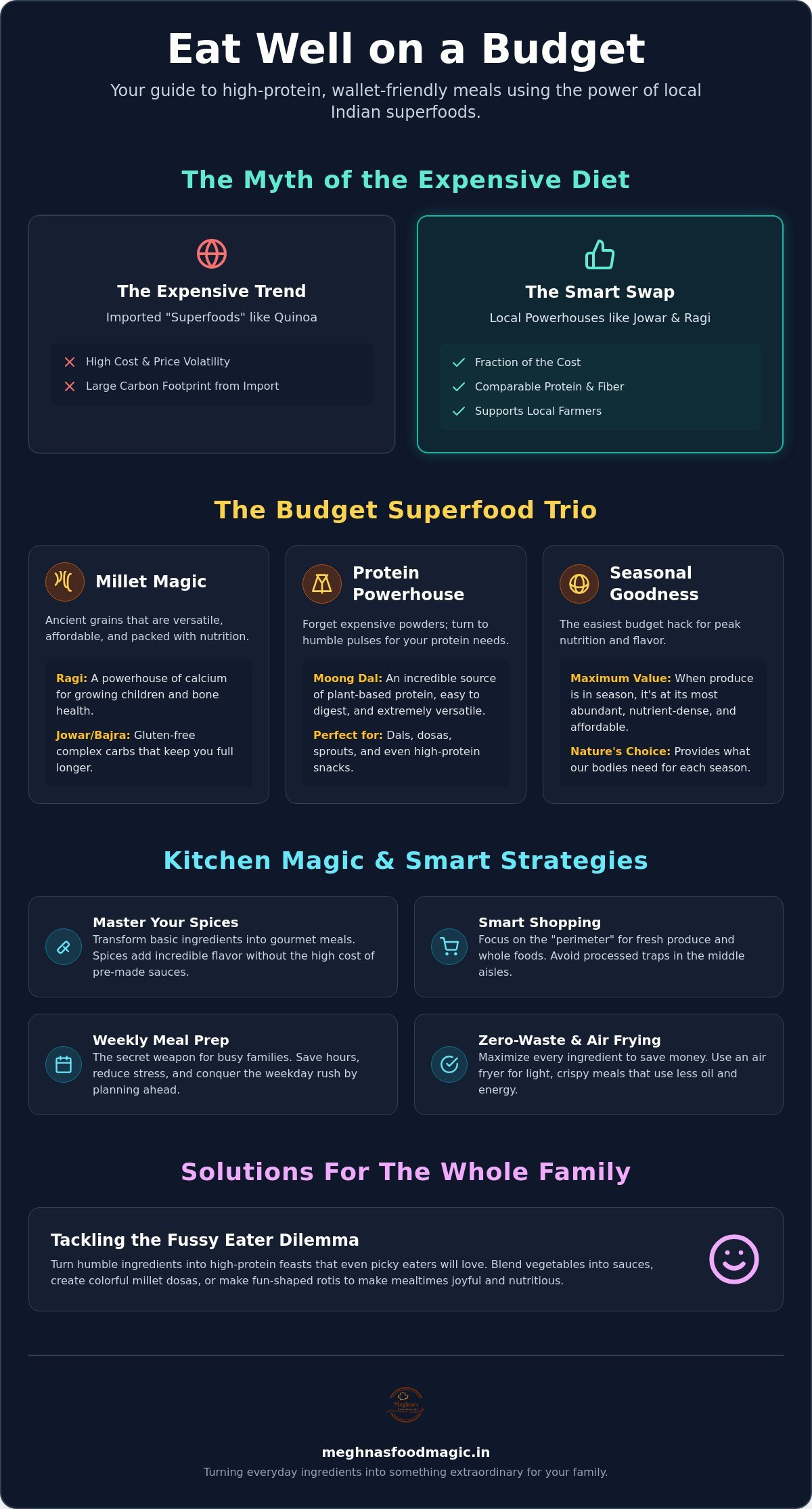
Have you ever stood in a grocery aisle, comparing a bag of imported quinoa to a humble sack of local Jowar, and felt that healthy eating was a luxury you couldn’t afford? It’s a common story, but one that’s ready for a rewrite. The truth is, eating a nutritious, vibrant diet in India isn’t about expensive, exotic ingredients; it’s about rediscovering the forgotten magic in our own pantries. The real cost isn’t in whole grains and fresh vegetables—it’s hidden in the processed, packaged “convenience” foods that promise to save time but often compromise our health and budgets.
This is where we introduce a new way of thinking: ‘Culinary Therapy.’ It’s the joyful process of cooking at home, transforming simple, local ingredients into meals that nourish your body and bring harmony to your finances. It’s about understanding that the greatest investment in your family’s well-being begins in your own kitchen.
Budget-friendly nutrition is the art of using whole, local ingredients creatively to unlock maximum flavor and health.
Breaking the ‘Healthy is Bland’ Barrier
Let’s tackle another myth: that healthy food is boring. This couldn’t be further from the truth, especially in an Indian kitchen! The secret weapon against blandness is our incredible array of spices. A pinch of turmeric, a dash of cumin, or a swirl of garam masala can transform the most basic lentils into a gourmet experience without adding a single extra rupee to your bill. It’s about celebrating wellness, making every meal feel like a special occasion. This isn’t a diet; it’s a lifestyle of abundance. And the most powerful secret? Consistency. Making home-cooked meals a regular part of your life is the ultimate financial and health investment you can make.
Smart Shopping Strategies for the Indian Kitchen
Becoming a savvy, budget-conscious cook starts before you even turn on the stove. It begins at the market. Embrace the strategy of “perimeter shopping”—start on the outer edges of the market where the fresh, whole foods like vegetables, fruits, and dairy are typically found. This helps you fill your cart with nutrient-dense items first, leaving less room for processed snacks.
- Embrace Seasonal Eating: The most powerful budget hack is buying produce that is currently in season. Not only is it fresher, more flavorful, and packed with nutrients, but it’s also significantly cheaper because it’s abundant.
- Master the Mandi: Your local vegetable market is your best friend. Build a relationship with vendors, learn to spot the freshest greens, and enjoy prices that supermarkets can rarely match.
- Avoid the ‘Health Halo’: Be wary of expensive packaged snacks labeled “diet,” “keto,” or “organic.” Often, these products carry a hefty price tag for minimal health benefits. A simple piece of fruit or a handful of roasted chana is a far healthier and more affordable choice.
The Budget Superfood Trio: Millets, Pulses, and Seasonal Greens
Forget the imported fads. The true superfoods for the Indian kitchen have been with us for centuries. This powerful trio—millets, pulses, and seasonal greens—forms the foundation of a diet that is incredibly high in nutrition but wonderfully light on your pocket.
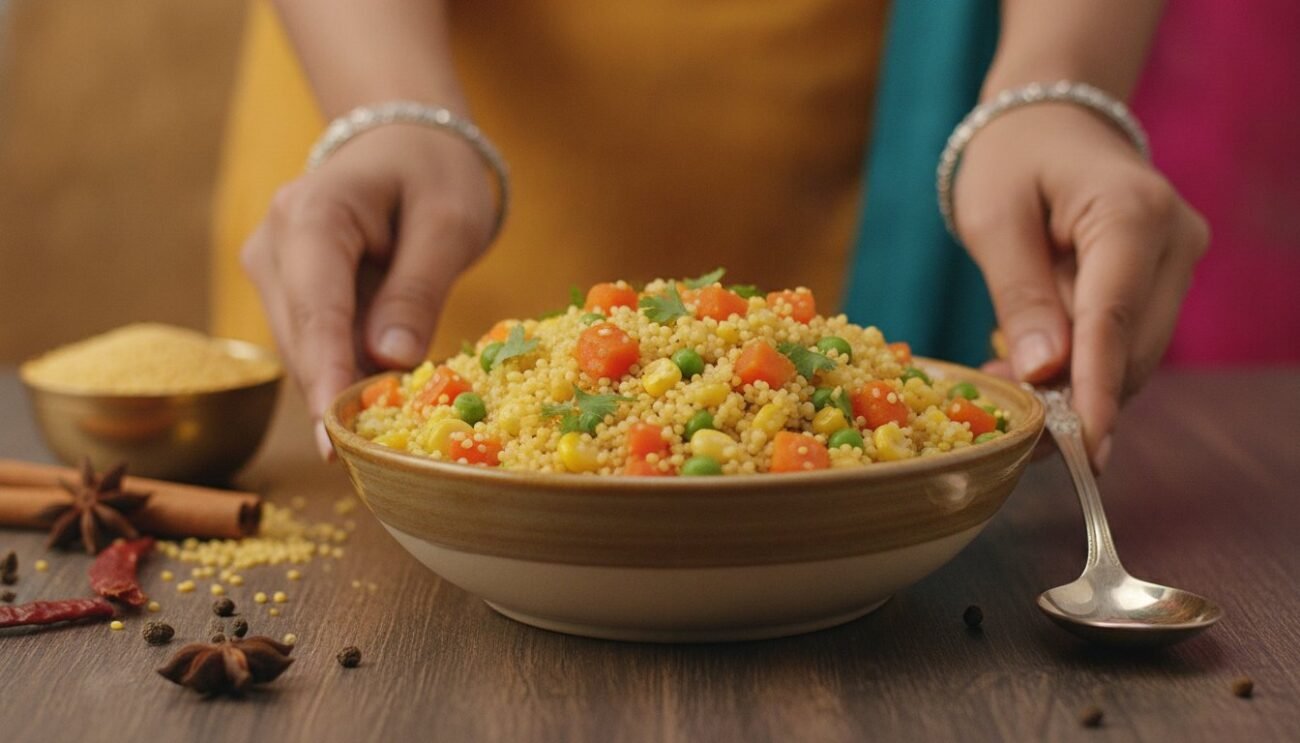
- Millets: Ancient grains like Ragi, Jowar, and Bajra are the nutritional powerhouses of India. They are gluten-free, rich in fiber, and packed with essential minerals. They are the forgotten gold of the Indian pantry.
- Moong Dal: This versatile, high-protein legume is a hero for anyone looking to manage their weight, build muscle, or simply enjoy a quick, satisfying meal. It’s easy to digest, cooks quickly, and is one of the most affordable protein sources available.
- Seasonal Greens: From spinach (palak) to fenugreek (methi) and amaranth (chaulai), local leafy vegetables are bursting with micronutrients, and they cost mere pennies. Incorporating them into your daily meals is the easiest way to boost your family’s vitamin and mineral intake.
Mastering the Millet Magic
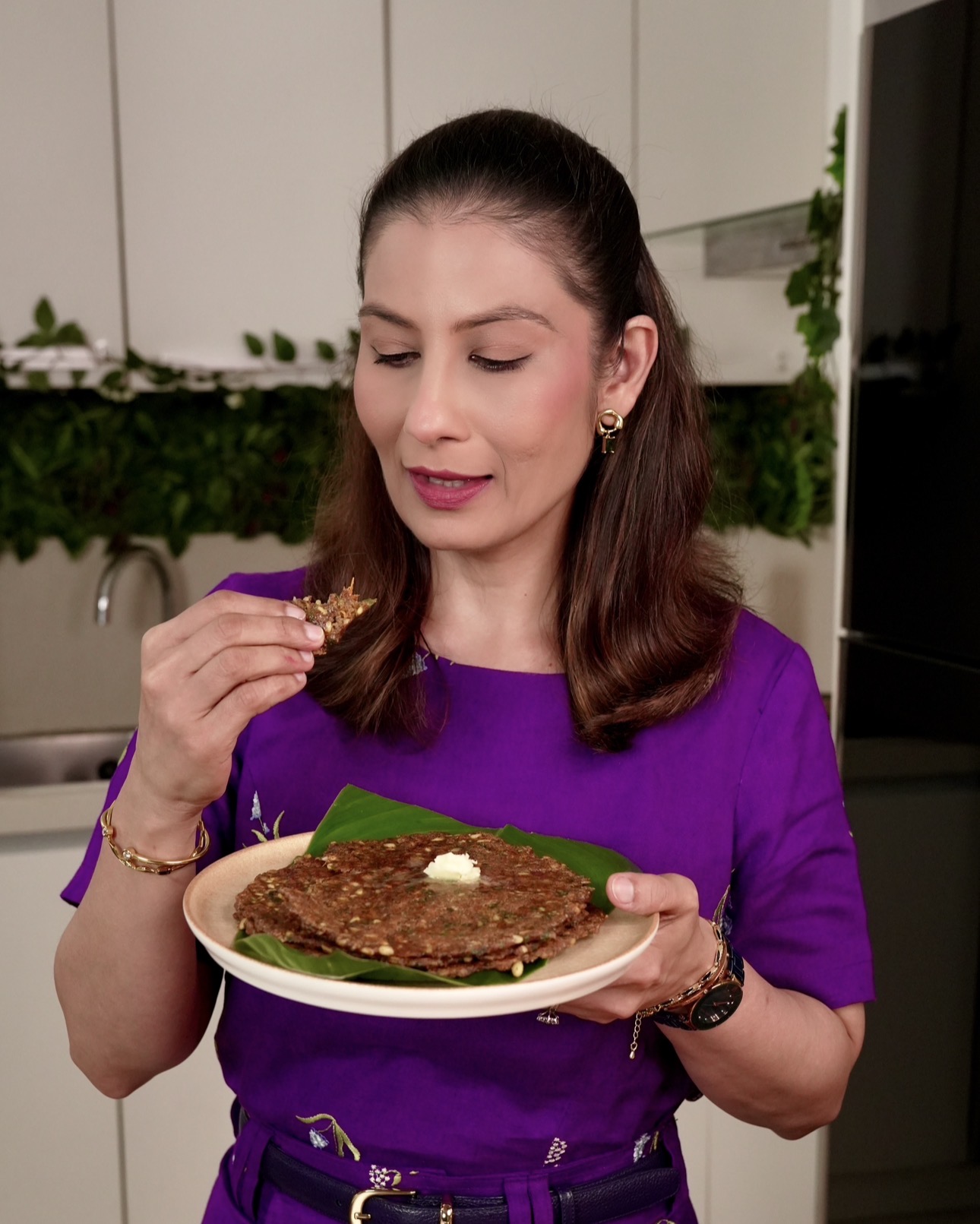
Millets are making a spectacular comeback, and for good reason. They are climate-smart crops that are not only good for the planet but also incredible for our health. Ragi is a fantastic source of calcium, perfect for making affordable and nourishing malt for kids or soft, earthy rotis. Jowar and Bajra provide a gluten-free foundation for rotis, cheelas, and upmas that keep you feeling full and energized for hours, preventing unhealthy snacking. Ready to see them in action? For incredible visual guidance and step-by-step instructions, explore the 30+ Millet Recipes By Meghna playlist on YouTube.
Protein on a Budget: Beyond Expensive Supplements
Worried about getting enough protein on a vegetarian diet without relying on costly powders and supplements? Your kitchen already holds the answer. The ‘Moong Miracle’ is real—this humble dal can be transformed into everything from savory chillas for breakfast to hearty, protein-packed dinners that are ready in minutes. Soya and paneer are other plant-based champions that offer a fantastic protein punch without straining your budget. To discover a world of delicious, high-protein meals designed to fuel your fitness goals, check out the Get Fit With Meghna series. For a deeper dive into the world of lentils, our Ultimate Guide to Indian Dal is the perfect resource to get you started.
Kitchen Magic: Maximizing Flavor and Nutrition with Zero Waste
A truly budget-friendly kitchen isn’t just about buying cheap ingredients; it’s about making the most of what you have. The right cooking technique can save money, preserve nutrients, and elevate flavor in surprising ways. It’s about being resourceful and creative, turning potential waste into wonderful, nutritious meals.
- Technique Over Ingredients: Simple methods like steaming, stir-frying, and pressure cooking help retain the maximum nutrients in your vegetables, unlike boiling where they can leach into the water.
- Air Fryer Artistry: This modern kitchen marvel allows you to achieve that crispy, “fried” texture everyone loves with a fraction of the oil, making your favorite snacks healthier and more economical.
- Zero-Waste Wonders: Don’t throw away those vegetable peels and stems! They are packed with flavor and nutrients. Simmer them to create a rich, homemade vegetable broth for soups and curries, or blend them into delicious chutneys and dips.
Air Fryer Secrets for Healthy Snacks
The air fryer has quickly become a budget-conscious cook’s best friend. By circulating hot air, it cooks food to crispy perfection using minimal oil, which means a single bottle of oil lasts much longer. It’s the secret to making quick, vegetable-loaded snacks that even the fussiest kids will devour. Think crispy bhindi, spicy sweet potato fries, or crunchy cauliflower bites. For a treasure trove of creative ideas, explore Meghna’s Air Fryer Recipes playlist on YouTube. And if you need inspiration for kid-approved treats, don’t miss our guide to 15+ Quick Air Fryer Snacks for Kids.
Guilt-Free Desserts for Less
Embracing a healthy lifestyle doesn’t mean giving up dessert. It simply means getting smarter about how we satisfy our sweet cravings. This is the heart of ‘Cake Therapy’—baking that nourishes the soul without compromising your well-being. By swapping refined sugar for natural sweeteners like dates and jaggery, you not only save money but also choose options that are gentler on your blood sugar. Whole wheat ‘Atta’ cakes offer dense nutrition and fiber, beautifully disguised as a celebratory treat. To learn more about this wholesome approach, explore our Ultimate Guide to Healthy Baking with Whole Wheat Flour. For a touch of mindful indulgence, check out the Cake Therapy Recipes and rediscover the joy of baking.
The Master Plan: Weekly Meal Prep for Busy Families and Picky Eaters
For busy families, especially working mothers, the key to staying on a healthy, budget-friendly track is planning. A little bit of prep work on a Sunday can completely transform your week, eliminating stress and the temptation to order expensive takeout. Batch cooking pulses and grains is the secret to whipping up 15-minute healthy meals on hectic weekdays. Cook a large pot of chana, rajma, or dal over the weekend, and you have the base for multiple meals. Similarly, pre-chopped vegetables and homemade ginger-garlic paste can cut your cooking time in half.
Tiffin transformations are another crucial part of the plan. Packing a nutritious lunch box that actually comes back empty is a huge win. By planning ahead, you can ensure your kids get a balanced meal that is both delicious and exciting, saving you money on store-bought snacks.
The 15-Minute Morning Win
Mornings can be chaotic, but your breakfast doesn’t have to be. With a little prep, you can create a healthy, protein-packed start to the day in just 15 minutes. Think of quick and easy options like Moong Dal Chilla, Millet Upma, or savory Oats. You can even prepare ‘Appe’ batter in advance and store it in the fridge for a few days. This versatile batter can be used to make quick, protein-rich snacks for breakfast or tiffins. This approach is central to our philosophy of Redefining Healthy Indian Cooking for the Modern Home, making it accessible and manageable for everyone.
Managing Fussy Eaters on a Budget
Getting kids to eat their vegetables is a universal challenge, but it doesn’t have to be a battle. The trick is to get creative! Finely grate carrots, zucchini, or beetroot and “hide” them in dishes they already love, like paratha dough, pav bhaji, or pasta sauce. Making food look vibrant and exciting also plays a huge role. Use colorful vegetables and present them in fun shapes. Texture is also key; sometimes kids reject a food not because of its taste, but its feel. Experiment with making crispy vegetable cutlets or smooth, creamy soups to make budget-friendly grains and veggies more appealing. For more brilliant strategies, the Fussy Eaters Playlist is packed with ideas to win over even the pickiest of eaters.
Join the Movement: Simplifying Your Journey with Meghna’s Food Magic
Feeling inspired? You don’t have to do this alone. The journey to a healthier, more affordable lifestyle is a path best walked with a community, and we’re here to guide you every step of the way. We believe in empowering you to become the expert mentor in your own kitchen, armed with the knowledge and inspiration to create food magic every single day.
The best place to start is by diving into our free digital recipe database, a treasure trove of endless budget-friendly inspiration. Whether you’re looking for specific calorie-conscious meals using the Weight Loss Recipe Search or just want to explore new ideas, it’s all there at your fingertips.
Your Digital Recipe Companion
Our website is designed to be your ultimate kitchen companion. You can easily navigate to specific categories to find exactly what you need. Looking for new ways to cook with millets? Simply search for Bajra Recipes. Need a high-protein dinner idea? Head straight to the Paneer Recipes section. Every recipe is crafted to be simple, delicious, and accessible, proving that you don’t need to be a professional chef to create extraordinary meals.
The Next Step in Your Wellness Journey
The most important step is the first one. Don’t feel like you need to change everything overnight. Start small. Commit to one ‘Millet Monday’ or a ‘Moong Friday’. Small, consistent changes are what lead to lasting transformation. As you begin your experiments, we invite you to share your creations and connect with a vibrant community of fellow home cooks on our Instagram community. Remember, your kitchen is not just a place to cook; it’s a space for joy, self-care, and a little bit of magic.
Frequently Asked Questions (FAQs)
Is it really cheaper to eat healthy than to buy processed food in India?
Absolutely. While some specialty health foods can be expensive, a diet based on local, seasonal vegetables, whole grains like millets, and pulses like dal is significantly more cost-effective than a diet reliant on packaged meals, sugary snacks, and processed foods. The long-term savings on healthcare costs are an added bonus!
Which millets are the most budget-friendly for beginners?
Jowar (sorghum), Bajra (pearl millet), and Ragi (finger millet) are excellent starting points. They are widely available across India, very affordable, and versatile enough to be used in everything from rotis and porridges to dosas and baked goods.
How can I increase protein intake on a vegetarian diet without expensive supplements?
Focus on incorporating pulses and legumes into every meal. Moong dal, chickpeas (chana), kidney beans (rajma), and lentils are fantastic sources. Other budget-friendly options include soya chunks, tofu, paneer, and Greek yogurt (if you consume dairy).
What are some quick 15-minute healthy tiffin ideas for kids?
Vegetable idlis, moong dal chilla rolls, millet upma, paneer-stuffed parathas (with pre-made dough), and fruit and nut energy balls are all quick, nutritious options that can be prepared in 15 minutes, especially if you’ve done some basic meal prep.
Can I really bake healthy cakes on a budget?
Yes! The key is to use whole wheat flour (atta) instead of refined flour (maida) and natural sweeteners like jaggery, dates, or mashed bananas instead of refined sugar. These ingredients are often cheaper and add far more nutritional value to your bakes.
How do I start meal prepping for an Indian kitchen?
Start simple. On a Sunday, you can: 1) Make a large batch of ginger-garlic-chili paste. 2) Chop and store vegetables like onions, carrots, and beans. 3) Boil a few types of pulses like chana or rajma. 4) Knead roti dough for the next 1-2 days. This alone will drastically cut down your daily cooking time.
Are air fryers worth the investment for a budget-conscious family?
An air fryer can be a great investment. While there is an upfront cost, the significant reduction in oil consumption can lead to long-term savings on your grocery bill. It also helps you make healthier versions of your family’s favorite fried snacks at home, reducing spending on unhealthy outside food.
What is the best way to store bulk-bought grains like Jowar and Bajra?
To keep them fresh and free from pests, store whole grains in airtight containers in a cool, dark, and dry place. For extra protection, you can add a few dried bay leaves or dried red chilies to the container, which act as natural pest repellents.
Disclaimer
This is a recipe food blog page and not nutrition or doctor and hence do not claim to cure any illness. If you have specific health issues please consult a qualified doctor or certified nutritionist.
I do consult experts, research Internet and at times seek help from Gemini to collect relevant information to put together some of these blogs.

