
Healthy Ragi Recipes for Babies: A Gentle, Practical Guide
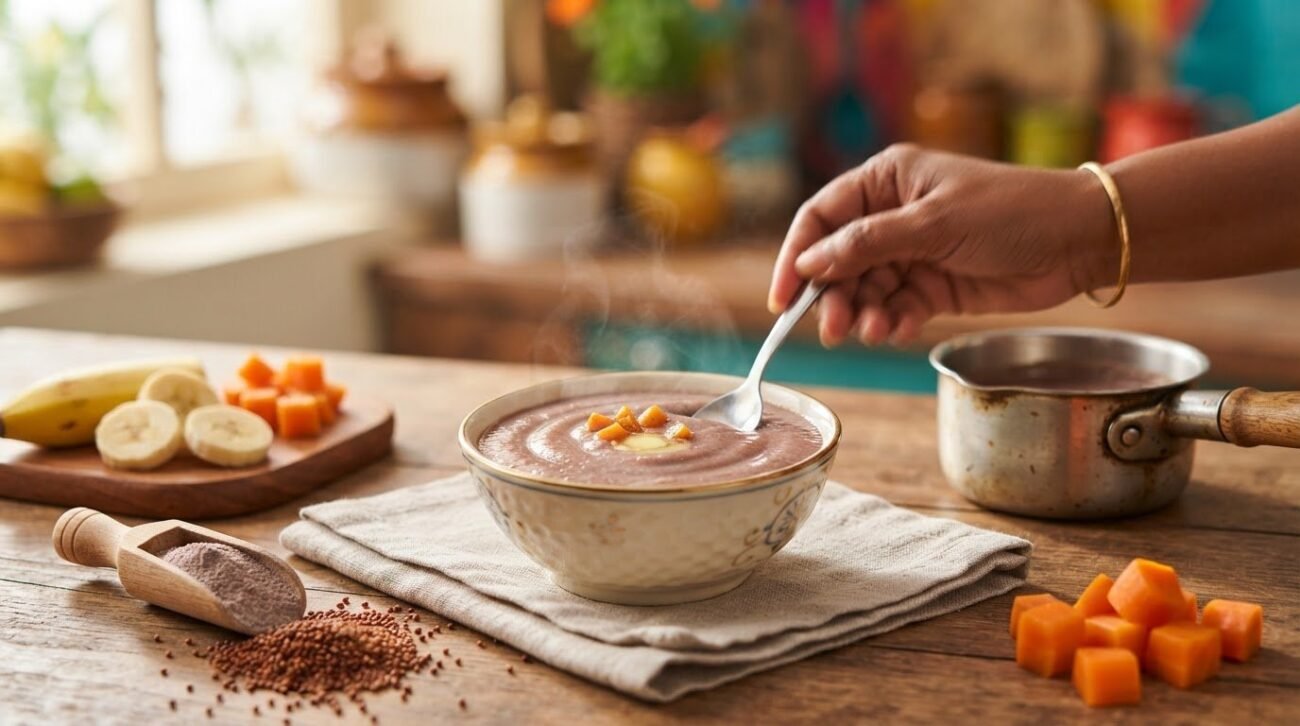
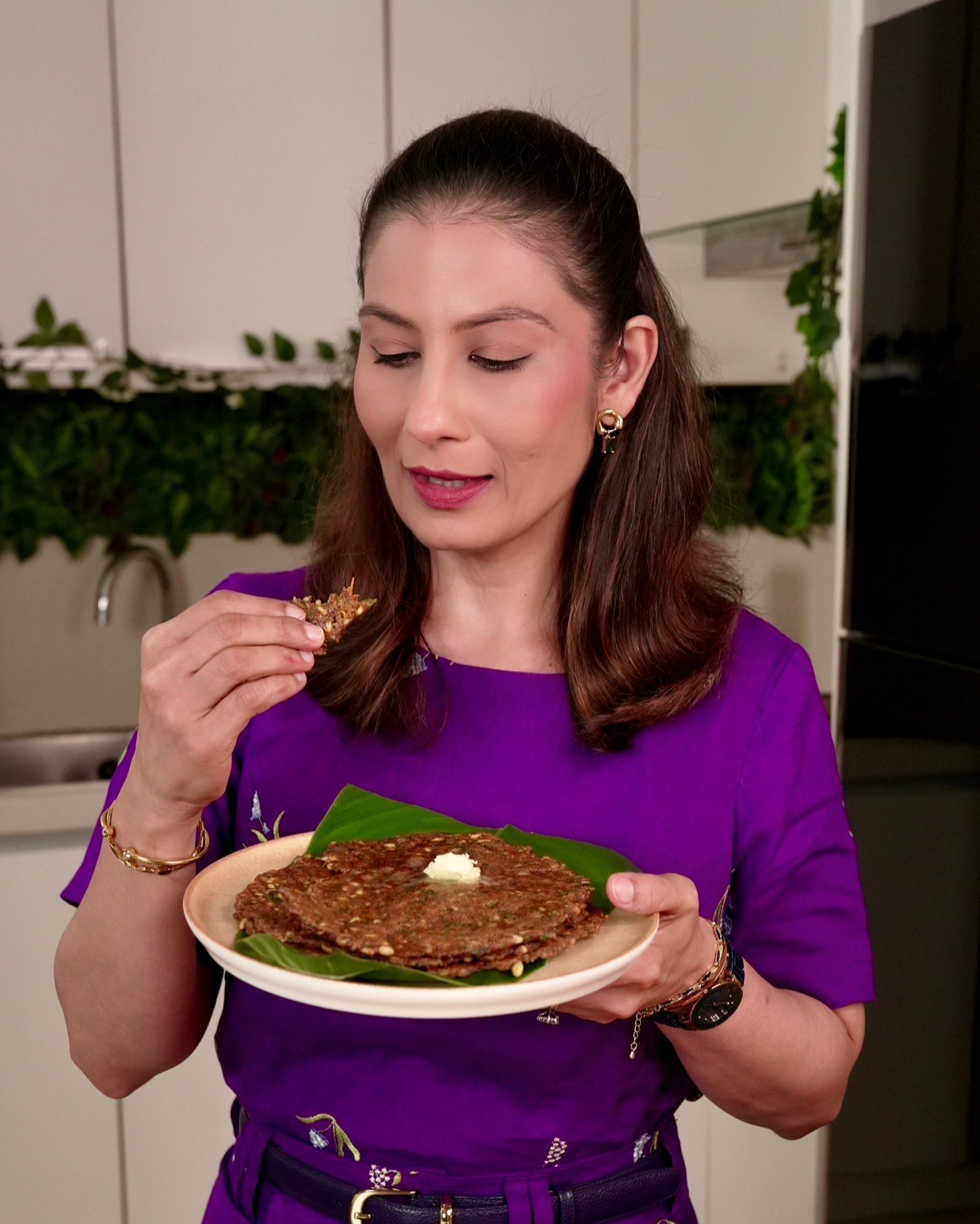
What makes a baby-friendly ragi bowl work is not a special ingredient, but getting readiness, texture, and cooking method right. If you’re unsure when to introduce ragi or how to prevent lumps, you’re not alone. Healthy ragi recipes for babies can be simple to prepare, but a smooth spoonful starts with age-appropriate feeding and careful cooking.
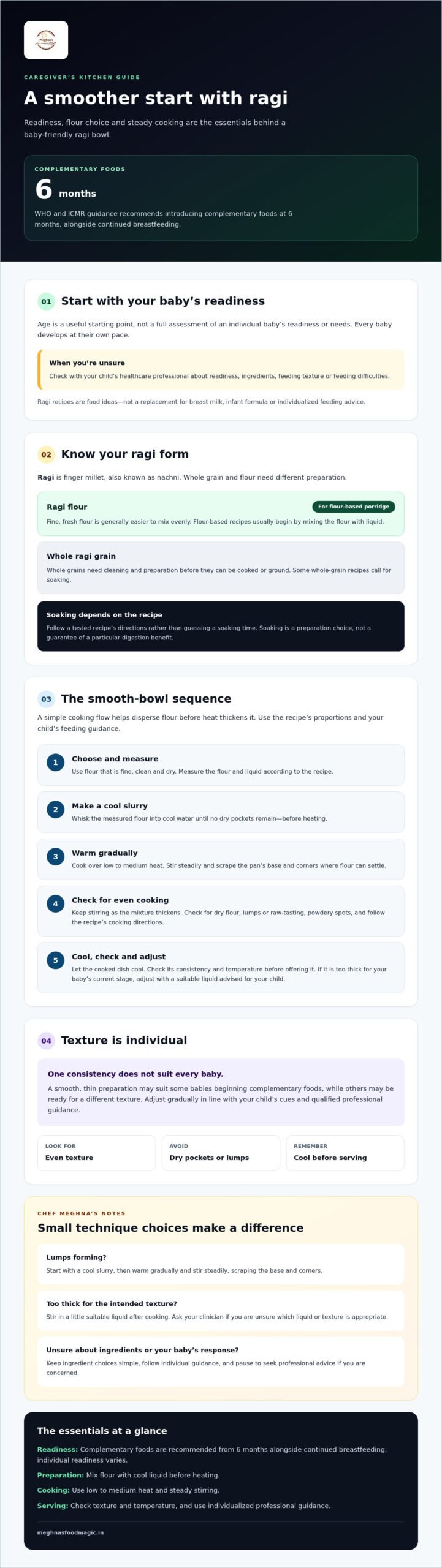
WHO and ICMR guidance recommends introducing complementary foods at 6 months, alongside continued breastfeeding. Every baby develops at their own pace, so check with your child’s healthcare professional if you’re uncertain about readiness, ingredients, or feeding texture.
This guide covers practical steps for choosing flour, mixing and cooking it smoothly, and adjusting texture as your baby grows. It also includes measured recipe ideas, kitchen-safety reminders, and signs to pause and seek individual advice. Use the cooking instructions as a starting point, then follow your child’s cues and professional guidance.
Key Takeaways
- Learn what ragi is and how the grain differs from the flour used to make baby-friendly dishes.
- See how flour choice, gradual mixing, and steady stirring can help create a smoother texture.
- Explore three measured, adaptable healthy ragi recipes for babies. The quantities are for cooking, not a prescribed amount for your baby to eat.
- Find practical ways to adjust thickness while keeping your baby’s readiness and individual guidance in mind.
- Use Chef Meghna’s troubleshooting tips to simplify preparation, and know when to pause and seek professional advice.
Healthy Ragi Recipes for Babies: What Caregivers Should Know First
Ragi can add variety without requiring a complicated kitchen routine. But a baby-friendly dish depends on more than the grain itself. Readiness, texture, thorough cooking, and your child’s individual needs all matter.
Ragi is the Indian name for finger millet, a cereal grain also known as nachni. Whole grains and ragi flour need different preparation: whole grains need cleaning and preparation before they can be cooked or ground, while flour is already milled. For a smooth porridge, fine, fresh flour is generally easier to mix evenly. Learn more about the grain in this overview of Finger millet (Eleusine coracana).
When might ragi fit into complementary feeding?
WHO and ICMR guidance recommends starting complementary foods at 6 months, while continuing breastfeeding. Age is a useful starting point, not a full assessment of an individual baby’s readiness or needs. Check current guidance from authoritative health sources, and talk with your child’s clinician if you have questions about when to begin, which foods to offer, or how to respond to feeding difficulties. Ragi recipes are food ideas, not a replacement for breast milk, infant formula, or individualized feeding advice.
What makes a ragi recipe baby-friendly?
Start with a thoroughly cooked dish and a texture suited to your child’s current feeding stage. A smooth, thin preparation may suit some babies beginning complementary foods, while others may be ready for a different texture. Don’t assume one consistency works for every baby. Adjust gradually in line with your child’s cues and guidance from a qualified professional.
Fine flour can help, but technique matters too. Stir it into cool liquid first so it disperses before the mixture heats and thickens. Keep stirring during cooking to help it thicken evenly. Check the finished dish for dry pockets or lumps, and allow it to cool to a suitable temperature before serving.
Recipe labels such as “for babies from a certain age,” along with claims about allergens or specific nutritional effects, need reliable sourcing and shouldn’t be treated as universal advice. Keep ingredient choices simple, introduce foods in a way that reflects your clinician’s guidance, and pause to seek individual advice if you’re concerned about your child’s response.
How to Prepare Ragi for Babies: Flour, Soaking, and Smooth Texture
A smooth ragi dish starts before the pan goes on the stove. Choose flour that feels fine and free-flowing, check that it’s clean and dry, then measure the flour and liquid according to your recipe. Fine flour disperses more readily than coarse meal, which can help reduce gritty patches and makes the final texture easier to control.
Should caregivers soak ragi before cooking?
It depends on the form of ragi. Flour-based recipes generally begin by mixing the flour with liquid, so soaking isn’t automatically needed. Whole-grain recipes may call for soaking as part of preparation, but the right duration depends on the recipe and how the grain will be cooked. Follow a tested recipe’s directions rather than guessing a soaking time. Soaking is a preparation choice, not a guarantee of a particular digestion benefit.
How can you cook ragi to a smooth consistency?
For a flour-based porridge, use this sequence as a starting point, then follow the recipe’s proportions and your child’s feeding guidance:
- Make a cool slurry: Whisk the measured ragi flour into cool water until no dry pockets remain. Starting cool gives the flour time to disperse before heat thickens it.
- Warm it gradually: Set the pan over low to medium heat and stir steadily, scraping the base and corners where flour can settle.
- Watch the texture: As it cooks, the mixture should thicken evenly, with no visible dry flour or raw-tasting, powdery spots. Follow the recipe’s cooking directions rather than relying on an unverified time alone.
- Adjust after cooking: If it’s thicker than suits your baby’s current stage, stir in a little suitable liquid until it reaches the consistency advised for your child. If you’re unsure which liquid or texture to use, ask your clinician.
Keep stirring as the mixture thickens. Ragi can turn from fluid to paste-like quickly, and steady movement helps prevent lumps from forming at the bottom of the pan. Let the cooked dish cool, then check its consistency and temperature before offering it. Treat the recipe texture as a starting point, not a target every baby must manage.
These steps can make healthy ragi recipes for babies easier to prepare. For more ragi cooking inspiration, explore Meghna’s recipe videos, and use your child’s individual feeding guidance when adapting any dish.
Three Healthy Ragi Recipes for Babies with Measured Ingredients
These three small-batch recipes use measured ingredients to make preparation clear, not to prescribe how much a baby should eat. Follow your child’s feeding guidance, and consider each ingredient in light of your baby’s previous food experience. Keep optional additions separate so you can prepare a simple base and adapt it thoughtfully.
1. Plain smooth ragi porridge
Ingredients:
- 1 tablespoon ragi flour
- 1/2 cup water
Method: Whisk the ragi flour into the cool water in a small pan until smooth, with no dry pockets. Set the pan over low to medium heat and stir steadily, scraping the base and sides as the mixture thickens. Cook until it’s evenly thickened and no raw, powdery flour remains. Check for lumps, then let it cool and assess the texture before serving. If considering a suitable milk addition, follow guidance from your child’s clinician and handle it as advised.
2. Ragi and ripe banana porridge
Ingredients:
- 1 tablespoon ragi flour
- 1/2 cup water
- 2 tablespoons mashed ripe banana
Method: First cook the ragi flour and water as described for the plain porridge, stirring until smooth and thoroughly cooked. Remove the pan from the heat, then mix in the mashed banana. Mash or blend the mixture until it’s even, checking that no lumps or firm pieces remain. Banana is optional. Consider your baby’s previous experience with it and any individualized guidance before adding it.
3. Ragi and cooked apple purée
Ingredients:
- 1 tablespoon ragi flour
- 1/2 cup water
- 2 tablespoons cooked apple purée
Method: Whisk the flour into cool water and cook over low to medium heat, stirring until the base thickens evenly and is fully cooked. Use apple that has been cooked until completely soft, then puréed smooth. Stir the measured purée into the ragi base and check the finished texture carefully. If it’s too thick for your child’s current stage, adjust with a little suitable liquid in line with caregiver or clinician guidance. Don’t add sugar or salt.
With these healthy ragi recipes for babies, focus on cooking cues and texture checks rather than a fixed serving amount. Introduce optional ingredients cautiously and follow individualized advice about what’s suitable for your child.
Ragi for Babies: Texture, Ingredient Choices, and Common Questions
There isn’t one perfect ragi consistency for every baby. Readiness and feeding skills differ, so treat a recipe as a starting point, not a rule. Adjust thickness gradually to match your child’s established feeding stage and the advice you’ve received. If feeding causes concern or you’re unsure which texture is appropriate, pause and speak with your child’s clinician rather than trying to push through.
How should caregivers adapt ragi texture?
Begin with a thoroughly cooked, smooth dish if that matches your child’s current guidance. If you need to thin it, add a little suitable liquid, stir well, and reassess before serving. Change consistency in small steps instead of making a sudden shift. Babies’ responses vary, so don’t assume a texture is right based on age alone or interpret every feeding reaction without professional guidance.
What can caregivers do when a ragi dish turns lumpy?
Pre-mix flour with cool liquid before heating so the particles can disperse before the mixture thickens. Whisk steadily as it cooks, paying attention to the pan’s base and corners where flour can collect. If lumps remain, whisk again or use a strainer only if it suits the recipe and doesn’t leave unwanted pieces behind. Thin a thick dish gradually with an appropriate liquid, then check the texture again. Let the baby set the pace. Don’t force-feed or treat a recipe quantity as a required portion.
Which ingredient and storage advice needs extra care?
Keep the base simple, and treat additions such as fruit or milk as optional ingredients, not requirements. Before introducing an ingredient, check authoritative pediatric guidance about allergen introduction and suitability for your child. Avoid using sugar or salt as routine fixes for flavour. Claims about serving age, choking hazards, allergies, and ingredient safety should be verified against reliable guidance before publication, since a general recipe cannot account for every child.
Storage and reheating instructions depend on the ingredients and how the dish was prepared. Follow verified guidance for the specific recipe, and don’t rely on a general rule if you’re uncertain. If your child has a medical or feeding concern, ask their clinician for individualized advice.
With healthy ragi recipes for babies, a simple ingredient list and careful texture checks can make cooking feel more manageable. Let your child’s cues guide how the meal is offered.
Chef Meghna’s Notes: Make Ragi Recipes Easier and More Enjoyable
Ragi rewards a little attention at the mixing stage. A smooth base is easier to adjust than one that has already thickened unevenly, so whisk the flour into cool liquid before heating. Keep stirring as it cooks, especially across the bottom and corners of the pan. These habits make healthy ragi recipes for babies easier to prepare consistently, without turning a simple meal into a complicated project.
Chef Meghna’s Notes for better ragi texture
- Rescue a thick porridge gradually. Stir in a little suitable liquid at a time, mixing fully before deciding whether to add more. This lets you control the consistency instead of making it suddenly runny.
- Check before serving. Taste the cooked base yourself to check that it’s fully cooked, then inspect it for lumps and assess the texture and temperature. Follow your child’s established feeding guidance. A recipe’s consistency isn’t right for every baby.
- Keep flavour simple. Fruit can be an optional addition if it’s suitable for your individual baby. Sweeteners aren’t needed as a routine fix. If the flavour or texture concerns you, ask your child’s clinician rather than making assumptions about what to add.
Simple substitutions and next steps for caregivers
Think of the plain ragi base as the essential recipe and fruit as an optional variation. Use only ingredients that fit your child’s previous food experience and any individualized advice you’ve received. If a substitution changes the texture, mix it in thoroughly and check the finished dish again. Don’t assume an ingredient is appropriate simply because it appears in a baby recipe.
A short kitchen note can make your next preparation easier: jot down the flour used, any optional ingredients, the texture your child managed comfortably, and questions to raise with a clinician. This isn’t a feeding plan. It’s a practical record of what you’ve tried, so you don’t have to rely on memory.
For more ideas, browse the ragi recipe collection. If you’d like to explore beyond ragi, the 30-plus millet recipe playlist offers broader cooking inspiration. Keep your child’s cues at the centre, and lean on trusted professional guidance whenever feeding questions come up.
Cook Ragi with Confidence, One Gentle Step at a Time
Ragi cooking can feel more manageable when you start with the basics: choose suitable flour, mix it smoothly before heating, and cook while stirring until the porridge thickens evenly. The three measured recipes offer simple starting points, not set portions or a one-texture-fits-all answer.
For healthy ragi recipes for babies, keep your child’s readiness and feeding cues at the centre. Adapt texture gradually, treat fruit as optional, and check with your child’s clinician if you’re unsure about ingredients or feeding needs. A few notes about what you’ve tried and how your baby responded can make future cooking feel less like guesswork.
Meghna’s Food Magic offers a free digital recipe database featuring ragi and other millet recipes, along with recipe videos to inspire your kitchen routine.
Start with a simple preparation, follow trusted guidance, and let each meal be a gentle opportunity to learn what works for your family.
Frequently Asked Questions
At what age can babies have ragi?
WHO and ICMR guidance recommends introducing complementary foods at 6 months, alongside continued breastfeeding. Ragi may be one option, but a recipe alone can’t determine whether it’s suitable for a particular baby. Texture should match the child’s feeding stage, and individual readiness can vary. Ask your child’s clinician when to introduce ragi, especially if you have concerns about feeding, growth, allergies, or a medical condition.
Is ragi porridge healthy for babies?
Ragi porridge can be one food within an age-appropriate, varied feeding pattern, but it isn’t a complete food or a promise of a health outcome. Whether it suits your baby depends on readiness, preparation, texture, ingredients, and individual needs. Choose a thoroughly cooked preparation that fits your child’s feeding guidance. For nutrition questions or advice tailored to your baby, speak with their clinician and consult reliable nutrition information.
How do I make ragi porridge smooth for a baby?
Whisk ragi flour into cool water first, until no dry clumps remain, then heat it while stirring steadily. Continue cooking until the mixture is thoroughly cooked and evenly thickened. If it needs thinning, add a little suitable liquid at a time, mix well, and check again. Make sure the finished texture suits your baby’s current feeding stage. One consistency won’t suit every baby, so follow your clinician’s advice if you’re unsure.
Should I soak ragi before making baby food?
Soaking depends on the form of ragi and the recipe. A flour-based porridge usually starts by mixing flour with liquid, while a recipe made with whole ragi grains may call for soaking. It isn’t always required, and soaking shouldn’t be presented as a guarantee of better digestion. Follow a tested recipe for any stated soaking duration, and check with your child’s clinician if an individual feeding concern affects preparation.
Can I add banana or apple to ragi porridge for my baby?
Banana or fully softened, smooth cooked apple can be optional additions, as in the measured recipes in this guide. Whether to offer either depends on your baby’s previous food experience and individual needs. Introduce ingredients thoughtfully, and check authoritative pediatric guidance if you have questions about allergens or suitability. If you’re uncertain, ask your child’s clinician before adding a new ingredient rather than assuming every recipe variation is right for every baby.
Can I prepare ragi porridge ahead of time for my baby?
Whether ragi porridge can be stored or reheated safely depends on its ingredients, preparation, storage conditions, and reheating method. Don’t rely on a general storage duration unless it has been verified for that specific recipe through authoritative food-safety guidance. If you’re uncertain about how a portion was handled, don’t serve it. Ask a qualified professional for advice about safe handling, or prepare a fresh portion instead.
Should I add sugar or salt to ragi recipes for babies?
These recipes don’t need sugar or salt as routine flavour fixes. Keep the ingredient list simple, and consider optional fruit only if it’s suitable for your baby. Feeding recommendations can vary with age and individual circumstances, so check authoritative pediatric guidance for specific advice. If your child refuses a food, don’t pressure-feed. Follow their cues and seek professional guidance if concerns about feeding persist.
Disclaimer
This is a recipe food blog page and not nutrition or doctor and hence do not claim to cure any illness. If you have specific health issues please consult a qualified doctor or certified nutritionist.
I do consult experts, research Internet and at times seek help from Gemini to collect relevant information to put together some of these blogs.

