
Quick South Indian Breakfast Recipes: 15-Minute Morning Magic
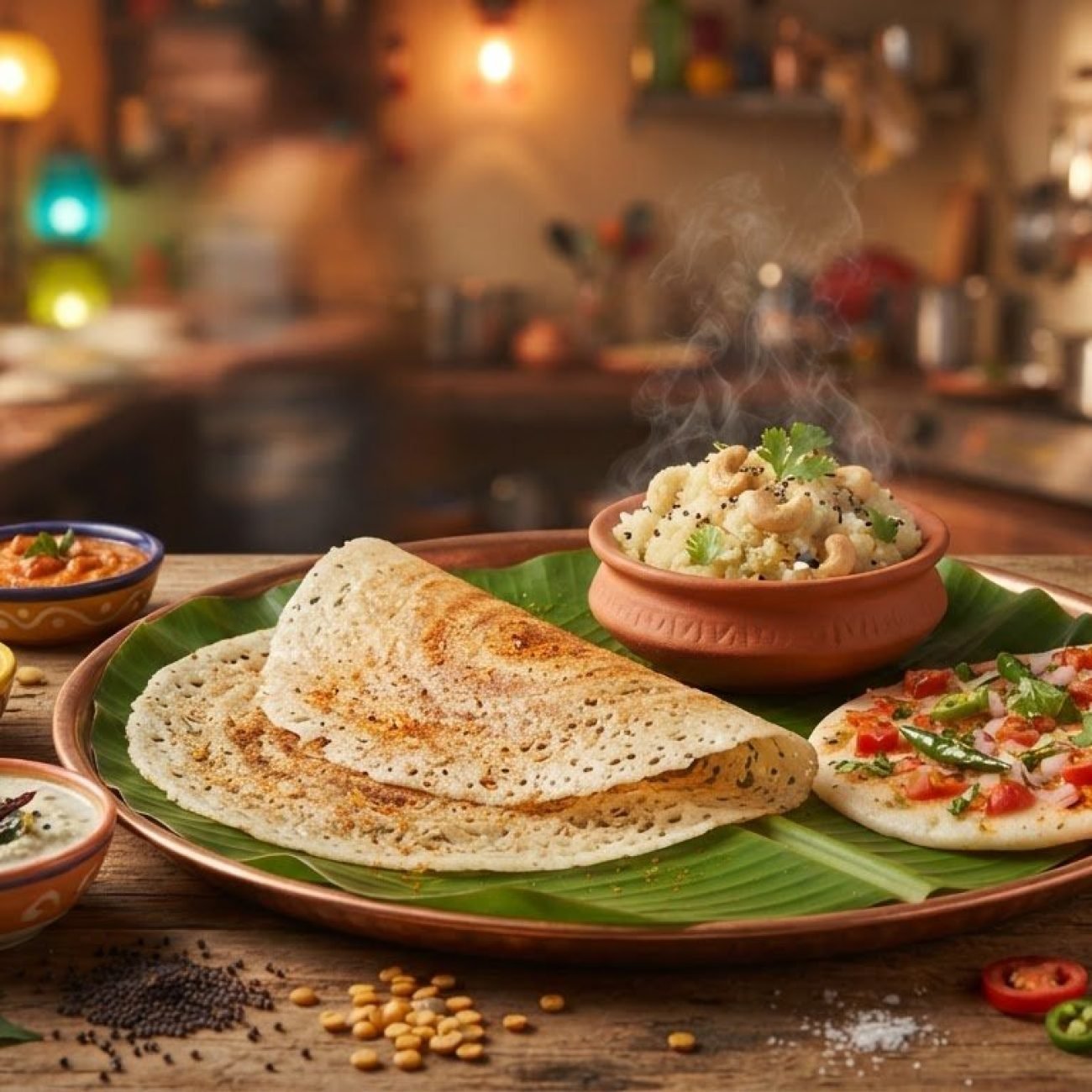
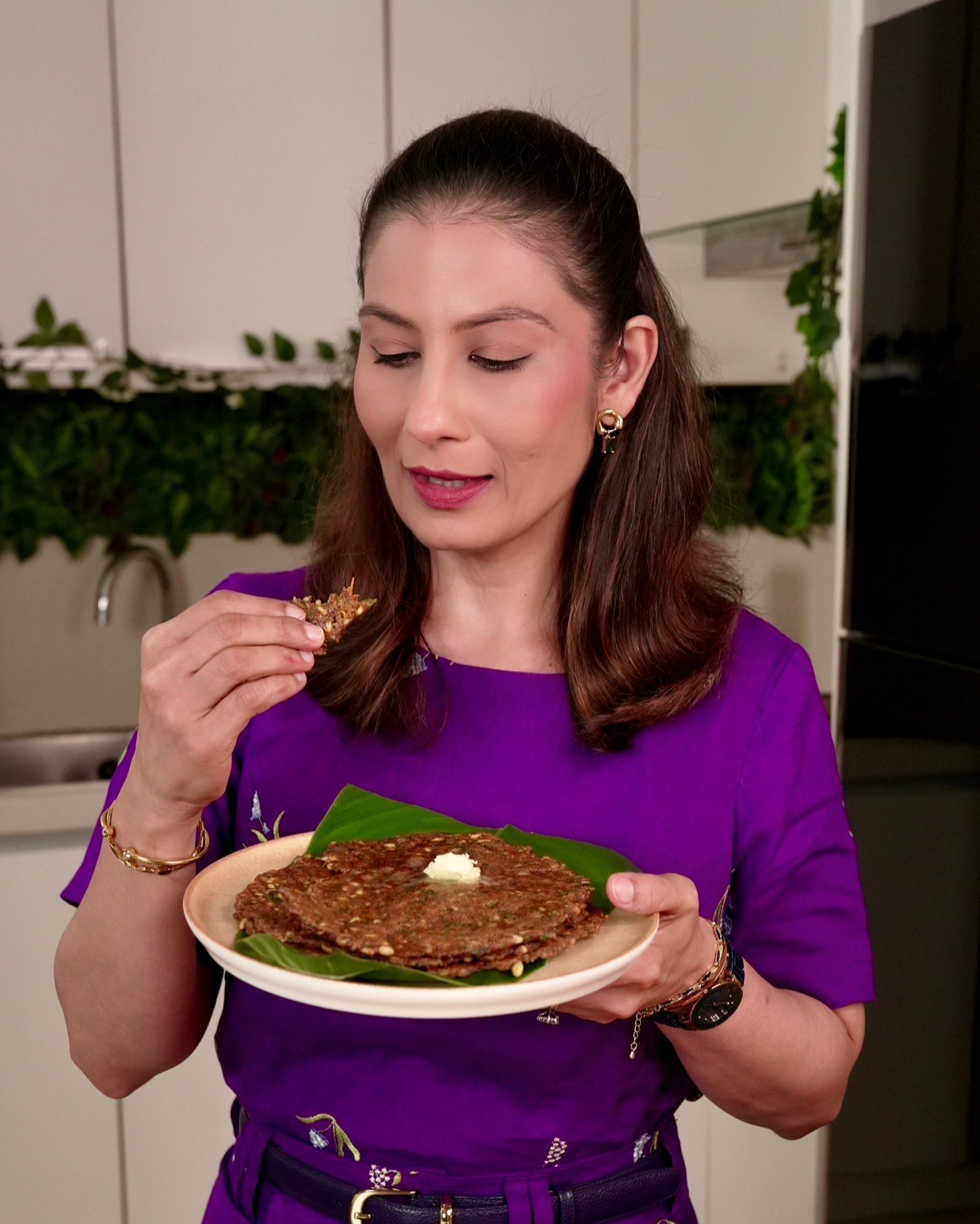
What if the secret to crisp, restaurant-style dosas has nothing to do with overnight fermentation? Most home cooks believe that crafting an authentic morning spread requires a 16-hour wait or flat-tasting boxed mixes from the grocery shelf. Yet, the real magic of genuine South Indian cuisine lives in rapid tempering science and smart grain hydration. You don’t need hours of planning to enjoy flavorful, wholesome meals, because mastering a few chef-tested quick south indian breakfast recipes lets you bring steaming perfection to your table in under twenty minutes.
We all know the sting of weekday mornings when the alarm goes off, schedules collide, and the thought of standing over a complicated stove feels impossible. That is why this guide hands you complete morning freedom. You’ll master fast, wholesome breakfasts using zero-fermentation batters, foolproof pantry shortcuts, and the exact science behind instant crispness. Ahead, discover three chef-tested recipes that transform everyday semolina, rice flour, and oats into vibrant, 15-minute weekday feasts.
Key Takeaways
- Unlock the food science behind instant batter aeration using curd and leavening agents to bypass hours of traditional fermentation.
- Master three chef-tested quick south indian breakfast recipes featuring exact ratios for restaurant-style lacy rava dosas, fluffy upma, and savory uttapams.
- Discover the secret to lump-free texture by learning why boiling water and proper grain resting times are crucial for semolina.
- Set up an efficient morning pantry system with pre-roasted staples and streamlined spice caddies to eliminate kitchen chaos.
- Pair your warm morning creations with fresh, blender-ready coconut chutneys and sizzling micro-tempering in under five minutes.
Why Quick South Indian Breakfasts Are Perfect for Busy Mornings
Morning chaos is real. Between rushing to start the workday and packing tiffins, standing over a stove for an hour simply isn’t an option. While classic dishes in traditional South Indian cuisine often depend on a 16-hour cycle of soaking, grinding, and fermenting, your weekday mornings shouldn’t grind to a halt just because your batter bowl is empty. Smart culinary shortcuts give you the exact same airy crumb, crisp edges, and soul-satisfying warmth in a fraction of the time.
Reliable quick south indian breakfast recipes rely on efficient kitchen techniques rather than tedious advance preparation. A simple sizzling tempering of crackling brown mustard seeds, fresh curry leaves, and a pinch of asafoetida unlocks explosive aromatics within forty seconds. When paired with quick-steaming plates or rapid stovetop griddles, these morning staples require virtually zero active supervision, freeing you to pack lunch or enjoy your first cup of filter coffee peacefully.
The Science of Instant Morning Batters
How do we skip overnight fermentation without losing that iconic tangy lift? The secret lies in simple food chemistry. Whisking moderately sour curd (dahi) into fine semolina instantly introduces the natural lactic acid typically developed during overnight wild fermentation. Adding a pinch of baking soda right before cooking triggers an immediate chemical reaction, liberating thousands of microscopic carbon dioxide bubbles throughout the mixture. Letting this blend rest for just ten minutes allows the semolina starch granules to hydrate fully, creating an elastic, uniform batter that browns evenly. For step-by-step visual techniques, explore creative stovetop wonders on the Meghna’s Food Magic YouTube Channel today.
Nutritional Balance Without the Heavy Digestion
A sluggish morning ruins productivity. Heavy, oily plates drag you down, but these fast-steamed and lightly griddled staples keep your energy steady through noon. Here is why this style of cooking fuels you so efficiently:
- Clean, digestible energy: Steaming semolina or roasted grain batters preserves moisture while ensuring starches break down smoothly in the stomach.
- Complete plant proteins: Tossing split urad dal and chana dal into your hot oil infuses crisp texture alongside essential amino acids.
- Sustained satiety: A teaspoon of cold-pressed coconut oil or unrefined sesame oil delivers healthy medium-chain fats, optimizing the absorption of fat-soluble vitamins from ginger and green chilies.
You get complete, restorative fuel without the post-meal slump. Embracing these rapid, wholesome formulas turns chaotic dawn rushes into moments of genuine everyday celebration.
Essential Morning Pantry Staples for Instant South Indian Cooking
A clutter-free spice box transforms dawn scrambles into smooth culinary flow. When your ingredients sit organized and prepped, whipping up authentic dishes takes no more effort than boiling tea. Keeping pre-roasted semolina (suji) sealed in airtight glass jars protects against humidity and slashes weekday cooking times in half. The real foundation of great coastal flavor, though, rests in your spice drawer: fresh sprigs of curry leaves, minced ginger, and the exact physical science behind your tempering pan.
The Anatomy of the Perfect South Indian Tadka
Timing determines whether your breakfast tastes bitter or brightly aromatic. Professional cooks never dump whole spices into warm fat simultaneously; each ingredient demands a specific thermal threshold. Follow this exact sequence:
- Wait for shimmering oil: Heat coconut or peanut oil until hot before dropping black mustard seeds. Full popping ruptures the tough seed coat, neutralizing bitterness and dispersing volatile oils.
- Introduce the dals: Add split urad dal and chana dal once the seeds burst. Fry them over medium flame until pale gold. This step toasts their nutty starches and infuses the fat with warm, biscuity notes.
- Finish with aromatics: Lower the flame before tossing in fresh curry leaves, chopped green chilies, and a generous pinch of asafoetida (hing). These delicate elements cook in barely five seconds, keeping their bright herbal profiles intact without scorching.
Smart Flours and Grains for 10-Minute Cooking
Crafting delicious quick south indian breakfast recipes without long soaking periods requires selecting the right base grains. Coarse semolina works best for savory porridge styles, producing distinct, fluffy grains that never turn sticky. Meanwhile, fine rice flour creates delicate, lacy crepes instantly without needing urad dal paste. Stocking roasted chana dal (dalia) lets you grind fresh, nutty chutney powders in seconds using a compact coffee grinder. If you’re looking to expand your whole-grain repertoire, a reliable millet idli recipe without rice is an excellent way to introduce ancient grains into your morning rotation without sacrificing softness or flavor.
Balancing these everyday staples also supports sustained vitality. Clinical evaluations on the glycemic profile of South Indian breakfast foods show that pairing complex grains with protein-rich lentils and tempering fats tempers glucose spikes during early morning hours. If you want to see these rapid ingredients come together in real time, check out simple visual techniques on the Meghna’s Food Magic YouTube Channel before stepping into the kitchen.

3 Quick South Indian Breakfast Recipes for Busy Mornings
You don’t need stone grinders or specialty equipment to build a delicious morning routine. These three chef-tested quick south indian breakfast recipes rely entirely on standard stovetop pans and move from your dry pantry to the dining table in twenty minutes or less. Keep heat control front and center for crisp edges, fluffy crumb, and clean flavors.
Recipe 1: 15-Minute Vegetable Rava Upma
Dry-roast 1 cup of coarse semolina in a dry pan over medium heat for 3 minutes until aromatic, then set aside. In the same pan, heat 1 tbsp peanut oil over medium flame. Add 1/2 tsp mustard seeds and 1 tsp split urad dal, cooking until golden. Toss in 1 finely chopped green chili and 1/4 cup diced carrots, sautéing for 2 minutes.
Pour in 2.5 cups of boiling water along with 1 tsp salt. Bring to a rolling boil. Lower the flame and stream in the roasted semolina with one hand while stirring continuously with a whisk to prevent lumps. Cover with a tight lid, cook on low heat for 2 minutes until water absorbs, and fluff with a fork.
Recipe 2: Instant Spiced Curd Rava Idli
Whisk together 1 cup pre-roasted semolina, 3/4 cup whisked sour curd, 1/2 cup room-temperature water, and 1 tsp salt in a mixing bowl. In a small tadka pan, heat 1 tsp oil, crackle 1 tsp mustard seeds, brown 1 tbsp broken cashews, and stir in torn curry leaves. Fold this warm tempering into the batter and let it rest for 5 minutes.
Right before steaming, gently stir in 1/2 tsp unflavored fruit salt until the batter turns light and foamy. Grease your idli plates lightly, spoon the aerated batter into the cavities, and steam on high heat for exactly 8 minutes. Let cool for one minute before unmolding.
Recipe 3: Crispy Instant Rava Dosa
In a deep bowl, combine 1/2 cup fine semolina, 1/2 cup rice flour, 1/4 cup whole wheat flour, 1 tsp cumin seeds, 1/2 tsp crushed black peppercorns, 1 finely diced onion, and 1/2 tsp salt. Whisk in 2.5 cups water to create a very thin, buttermilk-like consistency, then rest for 10 minutes.
Heat a cast-iron skillet until lightly smoking. Pour a ladle of batter from the outer rim inward without spreading it with a spoon. As highlighted in this culinary guide to perfecting dosa texture, intense initial tawa heat creates the signature porous netting instantly. Drizzle 1 tsp oil around the edges and cook over medium-high heat for 3 minutes until amber and crisp.
Chef Meghna’s Notes: Professional Kitchen Tips, Substitutions, and Troubleshooting
Great cooking isn’t about rigid perfection; it’s about understanding how ingredients react under heat. When preparing quick south indian breakfast recipes on hectic mornings, minor missteps happen fast. A pan might lose heat, or your batter might thicken faster than expected. Equipping yourself with practical kitchen troubleshooting ensures you never have to toss out a dish or settle for rubbery textures.
Troubleshooting Texture and Consistency
Rescue morning dishes instantly by identifying the underlying culinary cause behind common texture flaws:
- Gummy, paste-like upma: Adding tap or cold water causes semolina starch granules to agglomerate unevenly into gluey pockets. Always maintain a rolling boil in your liquid before streaming in roasted grain. If lumps form, cover the pan immediately, drop heat to lowest, and steam undisturbed for three minutes before fluffing gently with a fork.
- Soggy, limp rava dosa: Pouring thin batter onto a lukewarm skillet causes the starch to absorb fat rather than sear. Your tawa must be smoking hot initially. Cast iron delivers superior thermal retention compared to thin aluminum.
- Dense or flat rava idlis: Your curd lacked sufficient lactic acidity to activate the leavener. If your dahi is exceptionally fresh or sweet, whisk in 1/2 teaspoon of fresh lemon juice before folding in the fruit salt.
Flavor Substitutions and Dietary Swaps
Adapting these recipes for varied dietary preferences takes minimal effort without sacrificing authentic coastal flavors. To make idlis or dosas completely dairy-free, replace dairy curd with whipped soy or cashew yogurt paired with 1/4 teaspoon of raw mango powder (amchur) to replicate natural fermented tang. For individuals managing gluten sensitivities, swap coarse semolina with stone-ground red rice flour or roasted lentil flour for earthy, savory pancakes. Those seeking a completely grain-diverse morning plate may also find that following a proven millet idli recipe without rice delivers pillowy, naturally fermented results using 100% whole grains and zero white rice starches. For broader inspiration on wholesome eating, discover balanced ideas across Meghna’s Food Magic.
Effortless Morning Execution: 5-Minute Chutneys and Meal Assembly
No South Indian plate feels complete without a vibrant, punchy condiment to tie the meal together. Simmering a traditional sambar can take over thirty minutes, which simply doesn’t fit into early morning schedules. Fortunately, a velvety blender chutney requires just two minutes of active effort when using smart pantry shortcuts. Getting your accompaniment ready first ensures that your dosas, idlis, and upma move directly from hot skillet to plate without cooling down.
The 2-Minute Blender Coconut Chutney
Skip the tedious task of scraping fresh coconuts before work. Thawed frozen grated coconut or unsweetened desiccated coconut rehydrated in two tablespoons of warm water yields excellent results. Combine 1/2 cup grated coconut, 2 tablespoons roasted gram dal (pottukadlai), 1 small green chili, 1/4 inch ginger, and 1/2 teaspoon salt in a compact blender jar. Add 1/4 cup room-temperature water and pulse until smooth.
Roasted gram dal acts as a natural emulsifier, giving your chutney a silky texture without requiring heavy cream or raw nuts. Pour the puree into a serving bowl. In a tiny tadka ladle, heat 1 teaspoon oil, splutter 1/2 teaspoon mustard seeds, add a pinch of asafoetida, and drop in three fresh curry leaves. Pour this crackling tempering over the chutney. You can even double the tempering oil and keep a small glass jar handy for instant weekday flavor.
Streamlining Your Weekday Morning Routine
Mastering quick south indian breakfast recipes comes down to staging your kitchen before the morning rush begins. A few minutes of thoughtful prep over the weekend eliminates friction entirely:
- Batch-roast grains: Dry roast your coarse semolina on medium heat for ten minutes over the weekend. Store it in a cool, airtight glass jar so it’s ready for instant upma or idli batters.
- Prep fresh herbs: Wash, thoroughly dry, and strip curry leaves into an airtight container lined with a dry cotton cloth to preserve freshness for two weeks.
- Pre-portion spices: Keep a dedicated morning spice box stocked with mustard seeds, split urad dal, chana dal, and whole cumin seeds right next to your stovetop.
Aligning these simple habits transforms high-stress mornings into smooth, restorative rituals. For a deeper look into creating joyful, nutritious meals every day, explore the Meghna’s Food Magic platform and find visual walkthroughs on the Meghna’s Food Magic YouTube Channel.
Reclaim Your Weekday Mornings with 15-Minute Magic
Mornings never have to feel like a high-stakes trade-off between nutrition and your clock. By understanding the simple culinary science of instant grain aeration, pre-roasting your semolina staples, and organizing a dedicated tempering caddy, you can banish breakfast stress completely. These chef-tested quick south indian breakfast recipes prove that authentic, soul-nourishing flavors belong on busy weekday tables just as much as leisurely weekend spreads.
Every sizzling tadka and crisp spoonful is an invitation to treat daily cooking as pure joy and self-care. With over 1,000 tested home recipes breaking down traditional techniques in Chef Meghna’s signature encouraging style, delicious morning victories are always within reach.
Step up to your stove with confidence tomorrow morning, turn on the flame, and savor the warm comfort you deserve.
Frequently Asked Questions
Can I make South Indian breakfast without fermenting batter overnight?
Yes, you can easily bypass overnight fermentation by using naturally acidic curd paired with a pinch of baking soda or unflavored fruit salt. This rapid combination produces immediate carbon dioxide micro-bubbles that mimic traditional fermentation textures in just ten minutes. Relying on smart quick south indian breakfast recipes allows you to prepare fluffy idlis, crisp dosas, and savory pancakes on demand without any advance planning.
How do I make instant rava dosa crispy instead of soft and soggy?
Pour thin, buttermilk-consistency batter onto a smoking-hot cast-iron tawa from the outer perimeter inward rather than spreading it with a ladle. This high thermal shock causes moisture to flash off instantly, locking in the characteristic lacy netting. Let it cook undisturbed on medium-high heat with a drizzle of oil around the edges until the base turns golden and releases naturally from the pan surface.
What is the secret to making fluffy, non-sticky rava upma?
Dry-roast your coarse semolina until fragrant before cooking, and pour it exclusively into rolling boiling water rather than lukewarm liquid. Gradually streaming the roasted grain while whisking continuously prevents starch grains from clumping into gummy pockets. Lowering the flame and covering the pan for three minutes allows trapped steam to gelatinize the remaining starches evenly, creating distinct, tender, non-sticky grains.
Can I make these quick South Indian recipes gluten-free?
Yes, you can substitute wheat semolina with stone-ground red rice flour, white rice flour, or fine roasted gram flour across instant batter formulas. Rice flour naturally forms delicate, crisp lacy dosas and airy steamed cakes when paired with curd and water. These substitutions deliver light morning digestion while offering safe, nutritious variations for households managing wheat sensitivities or gluten intolerance.
How long can I store dry-roasted semolina for quick morning cooking?
Dry-roasted semolina stays fresh for up to three months when stored in an airtight glass jar kept in a cool, dark kitchen pantry. Roasting drives out residual grain moisture and deactivates lipase enzymes, which prevents the natural fats from turning rancid or attracting pantry pests. Having this pre-roasted staple on hand cuts your morning upma and instant batter preparation time in half.
What is the best oil for tempering South Indian breakfast dishes?
Cold-pressed coconut oil or unrefined sesame oil delivers the most authentic, aromatic coastal profile for morning tempering. These oils have smoke points that comfortably handle popping black mustard seeds and browning lentils without burning delicate curry leaves. If you prefer a richer, nutty flavor profile, finishing steamed idlis or upma with half a teaspoon of warm pure desi ghee provides great aroma.
How do I keep rava idlis soft without using commercial Eno or soda?
Whisk well-fermented, sour homemade curd thoroughly with room-temperature water, then fold in semolina and let the batter rest for 25 to 30 minutes. This extended hydration allows natural milk acids to soften grain proteins and semolina starch granules completely. Steaming the batter in preheated molds over steady medium-high steam produces a tender, spongy crumb without adding packaged chemical leaveners.
Disclaimer
This is a recipe food blog page and not nutrition or doctor and hence do not claim to cure any illness. If you have specific health issues please consult a qualified doctor or certified nutritionist.
I do consult experts, research Internet and at times seek help from Gemini to collect relevant information to put together some of these blogs.

