
Top Foods and Recipes for High Blood Pressure Management
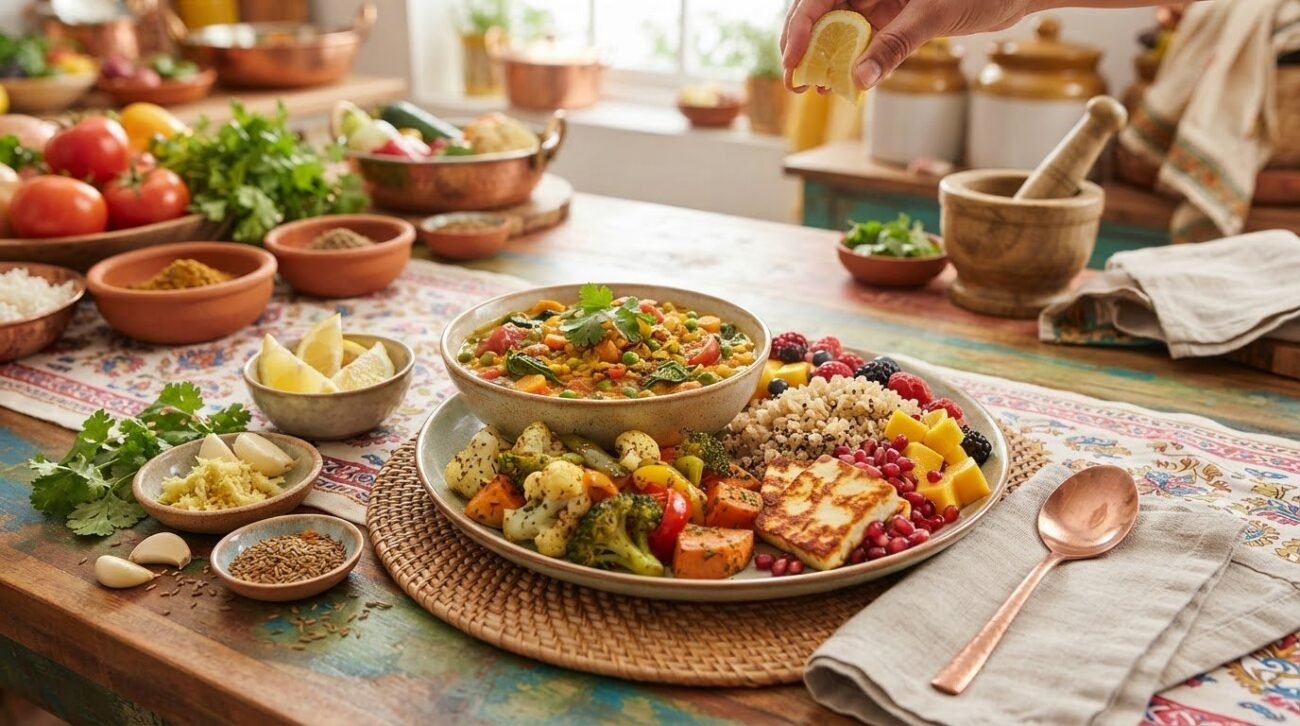
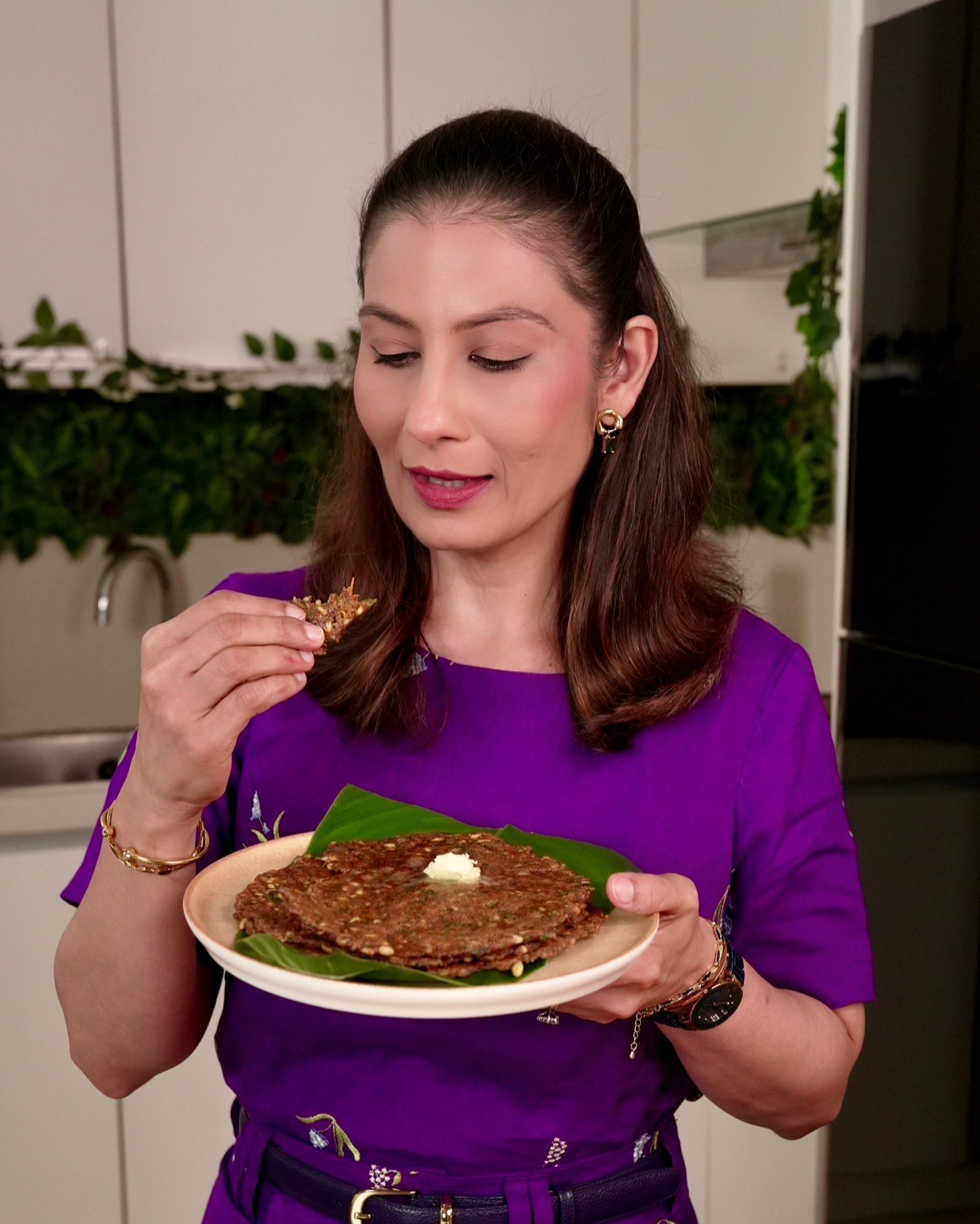
What if food and recipes for high blood pressure could still be bold, aromatic and deeply satisfying without relying on extra salt? They can. If you worry that lighter seasoning means bland dal, vegetables or paneer, you’re not alone. Build flavor in the pan with toasted spices, garlic, ginger, fresh herbs and a bright squeeze of lemon.
This guide will help you make everyday choices with more confidence, using a balanced pattern of vegetables, fruit, whole grains and nourishing proteins without promising a cure. You’ll find practical tips for Indian home cooking, including how to compare sodium on food labels, plus three Indian-inspired recipes with measured ingredients and flavor-first cooking guidance. Sodium and potassium needs can vary, particularly with certain health conditions or medicines. Use these ideas as kitchen inspiration, and speak with your healthcare professional about what’s right for you.
Key Takeaways
- Build balanced meals around vegetables, fruit, whole grains and a suitable protein rather than relying on any single food.
- Explore food and recipes for high blood pressure that use aromatic spices, citrus and fresh herbs to bring character to everyday dishes.
- Try three Indian-inspired recipes with measured ingredients and clear steps for adding variety to your home menu.
- Use a simple meal-building routine and prep components ahead to make nourishing meals easier on busy days.
- Keep sodium or potassium changes personal, and discuss them with your healthcare professional rather than changing prescribed care.
Food and recipes for high blood pressure: what should your meals include?
A blood-pressure-conscious eating pattern is a way to build balanced, varied meals that can support overall care. It doesn’t treat hypertension on its own or replace prescribed medication. Food choices are one part of managing health, alongside the care plan you and your healthcare professional agree on.
A helpful starting point is DASH, short for Dietary Approaches to Stop Hypertension. In plain language, it emphasizes vegetables, fruit, whole grains, beans, nuts and suitable sources of protein, while limiting foods high in saturated fat and added sugars. Explore these DASH diet principles as a general framework, not a guaranteed treatment or personal prescription.
Which everyday food choices can support a balanced plate?
Think in combinations rather than “superfoods.” Vegetables and fruit bring color and variety; whole grains and beans can make a meal more substantial; and suitable protein, such as lentils, beans, eggs, fish, poultry or tofu, can round it out. The right choices depend on your preferences, health needs and usual way of eating.
For an Indian-style meal, pair dal with vegetables and rice or whole-wheat roti, or add beans to a vegetable-rich khichdi. Salt, packaged foods, ready-made sauces and some spice mixes can all contribute sodium. Read labels and choose less-salty options where practical. There isn’t one sodium target that fits everyone, so follow individualized guidance if you’ve received it.
Does high blood pressure mean giving up familiar Indian food?
No. Familiar dishes can often stay on the menu, with ingredients and cooking methods adjusted to suit your needs. Make dal aromatic with ginger, garlic and toasted spices, add extra vegetables to a sabzi, or serve a smaller amount of a salty accompaniment alongside a home-cooked meal. For snacks, consider roasted vegetables or unsalted nuts if they fit your personal guidance.
The aim isn’t to label dal, a grain or any single dish as blood-pressure-lowering. Instead, build a pattern you can enjoy and maintain, with attention to portions, ingredients and how often higher-sodium choices appear. The best food and recipes for high blood pressure are adaptable ideas that work in your kitchen, not a rigid menu.
If you have a diagnosed condition, take medication, or have been advised to monitor sodium or potassium, speak with your healthcare professional before making major changes. Some health conditions and medicines affect how your body handles potassium, so general food guidance may need to be tailored to you.
How to build flavor in lower-salt meals without making food feel bland
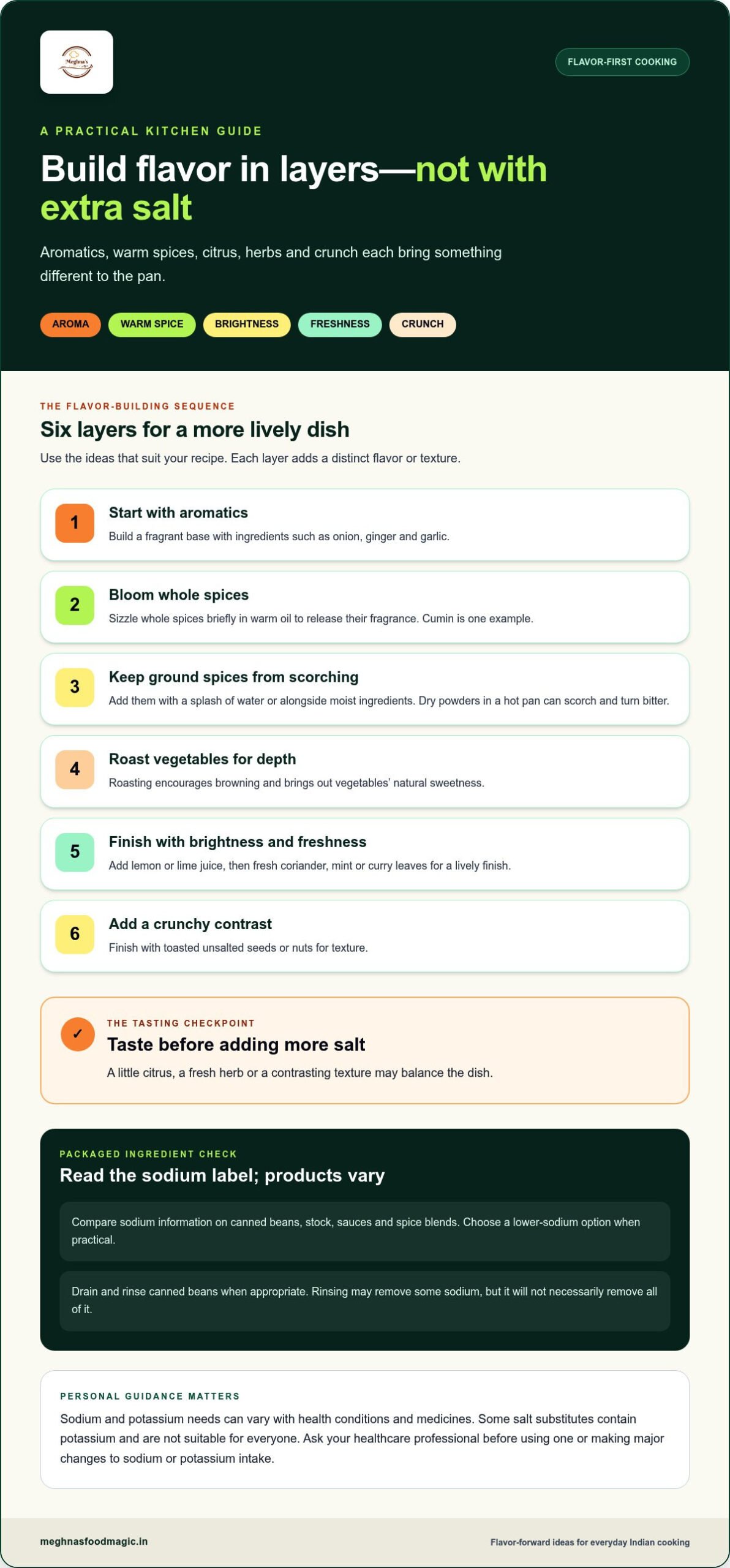
Build aroma, brightness and texture in layers, so salt isn’t doing all the work. In an Indian kitchen, that might mean sizzling cumin in oil, adding ginger and garlic, then finishing with lemon and fresh coriander. Each step contributes a different flavor, helping a dish taste rounded and lively without promising a particular health outcome.
What can add brightness and depth when reducing added salt?
Start with aromatics such as onion, ginger and garlic, then bloom whole spices briefly in warm oil to release their fragrance. Add ground spices with a splash of water or alongside moist ingredients; dry powders can scorch in a hot pan and turn bitter. Gently toasting whole spices before grinding can deepen their aroma, too.
Roasting vegetables encourages browning and brings out their natural sweetness. Finish dal or sabzi with lemon or lime juice, then add coriander, mint or curry leaves for freshness. Toasted unsalted seeds or nuts bring crunch. Taste before adding more salt: a little citrus, fresh herb or contrasting texture may balance the dish. The Mayo Clinic offers more tips for following the DASH diet.
How can cooks adapt packaged ingredients and family recipes?
Compare sodium information on packaged foods such as canned beans, stock, sauces and spice blends, and choose a lower-sodium option when practical. Products vary, so read the label rather than assuming similar ingredients contain similar amounts. Drain and rinse canned beans when appropriate. Rinsing may remove some sodium, but it won’t necessarily remove all of it.
Family recipes can keep their familiar character while you reduce salty packaged additions and build flavor with spices, garlic, herbs or acidity. For ideas using chutneys and pickles as flavor accents, browse these chutney and pickle recipes. These accompaniments can be salty, so portions may matter. Some salt substitutes contain potassium, which isn’t suitable for everyone. Ask your healthcare professional before using one or making major changes to sodium or potassium intake.
For more everyday cooking inspiration, explore Chef Meghna’s cooking videos.
Three Indian-inspired recipes for a flavorful, heart-conscious menu
These vegetable-forward ideas use measured ingredients and layered seasoning. Salt is optional, not a treatment decision: follow your healthcare professional’s advice if you’ve been given a personal sodium target. These recipes are practical additions to varied food and recipes for high blood pressure, not medical care.
Vegetable moong dal with aromatic spices
Serves 2
- ½ cup (100 g) split yellow moong dal, rinsed
- 3 cups water; ½ cup diced carrot; 1 cup chopped spinach
- 1 teaspoon oil; ½ teaspoon cumin seeds; 1 teaspoon grated ginger; ¼ teaspoon turmeric
- 1 tablespoon lemon juice; ⅛ teaspoon salt, optional
Simmer the dal and water with turmeric for 20-25 minutes, stirring occasionally, until very soft. Add a splash of water if needed. Heat oil in a small pan, add cumin and let it sizzle briefly, then stir in ginger for 30 seconds. Add carrot and cook until tender. Fold the mixture and spinach into the dal, then simmer until the spinach wilts. Finish with lemon and optional salt. Cooking the lentils until creamy gives the vegetables a comforting, cohesive base.
Chickpea salad with lemon and herbs
Serves 2
- 1½ cups cooked, drained chickpeas; ½ cup diced cucumber; ½ cup diced tomato
- ¼ cup finely chopped red onion; 2 tablespoons chopped coriander
- 1 tablespoon lemon juice; 1 teaspoon olive or other vegetable oil; ¼ teaspoon ground cumin; black pepper to taste
Whisk lemon juice, oil, cumin and pepper. Toss with chickpeas, cucumber, tomato, onion and coriander. Let stand for 10 minutes so the dressing coats the ingredients. Swap parsley for coriander, or use rinsed canned chickpeas. Rinsing may remove some sodium but not necessarily all.
Vegetable-stuffed besan chilla
Makes 4 chillas, serves 2
- 1 cup (100 g) chickpea flour; ¾ cup water; ¼ teaspoon cumin; ¼ teaspoon turmeric
- ½ cup grated carrot; ½ cup finely chopped capsicum; 2 tablespoons chopped coriander
- 2 teaspoons oil, divided; 1 tablespoon lemon juice
Whisk flour, water, cumin and turmeric into a smooth, pourable batter, then rest it for 10 minutes. Mix carrot, capsicum, coriander and lemon in a bowl. Heat a non-stick pan and lightly oil it. Pour in ¼ of the batter and spread into a thin circle. Add ¼ of the vegetables over one half, fold, and cook until golden on both sides. Repeat, adding a little oil as needed. If the batter feels thick, stir in water 1 tablespoon at a time.
Chef Meghna’s Notes
Keep the chilla batter pourable, not watery, so it spreads without tearing. For the dal, add hot water gradually to adjust thickness while preserving its creamy texture. Use lemon and herbs to brighten the finish before considering optional salt. Explore more Indian-inspired recipes for ideas to adapt to your kitchen and personal guidance.
Plan blood-pressure-conscious meals and troubleshoot common cooking challenges
A flexible routine makes balanced cooking easier without turning meals into a strict menu. Use this simple sequence when planning:
- Choose vegetables: Pick fresh or frozen options for color, flavor and texture.
- Add a suitable protein: Consider dal, beans, chickpeas, eggs, tofu, fish or another option that fits your needs.
- Select a grain: Pair the meal with rice, whole-wheat roti, oats or another grain you enjoy.
- Season thoughtfully: Build flavor with aromatics, spices, herbs and acidity, while keeping packaged ingredients and personal guidance in mind.
For a flexible day, breakfast might be vegetable chilla with fruit; lunch could be dal, vegetables and rice; dinner might pair a bean or egg dish with vegetables and roti. If you want a snack, choose something that suits your appetite and healthcare guidance, such as fruit or unsalted nuts. Treat this as a framework, not a personalized diet. Variety across vegetables, pulses and grains keeps meals interesting without relying on one supposed superfood.
Save time by washing and chopping vegetables, cooking pulses and preparing an aromatic base ahead. Store prepared ingredients in clean, covered containers in the refrigerator, and reheat cooked food thoroughly. Keep salad components separate from dressing until serving to help preserve their texture. These small steps make balanced home cooking easier on busy days.
Sodium and potassium needs aren’t the same for everyone. Kidney conditions and some medicines can affect how the body handles these minerals, so ask your healthcare professional before making major changes or using salt substitutes.
Chef Meghna’s Notes: substitutions, troubleshooting and tips
If a dish tastes flat, try 1 teaspoon lemon juice, 1 tablespoon chopped fresh herbs or a pinch of toasted cumin, then taste again. For watery dal, simmer it uncovered and stir to release some of the lentils’ starch; add water gradually if it becomes too thick. For soggy chickpea salad, drain the chickpeas well and add dressing just before serving.
If chilla tears, let the batter rest for 10 minutes and adjust its texture with water 1 tablespoon at a time until it spreads easily. For a measured pulse swap, replace ½ cup dry moong dal with ½ cup dry masoor dal, and cook until tender. You can also replace ½ cup carrot with ½ cup finely chopped zucchini in a filling, squeezing out excess moisture first. Adjust cooking time to suit the ingredient and keep the recipe’s overall texture in mind.
For additional recipe inspiration, browse these weight-loss recipe ideas and adapt ingredients to your preferences and healthcare guidance.
Make food changes confidently and find more cooking inspiration
Small, enjoyable steps are easier to carry into everyday life than a complete menu overhaul. Choose one recipe in this guide, make it with ingredients you have, and taste as you cook. Adjust the aroma, brightness or texture to suit your preferences, then adapt gradually based on your healthcare professional’s guidance.
Recipes can help you put balanced eating ideas into practice, but they can’t diagnose or treat high blood pressure, and they don’t replace prescribed medication or medical care. Think of food and recipes for high blood pressure as kitchen inspiration, not a treatment plan. Don’t stop or change medication because of a meal or a change in how you feel.
When should food choices be discussed with a healthcare professional?
Ask your healthcare professional for individualized advice before making a major change to sodium or potassium intake if you have kidney disease, take medicines that may affect these minerals, or have been given dietary restrictions. Salt substitutes can contain potassium, so they aren’t suitable for everyone. A clinician can help you understand which adjustments fit your health needs and treatment.
If you’re concerned about your blood pressure, arrange appropriate medical assessment rather than relying on food changes alone. Seek urgent medical care for severe or sudden symptoms. Cooking thoughtfully can support everyday habits, but it can’t replace professional evaluation.
How can readers keep discovering approachable recipes?
Let taste, available ingredients and your personal guidance shape what you cook. You might choose a dish with vegetables and pulses one day, then try a different grain or protein another time. There’s no need to force a single ingredient into every meal. The aim is to find satisfying ideas you can adapt, while keeping any clinician-directed limits in view.
Cooking demonstrations can offer useful ideas for preparation and flavor, but they aren’t individualized nutrition advice or treatment. Try one recipe, notice what works in your kitchen, and make your next adjustment at a comfortable pace.
Bring more flavor and balance to your everyday cooking
Small, thoughtful changes can make everyday meals satisfying and adaptable. Build plates with a variety of vegetables, fruit, whole grains and suitable proteins, then layer spices, aromatics, herbs and citrus to bring each dish to life. The three recipes offer a practical place to start, not a prescribed menu or a treatment for high blood pressure.
Use food and recipes for high blood pressure as inspiration for enjoyable habits, and follow your healthcare professional’s advice about sodium, potassium, medication and dietary restrictions. Your needs are personal, so make changes gradually and get guidance before changing prescribed care.
For more practical cooking inspiration, explore the free recipe database at Meghna’s Food Magic, with recipes spanning high-protein meals, weight-loss ideas, air fryer cooking and more.
Choose a recipe from Meghna’s free digital recipe database, make it your own, and let confidence grow one flavorful meal at a time.
Frequently Asked Questions
What foods are good to include in meals for high blood pressure?
Meals can include a variety of vegetables, fruit, whole grains, beans, pulses, nuts and suitable protein sources. Think of combinations, such as dal with vegetables and rice, or chickpeas with chopped vegetables and herbs. Check labels on packaged foods for sodium, and choose less-salty options where practical. The best food and recipes for high blood pressure depend on your preferences, health conditions and any guidance from your healthcare professional.
Can food and recipes lower high blood pressure?
Eating habits can be one part of blood pressure management, but no single food or recipe should be relied on to treat hypertension. A balanced pattern that includes vegetables, fruit, whole grains and suitable proteins may support overall health. Results and dietary needs vary between individuals. Recipes can make useful habits easier to practise, but they don’t replace medical assessment, prescribed treatment or advice tailored to your circumstances.
What is the DASH diet, and can I cook Indian food with it?
The DASH eating pattern emphasizes vegetables, fruit, whole grains, beans, nuts and suitable protein, while limiting foods high in saturated fat and added sugars. You can adapt its broad principles to Indian meals without following a rigid menu. For example, serve dal with vegetables and a grain, or season a vegetable dish with aromatics and herbs. Adapt ingredients and portions to your health needs and any clinician-guided restrictions.
How can I make food taste good with less salt?
Build flavor in layers. Cook ginger, garlic or onion with spices, bloom whole spices briefly in warm oil, and avoid letting them burn. Roast vegetables for deeper flavor, then finish dishes with lemon or lime, fresh herbs, toasted seeds or black pepper. Taste before adding more salt: a little acidity or a contrasting texture may bring a dish into balance. Check packaged ingredients too, since sauces and spice mixes may contain sodium.
Are bananas and other potassium-rich foods safe for everyone with high blood pressure?
No, potassium-rich foods aren’t automatically suitable for everyone. Bananas and other foods containing potassium may fit into many people’s meals, but kidney conditions and some medicines can affect how the body handles potassium. Don’t make a major change to your potassium intake or use a potassium-based salt substitute without individualized advice. Ask your healthcare professional what choices are appropriate for your health and treatment.
Should I stop taking blood-pressure medicine if I change my diet?
No. Don’t stop, reduce or change prescribed blood-pressure medicine because you’ve changed your diet or added new recipes. Food choices can complement care, but they aren’t a substitute for medication prescribed to you. If you have questions about your treatment or notice a change in how you feel, speak with your healthcare professional. Continue following the care plan you’ve been given unless they advise you otherwise.
Are these recipes suitable for people with kidney disease or diabetes too?
Not necessarily without adjustment. Kidney disease may require individualized limits on nutrients such as potassium or other ingredients, while diabetes meal choices can depend on personal treatment and carbohydrate needs. The recipes are general cooking ideas, not a therapeutic meal plan. Before making them part of a specific medical diet, discuss ingredients, portions and suitable substitutions with your healthcare professional or dietitian, especially if you’ve been given dietary restrictions.
Disclaimer
This is a recipe food blog page and not nutrition or doctor and hence do not claim to cure any illness. If you have specific health issues please consult a qualified doctor or certified nutritionist.
I do consult experts, research Internet and at times seek help from Gemini to collect relevant information to put together some of these blogs.

