
Cherries: Nutritional Benefits and Healthy Recipe Ideas
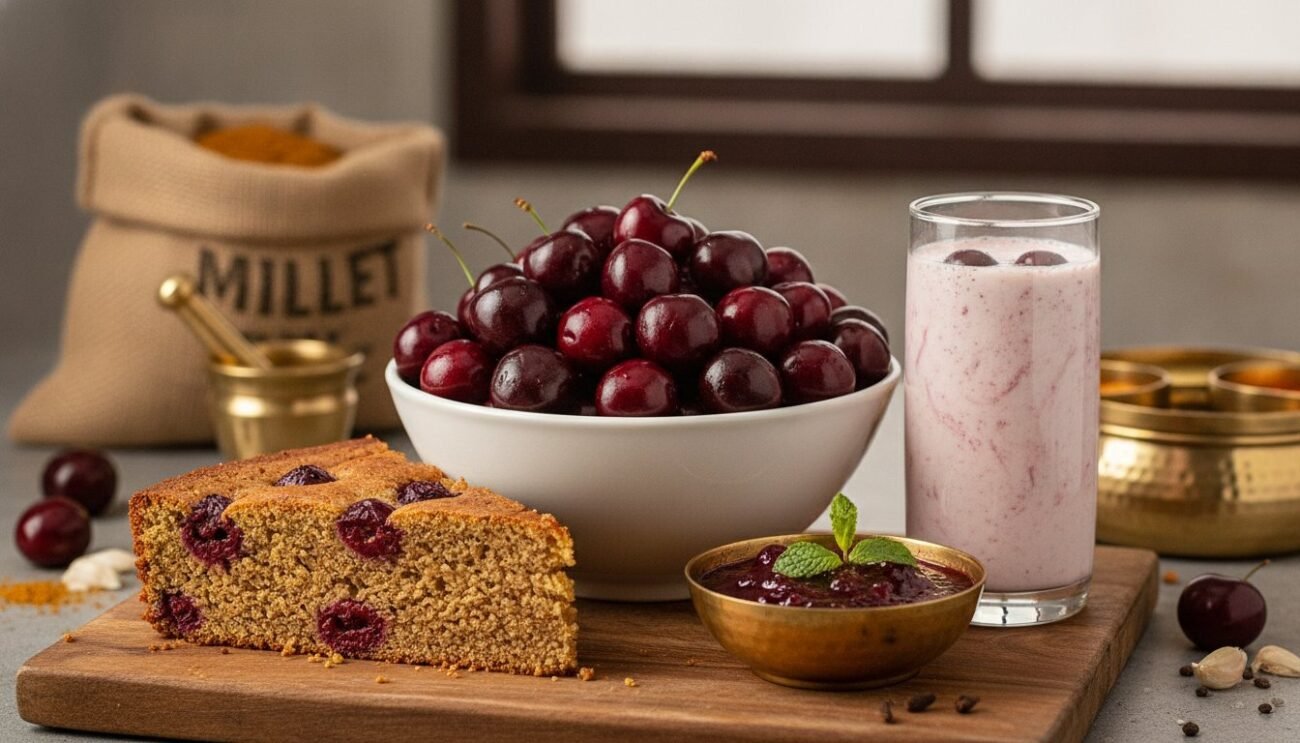
The Magic of Cherries: A Vibrant Journey from Orchard to Table
There are few things as purely joyful as the snap of a fresh cherry between your teeth. It’s a tiny explosion of sweet, tangy juice—a burst of summer that feels both decadent and deeply nourishing. This beautiful stone fruit isn’t just a simple garnish; it’s a nutrient-dense powerhouse with ancient roots, perfectly suited for the modern, healthy Indian kitchen. From their glossy, crimson skin to their firm, satisfying flesh, cherries offer a complete sensory experience that signals freshness, vitality, and flavor.
In the world of Food Magic, we see cherries not just as an ingredient, but as an invitation. An invitation to celebrate nature’s sweetness, to fuel our bodies with powerful antioxidants, and to find joy in creating meals that are as delicious as they are beneficial. Whether you’re enjoying a handful of sweet cherries as a post-workout snack or simmering tart cherries into a vibrant sauce, you’re tapping into a food that bridges the gap between peak fitness and pure culinary delight. This guide will take you on a journey, exploring everything from the fruit’s rich history to its incredible role in a health-conscious lifestyle in 2026.
A Brief History of This Crimson Superfood
The story of the cherry is as rich and colorful as the fruit itself. Believed to have originated in the fertile lands between the Black and Caspian Seas, cherries were cherished by ancient civilizations, from the Greeks to the Romans, who helped spread them across Europe. They were seen as symbols of renewal, youth, and good fortune, often celebrated in art and literature as a herald of spring’s arrival. This ancient fruit traveled along silk roads and sea lanes, eventually finding its way into orchards and kitchens around the globe.
In India, cherries have found a home in the cooler climates of states like Himachal Pradesh, Uttarakhand, and Jammu & Kashmir, where they are harvested during the summer months. However, the true magic for the modern Indian cook is that we are no longer limited by local seasons. Thanks to a global harvest cycle, we can enjoy these ruby-red gems almost year-round. In June and July, we get delicious US NorthWest cherries, perfect for summer salads and desserts. Then, as the year winds down, the Southern Hemisphere delivers, and from December to January, we get amazing Chilean cherries to brighten our winter plates. This constant availability means cherries can be a consistent, vibrant part of your healthy eating plan.
Exploring the global heritage of cherries can be a journey in itself; you can learn more about culinary travel experiences in Budapest that showcase how these fruits are woven into local culture.
Sweet vs. Tart: Choosing the Right Variety for Your Recipe
Navigating the world of cherries can be simple once you understand the two main families: sweet and tart. Choosing the right one is the key to unlocking its full potential in your kitchen.
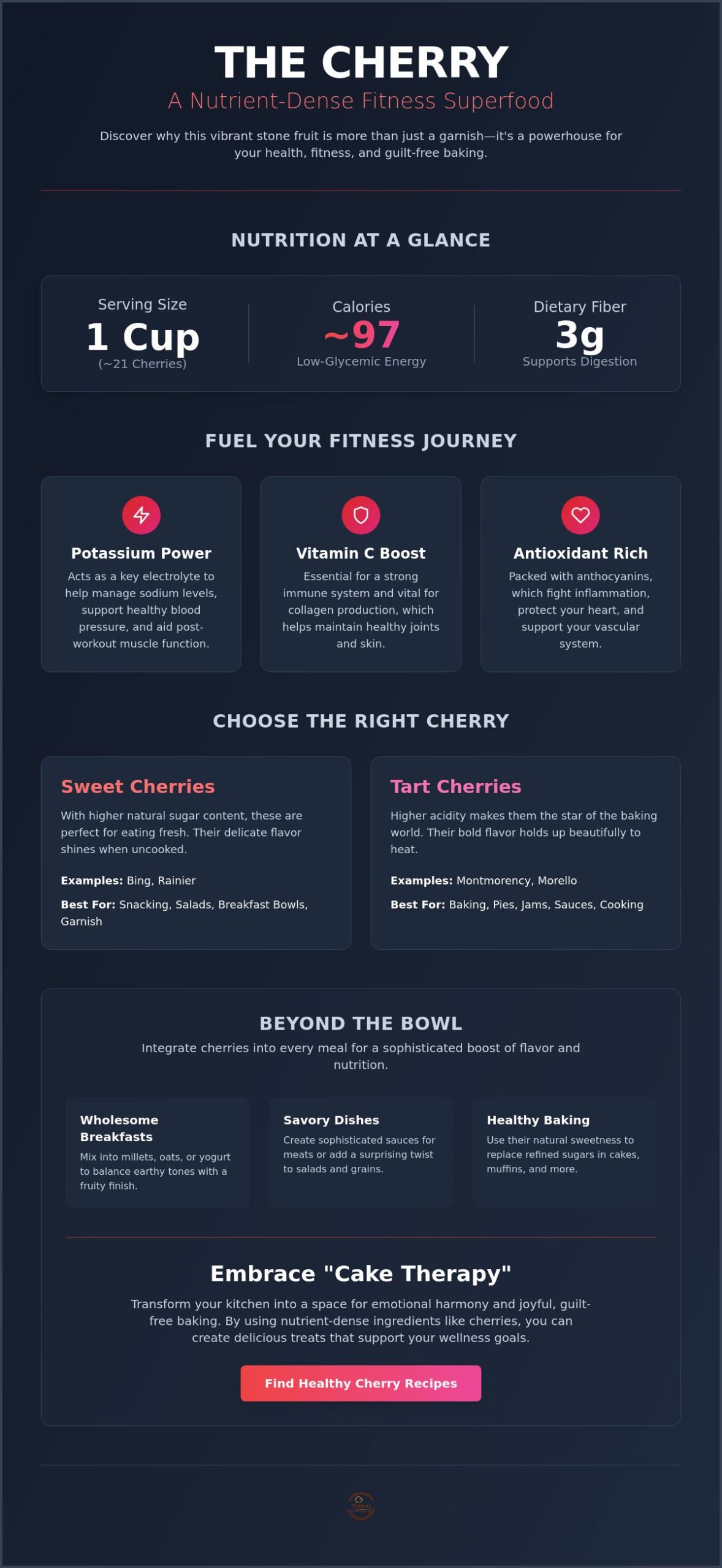
- Sweet Cherries (Prunus avium): These are the cherries you dream of eating fresh by the handful. Varieties like the dark, luscious Bing or the beautiful, blush-colored Rainier are bursting with natural sugars and a mellow flavor. They are perfect for snacking, slicing into yogurt or salads, and starring in desserts where their natural sweetness can shine. For our Cake Therapy sessions, these are the go-to for a naturally sweet, guilt-free treat.
- Tart or Sour Cherries (Prunus cerasus): Don’t let the name fool you—tart cherries, like the popular Montmorency or deep-red Morello, are a culinary superstar. Their bright, zesty acidity holds up beautifully to heat, making them ideal for baking, jams, sauces, and compotes. When cooked, their flavor deepens and becomes incredibly complex. They are also the variety most often studied for health benefits, particularly for muscle recovery and sleep.
Meghna’s Quick Tip: When shopping for fresh cherries, look for fruits that are plump, firm, and have a glossy, smooth skin. The stems should be green and flexible, which is a key indicator of freshness. Avoid any that are bruised, wrinkled, or soft to the touch.
Nutritional Profile: Why Cherries are a Fitness Superfood in 2026
Beneath their beautiful exterior, cherries pack a serious nutritional punch, making them an indispensable ally for anyone on a fitness journey. They are a fantastic example of a “low-calorie, high-nutrient” food, providing a wealth of vitamins, minerals, and powerful plant compounds with every serving.
A standard one-cup serving (about 150g) of fresh sweet cherries contains:
- Vitamin C: A potent antioxidant that supports your immune system and skin health.
- Potassium: An essential mineral that helps regulate blood pressure, muscle contractions, and nerve function.
- Fiber: Crucial for digestive health, fiber helps you feel full and satisfied, aiding in weight management.
- Antioxidants: Cherries are loaded with these disease-fighting compounds, which protect your cells from damage caused by free radicals.
What truly sets cherries apart is their incredible “antioxidant density,” particularly their high concentration of a specific type called anthocyanins. These compounds are what give cherries their deep red and purple hues, and they are the source of many of the fruit’s most celebrated health benefits, from fighting inflammation to supporting heart health by helping to lower blood pressure and cholesterol levels.
Anthocyanins and Inflammation: The Athlete’s Secret Weapon
If you live an active lifestyle, you know the feeling of post-workout muscle soreness. This is where cherries, especially tart cherries, truly shine. The anthocyanins they contain have powerful anti-inflammatory properties that can significantly reduce exercise-induced muscle damage and soreness. Think of it as nature’s alternative to over-the-counter pain relievers.
Studies have shown that athletes who consume tart cherry juice or concentrate experience faster muscle recovery and less strength loss after strenuous workouts. The science is compelling: these compounds work by inhibiting inflammatory pathways in the body, much like some medications, but in a whole, natural food form. In a single sentence: Anthocyanins are the natural pigments responsible for the cherry’s vibrant color and its remarkable recovery benefits. Incorporating cherries into your post-workout routine can help you bounce back faster and train more consistently.
The Melatonin Connection: Better Sleep for Better Health
Quality sleep is a non-negotiable pillar of health and fitness. It’s when your body repairs muscle, consolidates memory, and regulates the hormones that control appetite and stress. Cherries, particularly the Montmorency tart variety, are one of the few natural food sources of melatonin—the hormone that governs your sleep-wake cycle.
The link between sleep and successful weight management is undeniable. Poor sleep can disrupt appetite-regulating hormones like ghrelin and leptin, leading to increased cravings and overeating. By promoting better sleep, cherries can indirectly support your weight loss goals. A small glass of tart cherry juice about an hour before bed can be a wonderful, natural “nightcap.” It’s a simple, delicious ritual that can help you fall asleep faster, stay asleep longer, and wake up feeling more refreshed and ready to conquer your day.
The Sugar Myth: Can You Eat Cherries on a Weight Loss Diet?
One of the biggest fears for anyone starting a weight loss journey is “fruit sugar.” The word “sugar” can be alarming, but it’s crucial to distinguish between the processed sugars found in junk food and the naturally occurring fructose in fruits, which comes packaged with fiber, water, and a host of micronutrients. Cherries are a perfect case study in why you shouldn’t fear fruit.
The key lies in the Glycemic Index (GI), a measure of how quickly a food raises your blood sugar levels. Cherries are a “low GI” hero, with a score of around 22 for fresh tart cherries and 63 for sweet cherries (still in the low-to-medium range). This is because the fiber in cherries slows down the absorption of sugar into the bloodstream, preventing the sharp insulin spikes that can lead to fat storage and energy crashes. This makes cherries a fantastic, stabilizing choice compared to processed “diet” snacks that are often low in nutrients and don’t keep you full.
Understanding Glycemic Load in Stone Fruits
While GI is useful, Glycemic Load (GL) gives an even clearer picture by considering portion size. Because cherries have a low GL, you can enjoy a satisfying portion without derailing your fitness plan. Compared to other popular Indian fruits like mangoes or bananas, which have a higher GI, cherries offer a more gentle impact on blood sugar, making them an excellent choice for sustained energy.
This is where our “smart snacking” framework comes in. Portion control is everything. A one-cup serving of cherries provides immense satisfaction and nutrients without an excessive calorie load. By incorporating them thoughtfully into a high-fiber diet, you can enjoy their sweetness and benefits without compromising your goals. They fit beautifully into even the strictest fitness plans when consumed mindfully.
Curbing Cravings the Natural Way
The intense, complex flavor of a cherry is one of its greatest assets in a weight loss journey. When a craving for something sweet strikes, reaching for a bowl of fresh cherries can satisfy your sweet tooth far more effectively—and with fewer calories and more nutrients—than a biscuit or a piece of candy. The natural sweetness, combined with a satisfyingly firm texture, sends a signal of fulfillment to your brain.
There’s also a powerful psychological benefit to eating whole, unprocessed foods. It connects you to what you’re eating and fosters a healthier relationship with food. For an even greater metabolic boost, try pairing cherries with a source of protein, like a bowl of Greek yogurt or a handful of almonds. The combination of fiber from the cherries and protein from the yogurt or nuts enhances satiety, keeping you full and energized for hours.
Beyond the Bowl: Creative Ways to Use Cherries in Healthy Cooking
While a bowl of fresh cherries is pure perfection, their true versatility shines when you invite them into your kitchen. It’s time to move beyond raw snacking and discover how cherries can add a vibrant, unexpected twist to both sweet and savory dishes. They are a fantastic way to introduce a splash of color and a burst of sophisticated flavor to everything from breakfast grains to post-workout meals.
At Meghna’s Food Magic, we believe in making healthy food taste extraordinary, and cherries are a perfect tool for this philosophy. Their balance of sweet and tart notes can elevate simple recipes into something truly special. Have you ever tried them in an air fryer? A quick blast of heat concentrates their flavor, turning them into jammy, warm morsels perfect for topping porridge or a scoop of homemade nice cream. Ready to explore the full spectrum of cherry-inspired dishes? Dive into our complete collection of cherry recipes for more guilt-free inspiration!
Millet and Cherry Fusion: A Nutritious Power Breakfast
One of the most exciting ways to use cherries is by pairing them with traditional Indian grains. Imagine a warm, comforting bowl of Ragi or Jowar porridge, its earthy, wholesome flavor suddenly brightened by the addition of fresh, juicy cherries. The slight tartness of the fruit cuts through the richness of the millet, creating a perfectly balanced and incredibly nutritious start to your day.
To prepare, simply cook your favorite millet as usual and stir in a handful of pitted, halved cherries during the last few minutes of cooking. They will soften slightly, releasing their juices and infusing the entire dish with a beautiful pink hue and a delightful flavor. This simple fusion not only boosts the antioxidant content of your breakfast but also makes it feel like a gourmet treat. This is a wonderful way to create a protein-rich breakfast for vegetarians that is both satisfying and exciting.
High-Protein Cherry Pairings for Post-Workout Recovery
After a tough workout, your body needs protein to repair muscle and carbohydrates to replenish energy stores. Cherries are a perfect partner in this recovery process. Their anti-inflammatory properties help reduce soreness, while their natural sugars provide a quick energy boost.
- Cherry and Paneer Salad: Toss fresh rocket leaves with crumbled paneer, toasted walnuts, and a handful of sweet cherries. Drizzle with a light balsamic vinaigrette for a refreshing, high-protein meal that’s packed with flavor and texture. This is a fantastic way to incorporate ideas from our guide to high-protein paneer dinner recipes.
- High-Protein Cherry Smoothie: In a blender, combine one cup of frozen cherries, a scoop of your favorite vanilla whey or plant-based protein powder, a tablespoon of chia seeds, and unsweetened almond milk. Blend until smooth for a creamy, delicious, and highly effective recovery shake.
Cherry Cake Therapy: Guilt-Free Baking with Meghna’s Food Magic
Baking is more than just following a recipe; it’s a mindful, creative process that can soothe the soul. We call this “Cake Therapy,” and cherries are one of our favorite ingredients for this practice. They allow us to create desserts that are not only emotionally satisfying but also align with a healthy lifestyle. By harnessing the natural sweetness and moisture of cherries, we can dramatically reduce the need for refined sugars and unhealthy fats in our baking.
Imagine a decadent, eggless chocolate cake studded with deep-red cherries, or a wholesome whole wheat and millet muffin bursting with juicy fruit. This isn’t about restriction; it’s about elevation. It’s about taking a celebratory approach to healthy living, proving that you can absolutely have your cake and eat it too, especially when it’s made with love and nourishing ingredients.
The Art of Eggless Cherry Bakes
One of the secrets to moist, tender eggless cakes is using natural fruit purees, and a simple cherry puree (made by blending fresh or frozen cherries) is a game-changer. It adds moisture, flavor, and natural sweetness, allowing you to cut back on both oil and sugar. The vibrant color of cherries also adds incredible visual appeal, turning a simple bake into a work of art. This visual feast is a core part of the mindful baking experience, connecting you to the beauty of the ingredients as you create.
Whether you’re making a simple teacake or an elaborate dessert, incorporating cherries invites a sense of occasion and joy into your kitchen. For step-by-step guidance on creating these beautiful and wholesome treats, be sure to explore our philosophy on Cake Therapy for stress relief.
Connecting with the Food Magic Community
Your culinary journey doesn’t end here! The magic truly happens when we share our creations and inspire one another. Have you made a beautiful cherry and millet breakfast bowl or a stunning eggless cherry cake? We would love to see it! Share your photos and stories with our vibrant community on Meghna’s Instagram.
For those who are visual learners, our Meghna’s Food Magic YouTube channel is filled with free video recipes that bring these concepts to life. From understanding the power of a single fruit like the cherry, you are on your way to mastering the art of Food Magic—redefining healthy, joyful cooking for your modern home.
Frequently Asked Questions (FAQs)
Are cherries good for losing belly fat?
While no single food can “spot reduce” belly fat, cherries are an excellent addition to a weight loss diet. They are low in calories and high in fiber, which promotes satiety and helps prevent overeating. Their anti-inflammatory properties and ability to regulate blood sugar can also support a healthy metabolism, which is crucial for overall fat loss.
How many cherries can I eat in a day on a diet?
A typical serving size is about one cup of fresh cherries (around 20-25 cherries), which contains approximately 90-100 calories. This is a perfectly reasonable amount to include daily as part of a balanced diet. It provides significant nutritional benefits without adding excessive sugar or calories.
What is the difference between sweet and sour cherries for health?
Both types are incredibly healthy, but they have slightly different strengths. Sweet cherries are fantastic for their potassium and fiber content. Sour (or tart) cherries, like Montmorency, have a significantly higher concentration of anthocyanins and melatonin, making them the preferred choice for studies on muscle recovery, inflammation, and sleep.
Can I use frozen cherries instead of fresh ones in recipes?
Absolutely! Frozen cherries are a fantastic and convenient option. They are picked and frozen at peak ripeness, so they retain nearly all of their nutritional value. They work perfectly in smoothies, sauces, baked goods, and porridge. Just be sure to buy unsweetened frozen cherries.
Do cherries help with joint pain and uric acid?
Yes, there is strong evidence suggesting that cherries, particularly tart cherries, can help manage symptoms of arthritis and gout. Their powerful anti-inflammatory compounds can reduce joint pain and swelling. Furthermore, studies have shown that cherry consumption can lower levels of uric acid in the blood, which is the primary cause of gout attacks.
Are cherries safe for people with diabetes?
Yes, in moderation, cherries can be a safe and healthy choice for people with diabetes. They have a low Glycemic Index, meaning they don’t cause a rapid spike in blood sugar. The fiber content further helps in slow sugar absorption. As always, it’s important to practice portion control and monitor blood sugar levels.
How should I store cherries to keep them fresh longer?
Store fresh cherries unwashed in the coldest part of your refrigerator, preferably in a plastic bag or airtight container. Do not wash them until you are ready to eat, as moisture can cause them to spoil faster. Stored properly, they can last for up to a week.
Can I include cherries in my high-protein millet breakfast?
Definitely! This is a highly recommended combination. Adding cherries to your ragi, bajra, or jowar porridge not only enhances the flavor and texture but also adds a boost of vitamins, fiber, and antioxidants, making your already nutritious breakfast even more powerful.
Disclaimer
This is a recipe food blog page and not nutrition or doctor and hence do not claim to cure any illness. If you have specific health issues please consult a qualified doctor or certified nutritionist.

