
Best Indian Food for Muscle Gain: The Ultimate Vegetarian Guide for 2026
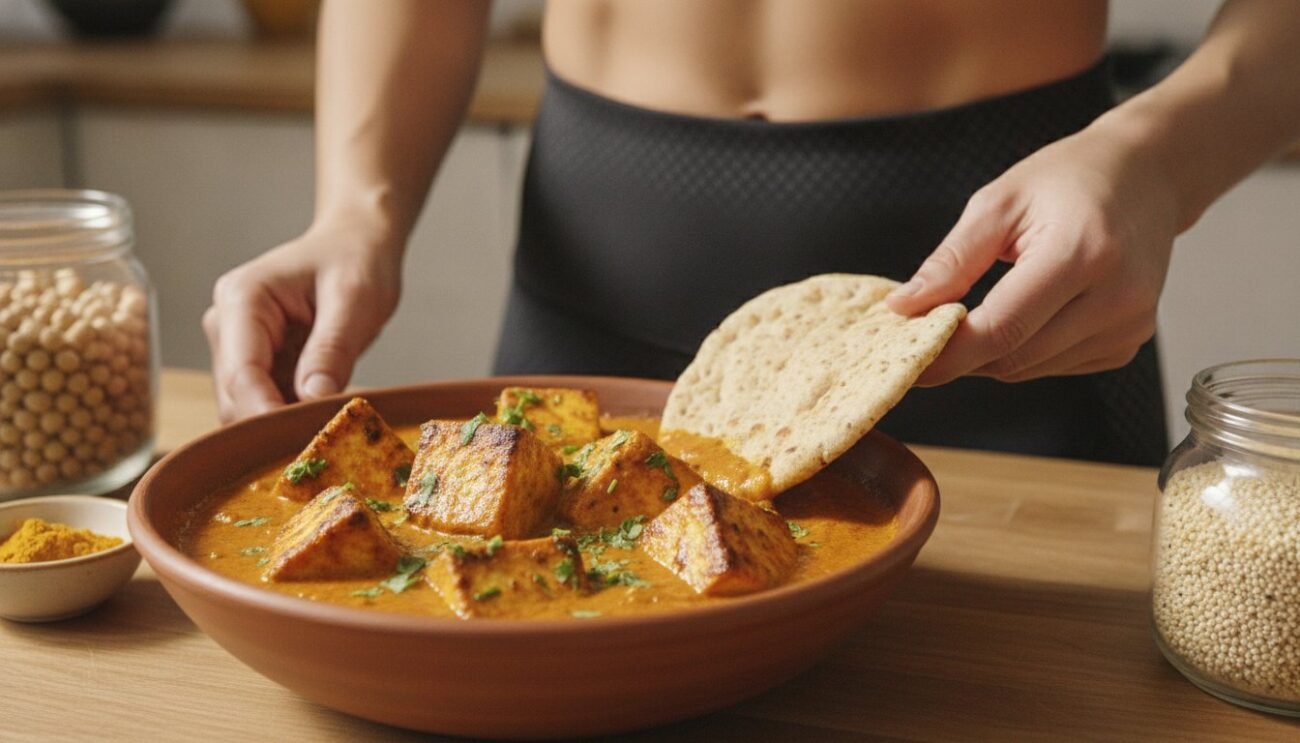
Can You Build Muscle on an Indian Vegetarian Diet?
For generations, a persistent myth has circulated in fitness circles: that true muscle gain is reserved for those who eat meat. In the Indian context, where vegetarianism is a cultural and spiritual cornerstone for millions, this can feel incredibly discouraging. But let’s set the record straight—building a strong, sculpted physique on a vegetarian Indian diet is not only possible, it’s a delicious and vibrant reality. The secret lies in understanding the science of plant-based protein and embracing the culinary magic already present in our kitchens.
The journey to muscle gain isn’t about bland, restrictive meals. It’s about ‘Culinary Therapy’—transforming the fitness journey from a chore into a celebration of flavor, color, and nourishment. It’s about rediscovering ancient superfoods like millets and unlocking the power of everyday lentils and legumes.
The Science of Plant-Based Hypertrophy
Muscle growth, or hypertrophy, depends on one crucial factor: protein. Proteins are made of amino acids, the building blocks of muscle tissue. While meat contains all nine essential amino acids (making it a ‘complete protein’), most plant sources are ‘incomplete,’ meaning they lack one or more. But here’s the beautiful part: Indian cuisine has been naturally solving this for centuries!
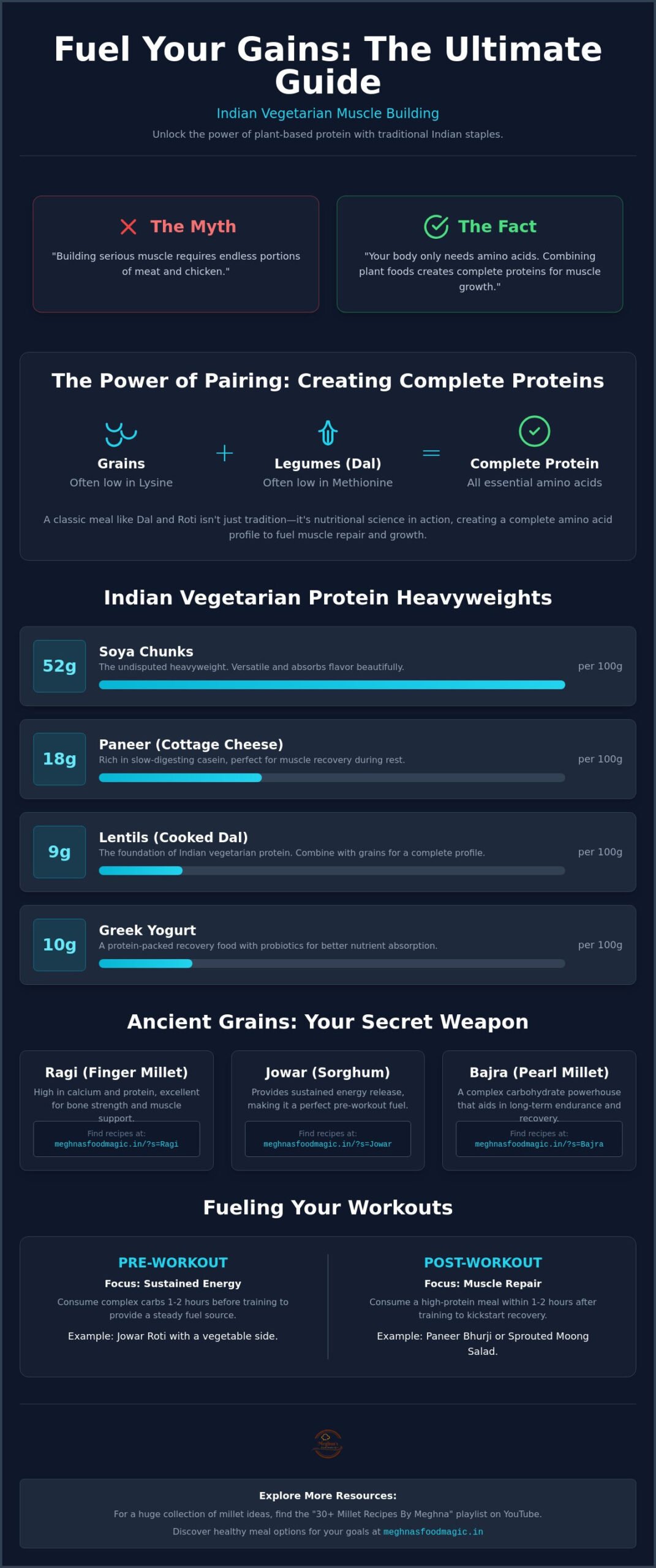
- Amino Acid Pairing: The concept of pairing grains (like rice or roti) with legumes (like dal or chana) creates a complete amino acid profile. The amino acids missing in grains are present in legumes, and vice-versa. This is why a simple meal of dal-chawal or rajma-roti is a scientifically sound muscle-building combination.
- The Power of Leucine: Leucine is a key amino acid that acts like a switch, triggering muscle protein synthesis (the process of repairing and building muscle). Dairy products like paneer and Greek yogurt, along with soy, are excellent vegetarian sources of leucine.
Mindset Shift: From Restriction to Abundance
So many fitness diets are built on what you can’t eat. Meghna’s Food Magic philosophy is the opposite—it’s about the abundance of what you can. It’s about filling your plate with vibrant, high-protein foods that you genuinely love. This shift from a mindset of restriction to one of celebration is the key to long-term consistency and success. When your meals are a joyful experience, you’re more likely to stick with your plan and achieve your goals.
The Indian Protein Gap: How Much Do You Really Need?
Before we dive into the delicious foods, it’s important to address a common challenge. Studies often show that a significant portion of the Indian population consumes a protein-deficient diet, relying heavily on carbohydrates. While our traditional diets are healthy, they may not provide the optimal amount of protein required for active muscle building.
For a sedentary individual, the basic recommendation is around 0.8 grams of protein per kilogram of body weight. However, for those looking to build muscle, that number increases significantly. Most fitness experts and scientific studies recommend a daily protein intake of 1.6 to 2.2 grams per kilogram of body weight for optimal muscle hypertrophy.
For a 70 kg individual, this means aiming for 112 to 154 grams of protein per day. Reaching this target requires a conscious effort to prioritize protein-dense foods in every meal, moving beyond just a small bowl of dal to a more structured, protein-focused approach.
The Ultimate High-Protein Vegetarian Foods for Muscle Gain
Ready to stock your pantry for success? These Indian vegetarian staples are packed with the high-quality protein you need to fuel your workouts, repair muscle tissue, and see real results. We’ll explore not just what to eat, but how to make it taste incredible.
Dairy & Dairy Alternatives: The Creamy Powerhouses
- Paneer (Cottage Cheese): A true icon of Indian vegetarian fitness, paneer is a fantastic source of slow-digesting casein protein. With approximately 18-20g of protein per 100g, it provides a sustained release of amino acids, making it an ideal food for post-workout recovery or before bed. Explore these high-protein paneer dinner recipes to move beyond simple cubes in a curry.
- Greek Yogurt & Hung Curd: Thicker and more concentrated than regular dahi, Greek yogurt and homemade hung curd are protein goldmines, packing 8-10g of protein per 100g. They are also rich in probiotics for gut health, which aids in nutrient absorption. Use them in smoothies, raitas, marinades, or as a base for high-protein desserts.
- Tofu (Soy Paneer): For a plant-based alternative, tofu is an excellent choice. Made from soybeans, it’s a complete protein source offering around 8-10g of protein per 100g. Its neutral flavor makes it incredibly versatile for scrambles (bhurji), curries, and stir-fries.
Soy & Legumes: The Plant-Protein Foundation
- Soya Chunks: The undisputed heavyweight champion of vegetarian protein. Soya chunks contain a staggering 52g of protein per 100g (dry weight). The key is to prepare them correctly: soak them in hot, salted water, squeeze out all the excess liquid, and then marinate them in flavorful spices. This removes their raw taste and allows them to absorb the delicious flavors of your curry.
- Lentils (Dal) & Chickpeas (Chole): The backbone of Indian cuisine is also a foundation for muscle gain. Moong, Masoor, and Chana are all excellent sources, providing 20-25g of protein per 100g (dry). To maximize their power, always pair them with a grain like rice or roti. For a deep dive, check out this ultimate guide to Indian dal.
- Sprouted Moong: The process of sprouting dramatically increases the bioavailability of nutrients in moong dal. It becomes easier to digest and its protein is more readily absorbed by the body. A cup of sprouted moong can add a quick 10-15g of protein to your salads or snacks.
Modern Power-ups & Ancient Grains
- Quinoa: While not traditionally Indian, quinoa has been embraced for its incredible nutritional profile. It’s one of the few plant-based complete proteins and offers about 14g of protein per 100g (cooked). It can be used to make upma, pulao, or a high-protein khichdi.
- Millets (The Super Grains): While the ingredients above are your primary protein sources, millets like Ragi, Jowar, and Bajra are your energy fuel. They are complex carbohydrates that also provide a respectable protein boost (7-12g per 100g). They fuel your workouts and contain essential amino acids and fiber. Instead of just being a side, they can be the star. For endless ideas on how to incorporate them, explore this 30+ Millet Recipes By Meghna YouTube Playlist.
Smart Meal Timing: Fueling Your Workouts with Indian Flavors
Timing your nutrition around your workouts can significantly enhance your results. It’s not about rigid rules, but about giving your body the right fuel at the right time. Here’s how to do it the Indian way, with flavor and function.
The Perfect Pre-Workout Indian Snack
About 60-90 minutes before your workout, you need sustained energy. This comes from complex carbohydrates, which prevent an energy crash mid-session. Simple sugars give you a quick spike, but complex carbs provide a steady release of fuel.
- Why Millets Win: A roti made from Jowar recipes or Bajra recipes is far superior to a slice of white bread. These grains provide slow-releasing energy to power you through every single rep.
- Quick Energy Boosters: A small bowl of oats upma, a handful of roasted chana, or a banana are all fantastic 15-minute options for busy professionals.
- Hydration is Key: Don’t forget to hydrate! A glass of coconut water or a simple nimbu pani with a pinch of salt can help maintain electrolyte balance.
Post-Workout Recovery Meals
After your workout, your muscles are like a sponge, ready to soak up protein to repair and rebuild. The 30-90 minute window post-exercise is crucial for kickstarting this recovery process. Your goal is a meal rich in fast-absorbing protein and some carbohydrates to replenish energy stores.
- Rapid Repair Recipes: A Moong Dal Chilla, Paneer Bhurji, or a Tofu Scramble are perfect choices. They are light on the stomach and deliver a quick hit of high-quality protein.
- Guilt-Free Snacks: Use your air fryer to make crispy tofu bites or spiced paneer tikka for a delicious, high-protein snack that feels like a treat.
- Embrace the Shake (Indian Style!): If you’re short on time, blend Greek yogurt, a scoop of sattu (roasted gram flour), a banana, and a few nuts for a powerhouse recovery smoothie.
A Sample High-Protein Vegetarian Meal Plan for Muscle Gain
Putting it all together can seem daunting, but it’s simpler than you think. Here’s a sample day to show you how a high-protein vegetarian diet can be both delicious and effective. For full recipe details, you can always explore the thousands of free recipes at Meghna’s Food Magic.
Morning Wins: High Protein Breakfasts
- The Goal: Start your day with at least 20-30g of protein to kickstart your metabolism and prevent muscle breakdown.
- Ideas: Ditch the carb-heavy options for a savory Moong Dal Chilla stuffed with paneer, a bowl of Greek yogurt with nuts and seeds, or a hearty Tofu Scramble with vegetables. For more ideas, check out these protein-rich vegetarian breakfast recipes.
Power Lunches and Dinners
- The Goal: Anchor your main meals with a significant protein source, balanced with complex carbs and fibrous vegetables.
- The 25-25-50 Rule: Aim to fill your plate with roughly 25% high-quality protein (soya curry, chole, paneer), 25% complex carbs (millet roti, brown rice, quinoa), and 50% vegetables for essential micronutrients.
- Ideas: A hearty Soya Chunk Curry with Jowar rotis, a flavorful Chole Masala with quinoa, or a large salad topped with grilled tofu and a side of dal.
Evening Snacks & Smart Desserts
The user feedback rightly pointed out that traditional cakes aren’t protein foods. However, that doesn’t mean you have to give up sweets! The ‘magic’ is in reimagining dessert with protein-rich ingredients.
- Smart Snacking: A bowl of sprouted moong chaat, a handful of roasted makhana (fox nuts), or a serving of hung curd dip with vegetable sticks.
- High-Protein Desserts: Instead of sugary, empty-calorie sweets, opt for a bowl of creamy Shrikhand (made from hung curd), a light Sandesh (made from paneer), or a fruit salad topped with a generous dollop of Greek yogurt. These satisfy your sweet tooth while contributing to your daily protein goals.
Transforming Your Lifestyle with Meghna’s Food Magic
Achieving your fitness goals is about more than just macros and calories—it’s about building a sustainable lifestyle you love. That’s the core philosophy of ‘Food Magic’. It’s about finding harmony between health and happiness, between discipline and delight. It’s about understanding that the journey to a stronger you begins in the kitchen, with every chop, stir, and simmer.
This approach transforms cooking from a daily task into a form of ‘Culinary Therapy,’ a mindful practice that nourishes both body and soul. For a deeper look into this philosophy, see how we are redefining healthy Indian cooking for the modern home.
Ready to Start Your Transformation?
Your journey to building muscle on a delicious vegetarian Indian diet starts now. You have the knowledge and the inspiration; all that’s left is to take the first step. We invite you to explore our free digital recipe database, join our vibrant community on Instagram and YouTube, and share your own high-protein creations.
Let’s make magic together!
Meghna
Frequently Asked Questions (FAQs)
- Is paneer or soya better for muscle gain?
Both are excellent. Soya chunks have a higher protein content per gram (~52g per 100g dry) and are great for overall protein intake. Paneer (~18-20g per 100g) is rich in casein, a slow-digesting protein ideal for sustained muscle recovery, especially when consumed before bed. A balanced diet should include both. - Which millet has the highest protein content for gym-goers?
Among the common millets, Bajra (Pearl Millet) and Foxtail Millet tend to have a slightly higher protein content, typically around 11-12g per 100g. However, all millets are fantastic complex carb sources that provide sustained energy for workouts. - How much protein do I need daily to see muscle growth?
For active individuals aiming for muscle hypertrophy, the scientific consensus is a daily intake of 1.6 to 2.2 grams of protein per kilogram of your body weight. - Are lentils (dal) a complete protein source for muscle building?
By themselves, most lentils are not a complete protein as they are low in the amino acid methionine. However, when you pair them with a grain like rice or roti (which contains methionine), you create a complete protein profile, making the combination perfect for muscle building. - What are some quick 15-minute high-protein Indian snacks?
A bowl of Greek yogurt with nuts, a quick paneer or tofu bhurji, a handful of roasted chickpeas (chana), or a sprouted moong salad are all excellent, quick options.
Disclaimer
This is a recipe food blog page and not nutrition or doctor and hence do not claim to cure any illness. If you have specific health issues please consult a qualified doctor or certified nutritionist.
I do consult experts, research Internet and at times seek help from Gemini to collect relevant information to put together some of these blogs.

