
Creative Leftover Dal Recipes: Quick & Healthy Meal Ideas
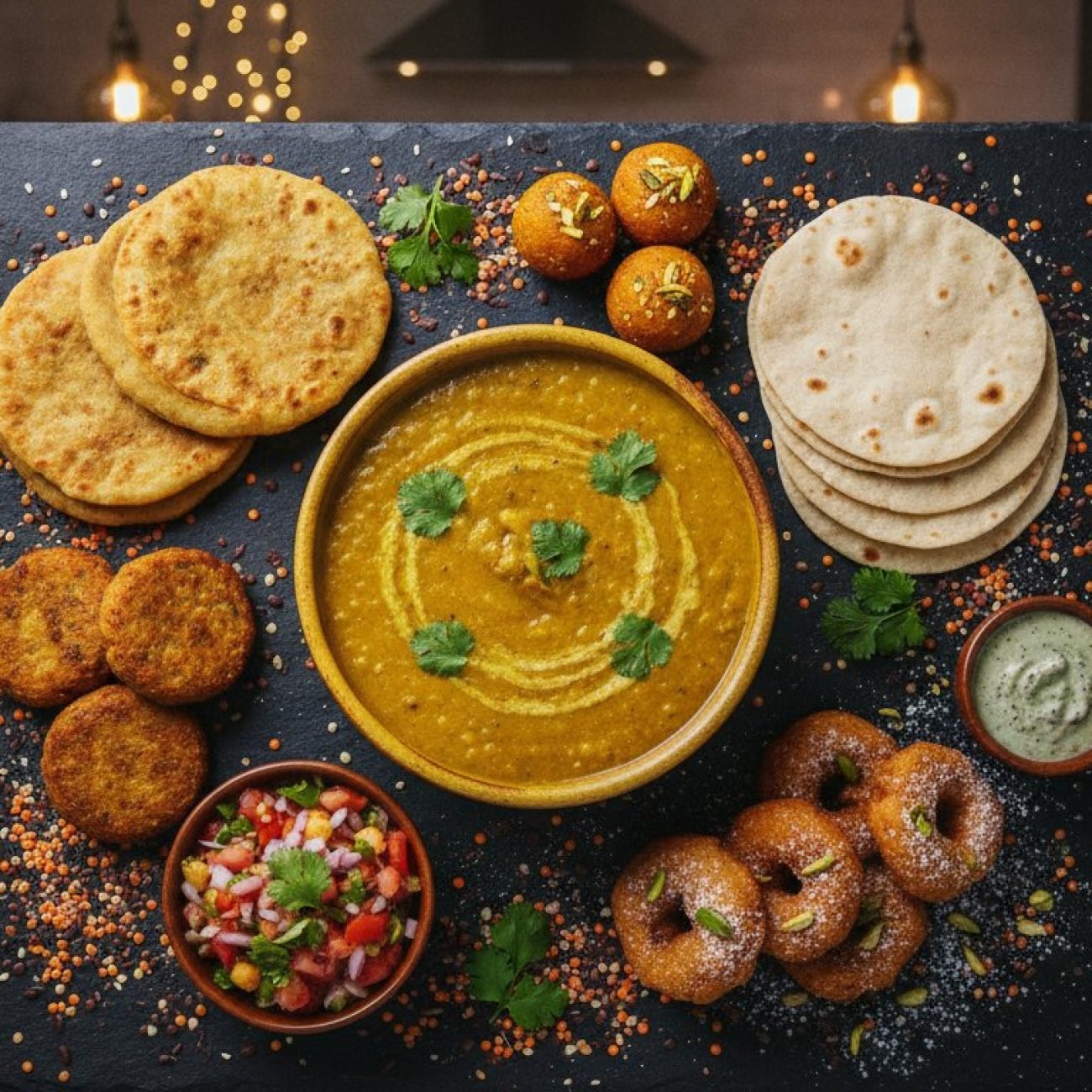
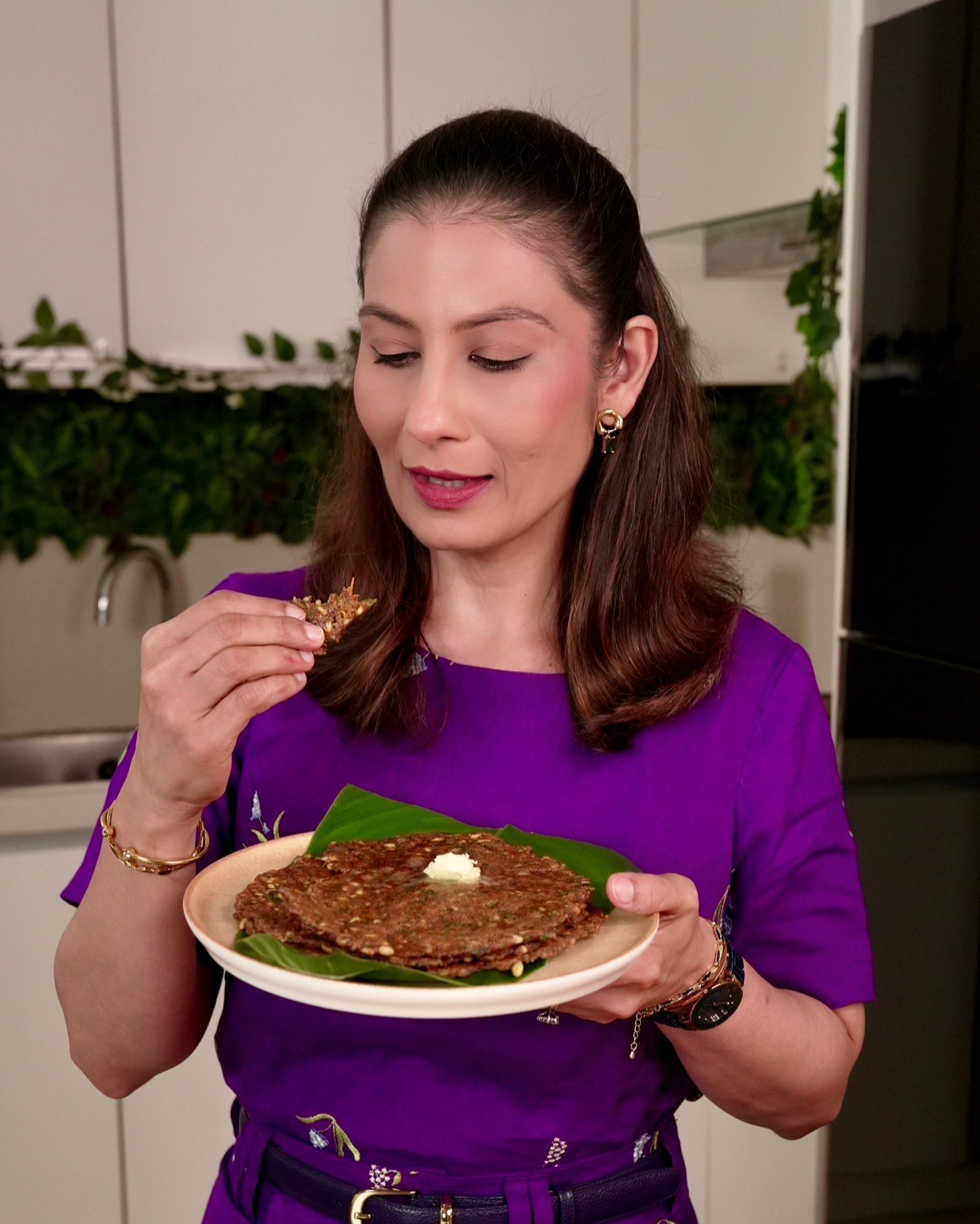
That bowl of dal sitting in your fridge isn’t just a leftover; it’s a powerhouse of flavor and nutrition waiting for a second life. In a world where we’re all trying to reduce food waste and eat healthier, leftover dal is a secret weapon. It’s the ultimate head start to a quick, delicious, and protein-packed meal that your family will love—without even realizing they’re eating yesterday’s dinner!
Forget the guilt of throwing away good food. Instead, embrace the philosophy of “Zero-Waste Magic,” where we transform what seems like a kitchen liability into a gourmet asset. This is more than just being frugal; it’s about smart, sustainable cooking that saves you time, boosts your family’s nutrition, and unlocks a new level of creativity in your kitchen. Let’s dive into the world of leftover dal recipes and discover how to turn this humble staple into your next favorite meal.
Why Leftover Dal is Your Secret Kitchen Superpower
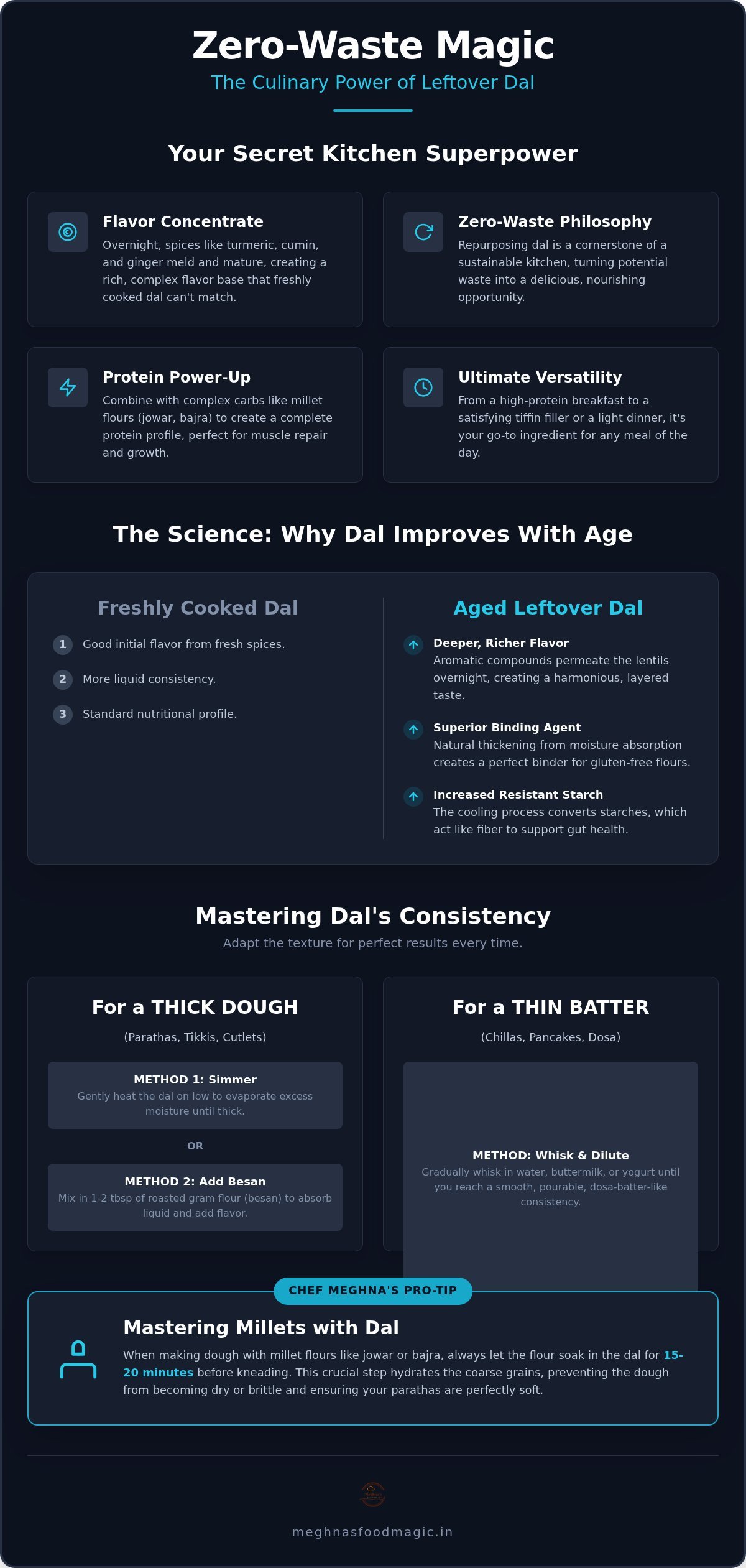
Think of leftover dal not as old food, but as a culinary “flavor concentrate.” Overnight, the spices—turmeric, cumin, coriander, and ginger—have had time to meld and mature, infusing every single lentil with a depth of flavor that freshly cooked dal simply can’t match. This aged dal is thicker, richer, and perfectly pre-seasoned, making it an incredible base for a variety of dishes.
- A Flavor Concentrate: The spices have fully bloomed and permeated the lentils, creating a rich, complex flavor profile that serves as a perfect foundation for new creations.
- The Zero-Waste Magic Philosophy: Repurposing dal is a cornerstone of a sustainable kitchen. It’s an act of mindfulness that honors the resources used to create the meal, turning potential waste into a delicious and nourishing opportunity.
- Protein-Sparing Power: When you combine this protein-rich dal with complex carbohydrates like millets (jowar, bajra, ragi), you create a complete protein profile. This helps your body use the protein for muscle repair and growth, rather than for energy.
- Ultimate Versatility: From a quick, high-protein breakfast to a satisfying tiffin box filler or a light yet filling dinner, leftover dal is your go-to ingredient for any meal of the day.
The Nutritional Value of Aged Lentils
Beyond the enhanced flavor, leftover dal offers some surprising nutritional advantages. The process of cooking, cooling, and refrigerating can change its composition in beneficial ways.
- Increased Resistant Starch: When dal is refrigerated overnight, some of its starches can convert into resistant starch. This type of starch functions similarly to soluble fiber, feeding the good bacteria in your gut and promoting better digestive health.
- Higher Protein Density: As excess water evaporates or gets absorbed, leftover dal becomes thicker. This means each spoonful is more concentrated with protein and fiber compared to its freshly cooked, more liquid counterpart.
- Deeper Flavor Without Extra Oil: The matured spices provide a robust taste, so you don’t need to add extra tadka, oil, or ghee to make your next dish flavorful. You’re starting with a base that’s already delicious.
Culinary Therapy: Cooking as Self-Care
Transforming leftovers is more than just a kitchen chore; it’s an act of creative expression and self-care. It’s about finding joy in resourcefulness and building confidence in your ability to create something amazing from simple ingredients.
- The Joy of Repurposing: There’s a unique satisfaction that comes from turning a simple bowl of dal into crispy parathas or savory pancakes. This creative process can be a powerful stress-reliever.
- Building Kitchen Confidence: Mastering zero-waste cooking shows you that you can be adaptable and innovative. It encourages you to experiment and trust your culinary instincts.
- A Head Start on Healthy Eating: On busy days, having a pre-made, flavor-packed base like leftover dal is a game-changer. It’s the ultimate meal prep hack, giving you a running start on a healthy, home-cooked meal.
The Culinary Science: Why Dal Improves with Age
Have you ever noticed that leftover dal not only tastes better but also behaves differently? There’s a fascinating science at play that makes aged dal a superior ingredient for many recipes. Understanding this “why” is the key to unlocking its full potential and moving from simply following a recipe to truly mastering the technique.
- Moisture Absorption: After cooking, lentils continue to absorb any free-standing liquid. This is why dal thickens in the fridge. This natural thickening process creates a denser, paste-like consistency ideal for binding flours.
- A Superior Binding Agent: Cold, thick dal is an exceptional binder, especially for gluten-free flours like jowar, bajra, and ragi, which lack the gluten that traditionally holds dough together. The starches from the lentils create a sticky matrix that results in a soft, pliable dough.
- Flavor Maturation: The magic of flavor development happens overnight. Aromatic compounds from spices like cumin, ginger, and garlic are oil-soluble. As the dal cools and rests, these compounds slowly and deeply permeate the starchy structure of the lentils, creating a harmonious and layered taste that is impossible to achieve in a freshly made dish.
Chef Meghna’s Note: The secret to working with millets is understanding their nature. Grains like jowar and bajra have a coarse texture and absorb moisture differently than wheat. Soaking them for even 15-20 minutes before mixing with dal allows the grains to hydrate properly. This pre-soaking step is crucial for achieving a soft, non-brittle texture in your final parathas or chillas. It’s a small step that makes a world of difference.
Managing Consistency for Different Recipes
The beauty of leftover dal is its adaptability. Its consistency can be easily manipulated to suit whatever you’re making. Mastering this is the key to perfect texture every time.
- Thickening for Dough: If your dal is too watery for making a paratha dough, simply simmer it on low heat for a few minutes to evaporate the excess moisture. Alternatively, you can add a tablespoon of roasted gram flour (besan) to absorb the liquid and add a nutty flavor.
- Thinning for Pancakes: For recipes like chillas or savory pancakes, you’ll want a pourable batter. Whisk in a little water, buttermilk, or yogurt to your thick dal until you reach a smooth, dosa-batter-like consistency.
- The Role of Temperature: Remember that cold dulls flavor. Cold dal taken straight from the fridge might taste flat. A “zing” from a fresh ingredient like lemon juice, chopped cilantro, or green chilies can instantly reawaken the flavors before you repurpose it.
Millet Integration: The Perfect Pairing
While whole wheat flour is a classic choice, pairing leftover dal with millets elevates your meal from simply resourceful to exceptionally nutritious. Millets are gluten-free, high in fiber, and packed with micronutrients, making them an ideal choice for a healthy, modern Indian kitchen.
- Moisture for Millet Flours: Flours like jowar (sorghum) and bajra (pearl millet) are naturally dry and need a good moisturizing agent to form a soft dough. Leftover dal provides not just moisture but also protein and flavor, creating rotis and parathas that are soft and delicious.
- A Complete Amino Acid Profile: The combination of legumes (dal) and grains (millets) is a cornerstone of a balanced vegetarian diet. Together, they provide all the essential amino acids your body needs, creating a complete protein that is vital for muscle health and overall wellness. For a deeper dive into modern healthy cooking, understanding how to choose the right tools is essential. Learn more by reading our guide on how to choose between an oven, microwave, or air fryer.
Protein-Packed Transformations: From Chillas to Millet Parathas
Now, let’s get to the magic! It’s time to transform that bowl of dal into something spectacular. These recipes are quick, require minimal effort, and are designed to be both healthy and irresistibly tasty. They prove that leftover dal recipes can be the highlight of your day.
- The Ultimate Millet Dal Paratha: This is a game-changer for breakfast or tiffin boxes. Combine 1 cup of thick leftover dal with 1.5 cups of millet flour (like ragi or bajra), finely chopped onions, cilantro, and a pinch of ajwain (carom seeds). Knead into a soft dough without adding extra water. Roll out and cook on a hot tawa with a touch of ghee for a low-GI, high-protein meal that keeps you full for hours.
- Leftover Dal Chilla (Savory Pancake): For a super-fast and light meal, thin out your leftover dal with a little water to get a pancake-batter consistency. You can add grated vegetables like carrots or zucchini for extra nutrition. Pour a ladleful onto a hot, greased non-stick pan and cook on both sides until golden brown. Serve hot with green chutney.
- Air-Fried Dal Vada: Craving a crunchy snack without the guilt of deep-frying? Mix thick dal with rice flour, chopped onions, green chilies, and curry leaves. Shape the mixture into small, flat vadas. Place them in a preheated air fryer and spray with a little oil. Air fry at 180°C (350°F) for 12-15 minutes, flipping halfway, until crisp and golden. For a visual guide on achieving the perfect texture, explore our video demonstrations on Chef Meghna’s YouTube channel.
Chef Meghna’s Notes: Is your paratha dough turning out too dry or hard? The culprit is usually the flour-to-dal ratio. Start by adding flour to your dal gradually, not the other way around. The moisture content in leftover dal varies, so let the dal dictate how much flour you need. If the dough feels stiff, add a teaspoon of yogurt or oil—not water—to soften it. This keeps the dough pliable and ensures your parathas are beautifully soft.
The Air Fryer Revolution for Leftovers
The air fryer is a magical tool for reinventing leftovers. It uses circulating hot air to create a crispy, crunchy texture with minimal oil, making it perfect for healthy snacking.
- Crispy Dal Nuggets for Kids: Mix thick dal with mashed potatoes or paneer, add some breadcrumbs, and shape into nuggets or tikkis. Air fry until golden brown for a snack that kids will devour.
- Reviving the Crunch: The key to a good air-fried snack is the right temperature. A moderate temperature of 180°C (350°F) is usually perfect for cooking the inside while crisping up the outside without burning.
Fussy Eater Hacks: Hiding Nutrition
Leftover dal is a fantastic vehicle for sneaking in extra nutrition for picky eaters. Its strong, savory flavor profile can easily mask the taste of vegetables and other healthy ingredients.
- Rainbow Parathas: Blend spinach, beetroot, or carrots and mix the puree into your dal-millet dough. The vibrant colors will entice kids, and they won’t even notice the hidden veggies.
- Creamy Protein Pasta Sauce: Blend leftover yellow dal (like toor or moong) with a little milk or water until it’s silky smooth. Heat it in a pan with some garlic and herbs to create a creamy, protein-rich pasta sauce that’s a fantastic healthy alternative to cheese-based sauces.
- Making Millets Taste “Normal”: To introduce kids to millets, start with a 50/50 blend of whole wheat flour and millet flour in your dal parathas. The familiar taste of dal and wheat will make the transition smoother.
Zero-Waste Mastery: Safe Storage and Reheating Techniques
Enjoying leftover dal recipes starts with ensuring the dal itself is stored safely and correctly. Proper handling not only prevents foodborne illness but also preserves the dal’s flavor and nutritional integrity. Embracing a zero-waste kitchen is a skill, and it begins with these fundamental practices.
- Cool Down Quickly: Never leave cooked dal sitting at room temperature for more than two hours. To cool it down fast, transfer it from the hot cooking pot to a shallow container. This increases the surface area and allows heat to dissipate quickly.
- The “Scent and Sight” Test: Before using leftover dal, always trust your senses. If it has a sour or off-smell, a slimy texture, or any signs of mold, discard it immediately. When in doubt, throw it out.
- Reheat the Right Way: The best way to reheat dal is on the stovetop over low heat. This gentle heating preserves its texture. Microwaving can sometimes cause lentils to explode or become mushy. If you do use a microwave, heat in short 30-second intervals and stir in between.
- Glass Over Plastic: I always recommend storing food, especially warm food, in glass containers. Glass is non-porous and won’t leach chemicals into your food. It’s also easier to clean and doesn’t retain stains or odors from spices like turmeric.
Freezing vs. Refrigeration
Knowing when to refrigerate and when to freeze is key to managing your leftovers effectively.
- Refrigeration: Leftover dal can be safely stored in an airtight container in the fridge for up to 2-3 days. This is perfect for quick, next-day transformations.
- Freezing for a Future Meal: For longer storage, the freezer is your best friend. Dal freezes beautifully and can last for up to 2-3 months. Portion it into freezer-safe containers for easy, single-meal-sized servings.
- Thawing Techniques: The best way to thaw frozen dal is to move it from the freezer to the refrigerator the night before you plan to use it. This slow thawing helps maintain the texture of the lentils. If you’re short on time, you can use the defrost setting on your microwave.
The “Scrap to Snack” Process
A truly sustainable kitchen goes beyond just repurposing leftovers; it’s about using every part of your ingredients. This “scrap to snack” mindset minimizes waste and maximizes value.
- Collect Your Scraps: Keep a bag in your freezer for vegetable peels and ends (like carrot peels, onion skins, and cauliflower stems). Once the bag is full, you can boil them to make a nutritious vegetable stock, perfect for your next soup or for thinning out dal.
- Mindful Habits: Practice sustainable habits like using the water from boiled vegetables or soaked lentils (aquafaba) in your cooking. This nutrient-rich water adds flavor and vitamins to your dishes. For more ideas on creating a sustainable kitchen, explore our 10 zero-waste kitchen tips.
- Inspiration on Demand: For a collection of creative ideas on turning leftovers into masterpieces, check out my dedicated Leftover Food Recipes playlist on YouTube.
Chef Meghna’s Signature Leftover Dal Creations
Ready to move beyond parathas and chillas? Here are some of my signature leftover dal recipes that truly showcase the versatility of this humble ingredient. These creations are born from my “Cake Therapy” philosophy—the idea that cooking should be a joyful, therapeutic, and creative process.
- Signature Recipe 1: The “Millet Magic” Dal Handvo (Savory Cake): Handvo is a traditional Gujarati savory cake, and it’s the perfect vehicle for leftover dal. Mix 1 cup of thick dal with 1 cup of semolina (sooji) and ½ cup of jowar flour. Add grated bottle gourd (dudhi/lauki), yogurt, and a pinch of fruit salt (Eno). Pour into a greased pan and bake or steam until cooked through. Finish with a traditional tadka of mustard seeds, sesame seeds, and curry leaves.
- Signature Recipe 2: Protein-Enriched Dal & Oats Savory Muffins: This is a fantastic tiffin idea for both kids and adults. Blend 1 cup of leftover dal with ½ cup of rolled oats, 1 egg (or a flax egg), and your favorite chopped vegetables. Season with herbs, pour into a muffin tin, and bake at 180°C (350°F) for 20-25 minutes. They are moist, filling, and packed with protein.
- Join the Community: For daily kitchen inspiration and to see how thousands of others are turning their leftovers into magic, join me on Instagram!
Chef Meghna’s Notes: The Pro-Tips
Here are a few professional secrets to ensure your leftover creations are always a success and look as good as they taste.
- Vegan & Dairy-Free Swaps: To make these recipes vegan, use a plant-based yogurt (like coconut or peanut) instead of dairy yogurt for softening doughs. For savory muffins, a flax egg (1 tbsp ground flaxseed + 3 tbsp water) is an excellent substitute for a regular egg.
- Adjusting Spice Levels: If your original dal was very spicy, you can balance the heat by adding a neutralizing ingredient like mashed potatoes, grated paneer, or a little yogurt to the mixture before creating your new dish.
- Garnishing is Everything: Make your leftovers look like a five-star meal with a simple garnish. A sprinkle of fresh cilantro, a swirl of yogurt, a scattering of pomegranate seeds, or a topping of toasted sesame seeds can instantly elevate the visual appeal of your dish.
Next Steps: Your Journey to Food Magic
Embracing leftover dal recipes is the first step on a wonderful journey toward a more creative, sustainable, and healthy kitchen. It’s about seeing the potential in every ingredient and celebrating the magic of transformation.
- Explore the full Free Digital Recipe Database for thousands of recipes focusing on millets, high-protein meals, and zero-waste cooking.
- Subscribe to Chef Meghna’s YouTube channel for step-by-step video guides that make cooking easy and fun.
Remember, every meal is an opportunity to create something special. With a little creativity, yesterday’s dal can become today’s celebration of health and flavor. Happy cooking!
Frequently Asked Questions (FAQs)
- How long can I safely keep leftover dal in the fridge?
You can safely store leftover dal in an airtight container in the refrigerator for 2-3 days. Always perform a quick smell and sight check before using it.
- Can I use any type of dal for these leftover recipes?
Absolutely! While thicker dals like toor, chana, or masoor work best for doughs and patties, you can use any dal. If your dal is thin, simply simmer it for a few minutes to thicken it before using.
- How do I stop my dal parathas from becoming too hard or dry?
The key is the dough’s moisture. Don’t add all the flour at once; add it gradually to the dal until a soft, pliable dough forms. Adding a teaspoon of oil or yogurt can also help keep the parathas soft.
- Is it healthy to eat leftover dal if I am trying to lose weight?
Yes, it’s an excellent choice! Leftover dal is a high-protein, high-fiber base. When transformed into healthy, low-oil dishes like millet parathas or air-fried vadas, it makes for a very satisfying and weight-loss-friendly meal.
- Can I make these recipes gluten-free using millets?
Yes, millets like jowar, bajra, and ragi are naturally gluten-free and are a fantastic, nutritious alternative to wheat flour for making parathas, chillas, and other savory dishes.
- What should I do if the leftover dal smells slightly sour?
If the dal smells even slightly sour or off, it’s a sign that it has started to spoil. Do not consume it. It’s always best to err on the side of caution and discard it.
- How can I make my kids eat leftover dal without them knowing?
Transforming it is the best trick! Making crispy dal tikkis, savory muffins, or using it as a creamy pasta sauce are great ways to serve it in a new, unrecognizable form that kids will love.
- Is it better to reheat dal on the stove or in the microwave?
Reheating on the stovetop over low heat is generally better as it heats the dal evenly and helps preserve its texture. The microwave is faster but can sometimes make the lentils mushy if overheated.
Disclaimer
This is a recipe food blog page and not nutrition or doctor and hence do not claim to cure any illness. If you have specific health issues please consult a qualified doctor or certified nutritionist.
I do consult experts, research Internet and at times seek help from Gemini to collect relevant information to put together some of these blogs.

