
How to Reverse Post-Festive Weight Gain Naturally
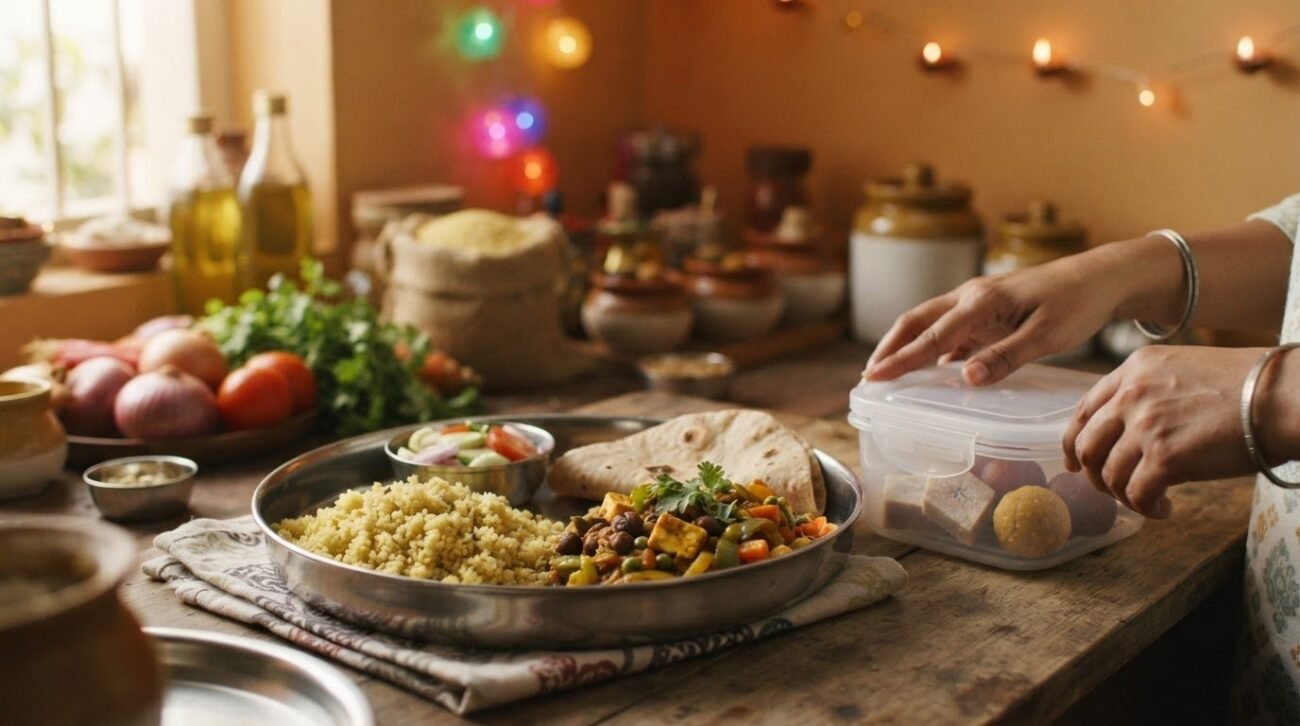
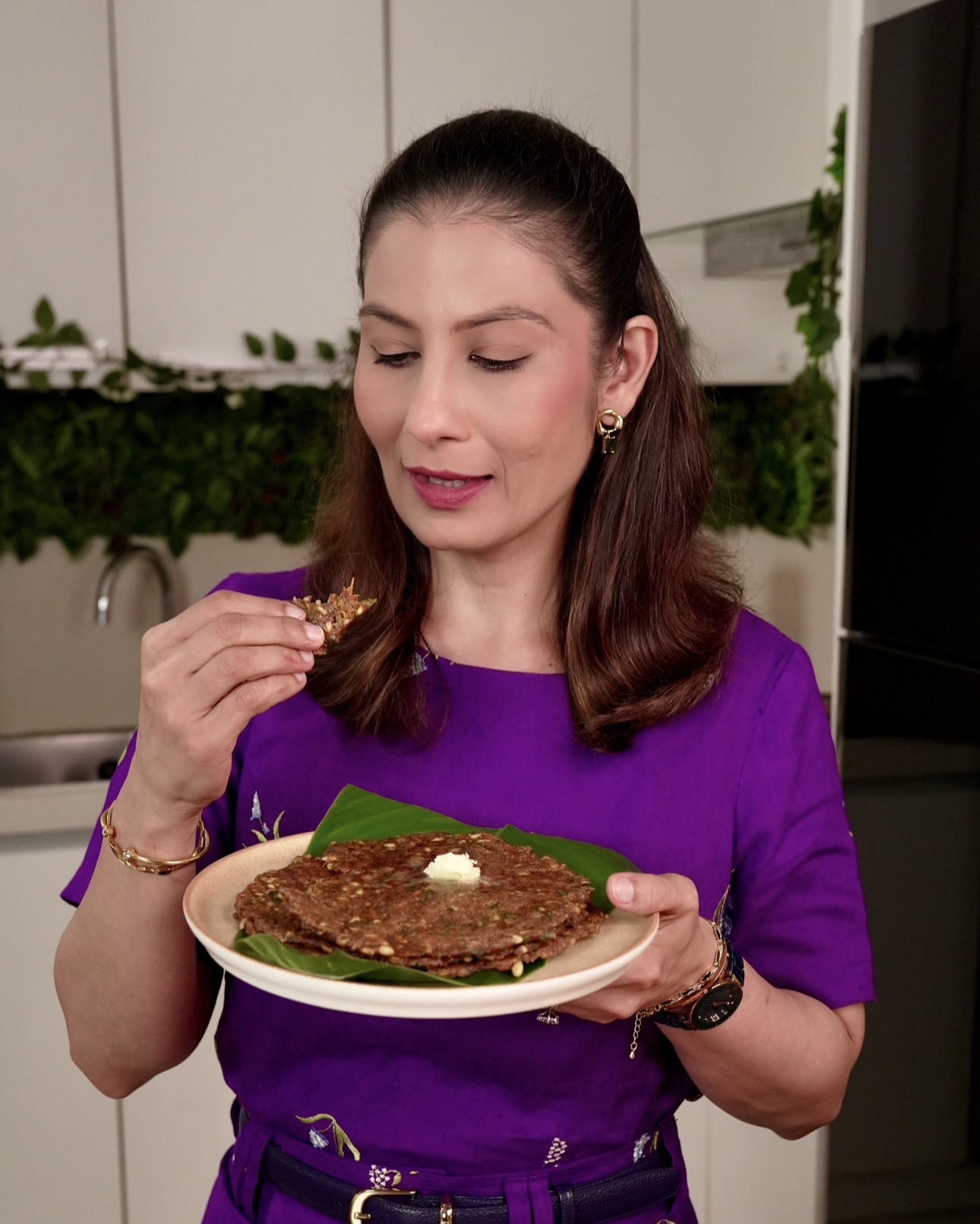
A celebratory meal doesn’t call for a crash diet. Dealing with post-festive-season weight gain starts with balanced meals and regular movement, not extreme restriction. Average weight gain around Christmas and New Year is about 0.55 kilograms, but food and fluid can also shift the scale. Focus on steady habits rather than a quick fix.
It’s natural to want a reset after days of rich meals and treats. But dealing with post-festive-season weight gain doesn’t mean giving up the flavours and family rituals you enjoy. Thoughtful changes can restore balance while keeping meals satisfying.
You’ll learn how to plan nourishing meals, enjoy family activities, manage portions without banning favourite foods, and store leftovers to curb mindless snacking. These practical steps can help you return to everyday routines, one feel-good choice at a time.
Key Takeaways
- Build everyday meals around vegetables, fruit, whole grains, and satisfying protein instead of relying on restrictive resets.
- Plan balanced meals and nourishing snacks ahead so busy days don’t leave you overly hungry at dinner.
- Make movement enjoyable by inviting family or friends to join you for a walk, yoga, or gentle stretching.
- Serve yourself mindfully, then pause before deciding whether you want more.
- Pack away festive treats and leftovers after meals to make grazing less automatic.
1. How to recover from festive season weight gain?
Start by returning to regular meals, familiar portions, and movement you can sustain. Average weight gain around Christmas and New Year is about 0.55 kilograms, but a scale change after a holiday meal doesn’t reveal its cause. Salty foods, sweets, larger meals, and changes in routine can affect fluid balance and digestion. One festive day doesn’t require a punishing diet the next morning.
Choose a steady reset instead. Eat regular meals rather than saving most of your food for dinner, and don’t skip breakfast to compensate for a celebration. Skipping an earlier meal can leave you hungrier later, making it harder to notice fullness. Build your routine around balanced choices, then give it time to feel familiar again.
How much is water weight versus body fat? There’s no fixed share that applies to everyone, and a scale reading can’t distinguish water from fat. After salty, sugary, or unusually large meals, fluid retention and food still being digested can contribute to temporary changes.
How quickly can you safely lose weight? There isn’t one safe timeline for everyone, so avoid chasing a rapid drop after the holidays. Return to balanced eating and regular activity; progress comes from sustained habits, not one strict day.
What Indian foods and meal plans can help? Try eggs or curd for breakfast, dal with vegetables and roti or rice for lunch, and paneer or beans with vegetables for dinner. Add fruit, whole grains, or nuts as snacks, and include a protein source with meals. Familiar foods can make a balanced routine easier to repeat.
How much sleep and water support weight management? Adults are advised to aim for 7 to 9 hours of quality sleep each night and 8 to 10 glasses of water a day. Keep water nearby, and use a calming bedtime routine instead of late-evening caffeine or scrolling.
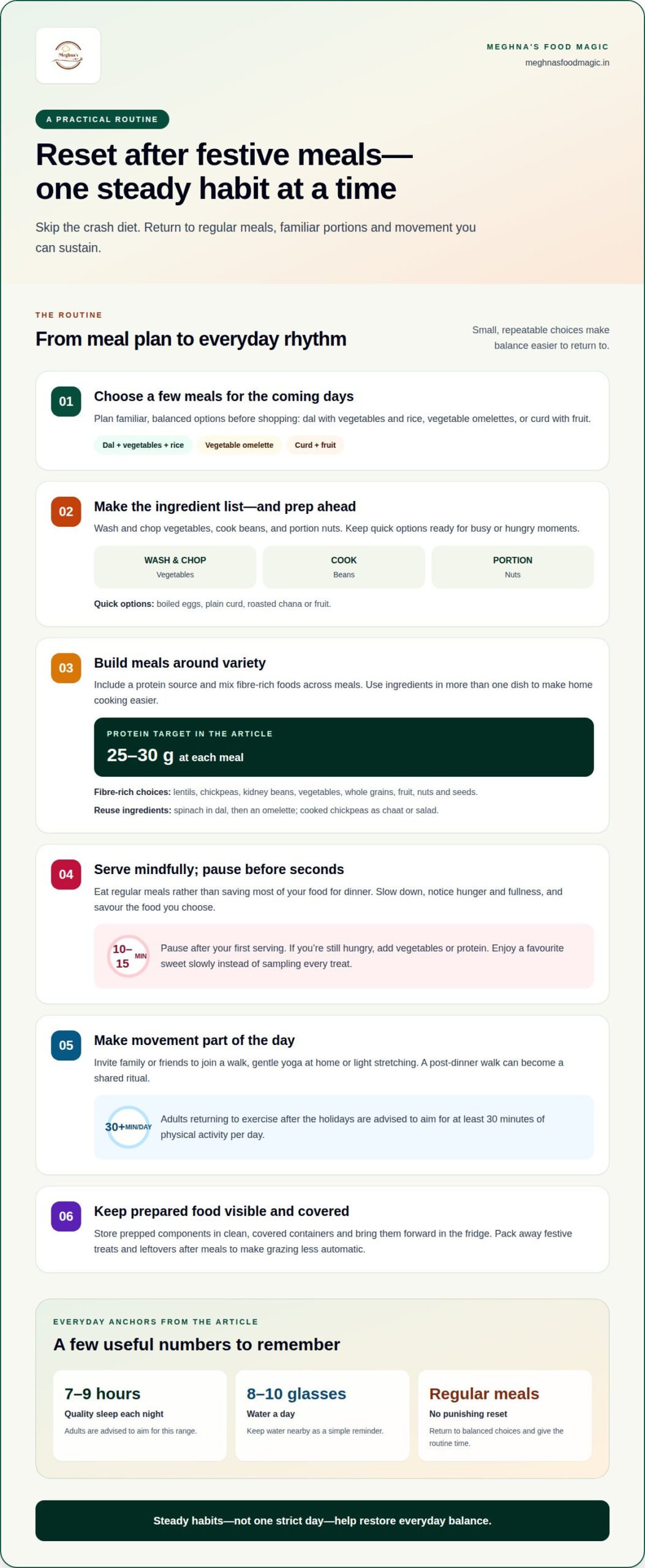
At meals, slow down and notice hunger and fullness cues. Take a few breaths before eating, savour each bite, and pause after your first serving for 10 to 15 minutes. If you’re still hungry, add vegetables or protein; choose a favourite sweet and enjoy it slowly rather than sampling every treat.
Are detox diets, fasting, or weight-loss supplements safe and effective? Extreme dietary changes aren’t needed after festive eating; return to balanced meals instead. Don’t treat supplements or detox claims as substitutes for everyday food habits.
When should weight gain be checked by a doctor? Seek medical advice if the gain continues after you return to your usual routine, or comes with new symptoms such as swelling or breathlessness. A clinician can assess the pattern and symptoms rather than relying on a single scale reading.
2. Processed foods and advance planning
After festive meals, salty, sugary, or processed foods can contribute to water retention and bloating. Ready-made snacks and meals may also make it harder to shape portions around your needs. You don’t need to ban every packaged food. Instead, keep home-prepared ingredients within easy reach, so a nourishing choice is convenient when hunger arrives.
Start with a simple planning routine. Before shopping, choose a few meals for the coming days, then list the ingredients you’ll need. For example, plan dal with vegetables and rice, vegetable omelettes, or curd with fruit. Wash and chop vegetables, cook beans, and portion nuts ahead. Having food ready can make rich snacks less tempting when you’re tired or short on time.
Build meals with fibre-rich ingredients that add texture and help you feel satisfied. In Indian kitchens, these can include lentils, chickpeas, kidney beans, vegetables, whole grains, fruit, nuts, and seeds. Add beans to a salad, stir vegetables into dal, or serve fruit with breakfast. Fibre-rich foods bring variety, while whole grains such as oats or brown rice offer another practical option.
How much protein and fibre should you eat for weight loss? Aim for about 25 to 30 grams of protein at each meal, a weight-management target. There isn’t one fibre amount that suits every person; include varied sources such as legumes, vegetables, fruit, whole grains, nuts, and seeds across meals. Pairing protein with fibre-rich foods makes meals more substantial.
Use a flexible plan, not a rigid menu. If lunch is dal and roti, prepare extra chopped vegetables for dinner; if your schedule changes, keep boiled eggs, plain curd, roasted chana, or fruit ready. For a quick breakfast option, chila recipe ideas can add variety to meal planning. Keep sweets enjoyable, but plan when you’ll have them rather than grazing straight from a packet.
Choose dishes that share ingredients. Spinach can go into dal one day and an omelette another; cooked chickpeas can become chaat or salad. This reduces forgotten produce and makes home cooking feel less demanding. Store prepped components in clean, covered containers, and bring them forward in the fridge so the next meal is visible. To give cooked extras a new role, try leftover food recipe ideas.
For further everyday cooking inspiration, explore Meghna’s recipe videos. A little advance preparation can turn balanced eating from a good intention into an easier choice on a busy day.
Add beans, berries, whole grains, and dried fruits for fibre and satisfying texture. Bring a nourishing dish that fits your health goals to gatherings.
3. Physical activity with family and friends
Make movement part of family time, not another festive-season chore. Adults returning to exercise after the holidays are advised to aim for at least 30 minutes of physical activity per day. A walk with relatives, gentle yoga at home, or light stretching offers a manageable way to restart. Choose an activity everyone can enjoy, then make it part of the day’s rhythm.
A post-dinner walk can turn the transition from a rich meal into a pleasant shared ritual. Invite family members to stroll nearby. Conversation gives the walk a social focus, while fresh air makes it feel different from another indoor task. Keep the pace comfortable enough for everyone to join.
Not every outing needs to look like formal exercise. Friends can walk to a local market, take the stairs together, or play a casual game in the courtyard. These everyday choices add movement without special equipment. Agree on a shared plan, such as walking together after dinner, so activity doesn’t depend on finding extra time alone.
For a quieter option, try a gentle yoga flow or light stretching in the living room. One person can choose a simple sequence while others follow at their own pace. Stretching after sitting through a long visit or car journey can create a natural pause. Keep movements comfortable, and stop any stretch that causes pain.
Children and older relatives may prefer different activities. Offer choices: a relaxed walk, a family dance break, or gentle stretches beside a chair. The goal is shared participation, not matching speed or ability. Let each person choose a comfortable role, such as picking the walking route or leading the next stretch.
Plan an outing around the weather and family schedule. A morning park walk may suit a cooler day; an indoor movement break can work when rain interrupts plans. Carry water and pack fruit if the outing overlaps with mealtime. A whole-grain sandwich can make a simple picnic more satisfying without making the walk all about food.
Keep the routine flexible. If a family gathering runs late, choose a gentle stroll rather than abandoning movement entirely. If friends meet for tea, suggest walking together before sitting down. Small, repeatable plans are easier to sustain than sudden, demanding workouts, especially after a break from regular activity.
Let conversation, fresh air, and shared plans make movement enjoyable. A walk after dinner, weekend yoga with family, or light stretching with a friend can help bring regular activity back into everyday life. For those looking to support their active routine with clean fuel, functional nutrition companies such as Mānuka Performance offer science-backed options to help sustain natural energy. Choose an option that suits the group, and return to it consistently.
4. Portion control
Enjoying festive favourites and managing portions can sit comfortably at the same table. Instead of banning foods you love, decide what belongs on your plate before serving. A smaller plate can help keep portions moderate, while a deliberate first serving gives you a chance to enjoy each dish without eating automatically.
When serving a meal at home, fill half the plate with vegetables. Use the remaining space for moderate portions of protein and carbohydrates, such as dal with rice or paneer with roti. This visual guide helps balance your plate when calorie information isn’t available. It also gives vegetables a clear place beside foods that bring flavour and satisfaction.
At a family gathering, choose a spoonful of the side dishes you genuinely enjoy instead of sampling everything in large amounts. For example, serve a small taste of a rich curry alongside vegetables and your usual main meal. This keeps favourite flavours on the menu, while a planned portion helps prevent returning to the serving dish out of habit.
Give your body time to register the meal. After your first serving, wait 10 to 15 minutes before deciding whether you want more. Use that pause to talk with family or clear the table. If hunger remains, choose a nutrient-dense addition such as vegetables or protein, rather than taking another helping simply because food is nearby.
What calorie deficit is recommended for gradual weight loss? There isn’t one calorie deficit that suits everyone; energy needs depend on factors such as body size, activity, and usual eating habits. Focus on sustainable balanced meals and portions, rather than sharply cutting food or trying to compensate for one festive meal.
Notice what changes your portion without adding much enjoyment. Eating straight from a snack packet makes it harder to see how much you’ve had; putting a serving in a bowl creates a clear stopping point. At meals, sit down, eat slowly, and check whether you’re still hungry before taking seconds. These small steps can make portion choices more intentional.
Use the same approach for sweets. Choose a favourite dessert, serve a modest piece, and savour its texture instead of eating several treats quickly. Dessert doesn’t have to be a reward for eating less earlier. A satisfying meal with a considered sweet portion can make your routine feel balanced, not restrictive.
Portion control works best as a repeatable habit, not a strict rule for every meal. A half-plate of vegetables, a considered first serving, and a short pause before seconds offer practical cues. Together, they help you enjoy festive foods while making everyday choices more mindful.
5. Storing leftovers to prevent snacking
Food left on the counter can invite grazing after a meal. Once everyone has finished eating, pack away dishes such as pulao, paneer curry, sweets, and savoury snacks. Put treats out of sight, and leave only food planned for the next meal within easy reach. This simple change makes snacking less automatic.
Set out clean, covered containers before serving a family meal. After dinner, divide leftovers into meal-sized portions instead of storing everything in one large dish. For example, keep enough dal and rice together for lunch, and store extra vegetable sabzi separately. Smaller portions are easier to use deliberately than a large container you repeatedly open for a bite.
Make leftovers visible for a purpose. Label each container with its contents and date, then place planned meals where you’ll see them when opening the fridge. Keep sweets and fried snacks less visible. This arrangement helps distinguish tomorrow’s lunch from food you’re tempted to nibble while looking for something else.
Give each leftover a fresh role. Add cooked vegetables to an omelette, fold extra paneer into a roti wrap, or stir leftover dal into a thicker soup. These combinations refresh flavour and texture while helping you use food already prepared. Pair the dish with fruit or a simple salad for more variety.
Keep flavours lively when repurposing food. A squeeze of lemon, chopped coriander, or a spoonful of curd can brighten yesterday’s vegetables without turning them into another heavy dish. Add peas and carrots to leftover rice in a pan, then serve a planned portion. The aim is an enjoyable meal, not constant sampling while cooking.
Make a simple routine after gatherings. Ask one family member to gather serving dishes, another to portion food, and someone else to clear the table. Put away snacks before settling down to watch television, since visible food can prompt eating without hunger. After cleanup, serve water or tea and shift attention to conversation, reading, or gentle movement.
Use a quick “eat, share, or store” decision for each dish. Keep a portion for a planned meal, share suitable extras with guests, and put away treats you intend to enjoy later. If a dish won’t fit into upcoming meals, don’t leave it on display. This keeps food choices intentional and reduces waste without making leftovers a test of willpower.
Meghna’s Food Magic: Free Digital Recipe Database
Meghna’s Food Magic offers a free digital recipe database with High Protein Recipes, Weight Loss Fitness Recipes, and Millets Recipes. Explore it for inspiration when planning satisfying meals that suit your tastes and everyday routine.
Two simple recipe ideas
Moong chilla: Soak ½ cup split yellow moong dal until soft, then blend with ¼ cup water, ¼ teaspoon cumin, and a pinch of salt. Stir in 2 tablespoons chopped coriander. Spread half the batter in a lightly oiled pan and cook both sides; repeat with the remaining batter.
Apple yoghurt bowl: Spoon ¾ cup plain yoghurt into a bowl. Top with ½ chopped apple, 1 tablespoon rolled oats, and 1 teaspoon chopped almonds. Mix just before eating for a creamy, crisp breakfast or snack.
Chef Meghna’s Notes
If chilla batter feels too thick to spread, blend in water gradually. For a softer apple bowl, let the oats sit briefly in the yoghurt; swap almonds for chopped walnuts if you prefer.
Explore Meghna’s Food Magic for more recipe ideas to bring into your kitchen.
Make your next choice a kind one
Dealing with post-festive-season weight gain doesn’t need to become a test of willpower. Treat your next meal as a fresh opportunity to care for yourself, not a chance to make up for yesterday. Notice which routines feel satisfying and practical, then keep the ones that fit your real life. A nourishing pattern grows through choices you can return to, even when family plans, work, or celebrations change the day.
Give yourself room to adjust. If a plan feels too demanding, simplify it; consistency comes from a routine you can actually live with. Keep enjoyment on the table, and take pride in each thoughtful choice. Your next step can be small, warm, and entirely your own.
Keep going with patience and curiosity. For an extra boost of encouragement on your personal growth journey, tuning into motivational content at thedeterminedsociety.com can help you stay focused and determined. You can build a balanced rhythm that feels good beyond the festive season.
Frequently Asked Questions
How can I recover from festive season weight gain?
Return to a routine that fits your ordinary week rather than trying to compensate for celebrations. For example, plan a familiar breakfast, pack lunch before work, and keep an easy dinner ingredient ready, such as cooked dal or chopped vegetables. This makes balanced choices more accessible when the day gets busy. Look at patterns over time, not one morning’s scale reading, and adjust habits gently instead of skipping meals.
What exercise routine helps lose weight after the holidays, including walking and strength training?
Combine regular walking with strength exercises that use your body weight or simple household items. Adults returning to exercise are advised to aim for at least 30 minutes of physical activity per day. A brisk walk can provide the day’s movement; add exercises such as chair squats, wall push-ups, or lifting light water bottles at a comfortable pace. Choose movements you can repeat consistently, and build gradually rather than starting with an exhausting workout.
How can I return to healthy habits without crash dieting or guilt?
Choose one manageable action at a time, such as preparing tomorrow’s breakfast or taking an evening walk. If a celebration changes your plans, resume your usual routine at the next meal instead of restricting food to “make up” for it. Keep favourite foods in your life and serve them intentionally. Focus on habits that support energy and enjoyment. A flexible approach is easier to continue through busy workdays and family occasions.
How much weight gain after festive eating is usually water weight versus body fat?
There’s no fixed share that applies to everyone, and a scale reading can’t distinguish water from fat. Fluid retention and food still being digested can cause temporary changes after salty, sugary, or unusually large meals.
Disclaimer
This is a recipe food blog page and not nutrition or doctor and hence do not claim to cure any illness. If you have specific health issues please consult a qualified doctor or certified nutritionist.
I do consult experts, research Internet and at times seek help from Gemini to collect relevant information to put together some of these blogs.

