
Traditional Indian Recipes with a Healthy Twist: Your Guide to Nutritious Flavor
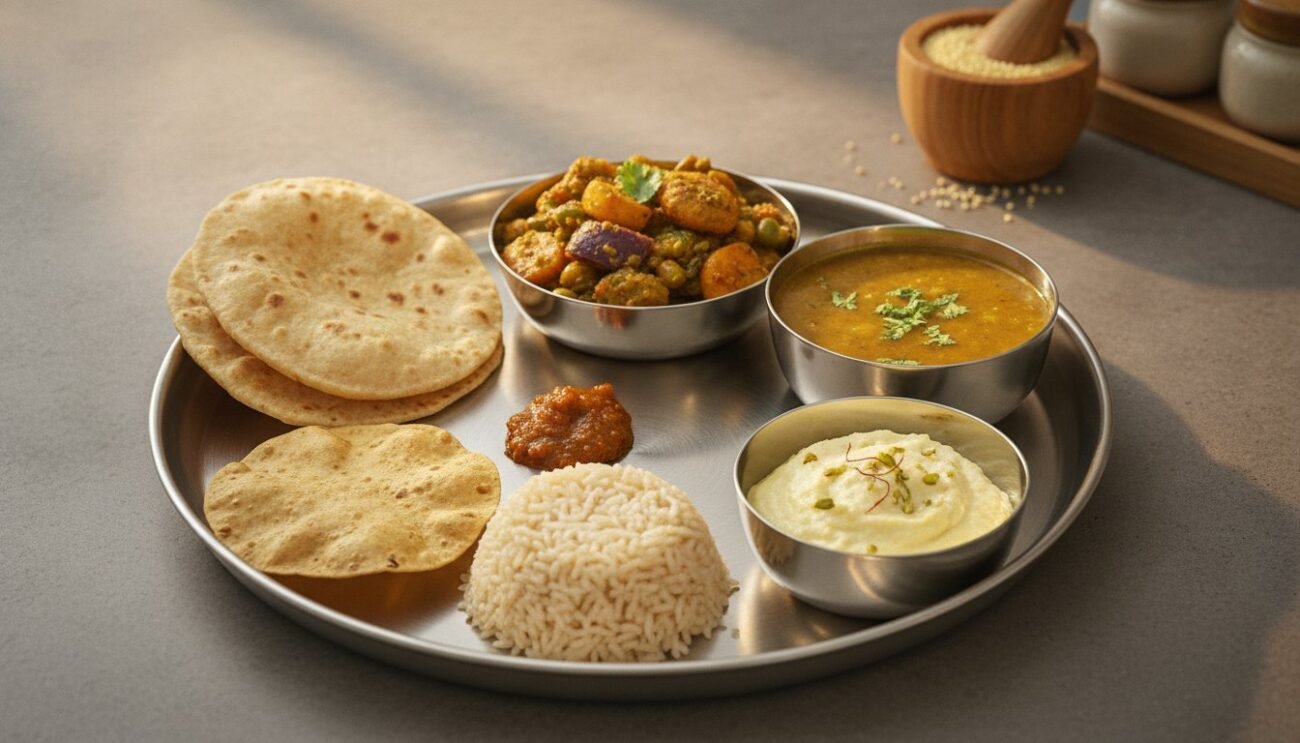
Welcome to a culinary revolution where tradition meets transformation. For generations, Indian cooking has been a vibrant tapestry of flavor, aroma, and love. But somewhere between our grandmother’s wholesome kitchen and today’s fast-paced world, a myth took hold: that our beloved food is inherently heavy, oily, or unhealthy. In 2026, we’re here to lovingly dismantle that myth, one delicious, nutrient-packed dish at a time. This isn’t about restriction or taking away the soul of your favorite meals. It’s about a “healthy twist”—an evolution that brings our ancient culinary wisdom into harmony with modern wellness goals.
This journey is about rediscovering the power of our own kitchens. It’s about understanding that the true magic of Indian food lies in its spices, not in excessive oil. Let’s embark on a flavorful adventure together, proving that you can honor your heritage, delight your family, and nourish your body all on the same plate.
Reimagining Tradition: Why Your Favorite Indian Recipes Need a Healthy Twist
The “healthy twist” is not about dieting; it’s about upgrading. It’s a philosophy that sees our traditional recipes as a brilliant foundation ready to be enhanced with modern techniques and nutrient-dense ingredients. We’re not removing joy; we’re adding vitality. The core of this transformation lies in a simple but powerful idea: the “Spice-First” philosophy. This approach celebrates the fact that spices like turmeric, cumin, coriander, and ginger are the heart of Indian flavor. They create deep, satisfying tastes and aromas that signal satiety to our brains, reducing the need for excess fat and calories to feel content.
This appreciation for traditional ingredients is gaining ground beyond the kitchen. Just as we use spices to nourish our bodies, Hazina Beauty utilizes botanical treasures like saffron and gold to create premium skincare that honors ancient wellness traditions.
This is more than just cooking; it’s a form of “Culinary Therapy.” It’s the mindful act of choosing ingredients that heal and energize, turning the daily routine of making meals into a joyful ritual of self-care. In fact, the very ingredients we use daily hold immense power. The spices and herbs central to Indian cooking are not just for flavor; many have been used for centuries as home remedies. For a deeper dive into how you can use your kitchen pantry to soothe common ailments, explore these traditional Cough & Cold Remedies and discover the healing magic within your spice box.
The Problem with Commercialized Traditional Food
Let’s be honest: the rich, heavy gravies swimming in oil that we often find in restaurants are a far cry from the balanced, everyday meals cooked in Indian homes for centuries. The commercialization of our cuisine led to a reliance on refined oils, white flour (maida), and excessive sugar to create hyper-palatable dishes that unfortunately compromise our health. These ingredients can lead to inflammation, energy slumps, and long-term health issues. In contrast, a traditional home-cooked thali was designed for perfect balance. Nutritional density, in the context of an Indian thali, means every component on the plate serves a purpose—providing a synergistic blend of complex carbs, lean protein, fiber, vitamins, and minerals in a single, satisfying meal.
The Anatomy of a Healthy Indian Meal
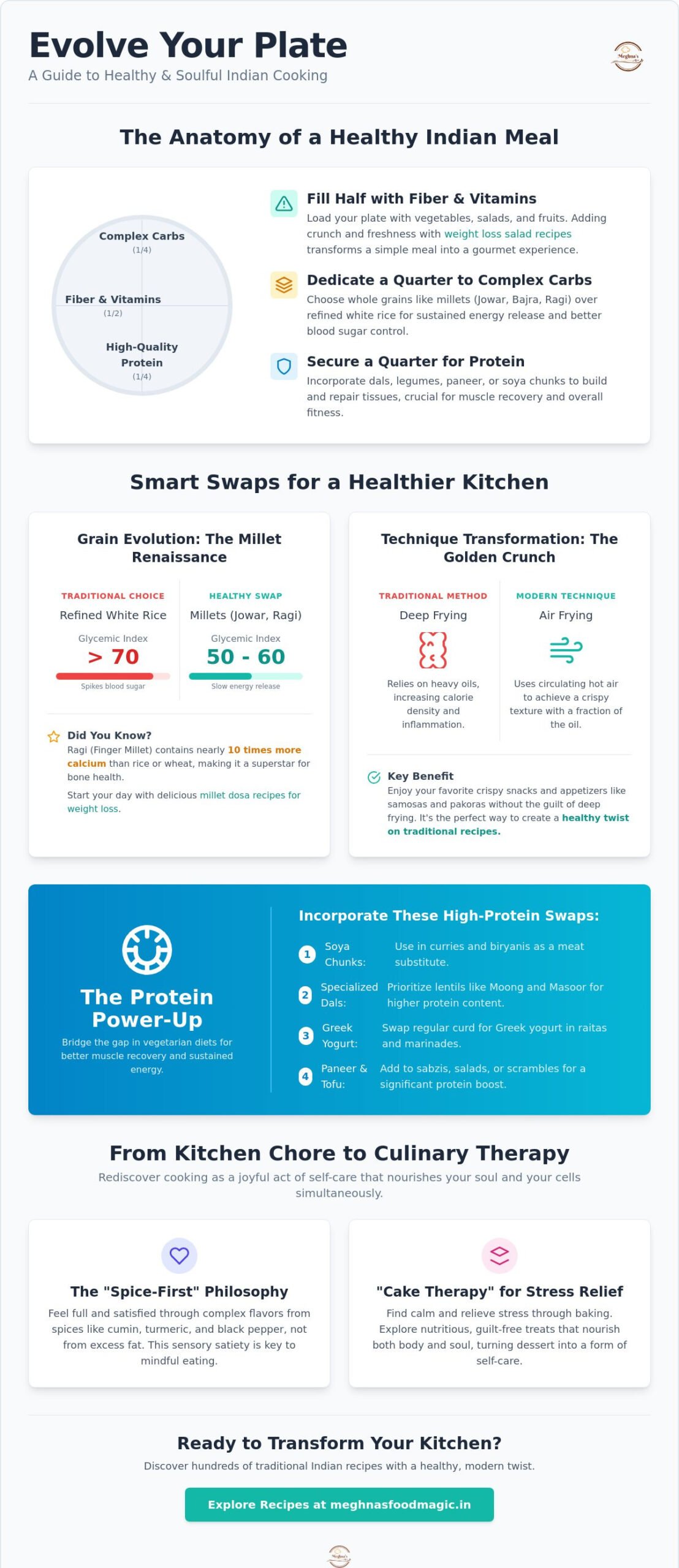
Crafting a modern, healthy Indian plate is an art of balance. For a vegetarian meal, aim for a macro-ratio where your plate is roughly 50% vegetables, 25% lean protein (like dal, paneer, or legumes), and 25% complex carbohydrates (like millets or whole wheat roti). This composition ensures you feel full, energized, and satisfied.
- Embrace Fiber: Don’t treat salads and vegetable stir-fries as mere side dishes. They are essential components that provide crucial fiber, aiding digestion and promoting a feeling of fullness. A simple kachumber salad or a vibrant plate of sautéed greens can elevate your meal from good to great.
- Focus on Flavor and Texture: True satisfaction comes from a symphony of tastes and textures. The crunch of a fresh salad, the creaminess of a yogurt-based gravy, the earthiness of lentils, and the warmth of freshly ground spices create a complex flavor profile that makes every bite an experience.
- Start with the Basics: If you’re new to this style of cooking, beginning with a strong foundation is key. Our guide to Healthy Indian Recipes for Beginners is the perfect place to start your journey into nutritious and flavorful home cooking.
The Millet Renaissance: Swapping Refined Grains for Ancient Superfoods
Perhaps the most impactful “healthy twist” you can make in your kitchen is embracing the millet renaissance. For too long, refined white rice and wheat have dominated our plates. It’s time to welcome back the ancient superfoods our ancestors thrived on. Millets are the “Ancient Twist” every modern Indian kitchen needs. These hardy, nutrient-dense grains are not only gluten-free but also boast a significantly lower glycemic index compared to white rice, meaning they provide sustained energy without causing sharp spikes in blood sugar.
This simple swap is a game-changer for weight management, diabetes control, and overall gut health. The versatility of grains like Ragi, Jowar, and Bajra is astounding—they can be seamlessly integrated into everything from rotis and dosas to khichdi and porridges. To explore this ancient grain revolution in more detail, we invite you to explore our comprehensive collection of Millet Recipes.
Ragi and Jowar: Your Allies in Weight Loss
Among the family of millets, two stand out as champions for health and weight management: Ragi and Jowar.
- Ragi (Finger Millet): This humble grain is a powerhouse of nutrition. It’s exceptionally rich in calcium, making it fantastic for bone health. Its high fiber content keeps you full for longer, curbing unhealthy cravings and aiding in weight loss. Ragi’s earthy flavor lends itself beautifully to rotis, porridges, and even healthy desserts.
- Jowar (Sorghum): As a brilliant gluten-free alternative to wheat, Jowar is perfect for making soft, pliable rotis. It’s packed with protein, iron, and antioxidants. Because it’s a complex carbohydrate, it digests slowly, providing a steady release of energy that fuels you through your day.
Ready to experiment? Start your day with a crispy, protein-packed dosa or explore the dozens of other ways to bring these superfoods to your table with our curated Millet Recipes.
How to Cook Millets for Beginners
Cooking millets can seem intimidating, but it’s incredibly simple once you know the basics. The key to achieving that perfect, fluffy texture lies in proper preparation.
- Rinse and Soak: Always rinse your millets thoroughly under running water. Soaking is crucial—soak smaller millets (like Foxtail) for at least 2-4 hours and larger ones (like Jowar) for 6-8 hours. This process breaks down phytic acid, making the nutrients more bioavailable and easier to digest.
- Cook Smart: For most millets, the ideal water ratio is 1:2 (1 part millet to 2 parts water). You can cook them in an open pot on the stovetop, bringing it to a boil and then simmering on low heat until the water is absorbed. A pressure cooker also works well for a quicker meal.
- Rest and Fluff: Once cooked, let the millets rest, covered, for 5-10 minutes. This allows the grains to absorb any remaining steam. Finally, gently fluff them with a fork to separate the grains.
A common mistake is overcooking, which can result in a mushy texture. Start with the recommended water ratio and adjust as you get more familiar with each grain. For visual, step-by-step guidance, check out our playlist of 30+ Millet Recipes By Meghna on YouTube for tutorials that make millet cooking effortless.
Modern Techniques for Classic Cravings: Air Frying vs. Deep Frying
What if you could enjoy the irresistible crunch of your favorite Indian snacks—samosas, pakoras, and tikkis—without the guilt and heaviness of deep-frying? Enter the air fryer, the essential modern tool for creating traditional Indian recipes with a healthy twist. An air fryer works by circulating superheated air around the food, creating what we call the “Golden Crunch” phenomenon. It achieves that perfect crispy texture we all crave, often without a single drop of oil.
This technique is revolutionary for Indian cooking. You can easily adapt classic tandoori and tikka marinades for the air fryer, achieving that smoky char and tender interior in a fraction of the time and with none of the excess fat. It’s the ultimate way to indulge your cravings while staying true to your wellness goals.
If you’re looking for inspiration on authentic flavor profiles, exploring the menus of traditional Indian specialists like curryandtandoor.com.au can help you identify the classic spice blends that you can then recreate using healthier, modern techniques at home.
Oil-Free Starters: Paneer and Veggie Delights
The secret to moist, flavorful air-fried food lies in the marination. A yogurt-based marinade not only tenderizes ingredients like paneer and vegetables but also creates a protective layer that prevents them from drying out in the hot circulating air. By adding potent spices like ginger-garlic paste, turmeric, and garam masala to your marinade, you lock in flavor that intensifies during the cooking process.
This method also has a distinct nutritional advantage: air frying at controlled temperatures helps preserve more of the heat-sensitive vitamins in vegetables compared to high-heat deep frying. For your next get-together, impress your guests with succulent appetizers that are both delicious and light. Explore our collection of Air Fryer Paneer Recipes for party-perfect ideas that will leave everyone asking for more.
Kid-Approved Healthy Snacking
Getting children to eat healthy can be a challenge, but the air fryer is a parent’s best friend. You can recreate their favorite snacks like french fries, vegetable cutlets, and even samosas with a fraction of the fat. The magic is in the crunch—kids won’t even miss the deep-fried versions! This is a fantastic way to reduce their intake of processed junk food and introduce them to the joys of wholesome, homemade treats.
Even better, the air fryer is safe and easy to use, making it a great opportunity to involve your children in the cooking process. Let them help with mixing the marinade or arranging the food in the basket. When kids are part of the creation, they are far more excited to eat the final product. For a treasure trove of ideas, check out our guide to Healthy & Crispy Air Fryer Snacks for Kids they’ll genuinely crave.
The Protein Power-Up: Making Traditional Vegetarian Meals Fitness-Ready
A common concern with traditional Indian vegetarian diets is the perceived “protein gap.” While our cuisine is rich in lentils and legumes, it’s easy to fall short of the optimal protein intake needed for muscle maintenance, satiety, and overall fitness, especially on a busy schedule. The solution isn’t to abandon our food culture, but to strategically power it up. By incorporating high-protein swaps like paneer, tofu, soya chunks, and specialized dals, we can transform any meal into a fitness-ready powerhouse.
Starting your day with a protein-rich breakfast is particularly crucial, as it sets your metabolic tone for the day, stabilizes blood sugar levels, and helps curb those notorious mid-day cravings for unhealthy snacks. It’s time to unlock the full potential of our vegetarian heritage and fuel our bodies for peak performance.
Vegetarian Energy Boosts: Paneer and Soya
Paneer has long been the star of celebratory Indian vegetarian dishes, and for good reason—it’s a fantastic source of high-quality protein. For the Indian palate, it offers a familiar, creamy texture that tofu sometimes lacks. You can elevate your paneer dishes by swapping heavy cream-based gravies for lighter, protein-rich versions made with Greek yogurt or a cashew paste. Soya chunks are another incredible asset; their “meat-like” texture makes them a satisfying and protein-dense addition to curries, pulaos, and kebabs, easily absorbing the robust flavors of Indian spices.
For a wealth of inspiration on how to make protein the star of your plate, explore our complete collection of High-Protein Recipes.
The Pulse of Health: Beyond Basic Dal
Dal is the comforting soul of Indian cuisine, but not all dals are created equal when it comes to protein. To maximize your intake, focus on pulses like moong (mung beans) and chana (chickpeas). Moong dal, in particular, is one of the most easily digestible plant-based proteins. You can also amplify the nutritional value of any lentil by sprouting it. The process of sprouting increases the bioavailability of vitamins and minerals and boosts the protein content, making it a true superfood.
Transform your breakfast routine with a savory Moong Dal Chilla or a hearty bowl of sprouted moong salad. These simple additions can significantly increase your daily protein intake and keep you feeling full and focused. For more innovative ideas, don’t miss our definitive guide to a Protein Rich Breakfast for Vegetarians, packed with flavorful options to fuel your day.
Join the Sanctuary: How Meghna’s Food Magic Simplifies Your Wellness Journey
Meghna’s Food Magic is more than just a recipe website; it’s a free digital sanctuary for the modern home cook. We believe that a healthy lifestyle should be accessible, joyful, and completely free of charge. Here, you’ll find hundreds of meticulously tested recipes designed to nourish your body and delight your senses. But our philosophy extends beyond the plate. We embrace a holistic approach that connects food with emotional well-being, travel, and the simple joy of creating something beautiful.
One of our most beloved concepts is “Cake Therapy,” a guilt-free approach to baking that celebrates it as a form of mindfulness and stress relief. It’s about finding balance and proving that you can—and should—have your cake and eat it too. We invite you to explore our entire Free Digital Recipe Database and discover a world where healthy is delicious and cooking is magic.
Cake Therapy: Guilt-Free Baking
Baking is a deeply therapeutic act. The process of measuring, mixing, and creating something with your hands can be incredibly grounding and meditative. Our “Cake Therapy” philosophy is built on this principle, but with a healthy twist. We show you how to use wholesome ingredients like whole wheat flour, millets, jaggery, and fruits to create stunningly delicious cakes and desserts that nourish you from the inside out. To learn more about how this practice can soothe your soul, read our article on Cake Therapy for Stress Relief.
The emotional benefit of this practice is profound. It’s a creative outlet that allows for self-expression and ends with a beautiful result. There is a unique specialness in sharing a healthy, homemade cake with loved ones—it’s an act of love that says “I care about your joy and your well-being.” Ready to begin your baking journey? Discover a world of wholesome indulgence in our Dessert Recipes Collection.
Your Gateway to Food Magic
Your journey into the world of healthy, flavorful Indian cooking is just beginning. We are a vibrant and growing community of food lovers, and we would be thrilled to have you join us. Connect with us for daily inspiration, behind-the-scenes content, and a dose of food magic to brighten your day.
- Follow Meghna’s Food Magic on Instagram for stunning food photography and quick recipe tips.
- Watch step-by-step video tutorials on our YouTube Channel to master every technique with confidence.
- Explore our foundational philosophy in our parent pillar: Food Magic: Redefining Healthy Indian Cooking for the Modern Home.
Welcome to the family. Let’s make some magic together.
Disclaimer
This is a recipe food blog page and not nutrition or doctor and hence do not claim to cure any illness. If you have specific health issues please consult a qualified doctor or certified nutritionist.

