
Thyroid-Friendly Diet: Nourishing Recipes for Wellness
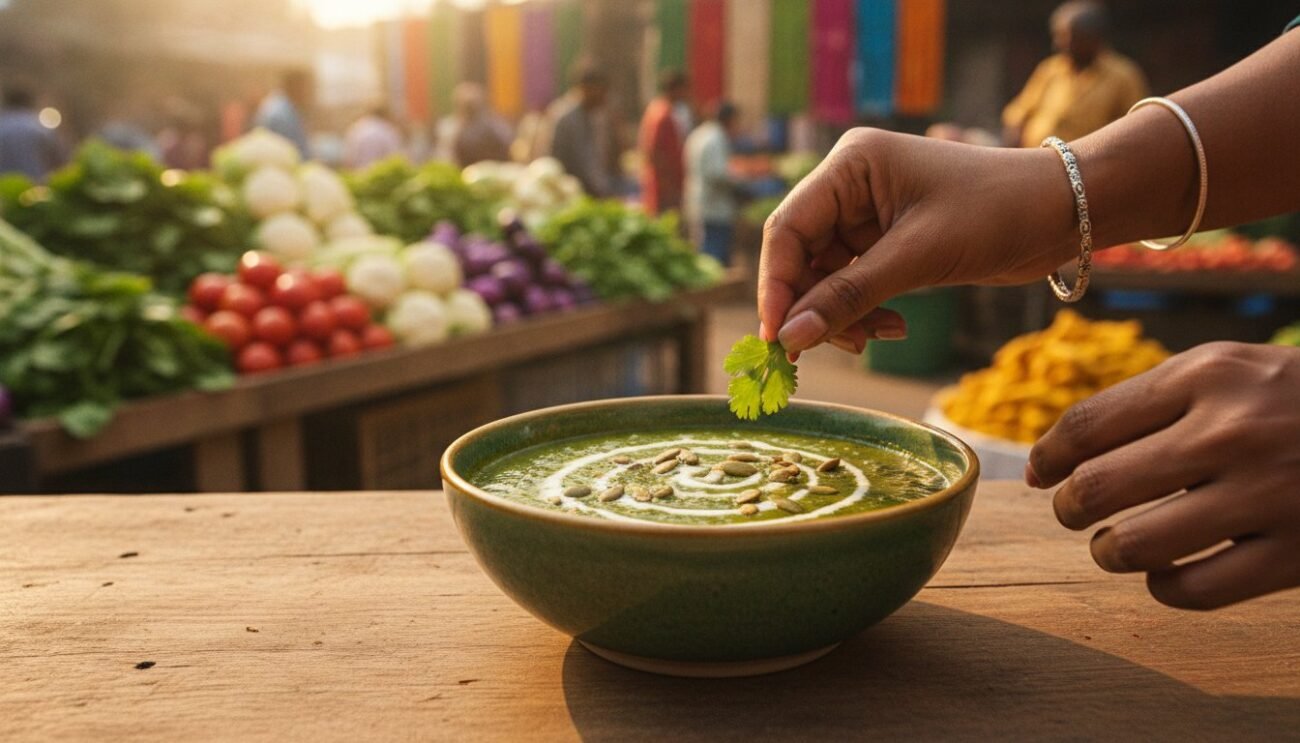
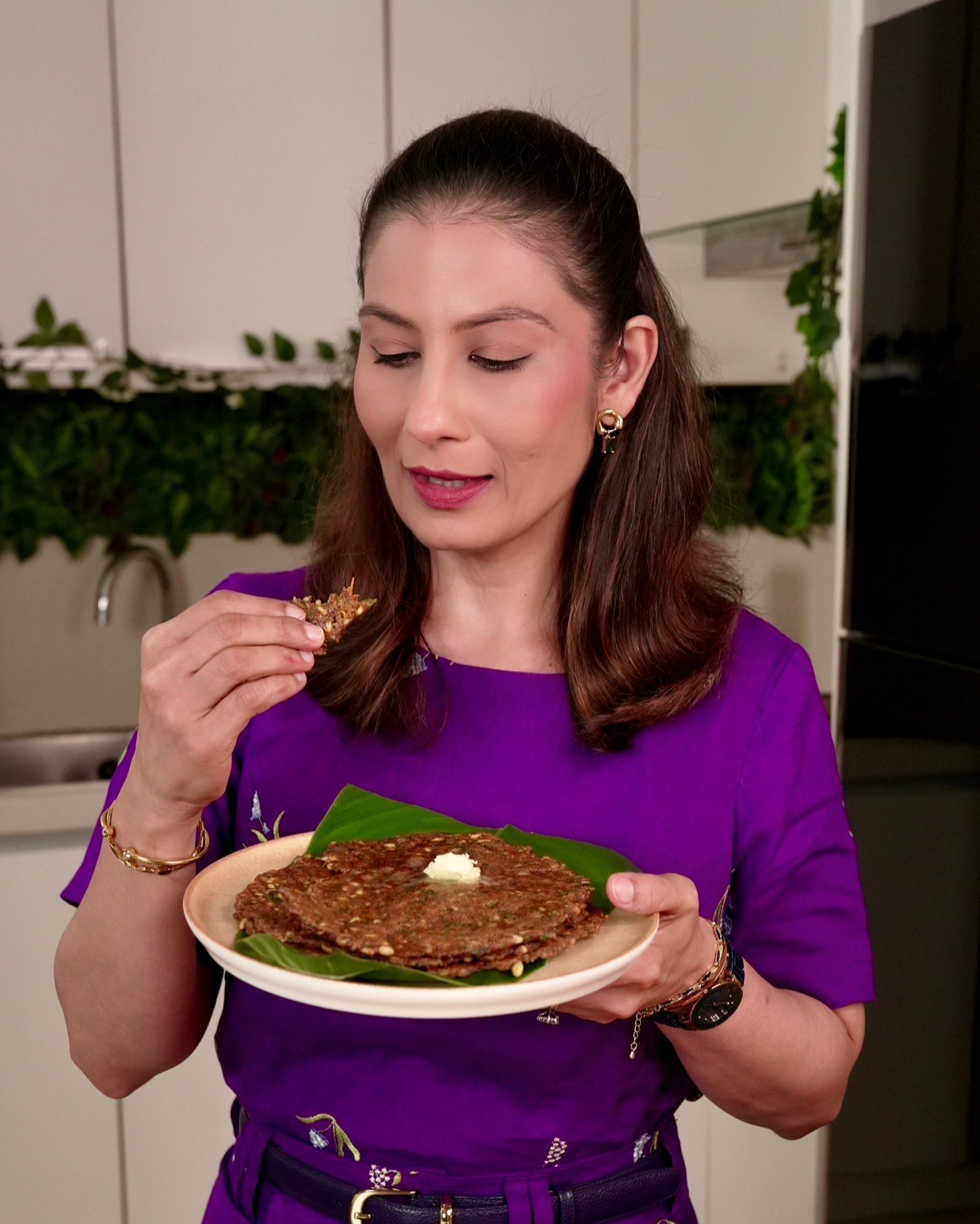
The “forbidden” list of vegetables in your pantry might actually be the missing piece of your wellness puzzle. Many people believe that managing hormonal health requires a life of bland, boiled meals, especially when searching for the right food and recipes for thyroid support. You’ve likely heard whispers that spinach or broccoli are the enemies, leaving you feeling restricted and disconnected from the vibrant Indian flavors you love. But wellness shouldn’t feel like a punishment; it should feel like a celebration on a plate.
I understand the confusion that comes with balancing traditional family cooking and specific nutritional needs. You deserve a kitchen that feels like a sanctuary, not a science lab. In this guide, I’ll show you how to use professional cooking techniques to neutralize “caution” compounds while keeping the soul of your meals intact. We’ll explore the vital roles of nutrients like Selenium and Zinc, and I’ll share three delicious, chef-approved recipes designed to bring harmony to your hormones. It’s time to stop fearing your food and start falling in love with the healing power of your own kitchen.
Key Takeaways
- Learn how to treat your thyroid as your body’s metabolic thermostat by selecting vibrant ingredients that fuel hormonal health rather than hinder it.
- Discover how the right food and recipes for thyroid wellness can be incredibly flavorful, proving that managing your health doesn’t mean eating bland or boring meals.
- Master the “Pakao Rule” to safely enjoy nutritious vegetables like spinach and cauliflower by using heat to neutralize compounds that might interfere with iodine absorption.
- Identify the essential roles of Iodine, Selenium, and Zinc in your daily diet and learn where to find these “Big 3” nutrients in common Indian pantry staples.
- Gain access to three chef-approved, high-protein recipes designed to bring harmony to your hormones while celebrating the joy of traditional Indian cooking.
Understanding the Thyroid-Food Connection: More Than Just a Diet
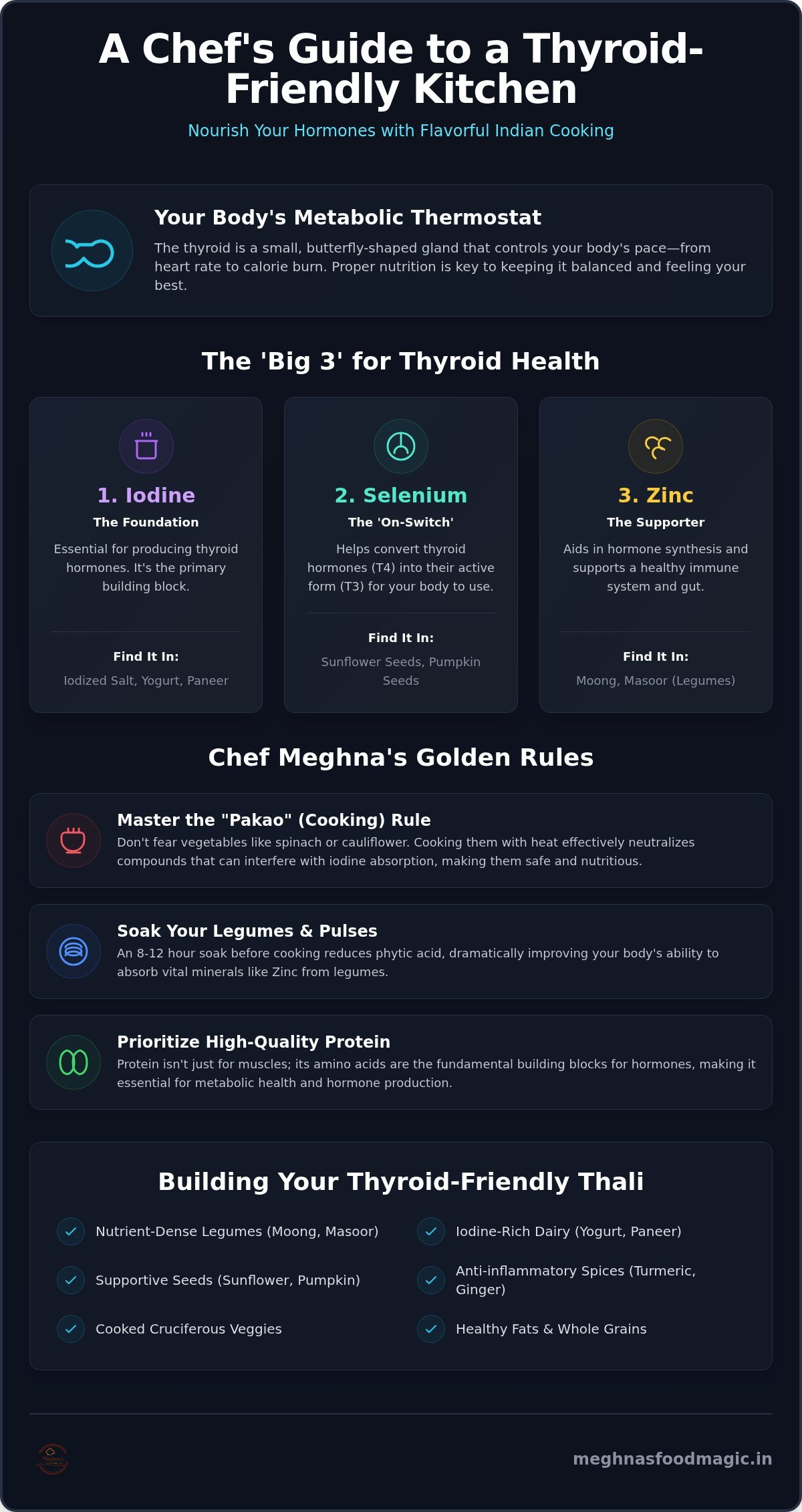
Think of your thyroid as your body’s metabolic thermostat. It is that tiny, butterfly-shaped gland that dictates the pace of your entire system, from how fast your heart beats to how quickly you burn calories. When it functions well, you feel energetic, clear-headed, and balanced. When it struggles, your mood and energy can feel like they’re on a roller coaster. This is why finding the right food and recipes for thyroid health is about more than just weight management; it’s about providing the specific fuel your metabolism needs to thrive.
If you look at a comprehensive overview of the thyroid gland, you’ll realize it produces hormones that affect almost every cell in your body. Managing this through “Culinary Therapy” means treating your kitchen as a space for joy and self-care rather than a place of restriction. It’s about understanding that every ingredient you choose has the potential to support your hormonal harmony and overall vitality.
Hypothyroidism often leaves you feeling sluggish, requiring metabolic sparks from nutrient-dense ingredients. Conversely, hyperthyroidism can feel like your engine is revving too fast, needing grounding, anti-inflammatory support. We’re moving away from the fear of “forbidden foods” and embracing “optimized ingredients” that work for your specific needs. This shift makes searching for food and recipes for thyroid support a journey of creative discovery rather than a list of “don’ts.”
The ‘Why’ Behind Your Thyroid Plate
Specific nutrients like iodine and selenium aren’t just buzzwords. They’re essential co-factors that help your body synthesize and convert hormones into their active forms. Chronic inflammation often disrupts this delicate process, which is where the magic of Indian spices comes in. Turmeric and ginger help soothe the system, while properly prepared legumes provide vital minerals. For instance, I always recommend soaking legumes for at least 8 to 12 hours to reduce phytates and optimize zinc absorption. Thyroid-friendly cooking is a balance of iodine, selenium, and zinc.
Chef Meghna’s Philosophy: Wellness Without Sacrifice
Flavor is a non-negotiable part of any healing journey. If you don’t enjoy what you eat, you won’t stick with it, and consistency is the secret to long-term health. I believe in building a sustainable “Thyroid-Friendly Thali” that celebrates abundance, color, and texture. This aligns perfectly with the Get Fit With Meghna mindset. We focus on making smart swaps that elevate your favorite traditional dishes, ensuring you feel satisfied and empowered every time you sit down to eat.
Essential Nutrients: The ‘Big 3’ for Thyroid Health
Creating the perfect balance in your kitchen starts with understanding the raw materials your body requires. When we talk about food and recipes for thyroid support, three specific nutrients stand as the pillars of hormonal health: Iodine, Selenium, and Zinc. Without these co-factors, your thyroid cannot produce or convert hormones effectively. It’s like trying to bake a cake without flour; the ingredients are there, but the magic just doesn’t happen.
Iodine is the absolute foundation for hormone production. In India, while iodized salt is a common staple, you can also find natural sources in dairy products like yogurt and paneer. Selenium acts as the “on-switch” for your hormones, helping convert T4 into the active T3 your body uses for energy. Healthy eating for your thyroid also involves monitoring iron levels. Iron deficiency often goes hand-in-hand with thyroid issues, leaving you feeling doubly exhausted. Zinc completes the trio by aiding hormone synthesis and supporting gut health, which is vital for a robust immune system.
Sourcing Your Thyroid Superfoods in India
You don’t need exotic imports to nourish your system. Local Indian markets are overflowing with thyroid-friendly options. For a Selenium boost, a handful of sunflower or pumpkin seeds added to your morning routine works wonders. When it comes to pulses, Moong and Masoor are your best friends. They are easy to digest and packed with minerals. Just remember my golden rule: soak your legumes for 8 to 12 hours. This simple step neutralizes phytic acid, making it much easier for your body to absorb the 8 to 11 mg of Zinc you need daily.
The Role of Protein in Hormonal Balance
For my vegetarian friends, protein is not just for muscles; it’s essential for metabolic health. Amino acids provide the building blocks for hormone production. If you are looking to manage your weight while supporting your thyroid, exploring high protein vegetarian recipes for weight loss is a fantastic starting point. These meals ensure you feel satiated and keep your metabolism humming along beautifully. Understanding the right food and recipes for thyroid health allows you to eat with confidence. If you want to see how these nutrients come together in the kitchen, you can find plenty of inspiration on my YouTube channel where I turn these nutritional powerhouses into daily magic.
Navigating Goitrogens and Soy: The Chef’s Approach to Cooking
Stop fearing the green! Many people avoid cauliflower, cabbage, and spinach because they contain goitrogens, which are compounds that can interfere with iodine uptake. But as a chef, I believe in transformation through technique. You don’t have to quit these nutrient powerhouses; you just have to change how you prepare them. This is the heart of finding sustainable food and recipes for thyroid wellness that you actually enjoy eating every day.
My “Pakao” (cooking) rule is simple: heat is your best friend. Cooking cruciferous vegetables can reduce their goitrogenic activity by 30% to 90% depending on the method. By applying heat, you deactivate the enzymes that cause trouble, allowing you to enjoy the fiber and vitamins without the hormonal stress. It’s a simple act of culinary alchemy that turns “caution” foods into nourishing medicine.
Mastering Cruciferous Vegetables
Steaming is often superior to sautéing for vegetables like broccoli and cabbage because it evenly penetrates the tough fibers without charring the delicate nutrients. For spinach and other leafy greens, blanching them quickly and then discarding the water is a professional secret. This process removes a significant portion of goitrogens and oxalates. If you love a healthy sprouted moong salad, try lightly steaming the sprouts for three minutes before assembling. It keeps the crunch but makes them much gentler on your system.
Understanding Healthy eating for your thyroid also means being smart about timing. Soy can interfere with the absorption of thyroid medication, so I recommend keeping a strict 4-hour window between your morning dose and consuming tofu or soya chunks. This small adjustment ensures your medication works effectively while still allowing you to enjoy high-protein plant-based meals later in the day.
The Mindful Use of Soy and Dairy
If you’re hesitant about soy, lean into the probiotic power of Dahi (Yogurt). It supports the “thyroid-gut” axis, ensuring your digestion is as efficient as your metabolism. A healthy gut microbiome is essential for converting thyroid hormones into their active forms. When you need a high-protein alternative to soy, my collection of nutritious paneer recipes offers the perfect solution. Paneer provides the satiety you crave without the medication-interference worries associated with soy.
Chef’s secret: fermentation and soaking. As I mentioned earlier, soaking your legumes is non-negotiable for zinc absorption. Fermenting your batters for idlis or dosas also breaks down anti-nutrients. This makes the food and recipes for thyroid care both easier to digest and more bio-available, turning every meal into a step toward balance.
3 Nutritious Thyroid-Friendly Recipes to Try Today
Transitioning from understanding nutrients to creating magic in the kitchen is where real healing begins. I’ve designed these dishes to be vibrant and packed with flavor, ensuring that your search for food and recipes for thyroid wellness ends with a satisfied palate. These are not just meals; they are acts of self-care that honor your body’s metabolic needs without sacrificing the soul of Indian cooking.
Step-by-Step Culinary Guides
Recipe 1: Steamed Moong Dal Chilla with Spinach and Carrots
This protein-rich breakfast uses the “Pakao Rule” to make spinach safe and nourishing. Soak 1 cup of moong dal for 8 hours to optimize zinc absorption. Blend the dal with a ginger-chilli paste and a splash of water to form a smooth batter. Stir in 1/2 cup of finely chopped spinach and 1/4 cup of grated carrots. Pour a ladle of batter onto a non-stick pan, spreading it thin. Cook on medium heat until golden brown. For more variations, check out my Breakfast Chilla Playlist.
Recipe 2: Paneer and Bell Pepper Stir-fry
This dish is a powerhouse of anti-inflammatory benefits. Sauté 200g of paneer cubes with one sliced red and one yellow bell pepper. Season with 1 tsp of turmeric and 1/2 tsp of black pepper. The piperine in black pepper is essential because it increases the bio-availability of turmeric’s curcumin. This quick stir-fry is one of my favorite paneer recipes for a busy weeknight.
Recipe 3: Date and Seed ‘Energy Ladoos’
Satisfy your sweet tooth while boosting your selenium intake. Pulse 1 cup of deseeded dates in a blender until they form a sticky paste. Fold in 1/4 cup of sunflower seeds and 1/4 cup of crushed walnuts. Roll into bite-sized balls. These provide a natural energy lift without the blood sugar spikes of processed treats. If you are also managing blood sugar alongside thyroid health, you may find our guide to nutritious food and recipes for sugar patients a helpful companion resource.
Chef Meghna’s Notes: Substitutions & Troubleshooting
If you prefer a plant-based option, you can swap paneer for firm tofu in the stir-fry. Just remember the 4-hour window after your medication to ensure your thyroid levels stay stable. If your chillas are turning out dense, check your fermentation time. Even a short 30-minute rest for the batter allows the proteins to relax, resulting in a lighter texture. To keep your energy ladoos fresh, store them in an airtight glass jar in the refrigerator. This prevents the natural oils in the sunflower seeds from going rancid, preserving their vital selenium content for up to two weeks.
Building Your Sustainable Thyroid-Friendly Lifestyle
Success in hormonal health isn’t about achieving a perfect plate every single day. It is about the small, consistent choices that add up over time. When you focus on food and recipes for thyroid support, remember that your body responds best to a steady rhythm of nourishment rather than a cycle of restriction and indulgence. Perfection is often the enemy of progress; if you miss a “thyroid-friendly” window or eat something off-plan, simply return to your mindful habits at the next meal. Your kitchen is not a place of rules, but your greatest tool for healing and vitality.
Mindful eating plays a pivotal role in this journey. By slowing down and savoring your meals, you support better digestion and hormonal signaling. One of the most impactful changes you can make is reducing processed sugars, which often trigger inflammation and energy crashes. If you find yourself needing more inspiration for balanced meals, you can use the Weight Loss search tool on my website to discover hundreds of ideas that align with your health goals. These resources are designed to help you build a lifestyle that feels like a celebration, not a chore.
The Anti-Inflammatory Pantry
A well-stocked pantry is your first line of defense against metabolic sluggishness. Essential spices like Turmeric, Ginger, and Cinnamon do more than just add flavor; they provide metabolic support and help manage systemic inflammation. When a craving for something sweet hits, focus on replacing refined sugar with natural alternatives as explored in my guide to diet recipes. Hydration is equally vital. Many of my followers find that sipping on herbal infusions, such as coriander seed water, provides a grounding and supportive addition to their daily routine.
Chef Meghna’s Final Tip for Success
For the busy working mother, meal prepping is the secret to staying on track. You don’t need to spend your entire Sunday in the kitchen. Simply washing and chopping your vegetables or preparing a batch of moong batter can save you from making hasty, less nutritious choices during a hectic week. Involve your family in the process. When food and recipes for thyroid care are this delicious, no one feels like they are on a “special diet.” It becomes a household lifestyle that everyone can enjoy together. For daily inspiration, tips, and a peek into my own kitchen, I invite you to follow stayfitwithmeghna. Let’s make wellness a joyful, everyday reality.
Embrace the Joy of Hormonal Harmony
Managing your metabolic health doesn’t mean leaving the flavors of India behind. We’ve explored how simple culinary shifts, like the “Pakao” rule for greens and soaking your legumes, can transform your kitchen into a healing space. By prioritizing the “Big 3” nutrients and focusing on vibrant, high-protein meals, you’re taking powerful steps toward long-term balance. Finding the right food and recipes for thyroid wellness is a creative journey that celebrates abundance rather than lack.
You don’t have to navigate this path alone. Join a vibrant community of 5M+ food lovers who have already discovered the magic of chef-tested nutritional balance. With free access to 1,000+ recipes, you can start your wellness transformation right now.
Your journey to feeling your best starts with the very next meal you prepare. Let the kitchen be your sanctuary and let every bite be a celebration of your health and vitality.
Frequently Asked Questions
Can I eat spinach if I have hypothyroidism?
Yes, you can enjoy spinach as long as it’s cooked. Raw spinach contains goitrogens that can interfere with iodine absorption, but my “Pakao Rule” changes everything. Steaming or sautéing spinach deactivates these compounds, making it a safe and nutritious choice. This technique ensures you get the iron and vitamins without the hormonal stress. I always recommend discarding the blanching water to be extra mindful of your thyroid health.
Is soy completely forbidden for thyroid patients?
Soy isn’t forbidden, but you must be smart about your timing. Research indicates that soy can interfere with how your body absorbs thyroid medication. To stay safe, wait at least four hours after taking your morning dose before consuming tofu, soya chunks, or soy milk. Fermented soy options like miso or tempeh are often easier to digest. Always prioritize high-protein alternatives like paneer if you’re worried about medication interference.
What is the best time to eat after taking thyroid medication?
You should wait at least 30 to 60 minutes before eating anything after taking your thyroid medication. For the best results, take your pill on an empty stomach with plain water. Certain foods and supplements, especially those high in calcium, iron, or soy, require a much larger gap of at least four hours. This ensures your body absorbs the full dose of the hormone, keeping your metabolic thermostat running smoothly throughout the day.
Are cruciferous vegetables like cauliflower safe to eat?
Cauliflower and its cruciferous cousins are perfectly safe when prepared correctly. The secret lies in the cooking method; raw cruciferous vegetables contain enzymes that might slow down your thyroid. By steaming, roasting, or boiling them, you deactivate these enzymes significantly. This allows you to benefit from their incredible fiber and antioxidant profile. It’s all about finding the right food and recipes for thyroid care through simple, chef-approved techniques in your daily kitchen routine.
Which Indian spices are best for thyroid health?
Indian spices are a goldmine for anti-inflammatory support. Turmeric is a superstar, but remember to pair it with black pepper to boost curcumin absorption. Ginger helps soothe the digestive system, while cinnamon provides excellent metabolic support. I also love using coriander seed water as a grounding ritual. These spices don’t just add incredible flavor; they act as gentle therapeutic tools that bring harmony and excitement to your healing journey.
Do I need to follow a strictly gluten-free diet for thyroid?
A gluten-free diet isn’t a strict requirement for everyone with thyroid issues. While some people with autoimmune conditions like Hashimoto’s feel better without gluten, many can enjoy whole grains without any problems. Instead of following restrictive rules, focus on high-quality, unprocessed ingredients. If you suspect a sensitivity, try a temporary elimination to see how your body responds. Wellness is personal, so listen to your own energy levels and digestive cues.
How can I increase my selenium intake through Indian food?
You can easily boost your selenium by adding specific seeds and legumes to your meals. Sunflower seeds and pumpkin seeds are fantastic Indian pantry staples that act as “on-switches” for thyroid hormones. Including lentils like Moong and Masoor also provides a steady supply of essential minerals. Just one or two tablespoons of these seeds daily can help you reach the RDA of 55 mcg, ensuring your thyroid functions at its peak.
Can thyroid-friendly recipes also help with weight loss?
Absolutely, thyroid-friendly cooking is naturally aligned with fitness goals. By focusing on high-protein, nutrient-dense ingredients, these meals help stabilize your blood sugar and keep you satiated for longer. When you explore food and recipes for thyroid support on my website, you’ll find they prioritize metabolic health, which is the foundation of weight management. It’s about eating more of the right things to fuel your body’s natural fat-burning processes while keeping your hormones in balance. If you are also navigating blood sugar concerns alongside thyroid health, our Managing Diabetes: Nutritious Food and Recipe Guide offers practical Indian meal planning strategies for sugar patients.
Disclaimer
This is a recipe food blog page and not nutrition or doctor and hence do not claim to cure any illness. If you have specific health issues please consult a qualified doctor or certified nutritionist.
I do consult experts, research Internet and at times seek help from Gemini to collect relevant information to put together some of these blogs.

