
Lifestyle vs. Fancy Diets: Your Path to Lasting Weight Loss
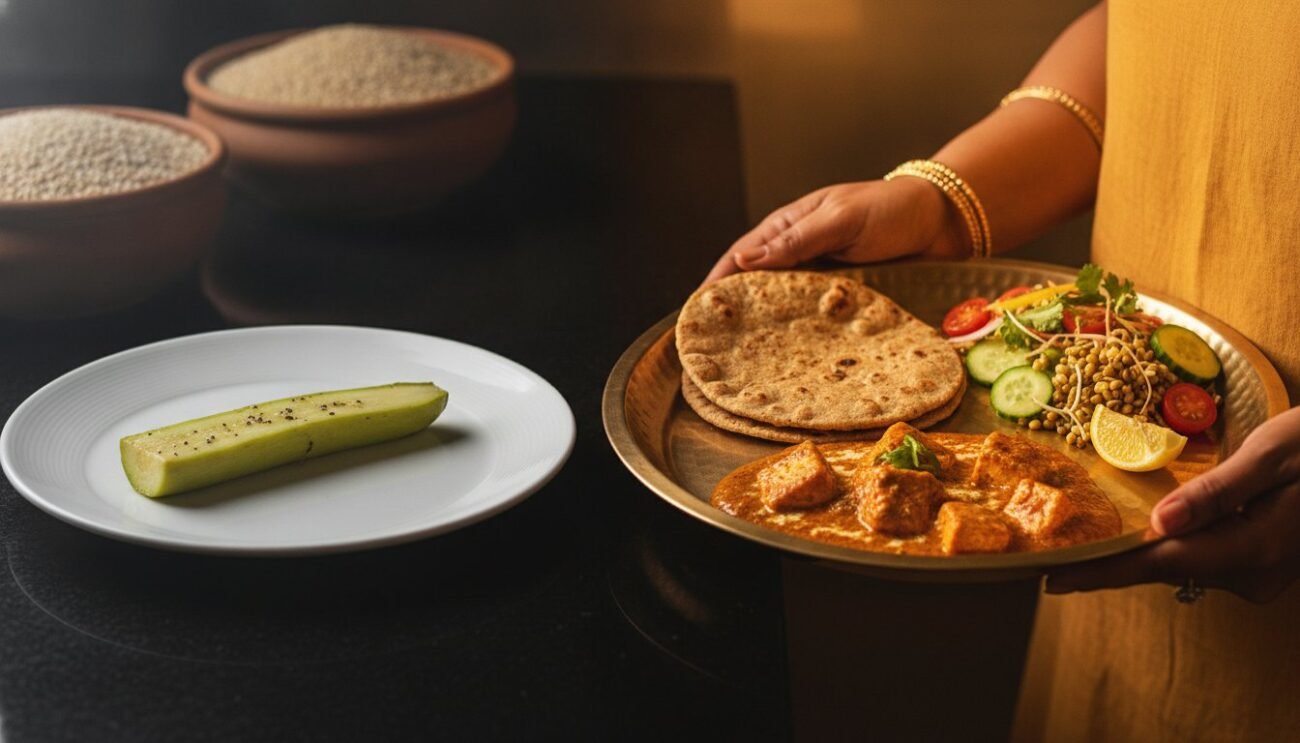
The Great Weight Loss Debate: Fancy Diets vs. Lifestyle Discipline
In the endless quest for health and wellness, we often find ourselves standing at a crossroads. One path is brightly lit with promises of rapid transformation—the world of ‘fancy diets’. The other path is a quieter, steadier trail labelled ‘lifestyle discipline’. The question so many of us ask is, what is better: fancy diets or a change in lifestyle and discipline around the same to lose weight? While the allure of a quick fix is powerful, true, lasting change is almost always found on the steadier path.
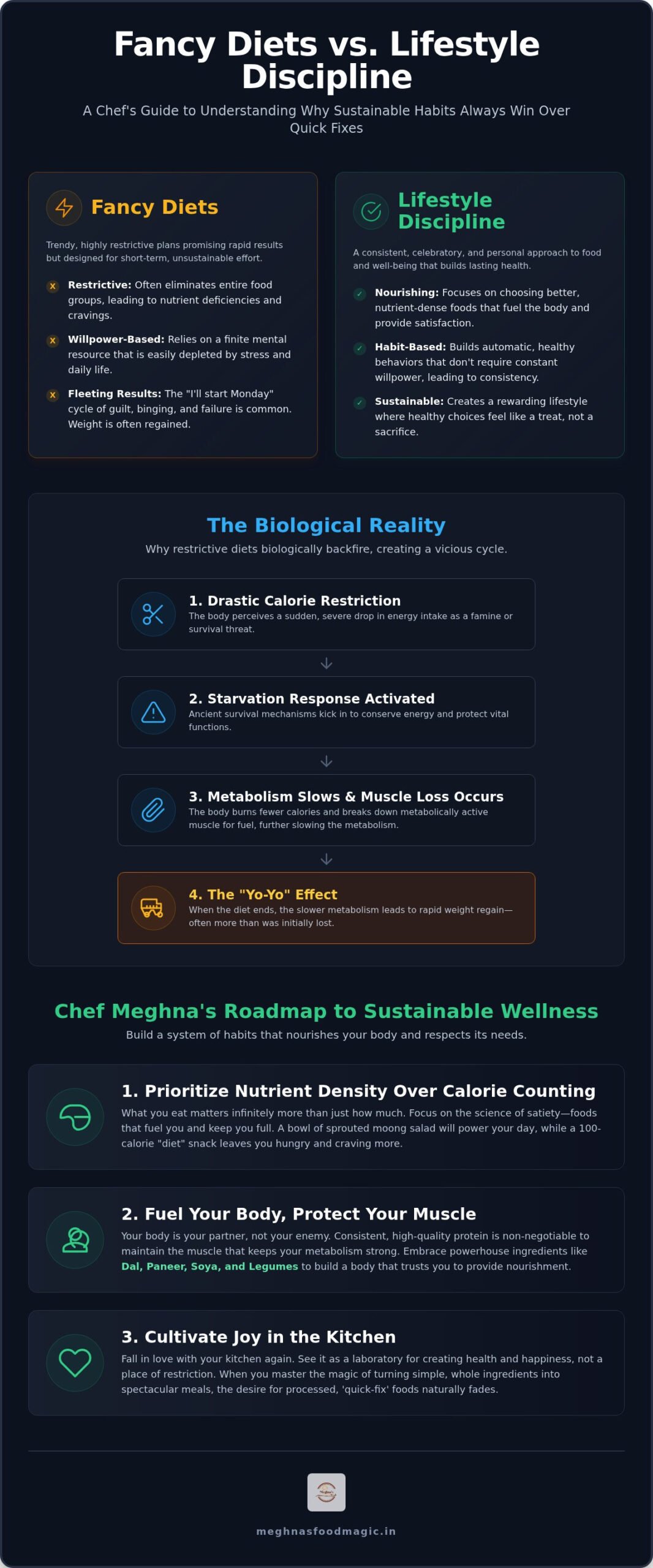
A ‘fancy diet’ is typically a trendy, highly restrictive eating plan that promises significant weight loss in a short period. Think of diets that eliminate entire food groups, involve complicated rules, or rely on specific ‘magic’ products. In contrast, a ‘lifestyle discipline’ is not a diet at all. It’s a consistent, often celebratory, and deeply personal approach to food, movement, and well-being. It’s about building sustainable habits that nourish your body and soul for the long haul, rather than punishing them for a short-term goal. The human brain is naturally wired to seek the most efficient solution, which makes the marketing of a 10-day-shred or a 30-day-fix incredibly appealing. But as we look towards a more sustainable future, epitomized by the continued legacy of the 2026 International Year of Millets, we understand that longevity and consistency are the only metrics that truly matter for our health.
The Allure of the ‘Quick Fix’ Gimmick
Marketing genius makes restrictive diets seem not only possible but effortless. With glossy before-and-after photos and celebrity endorsements, these plans are presented as the ultimate shortcut to your dream body. This creates a powerful psychological trap: the “I’ll start on Monday” cycle. We indulge over the weekend, promising ourselves a week of perfect, restrictive eating. But when willpower inevitably wanes, we feel like failures, leading to a cycle of guilt, binging, and starting over again. This is because in the world of nutrition, ‘fancy’ almost always means ‘fleeting’. These diets are not designed for the realities of a busy life, social events, or the simple human need for comfort and variety.
What Real Discipline Looks Like in the Kitchen
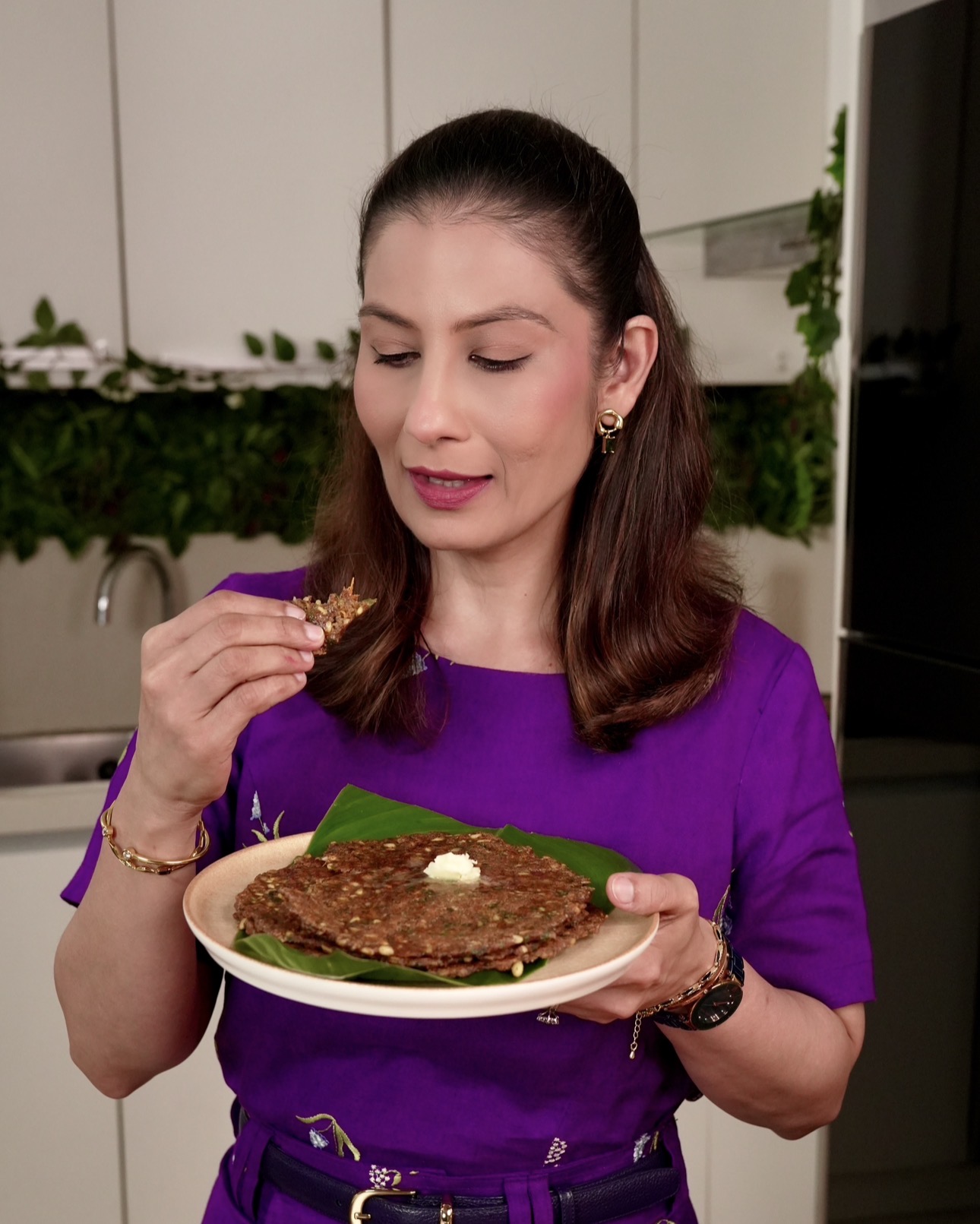
Let’s redefine discipline. True culinary discipline isn’t about eating less; it’s about choosing better. It’s about understanding how to build a plate that is bursting with vibrant colors, satisfying textures, and incredible flavors that also happens to be incredibly good for you. This is the heart of ‘Culinary Therapy’—transforming the daily act of cooking from a chore into a rewarding, creative, and mindful practice. When you learn to make a Moong Dal Chilla that’s both high in protein and delightfully crispy, or a millet bowl that keeps you full for hours, healthy habits stop feeling like a sacrifice and start feeling like a reward. This is the crucial transition from a restrictive ‘diet mindset’ to an abundant ‘lifestyle mindset’. For those seeking additional guidance, My Health Zest provides evidence-based nutrition resources to help individuals improve their eating habits effectively.
Chef Meghna’s Notes:
The first step to building discipline is to fall in love with your kitchen again. Don’t see it as a place of restriction. See it as your personal laboratory for creating joy and health. When you focus on the magic of turning simple, wholesome ingredients into something spectacular, the desire for processed, ‘quick-fix’ foods naturally fades away.
The Biological Reality: Why Restrictive Diets Often Fail
Metabolism and the Starvation Response
When your body enters this ‘starvation mode’, it doesn’t just burn fat; it starts breaking down precious muscle tissue for energy. Since muscle is metabolically active (it burns more calories at rest), losing it further slows your metabolism, creating a vicious cycle. To prevent this, a consistent intake of high-quality protein is non-negotiable. Protein is essential for maintaining and building muscle mass, which keeps your metabolic engine running strong. Foods like dal, paneer, soya, and legumes are the cornerstones of a sustainable, muscle-preserving lifestyle. They provide the fuel your body needs to thrive, not just survive. For a deeper dive into powerhouse ingredients, explore this Ultimate Guide to Indian Dal and see how to fuel your body effectively.
The Psychological Burnout of Restriction
There’s a simple psychological truth: the moment you label a food as ‘forbidden’, it becomes all you can think about. This is the burnout of restriction. Relying on sheer ‘willpower’ to avoid your favorite foods is like holding your breath; you can only do it for so long before you have to give in. Willpower is a finite resource that gets depleted by stress, fatigue, and daily decisions. ‘Habit’, on the other hand, is infinite. The goal is to build healthy habits that become so automatic you don’t even need to think about them. Instead of banning dessert, learn to create a ‘celebratory’ plate with a small portion of a wholesome, homemade sweet. This satisfies your senses, your stomach, and your soul, preventing the feelings of deprivation that lead to diet failure.
Chef Meghna’s Notes:
I never, ever recommend ‘starvation’ as a path to fitness. Your body is not your enemy; it’s your partner. You need to feed it, fuel it, and respect it. The most powerful weight loss tool is a body that trusts you to provide consistent, high-quality nourishment. Starving it only breaks that trust and sabotages your long-term goals.
The Power of Ancient Grains: Using Millets for Discipline
If you’re looking for the ultimate tool to build sustainable weight loss discipline, look no further than the ancient grains of India: Millets. Ragi, Jowar, and Bajra are not just ‘health foods’; they are nutritional powerhouses that form the very foundation of a disciplined lifestyle. The science behind their effectiveness lies in their complex carbohydrates and high fiber content. This combination leads to a slow release of energy into the bloodstream, which keeps your blood sugar levels stable. Stable blood sugar means no energy crashes, no intense cravings, and a feeling of fullness that lasts for hours. This is the key to breaking the cycle of snacking and overeating. Remembering the global recognition from the ‘International Year of Millets’, we continue this legacy by integrating these grains into our modern kitchens for lasting health. You can seamlessly incorporate millets into every meal—from a Ragi Dosa for breakfast to a Jowar Roti with dinner—without ever sacrificing authentic, delicious taste.
Ragi, Jowar, and Bajra: Your New Weight Loss Trio
Each millet offers a unique set of benefits, making them a versatile trio for your disciplined kitchen journey:
- Ragi (Finger Millet): Packed with calcium and iron, Ragi is incredibly dense and satiating. Starting your day with a Ragi porridge or cheela provides a powerful dose of energy and keeps you full well past lunchtime, making it the perfect start to a disciplined day.
- Jowar (Sorghum): Known for being light and easy to digest, Jowar is an excellent choice for your evening meal. A soft Jowar bhakri instead of a heavy wheat roti can promote better sleep and prevent that feeling of morning bloat.
- Bajra (Pearl Millet): This millet is warming and rich in magnesium and iron. It’s perfect for the winter months, providing sustained energy that fuels you through long, busy days.
Mastering the Art of Millet Cooking
Many people are hesitant to cook with millets because of a bad experience with a dry or bitter result. The secret isn’t in a complicated recipe; it’s in the preparation. The most common mistake is skipping the soaking process. Soaking millets for at least 6-8 hours is crucial for two reasons. First, it breaks down phytic acid, an anti-nutrient that can interfere with mineral absorption and cause digestive issues. Second, it softens the grain, resulting in a much better texture and a faster cooking time. This simple step unlocks the full nutritional potential of the grain and transforms your final dish. It’s the ‘why’ behind the method that turns good cooking into ‘Food Magic’.
Chef Meghna’s Notes:
My pro-tip for perfect millets every time is to treat them with patience. After soaking, rinse them thoroughly until the water runs clear. When cooking, use a 2:1 or 3:1 ratio of water to grain, depending on the millet, and let it cook on a low flame without too much stirring. This allows the grains to absorb the water evenly and become perfectly fluffy.
Practical Implementation: Turning Discipline into ‘Food Magic’
Understanding the difference between fancy diets and lifestyle discipline is the first step. Now, let’s turn that knowledge into action. Here is a practical, step-by-step guide to transforming your kitchen and your habits into a sustainable system for wellness. This isn’t a 7-day plan; this is a forever plan.
- Audit Your Pantry: The first, most impactful change is to replace refined flours (maida) and grains (white rice) with their whole counterparts. Stock up on whole wheat atta, brown rice, and, most importantly, a variety of millets like Ragi, Jowar, and Bajra. This single swap dramatically increases the fiber and nutrient density of every meal.
- Embrace High-Protein Vegetarian Staples: Make protein the hero of your plate. Ensure your kitchen is always stocked with lentils (dal), chickpeas (chana), kidney beans (rajma), paneer, tofu, and soya chunks. These ingredients are the building blocks of a strong, healthy body and are essential for satiety. Need inspiration? Check out this guide to the best Indian vegetarian foods for muscle gain.
- Master Modern Techniques for ‘Guilt-Free’ Indulgence: Cravings for crispy, fried snacks can derail any healthy lifestyle. This is where modern kitchen tools become your best friend. An air fryer allows you to achieve that satisfying crunch with a fraction of the oil, turning treats like samosas and cutlets into healthy indulgences.
- Practice Zero-Waste Cooking: A disciplined lifestyle respects ingredients. Don’t throw away vegetable peels, herb stems, or leftover rice. Learn to turn them into flavorful broths, crispy toppings, or delicious fried rice. This not only saves money and reduces waste but also instills a deeper appreciation for your food. For more ideas, explore these 10 zero-waste kitchen tips.
- Schedule Your ‘Cake Therapy’: Discipline does not mean deprivation. A healthy lifestyle must include joy. Deliberately schedule time for ‘Cake Therapy’—the act of baking a wholesome treat. Using whole wheat flour, jaggery, and fruits, you can create desserts that nourish your soul without undoing your progress. This planned indulgence is a vital part of long-term success.
The 15-Minute Morning Win
How your day begins often determines how it ends. A quick, nutritious, and protein-packed breakfast sets a positive tone and prevents the mid-morning cravings that lead to poor choices. A simple Moong Dal Chilla or a Besan Chilla takes less than 15 minutes to prepare and provides a fantastic dose of protein and fiber. This small 15-minute investment in your morning saves you hours of ‘diet guilt’ and decision fatigue later in the day. It’s a simple win that builds powerful momentum.
Sustainable Kitchen Management
A disciplined lifestyle is supported by a well-managed kitchen. Practice sustainable habits like repurposing leftover millet porridge into savory pancakes for the next day. Keep a container in your freezer for vegetable scraps (onion peels, carrot tops, cauliflower stems) and boil them once a week to make a nutrient-rich vegetable stock. This zero-waste approach ensures you extract maximum value from every ingredient. And for those moments when you need a quick, healthy, and crispy snack, having an air fryer on hand is a game-changer. You can find a collection of incredible Air Fryer Recipes for Indian Food that are both healthy and chef-approved.
Chef Meghna’s Notes:
Dedicate one hour on Sunday to what I call ‘Power Prep’. Wash and chop your vegetables for the next 2-3 days, boil some lentils, and make a versatile chutney. Having these components ready to go makes assembling a healthy meal on a busy weeknight feel effortless. An organized fridge is the secret weapon of a disciplined home cook!
The Solution: Chef Meghna’s Roadmap to Sustainable Wellness
The journey to lasting weight loss isn’t about finding the perfect diet; it’s about finding the right guide. Meghna’s Food Magic is designed to be that guide—a comprehensive lifestyle resource, not just another recipe site. The core philosophy of ‘Stay Fit with Meghna’ is built on a foundation of balance, not burnout. It’s about creating a life where delicious, nourishing food is the centerpiece of your well-being. By using the free digital database of over 1000 recipes, you can plan a year of disciplined, exciting, and family-friendly meals that will help you achieve your goals without ever feeling deprived. For daily inspiration and a visual guide to making discipline delicious, join the vibrant community on YouTube and Instagram.
Beyond the Plate: A Holistic Lifestyle
True wellness extends beyond the kitchen. It’s about learning how to stay healthy while traveling, how to manage social situations, and how to care for your mental health. This is where the ‘Cake Therapy’ concept becomes so important. It’s a reminder that mental wellness is inextricably linked to physical weight loss. The act of baking, of creating something beautiful and wholesome with your hands, is a powerful form of self-care. We encourage you to view every moment you spend cooking not as a task, but as a profound act of love and care for yourself and your family.
Chef Meghna’s Final Notes for Success
As you embark on this journey, you will face hurdles. Busy schedules, picky eaters, and travel can all challenge your discipline. The key is to have strategies in place. For picky kids, try grating vegetables into parathas or making colorful millet tikkis. For busy schedules, rely on 20-minute meals and one-pot recipes. And when it comes to satisfying a sweet tooth, learn the art of smart swaps. For instance, you can easily replace refined sugar with the natural sweetness of dates, figs, or jaggery in most Indian sweets. For a complete guide, see how to master replacing sugar with jaggery in sweets. For more real-time tips and daily motivation, follow the journey on Stay Fit with Meghna.
Chef Meghna’s Notes:
Remember, this is a journey of compassion, not perfection. There will be days when you eat the cake at the office party, and that’s okay. The difference between a lifestyle and a diet is that with a lifestyle, you simply enjoy the moment and get right back to your nourishing habits with the very next meal. There is no ‘falling off the wagon’ because there is no wagon. There is only your life, and you are in control.
Frequently Asked Questions (FAQs)
Is it better to lose weight fast with a diet or slowly with lifestyle changes?
It is always better to lose weight slowly and sustainably with lifestyle changes. Fast weight loss from restrictive diets is often a combination of water and muscle loss, not just fat. This can slow your metabolism, making it easier to regain the weight once the diet ends. A gradual approach of 0.5 to 1 kg per week through disciplined, healthy habits ensures you are losing fat, building sustainable practices, and protecting your long-term metabolic health.
Can I eat Indian food and still lose weight without a fancy diet?
Absolutely! Traditional Indian cuisine is incredibly well-suited for weight loss when prepared mindfully. It is rich in fiber from lentils and legumes, packed with nutrients from vegetables and spices, and can be easily adapted. By focusing on whole grains like millets, using healthy cooking methods like steaming or air-frying instead of deep-frying, and controlling portion sizes, you can enjoy delicious Indian food and achieve your weight loss goals.
Why do I always regain weight after stopping a trendy diet?
You regain weight because trendy diets are not sustainable. They often rely on extreme calorie restriction, which slows your metabolism. When you return to normal eating, your slower metabolism can’t handle the previous calorie load, leading to rapid weight gain. Furthermore, these diets don’t teach you how to navigate real-life situations like social events or emotional eating, leaving you without the necessary skills for long-term maintenance.
What are the best high-protein vegetarian foods for weight loss discipline?
The best high-protein vegetarian foods are those that are also high in fiber, as this combination promotes maximum satiety. Excellent choices include all types of lentils (dal), chickpeas (chana), kidney beans (rajma), paneer, tofu, soya chunks, Greek yogurt, and seeds like chia and flax. Incorporating these into every meal helps build muscle and keeps you feeling full and satisfied, which is the cornerstone of discipline.
How do millets like Jowar and Bajra help in losing weight?
Millets like Jowar and Bajra are complex carbohydrates with a low glycemic index and high fiber content. This means they are digested slowly, providing a steady release of energy and preventing the sharp blood sugar spikes that lead to cravings and fat storage. Their high fiber content also keeps you feeling full for longer, reducing overall calorie intake naturally and without feelings of deprivation.
Do I need to give up desserts entirely to see results?
No, you do not need to give up desserts. In fact, completely forbidding them can lead to intense cravings and binging. The key is to practice mindful indulgence. Opt for healthier, homemade versions using natural sweeteners like dates or jaggery, whole grains, and fruits. Or, simply enjoy a small portion of your favorite traditional dessert on occasion without guilt. A sustainable lifestyle is about balance, not complete restriction.
How can a busy working mother maintain a disciplined healthy lifestyle?
For a busy working mother, planning and efficiency are key. Dedicate 1-2 hours on the weekend for meal prep: chop vegetables, boil lentils, or make a base gravy. Embrace quick, one-pot meals like khichdi or vegetable pulao. Utilize modern tools like an air fryer for fast and healthy snacks. Most importantly, involve the family in the process and don’t aim for perfection. A simple, home-cooked meal is always better than a takeaway.
What is ‘Cake Therapy’ and how does it fit into a weight loss journey?
‘Cake Therapy’ is the philosophy of using baking as a mindful and joyful act of self-care. It’s about creating wholesome, delicious treats that nourish your soul. On a weight loss journey, it serves as a planned, healthy indulgence. By baking your own cakes or cookies with nutritious ingredients like whole wheat flour, ragi, oats, and natural sweeteners, you can satisfy your sweet cravings in a controlled, guilt-free way. It reinforces the idea that a healthy lifestyle can and should include joy and celebration.
Disclaimer
This is a recipe food blog page and not nutrition or doctor and hence do not claim to cure any illness. If you have specific health issues please consult a qualified doctor or certified nutritionist.
I do consult experts, research Internet and at times seek help from Gemini to collect relevant information to put together some of these blogs.

